Reviewer feedback for Autumn Lake Healthcare Post Acute Care Center is highly polarized, with clear strengths around rehabilitation, family communication, and individualized attention provided by many staff members, alongside recurring operational shortcomings that families and residents should weigh carefully.
Care quality: Many reviewers praised hands-on nursing and caregiver attention, effective wound care, and successful rehabilitation outcomes for residents who required PT/OT. Therapy staff are frequently described as proactive and varied in their approaches, and several families credited the clinical team for measurable recovery and comfort. At the same time, other accounts describe inconsistent clinical performance: missed personal-care opportunities, infrequent baths according to schedule, and specific safety concerns such as insufficient bed rails and medication-administration gaps. These contrasting perspectives point to variability in clinical execution across shifts and rooms rather than a uniform level of care.
Staff and management: Staff interactions are commonly cited as a major asset — compassionate nurses, attentive aides, and supportive social-work and financial teams are repeatedly praised for communication and family outreach. Many reviewers appreciated regular calls or texts and the accessibility of case managers. However, there are recurring complaints about inconsistent staff conduct, slow night- and weekend responsiveness, and uneven management responsiveness. Several notes reference leadership turnover, ownership/name changes, and episodes of limited managerial visibility, which contribute to perceptions of administrative instability.
Dining and activities: The facility offers an active social program (bingo, card games, movies, community rooms) and therapy spaces that families value. Some residents and families found the activities engaging and the social atmosphere welcoming. Dining feedback is mixed: some reviewers enjoyed specific menu items and social dining, while others described inconsistent food quality, delays in meal service, and instances where dietary restrictions appeared not to be followed. A number of families chose to supplement meals from outside due to preference or perceived kitchen limitations.
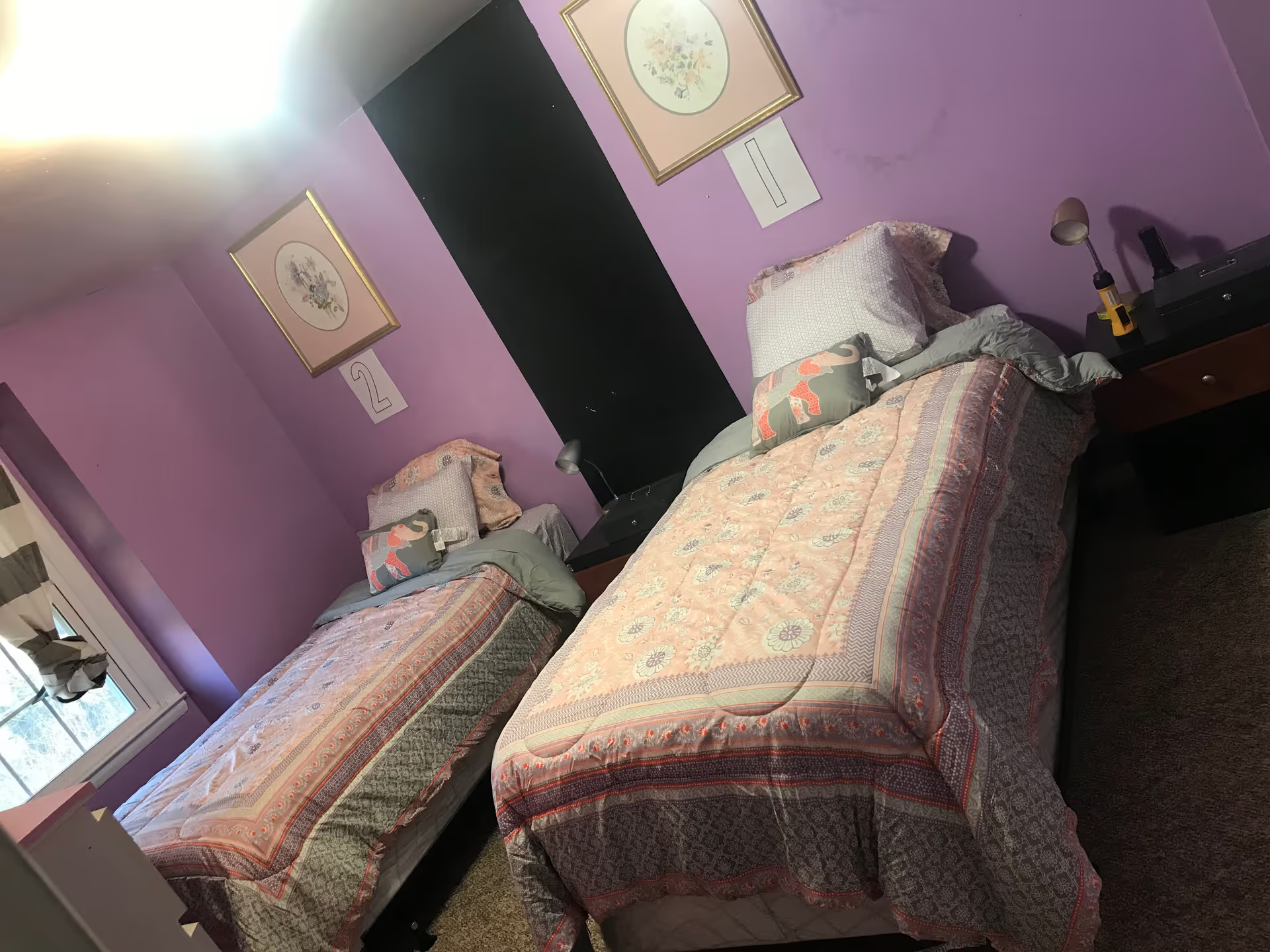
Facilities and maintenance: Several accounts commend clean communal areas and housekeepers, but an important pattern of maintenance issues appears across reviews. Reported problems include hot-water outages, elevator breakdowns, leaks and mold concerns, and other physical-plant shortcomings. There are also isolated pest-control concerns in shared seating areas and complaints about laundry and personal-item management. These maintenance and sanitation inconsistencies can affect resident comfort and family confidence in the environment.
Notable patterns and decision points: The overall impression is one of a facility with tangible strengths — especially in rehabilitation, family-centered communication, and compassionate individual staff — but with operational weaknesses that produce variable resident experiences. The most consistent red flags are staffing consistency, sanitation and odor control, dietary reliability, maintenance responsiveness, and certain clinical-safety processes. Prospective residents and families should weigh the facility’s strong therapy and social programs against these operational concerns, ask specific questions about staffing ratios and clinical-safety protocols, tour multiple units during different shifts when possible, and seek clear commitments on maintenance and visitation policies before admission.