Keswick Multi‑Care Center elicits strongly polarized feedback. Many families and patients describe a well‑maintained, bright facility with private rooms, knowledgeable memory‑care leadership, responsive nursing teams, and effective rehabilitation services. The center’s strengths most commonly cited are its rehabilitation/PT/OT programs and post‑operative outcomes, a broad continuum of care that includes memory care and in‑house clinical services, varied activities and cultural programming (including musical and arts offerings), and the ability to accommodate dietary needs.
At the same time, a substantial portion of commentary raises operational and clinical concerns. These concerns center on uneven staffing — with distinct differences described between daytime and evening/weekend shifts — and gaps in clinical assessment and physician availability. Reviewers describe delays in medication administration, inconsistent rehabilitation scheduling, and examples of delayed recognition of acute medical issues; these reports suggest a need to clarify on‑site physician coverage, nursing assessment processes, and escalation protocols. Several accounts also note pressure injuries and infection‑related events and describe consequential family distress; these are best interpreted as indicators of possible lapses in pressure‑injury prevention, monitoring, and timely clinical escalation in isolated cases.
Communication and management practices are another recurring theme. Many reviewers praise specific managers and frontline staff for professionalism and warmth, while other families report difficulty reaching administration, slow or incomplete updates, and frustration with complaint resolution. There are also allegations of unprofessional or discriminatory staff conduct and concerns about transparency in regulatory reporting; such serious claims merit targeted inquiry during any tour or pre‑admission discussion.
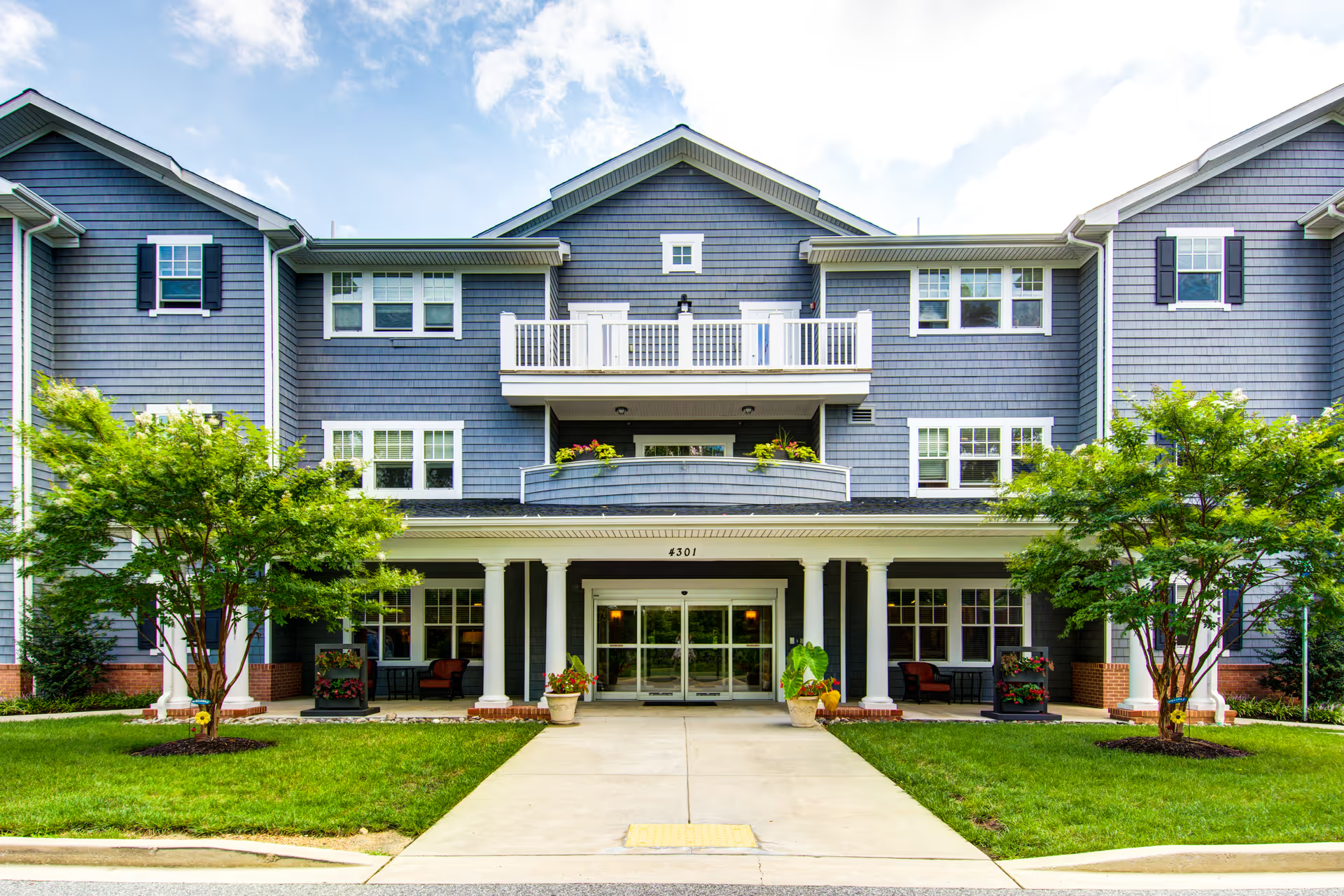
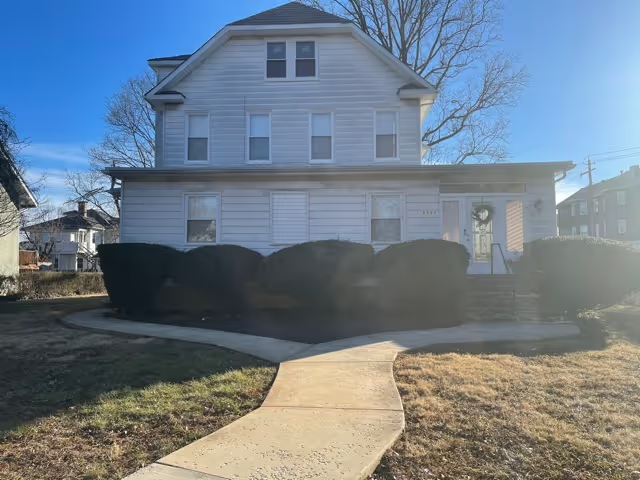
Dining and housekeeping feedback is similarly mixed. The facility is frequently described as clean, bright, and landscaped, with individualized meal plans and some high marks for accommodating special diets. Conversely, other accounts describe inconsistent meal quality, service interruptions, and sanitation or pest‑control concerns in particular units. Activities and educational offerings are a clear strength for many residents, with a robust calendar of classes, remote learning options, and social engagement programs that families appreciate.
In short, Keswick shows clear capabilities in rehabilitation, memory‑care leadership, and resident programming, alongside facility assets like private rooms and strong communal offerings. However, variability in staffing, clinical oversight, communication, and certain operational controls has produced markedly different experiences for families. Prospective residents and families should ask targeted questions about current staffing ratios (including evening/weekend coverage), physician and nursing assessment protocols, fall‑prevention and pressure‑injury practices, infection‑control and pest‑management programs, medication‑timeliness metrics, and the facility’s complaint‑resolution and reporting processes. Visiting in person, speaking with unit managers, and reviewing the most recent inspection and incident reports will help gauge whether Keswick’s operational strengths align with a particular resident’s clinical and psychosocial needs.