The reviews for Roland Park Rehabilitation and Healthcare Center present a mixed picture with clear strengths in clinical rehabilitation and individualized compassionate care, alongside recurring operational and environmental concerns. Many families praised the facility’s rehabilitation teams (OT/PT/SLP), specific nurses and therapists, effective wound care, and compassionate end-of-life support. Several reviewers highlighted positive interactions with admissions leadership and social work, as well as a range of social activities (karaoke, bingo, bus trips) that support resident engagement.
Clinical care quality appears uneven. Positive reports emphasize measurable rehabilitation progress, attentive wound management, and timely interdisciplinary meetings. However, reviewers also described systemic issues: inconsistent medication timing and administration, delays in responding to call bells, and lapses in monitoring and handling of medical devices (for example, oxygen and IV management). Staffing levels were often cited as a contributing factor, with nights and weekends described as the periods of greatest vulnerability. These patterns imply that the facility’s clinical coverage and on-shift supervision may be variable.
Staff performance and conduct are another area of contrast. Numerous reports commend individual staff members for professionalism, kindness, and advocacy; others describe concerns about staff tone, supervisory interactions, and conduct toward residents. Several reviewers noted problems with staff identification (missing name tags) and inconsistent professionalism across shifts. Communication with families also varied: some families praised prompt, transparent updates and an accessible administrator, while others experienced delays in notification after incidents and difficulty obtaining information about care and billing.
Dining and nutrition received frequent comment. Several reviewers found food unappetizing, served at inconsistent temperatures, or insufficiently adapted for therapeutic diets such as diabetes. A smaller number of families found meals acceptable or well prepared. Discharge planning and coordination for home supplies emerged as another recurring issue: families recommended confirming equipment orders and medication deliveries before a patient leaves the facility.
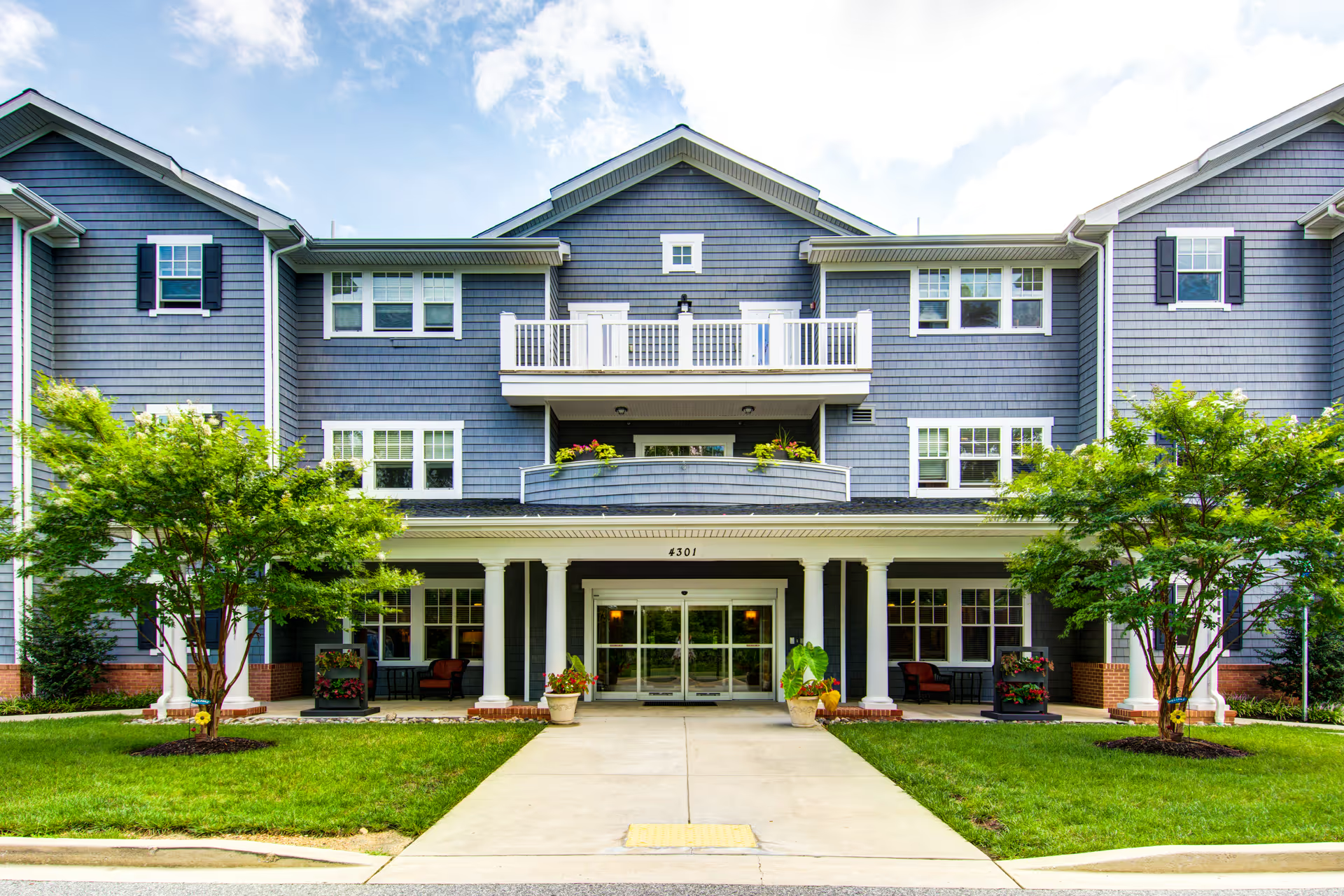
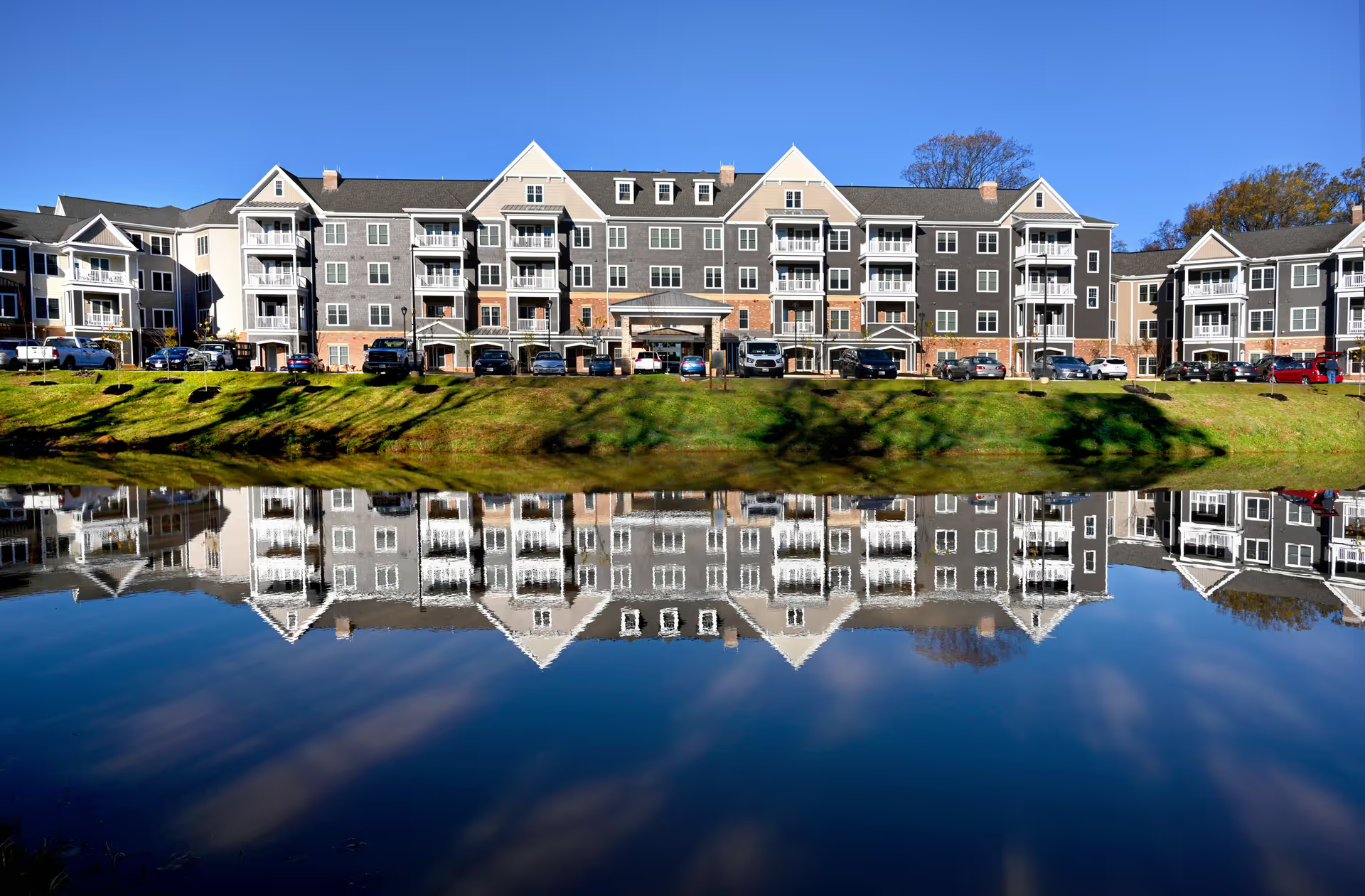
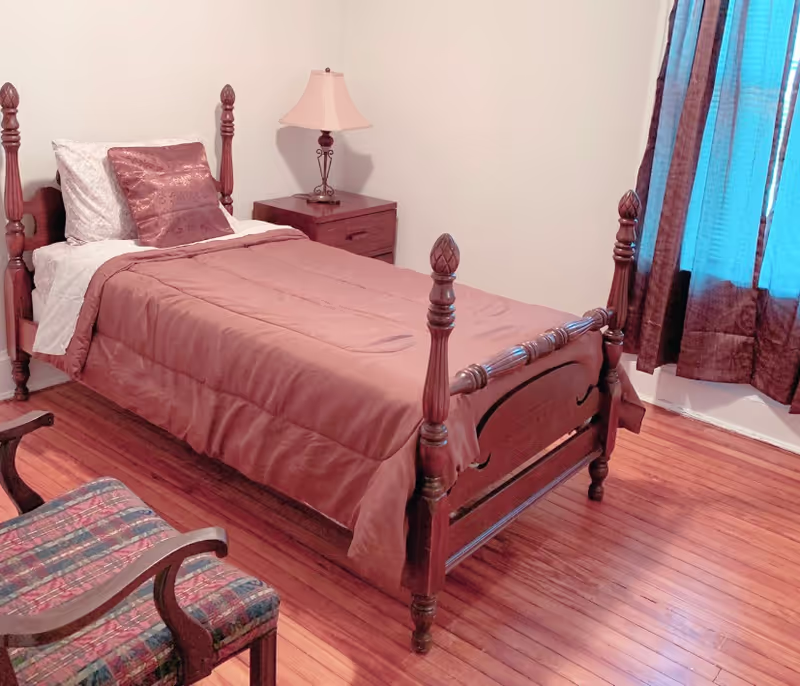
Facility and environmental observations were similarly mixed. Positive accounts describe spacious, well-maintained rooms and an overall clean environment; negative accounts raised sanitation and odor concerns in some areas, complaints about linen-change frequency, and pest-control and safety issues (including an incident involving water intrusion). Allegations of missing personal items and unclear billing practices were raised by some families and signal potential security and financial-administration vulnerabilities that merit investigation.
In summary, Roland Park demonstrates clear strengths in rehabilitation, wound care, social programming, and dedicated individual staff who provide compassionate support. At the same time, reviewers identify consistent operational weaknesses: staffing variability (especially off-shifts), medication and device-management gaps, variable cleanliness and dining quality, and inconsistent communication and discharge processes. Prospective residents and families should ask targeted questions about staffing ratios on nights/weekends, medication and device-monitoring protocols, how the facility handles therapeutic diets and discharge supply orders, and what safeguards exist for personal property and billing. Recent comments noting improvement under new management suggest that some issues may be addressable; verifying current practices and speaking with current families can help assess whether positive changes have been sustained.