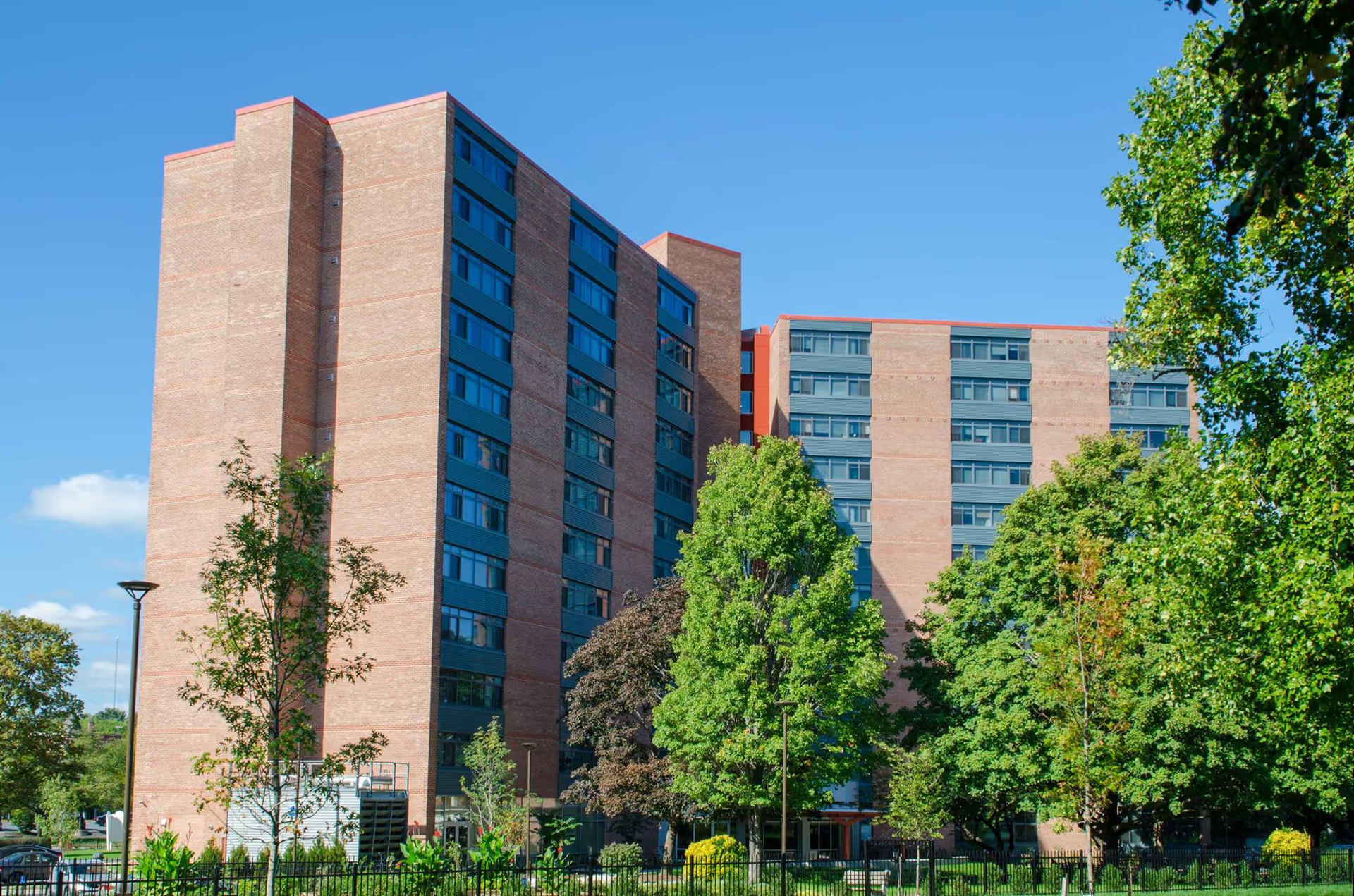
Reviews for Stadium Place Nursing and Rehab Center show a polarized pattern: many families praise the facility’s environment, therapy programs, and activity offerings, while a separate set of accounts describe operational and clinical gaps that raise safety and quality concerns. The facility’s physical attributes and recreational programming receive consistent positive mention — an attractive, modern building with outdoor patios and stadium views, a high-energy recreational director and a wide range of meaningful activities. Several individual staff members (therapists, social workers, and certain nurses or aides) are singled out as attentive, helpful, and proactive, and some families describe smooth discharge planning and a welcoming reception experience.
Care quality descriptions vary considerably. Positive experiences highlight effective, patient-centered rehabilitation and attentive bedside care from particular caregivers. However, recurring negative themes include long call-bell response times, delayed medication administration, inconsistent hygiene and bathing schedules, and reported lapses in wound-care and pressure‑ulcer prevention. These patterns suggest variability in day-to-day clinical oversight and a reliance on individual staff performance rather than consistently applied clinical systems.
Staffing and management appear to be a central driver of the divergent experiences. Multiple reviewers cite chronic understaffing, inconsistent supervision, and training gaps; others praise an involved administrator and hardworking social worker. Several families linked a perceived decline in service quality to recent ownership or leadership changes. Communication problems are also frequent — families reported difficulty obtaining timely updates, inconsistent coordination around discharge, and occasional aggressive or unprofessional exchanges with staff.
Dining experiences are mixed: some reviewers appreciate varied, nutritious meals, while many describe unappealing, processed-tasting food and instances of dietary noncompliance. Facility maintenance and sanitation comments are likewise inconsistent. While some areas are described as clean and well-kept, other accounts cite sanitation concerns, lingering odors in specific locations, delayed repairs (broken beds, inaccessible showers), and front-desk coverage or visitor-access problems that affect convenience and perceived safety.
Serious operational concerns raised include medication-management issues (including concerns about prescribing practices), privacy breaches, and allegations of staff theft or property loss. These are not universal across reviews but are serious enough that prospective residents and families should inquire directly about policies, oversight mechanisms, and recent corrective actions.
In summary, Stadium Place offers strong rehabilitation and an active, well-regarded activities program within a pleasant facility, and several staff members are clearly valued by families. At the same time, recurring themes of understaffing, inconsistent clinical practices (particularly wound care and medication administration), sanitation and maintenance variability, and lapses in communication suggest the facility’s quality may be uneven from unit to unit or shift to shift. Prospective families should tour multiple units, observe mealtime and activity periods, ask for current staffing ratios, review wound-prevention and medication‑management protocols, inquire about recent ownership or management changes, and request documentation of any corrective actions related to reported incidents.