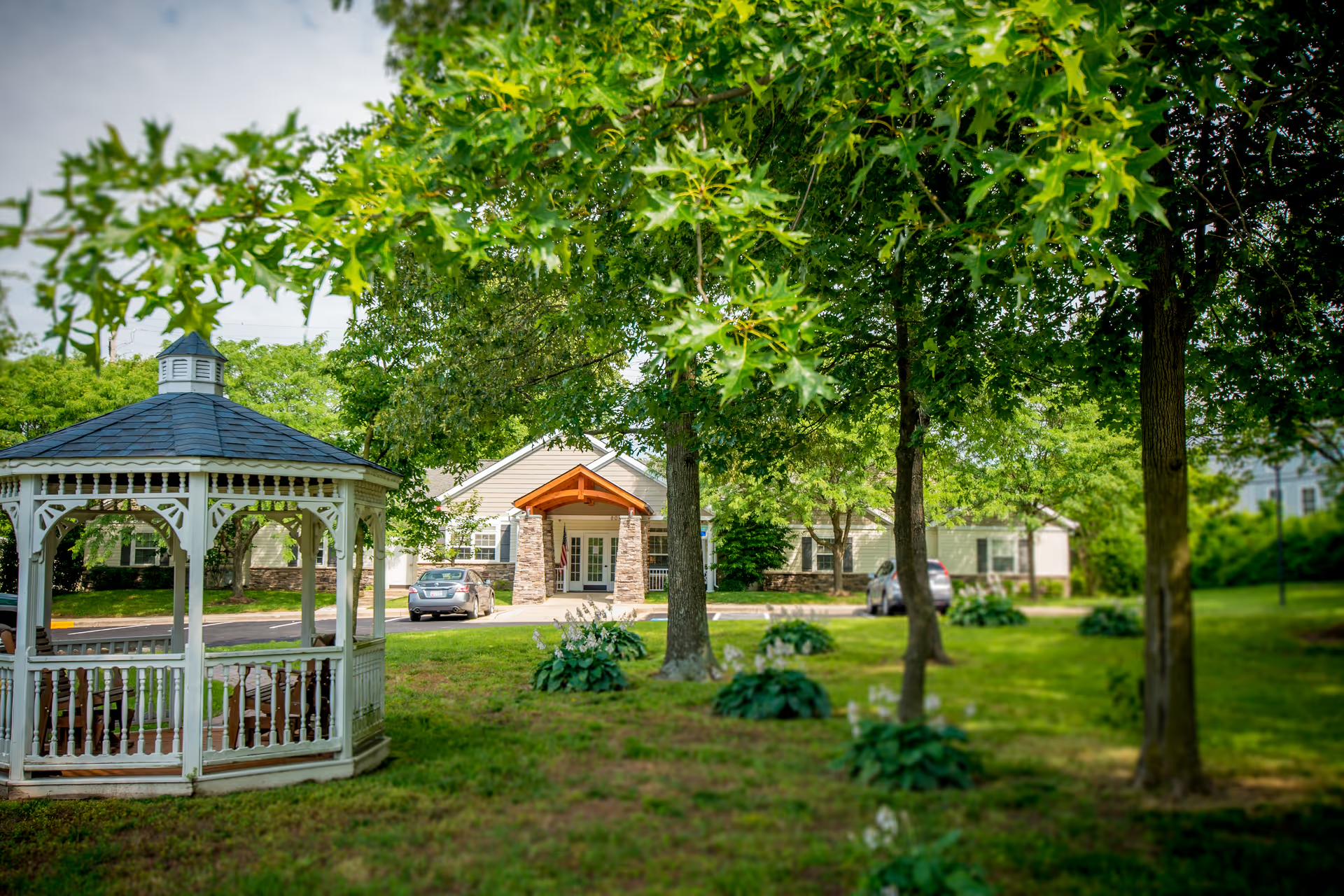
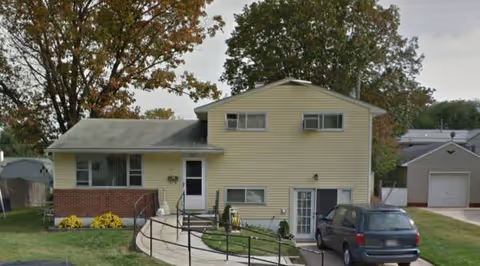
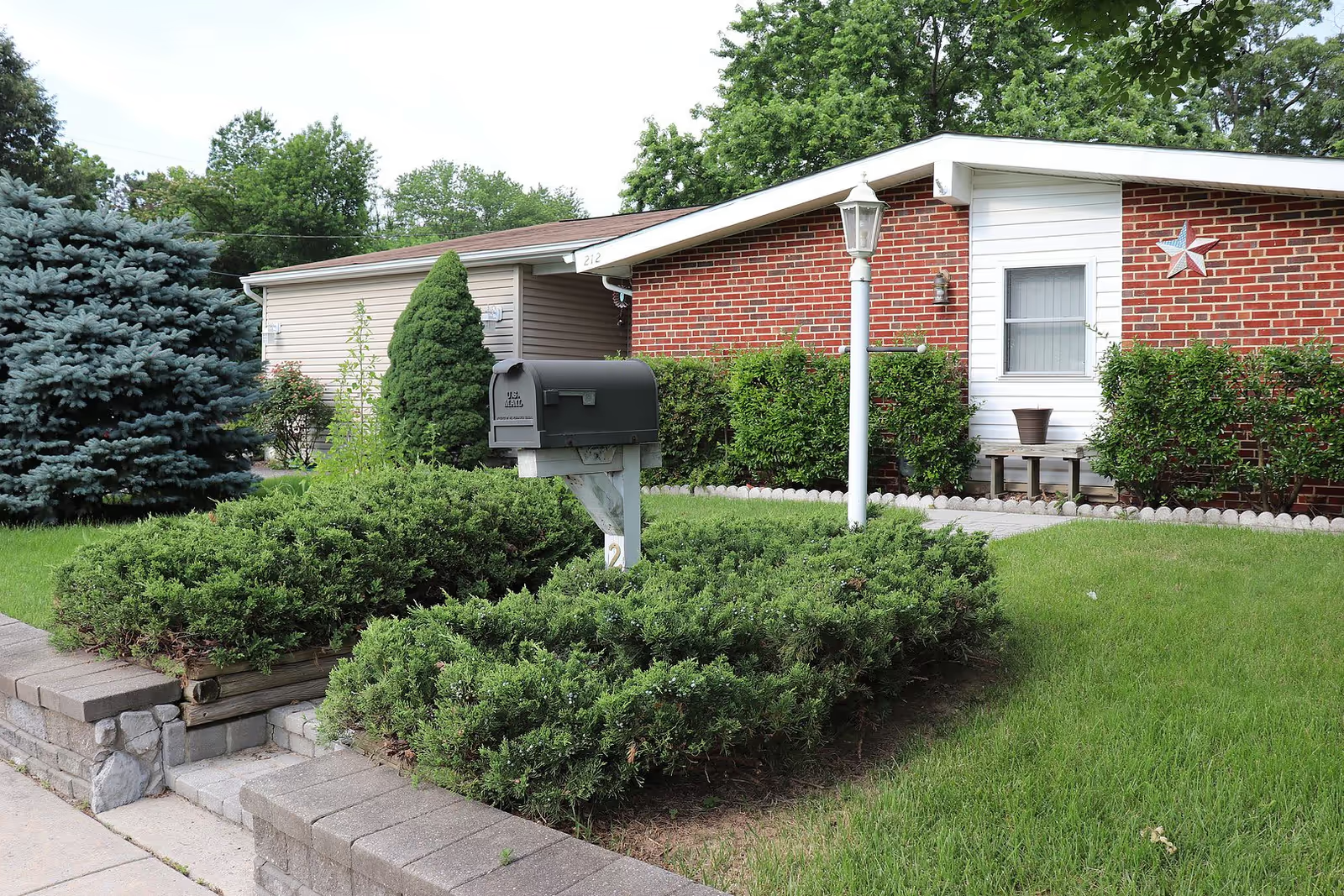
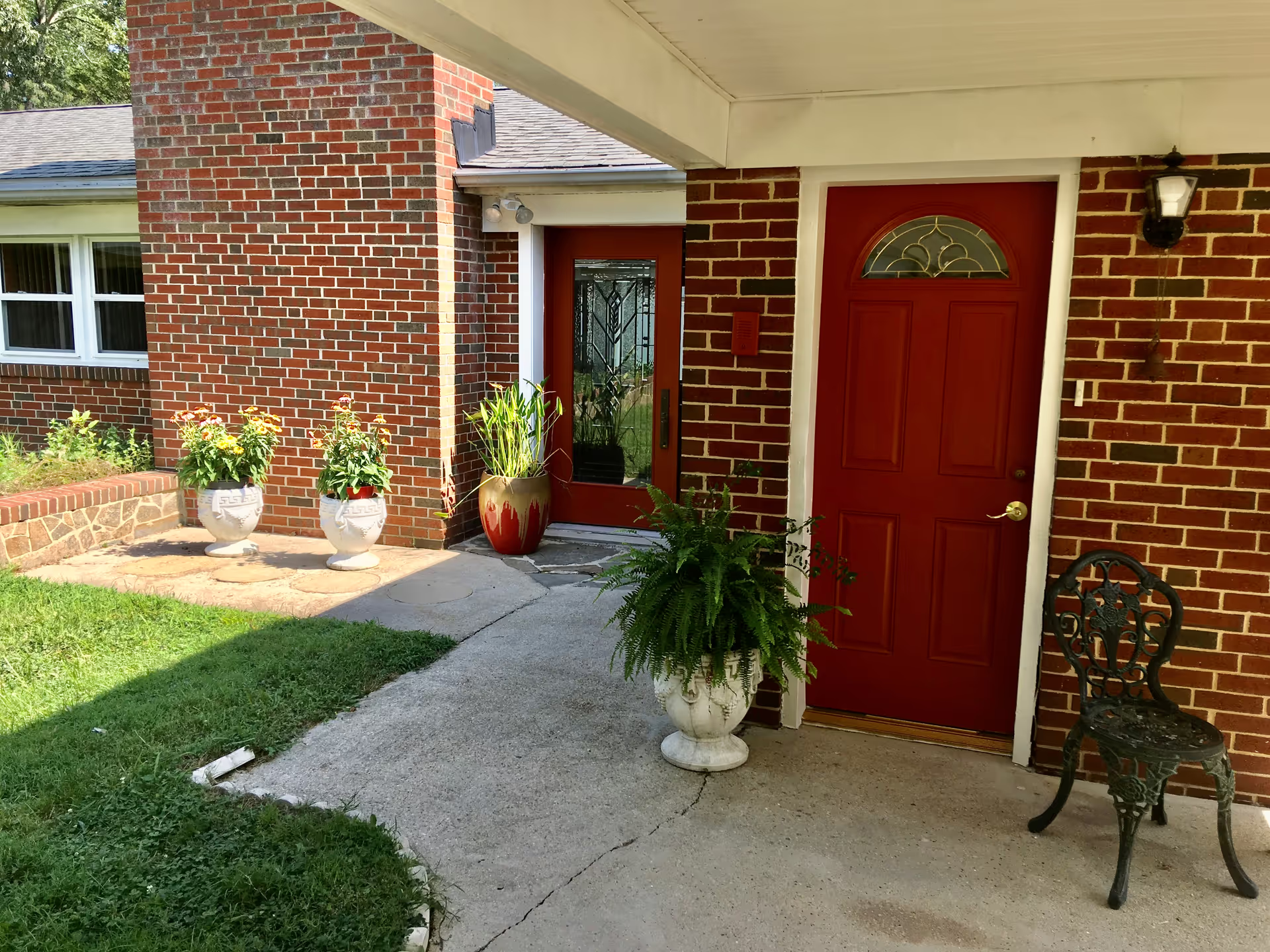
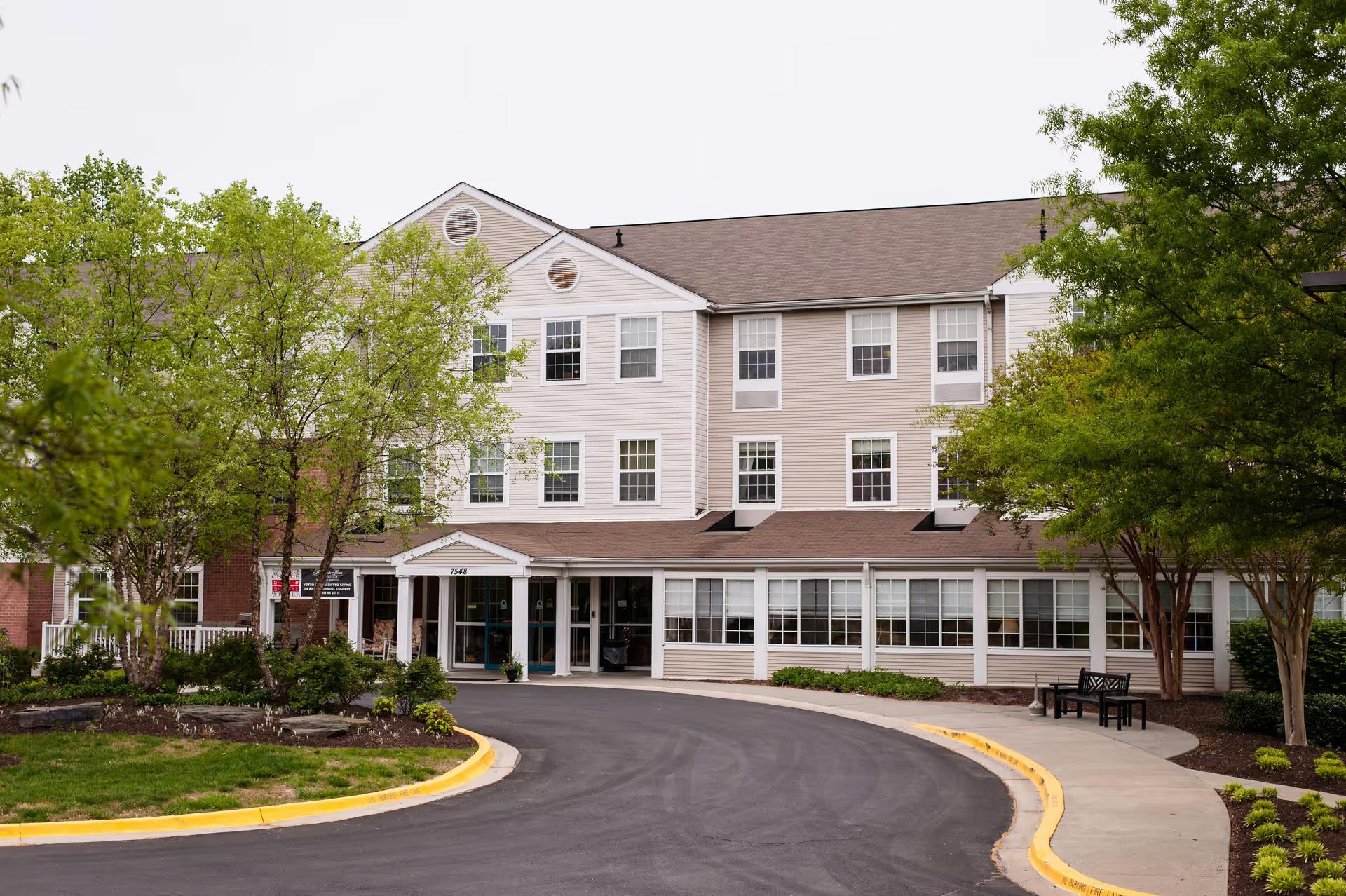
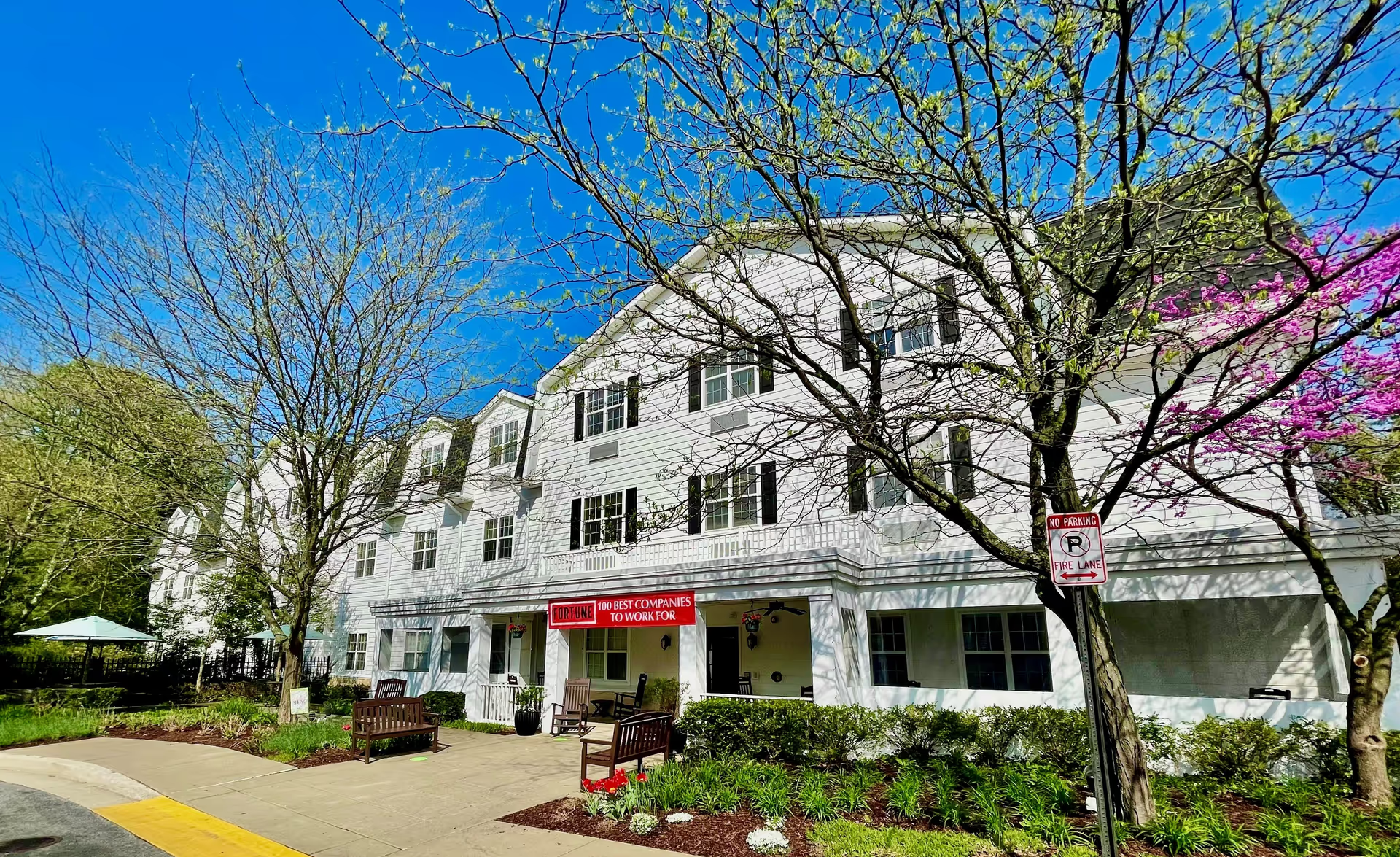
Hammonds Lane Center presents a mixed profile: many families describe a facility with strong therapy services, active programming, and caring staff who learn residents’ names and engage regularly. The rehabilitation teams — particularly physical, occupational, and speech therapy — receive consistent praise for clinical effectiveness, and the activity schedule is broad, including music, bingo, religious services, and group movement programs. Several reviewers highlighted an organized, spacious dining area and well-maintained common spaces, and there are single-occupancy apartment options that families found comfortable and quiet.
Despite these strengths, a recurrent pattern across reviews is variability in day-to-day care. Staffing appears uneven: some shifts and staff members are described as highly attentive, while others show limited responsiveness, resulting in long call-button delays and delays in attending to resident needs. Reviewers also describe inconsistent staff skill and engagement, which affects the resident experience and can create an unpredictable quality of care.
Sanitation and environmental issues are mixed. Many accounts note clean, orderly common areas, yet other accounts point to odor concerns and sanitation-care problems in particular units. Laundry and personal-belongings handling practices have generated complaints, and there are reports of items being washed or relocated without clear family consent. Room quality varies widely: some units and single apartments are spacious and modern, while other rooms—often shared—are described as small or in need of updating, and the facility layout can feel cluttered in parts.
Dining and clinical-medication practices show inconsistency. Meals are described as enjoyable by some but criticized for temperature and quality lapses by others. Clinical care has positive elements, notably the therapy teams, but there are also serious clinical concerns raised by families, including delayed responses to clinical issues, wound-care and incontinence-care problems, and one allegation regarding inappropriate medication use. Communication gaps between staff, administration, and families contribute to frustration; while some families praise proactive administrative advocacy and clear communication, others report poor responsiveness from management.
Operationally, reviewers identified issues with staff allocation and workflow—examples include front-desk staffing that appears to detract from floor coverage. Financial and insurance-related practices were questioned in a subset of comments, which may warrant direct inquiry by prospective residents and families. In sum, Hammonds Lane Center offers notable rehabilitative resources, an active programming roster, and many instances of compassionate caregiving, but it also exhibits variability in staffing consistency, environmental sanitation in some areas, room conditions, meal service reliability, and family communication. Prospective residents should tour multiple units, discuss staffing patterns and room options, review therapy outcomes, and ask for specifics on medication protocols, laundry/property handling, and financial policies before deciding.