Brightview Catonsville presents a predominantly positive picture in the reviews, with frequent praise for staff, programming, and the physical environment. Many families describe attentive, compassionate caregivers and leadership that communicates openly. The community atmosphere is commonly characterized as family-like and engaging; residents appear to have access to a robust schedule of social, recreational, and therapeutic activities and an active dining program that includes chef-prepared, restaurant-style meals and special events.
Care and clinical supports are generally described as strong. Reviewers highlight access to on-site therapy (PT/OT), 24-hour nursing coverage in certain units, coordinated care with outside providers, and a memory-care focus in the community. Staff are repeatedly noted for personalized attention, respectful interactions, and help with transitions. That said, there are intermittent concerns about responsiveness during specific care episodes and about consistency in personal-care assistance (for example, dental or ear care support). These items suggest variability in day-to-day clinical follow-through rather than a uniform staffing failure.
Dining and meal service are praised for variety, presentation, and special family-oriented events; many reviewers appreciated restaurant-style service and chef-prepared menus. However, several comments point to inconsistent meal quality and service timing—examples include dried or over-warmed dishes and slow dinner service—indicating operational gaps in meal staging and service continuity that prospective families should review with management.
Activities and social programming are a clear strength: the community offers crafts, bus trips, theater outings, live music, exercise/stretch classes, religious services, and pet/therapy-dog visits. Resident engagement is frequently noted, and leadership appears to support a lively calendar. A small number of reviewers indicated the activity mix did not meet every resident’s preferences (for example, fewer offerings tailored to some male residents), so programming diversity may vary by cohort and season.
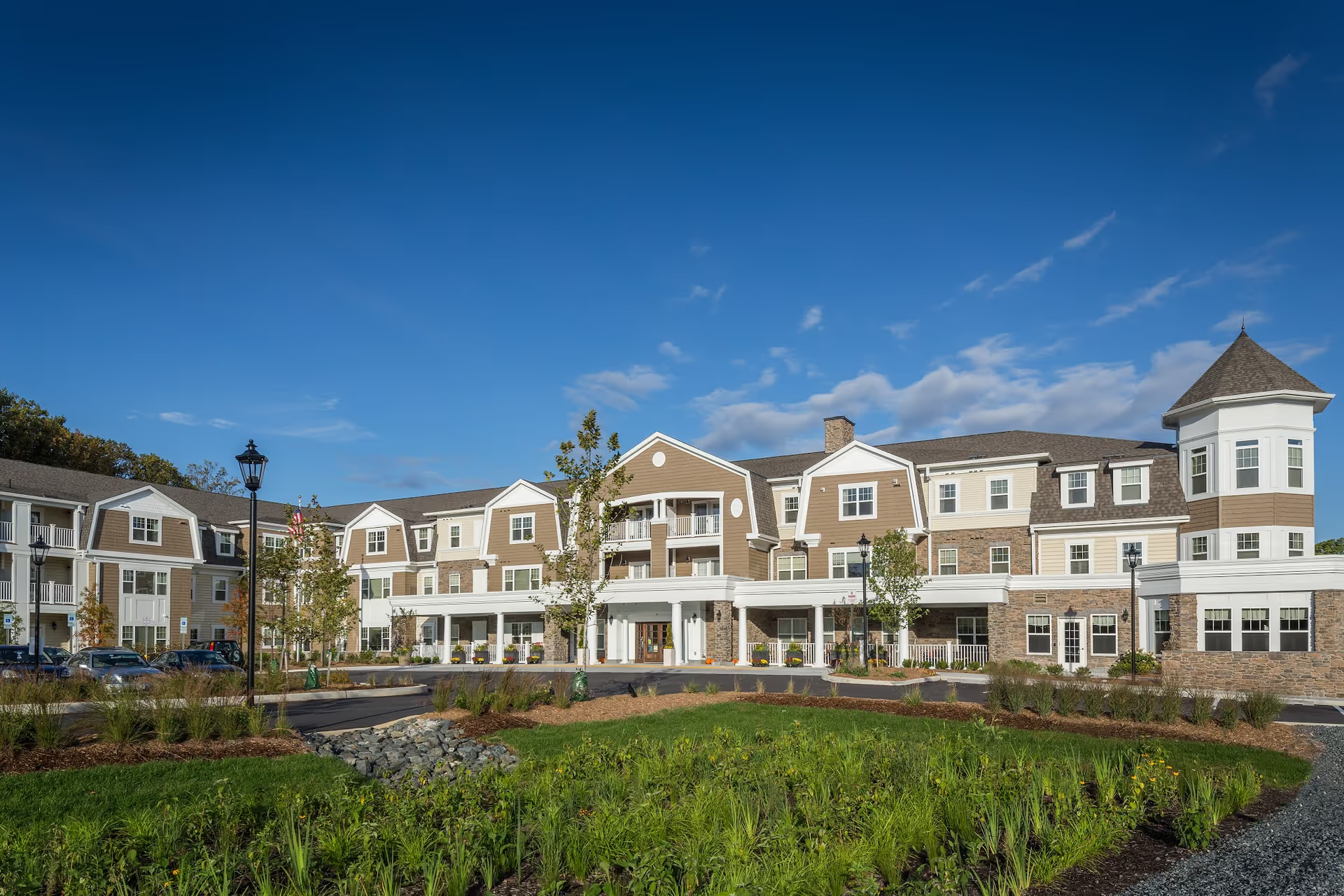
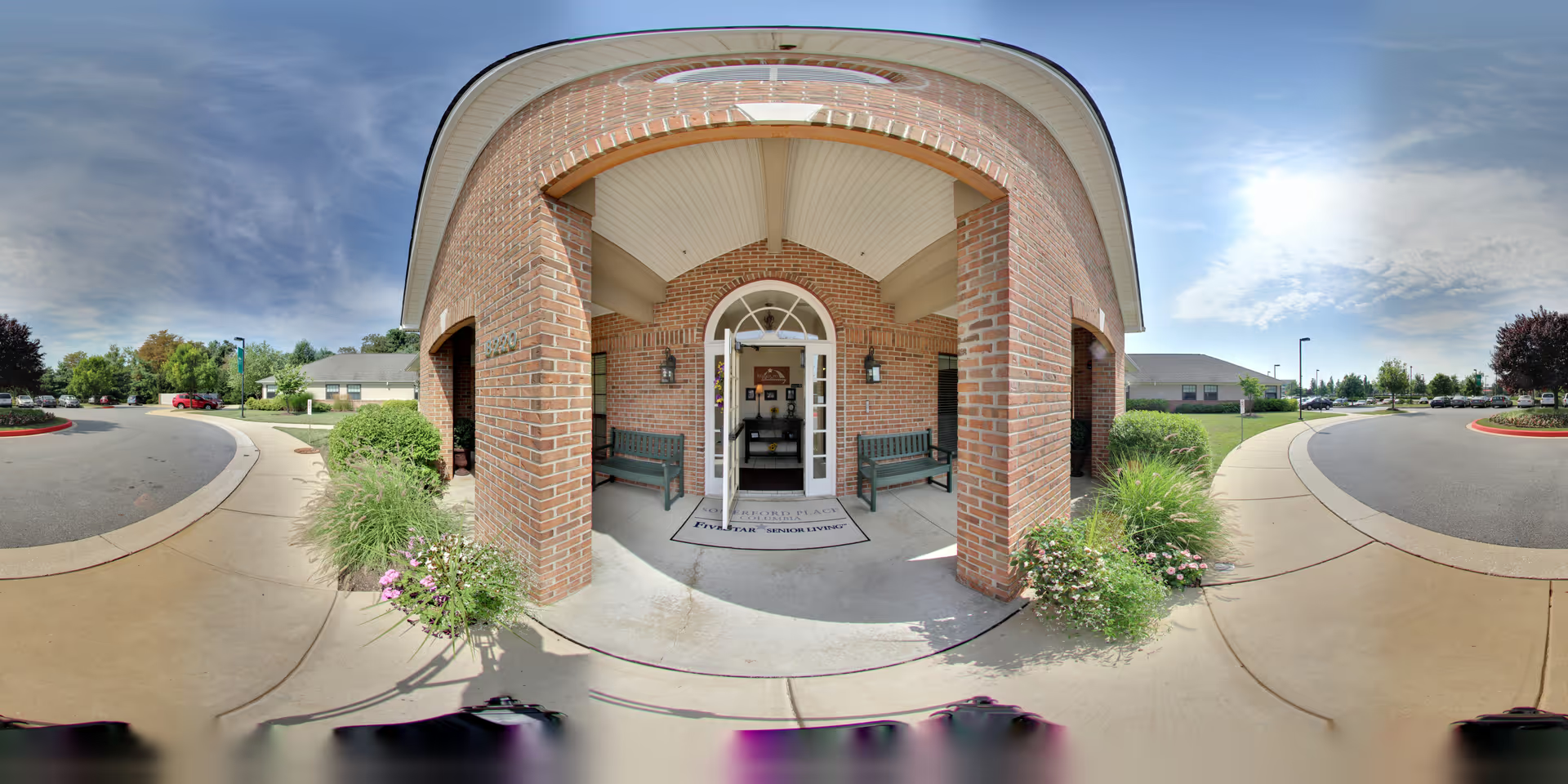
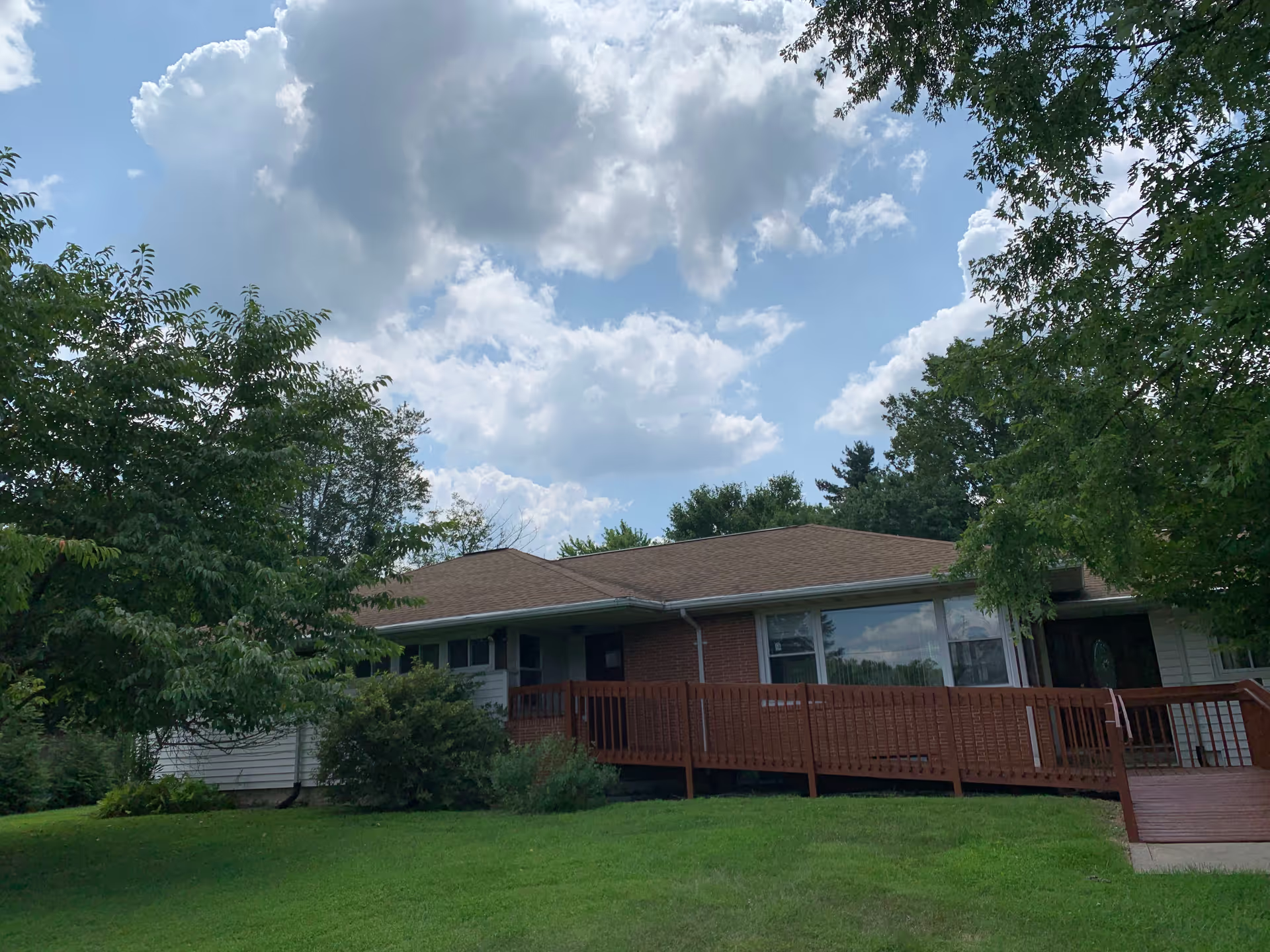
The facility and grounds receive consistently positive remarks for cleanliness, landscaping, and apartment features such as private bathrooms and space for personal furniture. At the same time, reviewers mention isolated housekeeping and maintenance issues (unclean rooms, aging laundry equipment, unfinished/unit-preparation concerns). These comments suggest generally good upkeep with occasional lapses or aging auxiliary infrastructure that management has been or should be addressing.
Management and leadership attract much of the positive commentary: they are described as communicative, collaborative with families, and proactive in addressing concerns. There are also references to leadership transitions and plans for renovations, and a few reviewers associated recent changes in management with shifts in quality for some services (notably dining). Cost and fee structure are recurring practical considerations; several families raised affordability concerns and noted extra fees for services such as phone or cable.
Notable patterns across the reviews are therefore twofold: strong relational and programmatic strengths (staff warmth, active programming, attractive facilities) combined with operational variability in a few areas (meal service consistency, housekeeping standards, and some aspects of personal-care assistance). Prospective residents and families may find the community appealing but should use tours and family conversations to probe specific operational items: ask about meal-service procedures and warming/temperature controls, housekeeping schedules and quality checks, staffing ratios and response protocols for clinical needs, religious-service schedules and accommodations, memory-care availability and how units are configured, and the complete fee structure including bundled versus à la carte services.