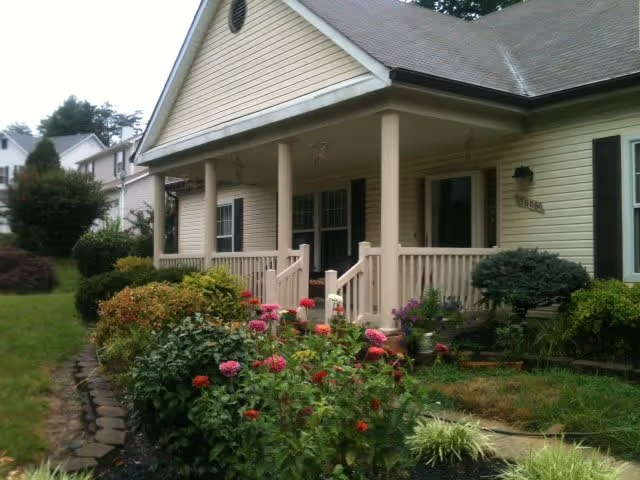
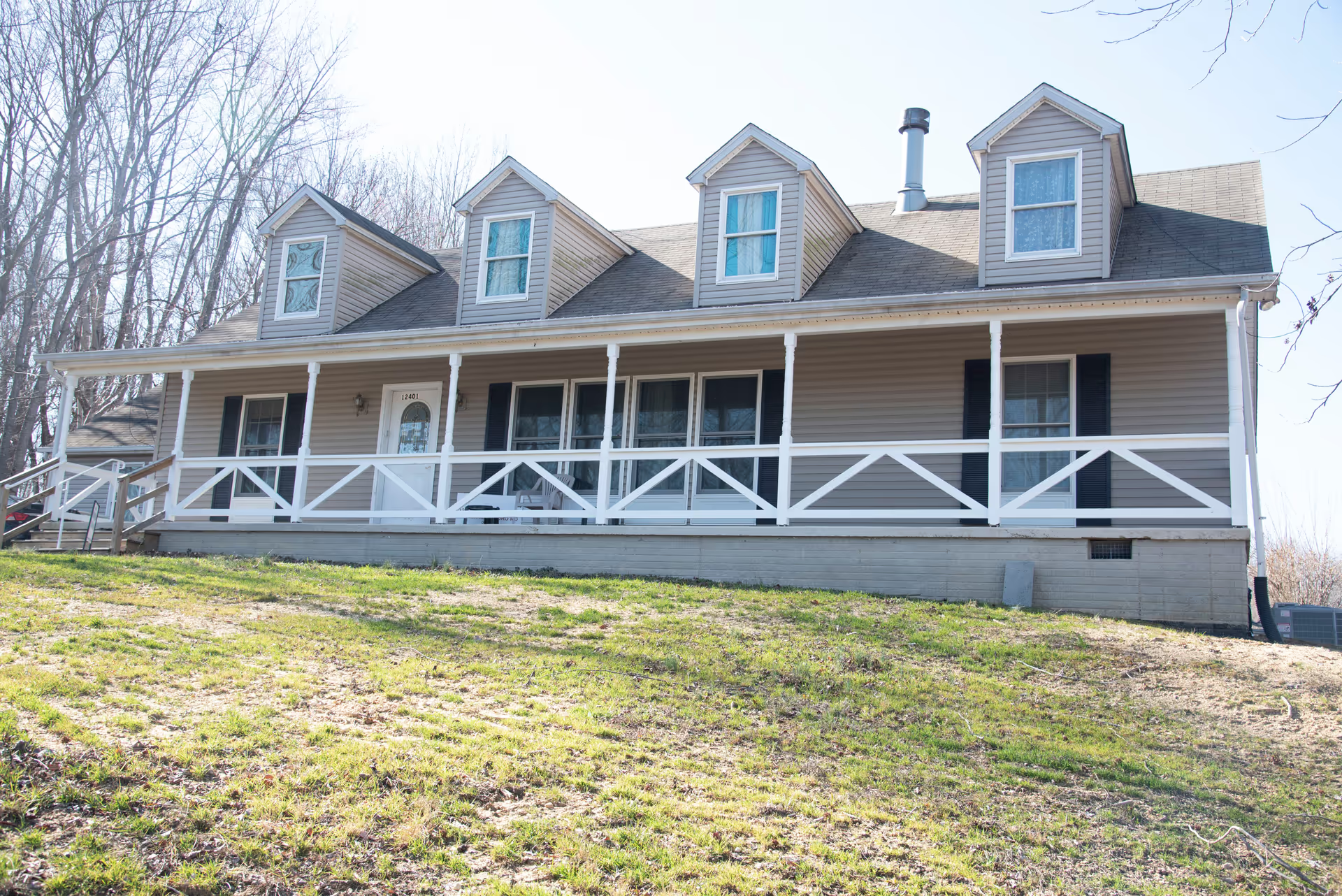
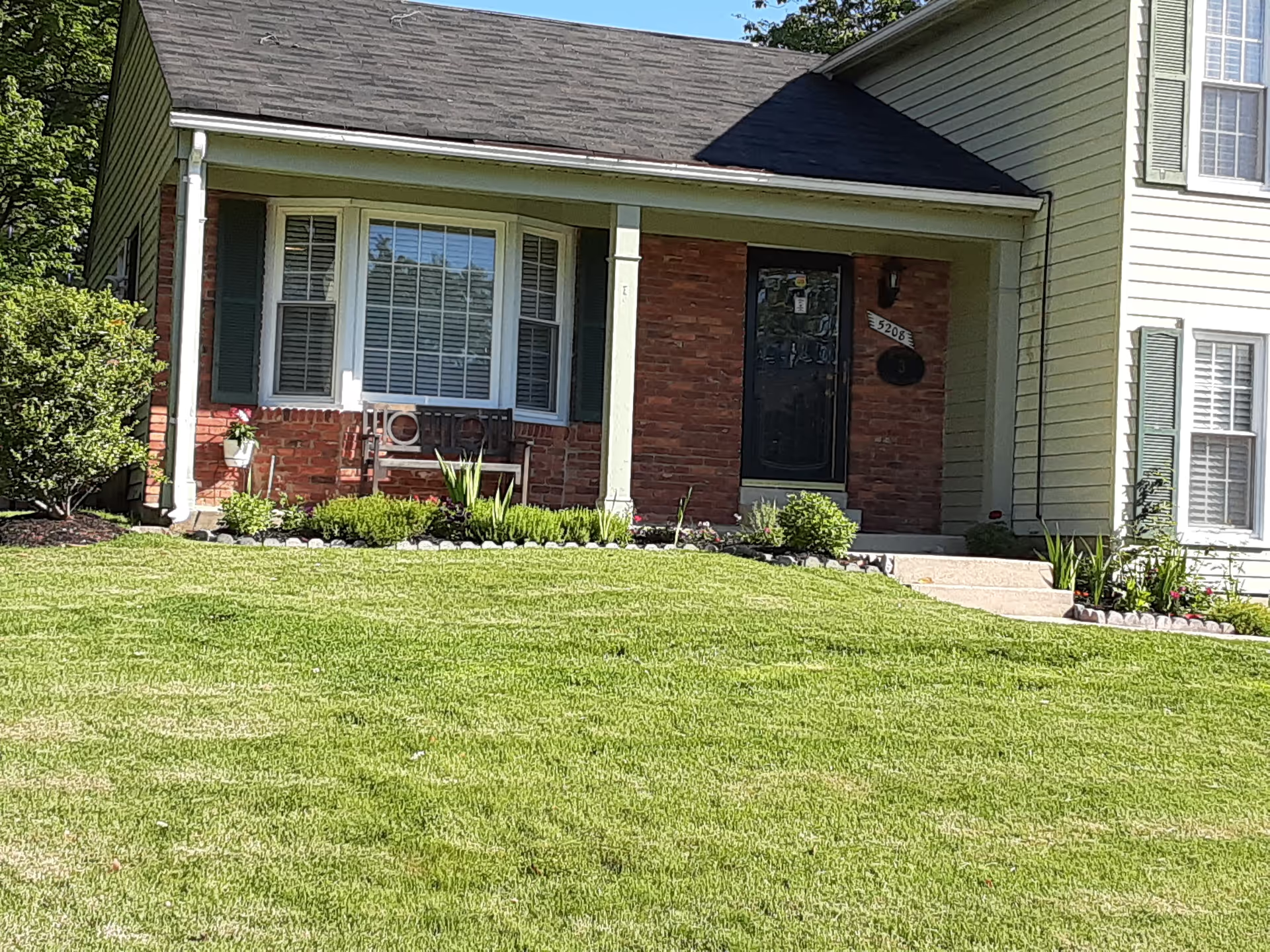
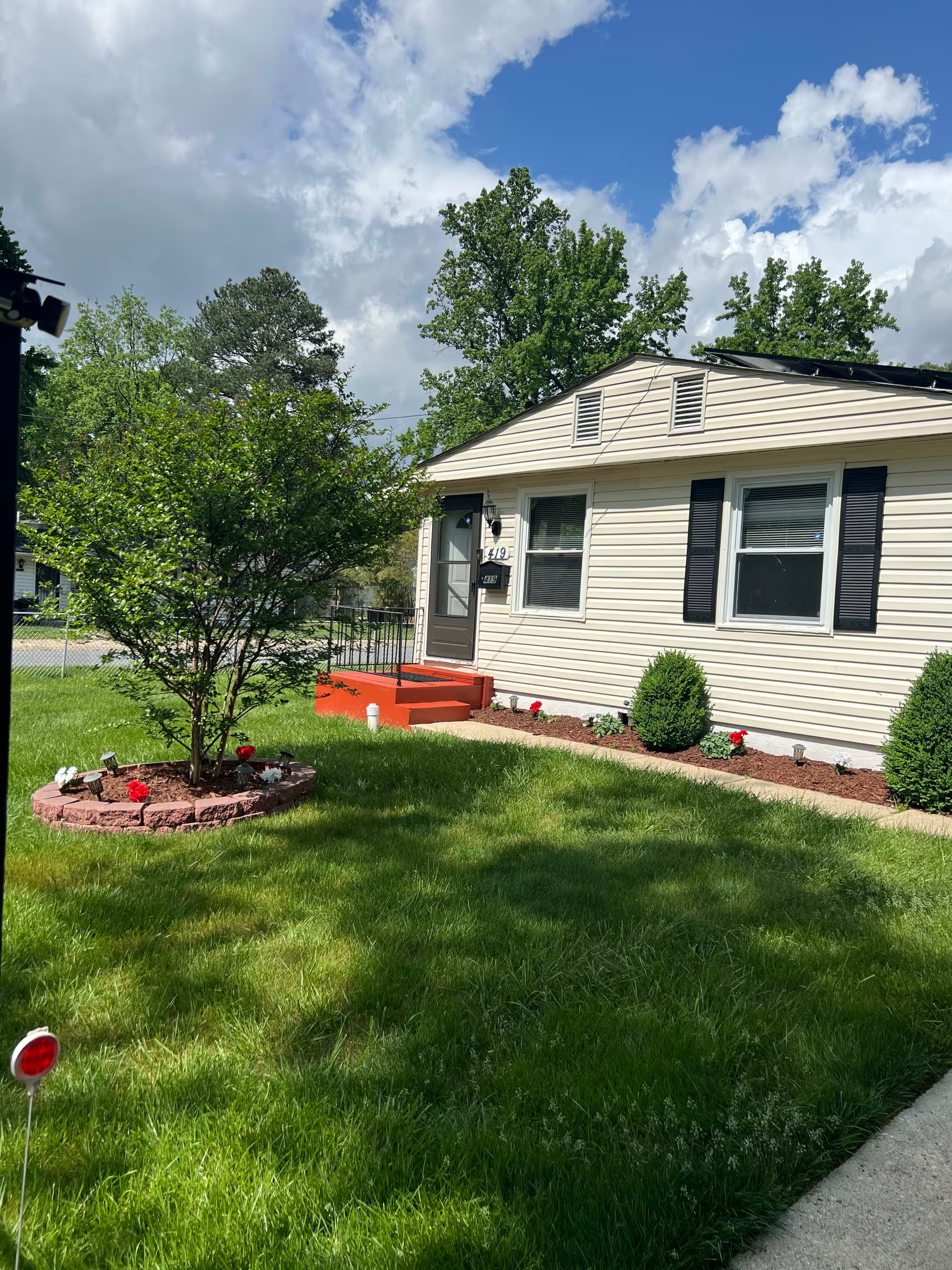
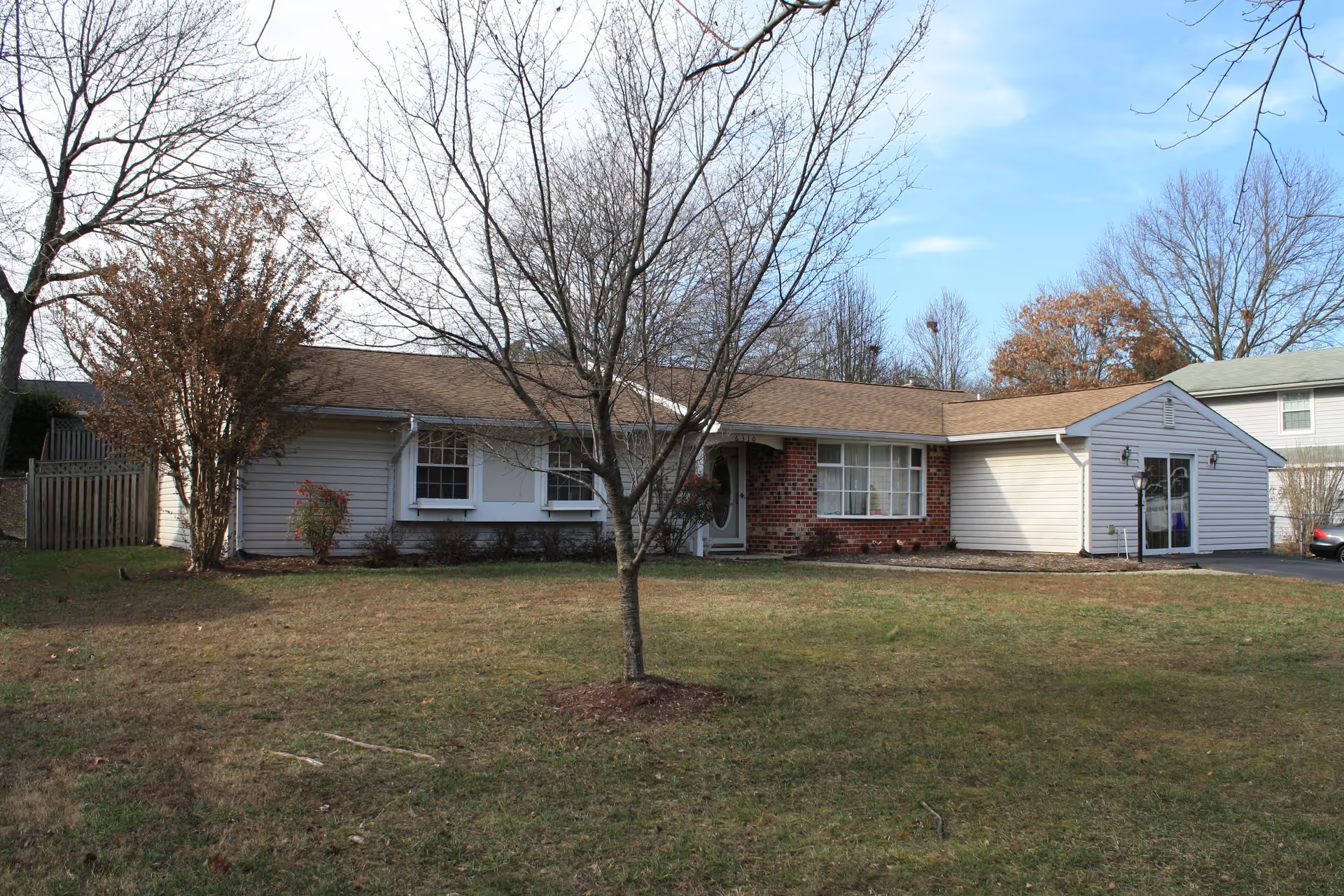
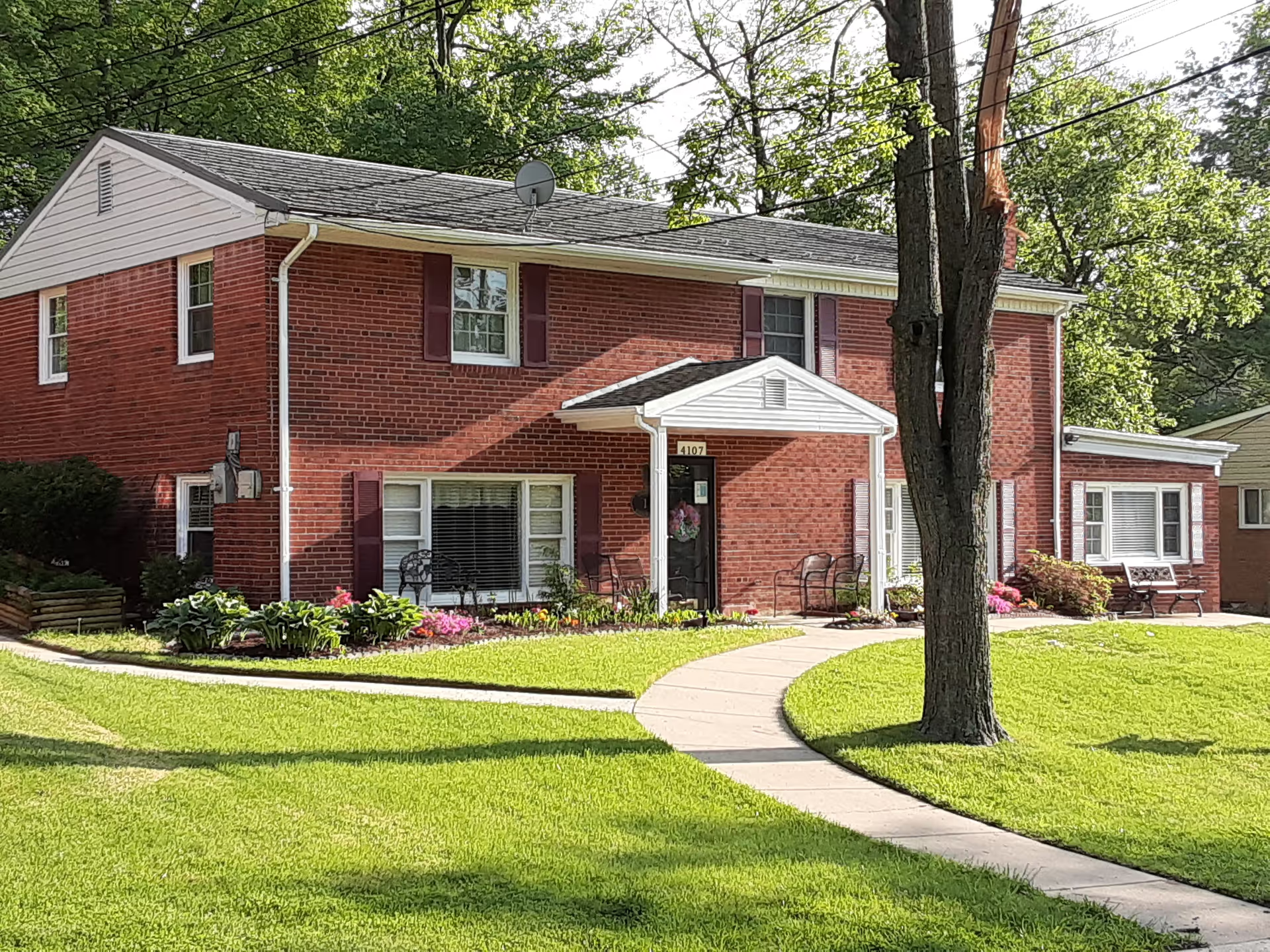
Overall impression: The facility is presented as a small, home-like assisted living community with consistently positive remarks about cleanliness, atmosphere, and long-term satisfaction. Families describe a neat, organized building in a quiet neighborhood with an open visiting approach; these elements contribute to ease of access and a sense of transparency during placements and ongoing visits.
Care quality and staff: Care-related comments emphasize attentive, competent staff and visible clinical supports. Families note active rehabilitation and mobility support through onsite physical therapy and staff who keep residents engaged and moving. Staff are frequently described as caring, helpful, and responsive, and the facility appears to have processes for monitoring health changes and promptly alerting family members. A recurring pattern is variability in interpersonal conduct: while many staff are described as kind and professional, occasional inconsistencies in friendliness or communication tone were reported. Prospective families may want to meet the caregiving team and ask about primary-assignment practices to understand consistency of caregivers.
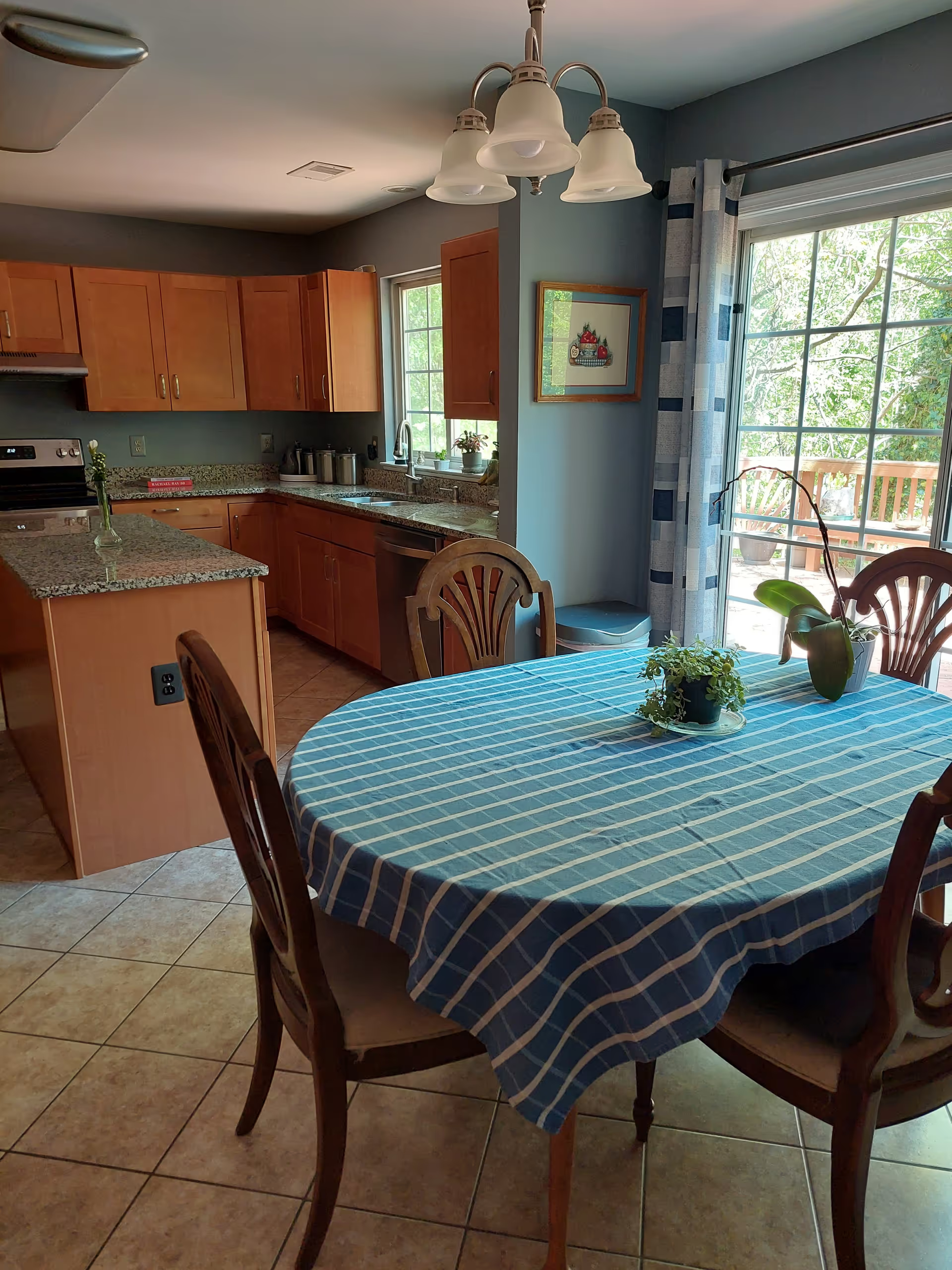
Dining and activities: Dining is characterized by home-cooked meals that reinforce the community’s homelike feel. Socialization and mental-stimulation opportunities are highlighted, with reviewers noting camaraderie among residents and an active social environment. The small size of the community supports close relationships and easy family involvement; the open-door visiting policy and permissive visiting practices are cited as positives for family engagement.
Facilities and environment: The physical environment is consistently described as clean, well-kept, and pleasant smelling, with tidy resident rooms and common areas. The setting is quiet and peaceful, suitable for families seeking a low-noise, residential atmosphere. A potential fit consideration is gender comfort: a few accounts suggest that the social mix or programming may be less comfortable for some male residents. Visitors are encouraged to tour during mealtimes and activity periods to assess social fit and male-resident comfort directly.
Management and notable patterns: Operationally, the facility is portrayed as organized and responsive, with a straightforward move-in process and a tendency to maintain established resident relationships over time. The most notable operational caveat is the variability in staff demeanor; combined with the community’s small size, this can translate into strong continuity for some families but less choice or program variety for others. Recommended next steps for prospective residents: schedule multiple visits at different times of day, meet the regular caregiving staff, observe meals and group activities, and ask about male-resident accommodations, staff-assignment policies, and the protocol for health-change alerts and therapy services.