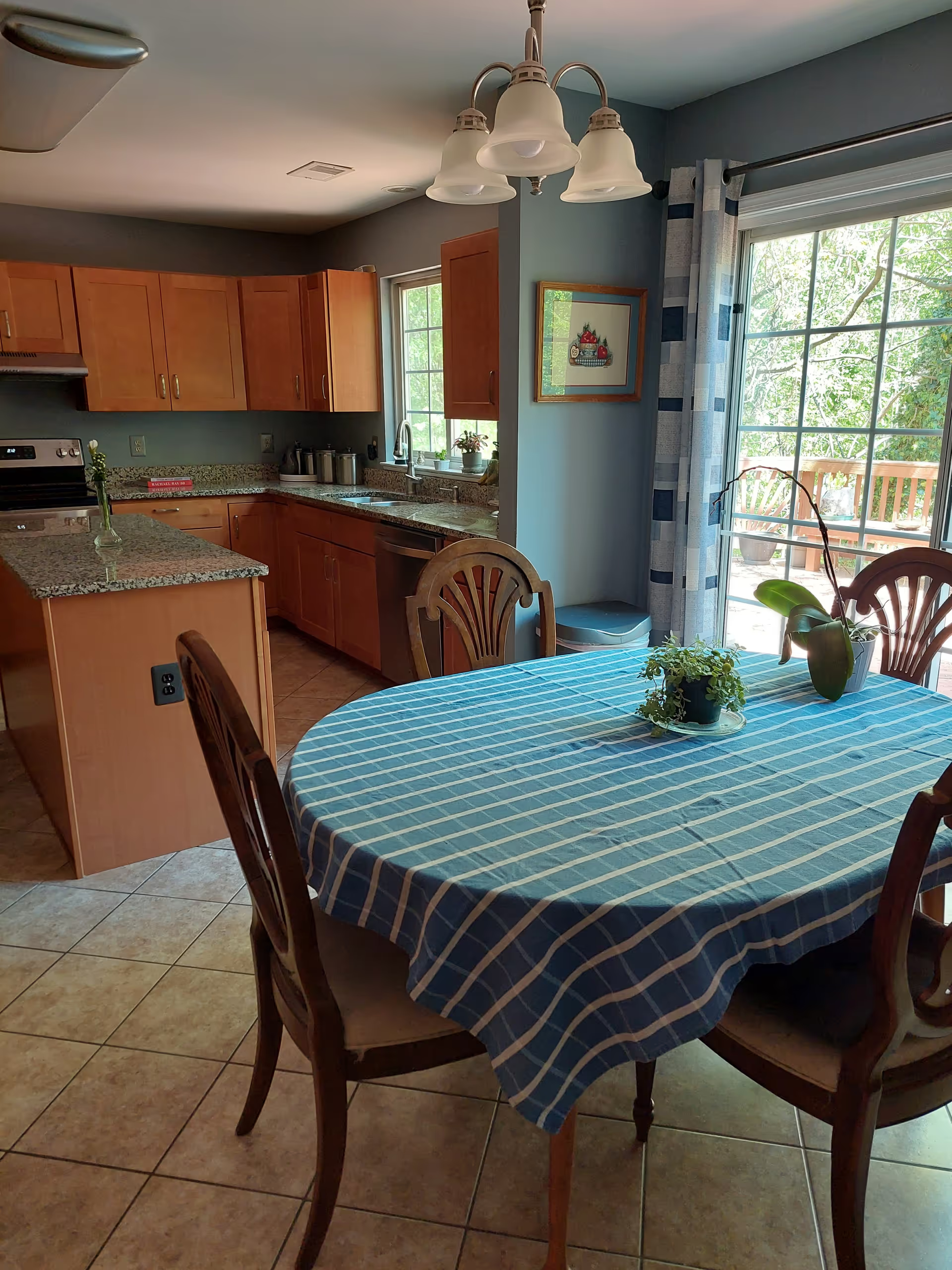
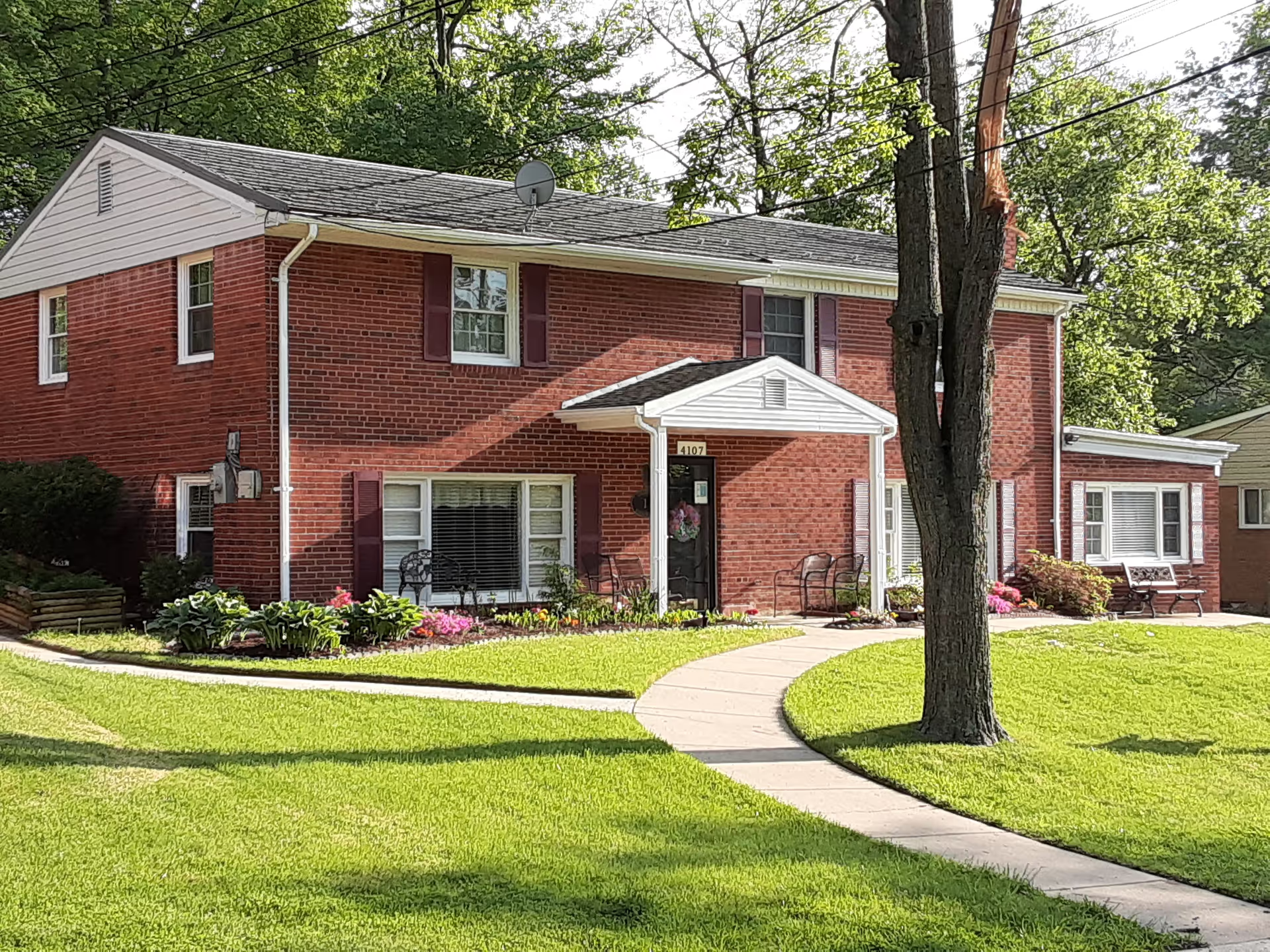
Pineview Manor Extended Care presents a mixed picture across reviewer accounts. Several families and visitors praised recently renovated areas, clean and well-decorated common spaces, and cordial front-desk interactions. Multiple comments also highlight dedicated clinical staff and volunteers who provide compassionate bedside attention, and some reviewers described effective rehabilitation outcomes and moments of high clinical skill. The facility maintains explicit COVID-19 visitation and screening procedures, which some families found reassuring.
However, recurring operational concerns are prominent. Staffing inconsistency and turnover were frequently described, with weekend and after-hours coverage noted as particularly limited. These staffing gaps correlate with repeated accounts of delayed response times to calls for assistance, inconsistent bathing and continence care, and variability in how promptly clinicians escalate or address urgent changes in condition. Several reviewers described short or perfunctory therapy sessions and uneven rehabilitation follow-through, suggesting service variability between clinicians and shifts.
Clinical practice and safety patterns warrant careful scrutiny. Reviewers raised issues around hygiene and infection-control practices, inconsistencies in medication administration and documentation, and specific problems managing enteral feeding protocols. There are also descriptions of gaps in wound and skin-care management, inconsistent use of pressure-relief equipment, and situations where families perceived inadequate clinical escalation leading to emergency care. One serious allegation concerned feeding-tube management linked to infection; families should treat such accounts as a signal to review the facility's clinical protocols and oversight before placement.
Dining and nutrition were highlighted as another area of variability. Some residents experienced appetizing meals, while others described meals that were cold or not appropriate for prescribed diets (for example, hypertension or diabetes). Late-evening snack routines and consistent food presentation appeared unreliable. Facility maintenance and physical plant issues were also mentioned: renovated rooms were appreciated, but older wings reportedly have infrastructure shortfalls such as elevator problems, harder mattresses, and intermittent odor concerns in some areas.
Communication and management responsiveness emerged as consistent themes. Families cited instances of limited transparency (difficulty obtaining medical records, transfers without clear family discussion), staff entering rooms without following preferred privacy protocols, and slow or dismissive responses from leadership when concerns were raised. Conversely, some families praised individual nurses and clinical staff for warmth and clinical competence. This pattern suggests variable performance that may depend heavily on specific staff members and shifts.
Recommendations for prospective residents and families: conduct an in-person tour during multiple times of day, inquire about staffing ratios (including weekends and nights), request written policies on medication administration and enteral-feeding management, review infection-control and wound-care protocols, observe a meal service, and ask how the facility communicates clinical changes and provides copies of medical records. Given the mixed feedback, careful verification of protocols, staff stability, and leadership responsiveness will be important when evaluating Pineview Manor for short-term rehabilitation or long-term placement.