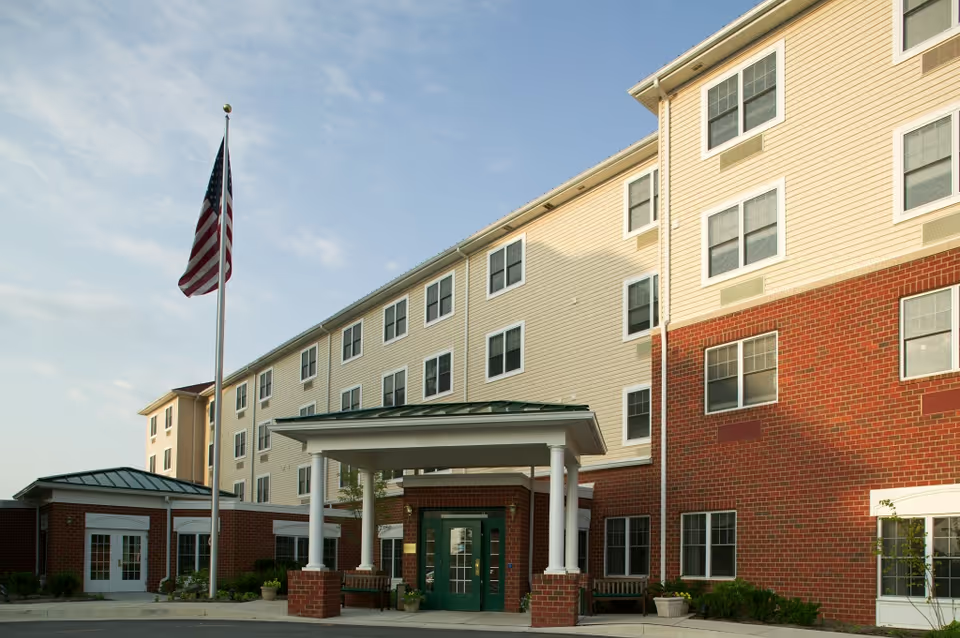
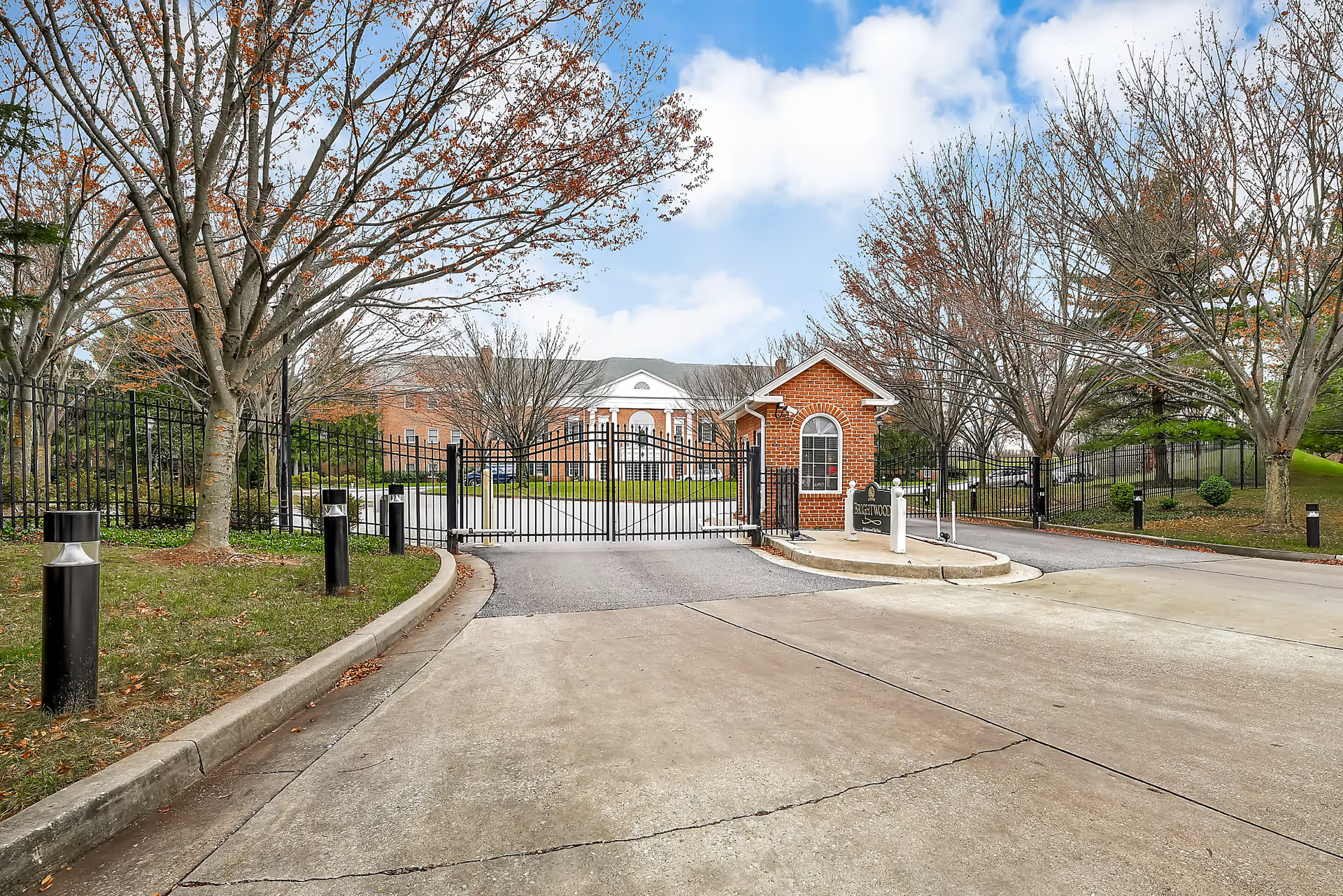
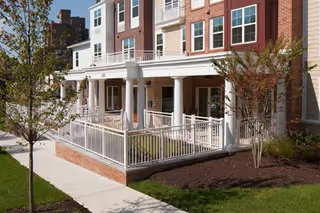
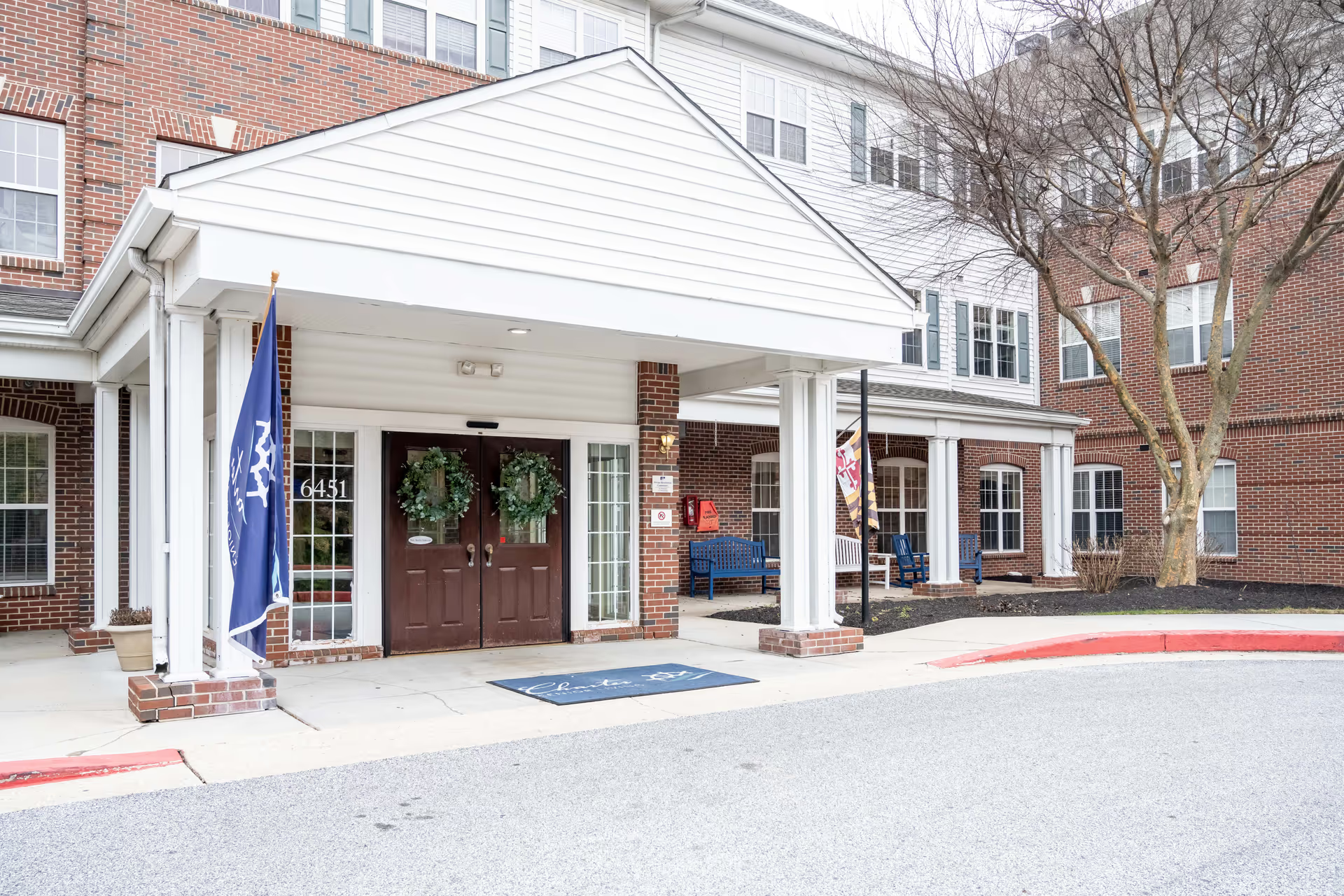
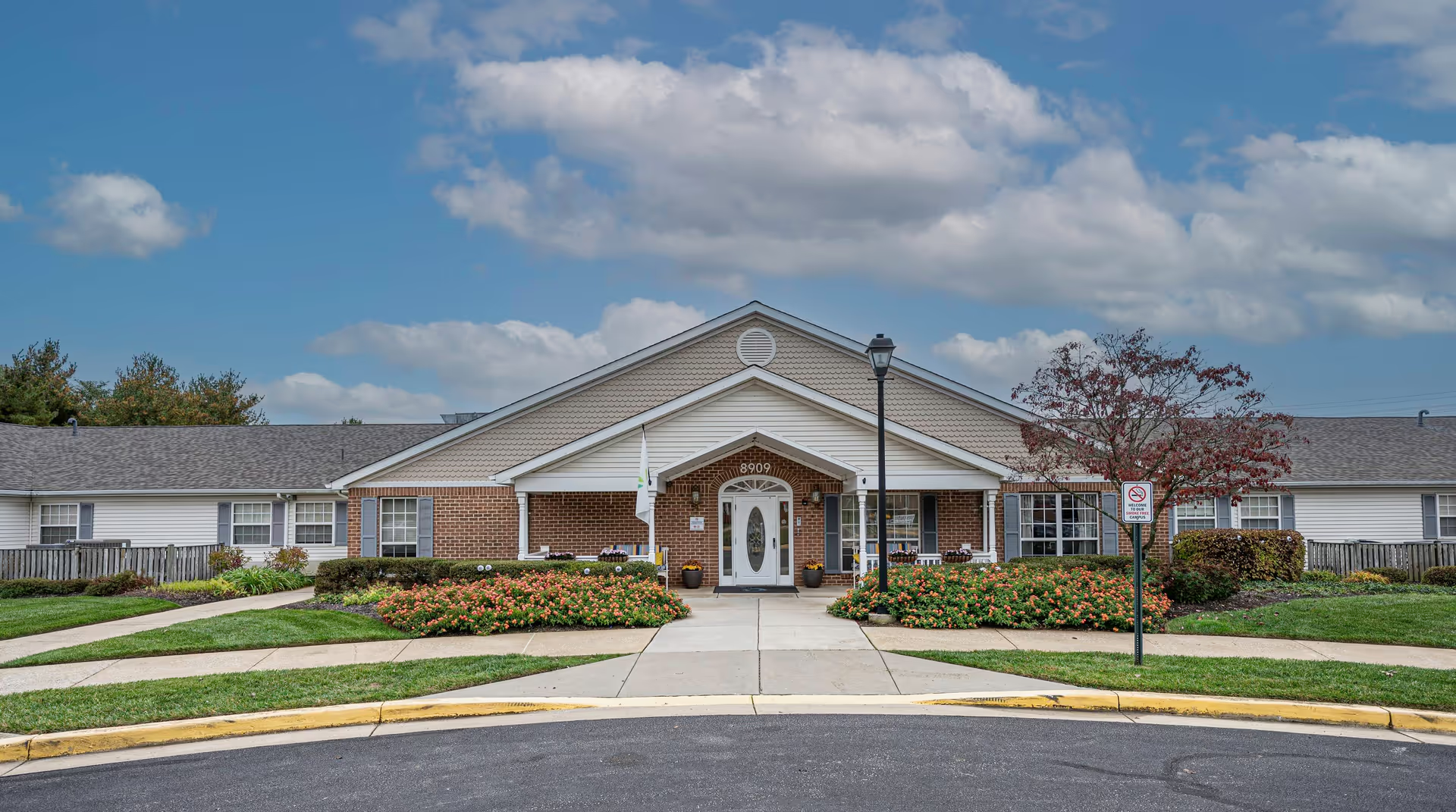
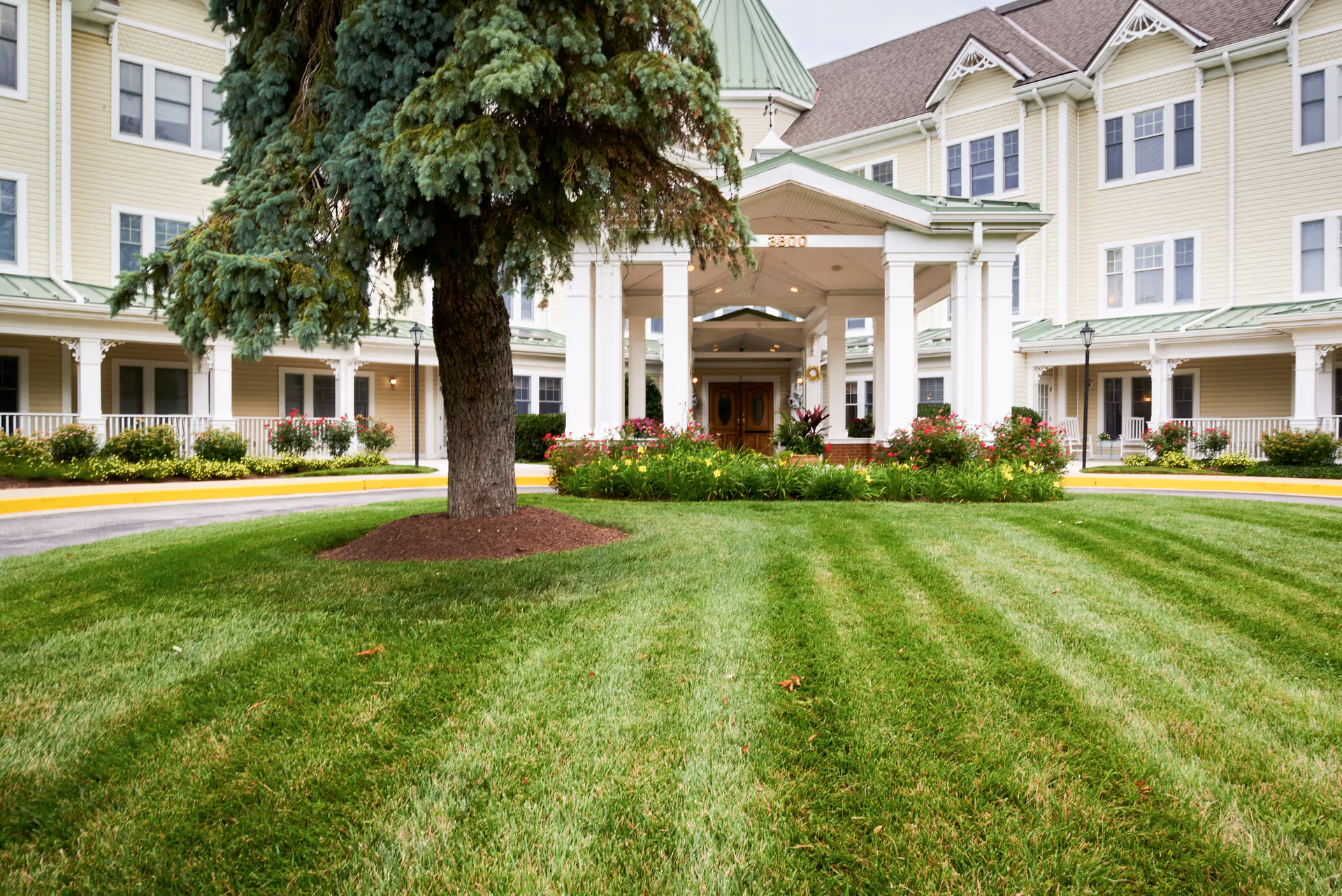
Brightview Hunt Valley is consistently described as a compact, single-building community with an attached memory-care neighborhood and thoughtfully designed common spaces. Reviewers highlight an elegant interior, well-maintained units and grounds, and both indoor and outdoor courtyard gardens. The facility’s physical layout — including a looping floor plan for safe walking, elevators, and ample visiting areas — is frequently cited as conducive to safe ambulation and family interaction.
Staff quality is the most prominent strength. Multiple accounts emphasize warm, personalized caregiving, strong memory-care leadership, and capable med-tech support. Families report that residents appear safe, active, and engaged; team members are characterized as personable, professional, and helpful during move-in and transitions. The community’s smaller population and communal atmosphere are linked to high resident engagement and a supportive social environment.
Programming and amenities receive positive attention. The Vibrant Living activities calendar is described as engaging and varied, and dining receives favorable comments for quality and enjoyment. Cleanliness and overall facility condition are noted as strengths, and the availability of communal spaces supports an active, social lifestyle.
Operational patterns worth investigating for prospective residents and families revolve around logistics, communication, and financial transparency. Transportation services are limited: staff do not accompany residents on some outings, and family or friends are often required to escort residents. Reviewers also describe inconsistent scheduling and occasional last-minute transport changes. Several comments point to gaps in the intake assessment and in how care-escalation is handled when a resident’s needs change. Relatedly, a number of families cited poor communication about care and scheduling, and concerns about undisclosed billing items or unclear fee inclusions that affect perceived value.
Overall, Brightview Hunt Valley appears strong on caregiving, memory-care leadership, facility design, and resident engagement. The principal operational weaknesses involve off-site transportation policies, scheduling reliability, intake and escalation procedures, and billing transparency. Prospective families should verify transport protocols, ask for written explanations of what is included in monthly fees, review the intake and care-escalation workflow, and clarify communication expectations to ensure the community’s strengths match their priorities.