The overall tenor of the reviews is highly favorable, emphasizing a placement and care team that prioritizes rapid response, individualized matching, and close family communication. Reviewers consistently highlight strengths in emergency placements, detailed pre-referral assessment, and hands-on coordination with discharge-planners and clinicians. Families describe a high degree of follow-up after placement, complimentary transportation when needed, and a general sense of reassurance and peace of mind following placement decisions.
Care quality is presented as attentive and clinically-aware. Reviewers cite timely medication administration, delegated nurse visits, and prompt physician coordination. The placement team is described as understanding medical needs and budget constraints, vetting options to fit clinical requirements. The combination of clinical experience and active post-placement contact suggests a model that emphasizes continuity from referral through early residence adaptation.
Staff and culture are among the most frequently praised aspects: descriptors include compassionate, professional, responsive, and family-like. Several reviews single out specific staff for going beyond typical duties and maintaining regular communication with families. This pattern indicates a strong customer-service orientation and a workforce inclined toward personalized attention and emotional support for residents and families.
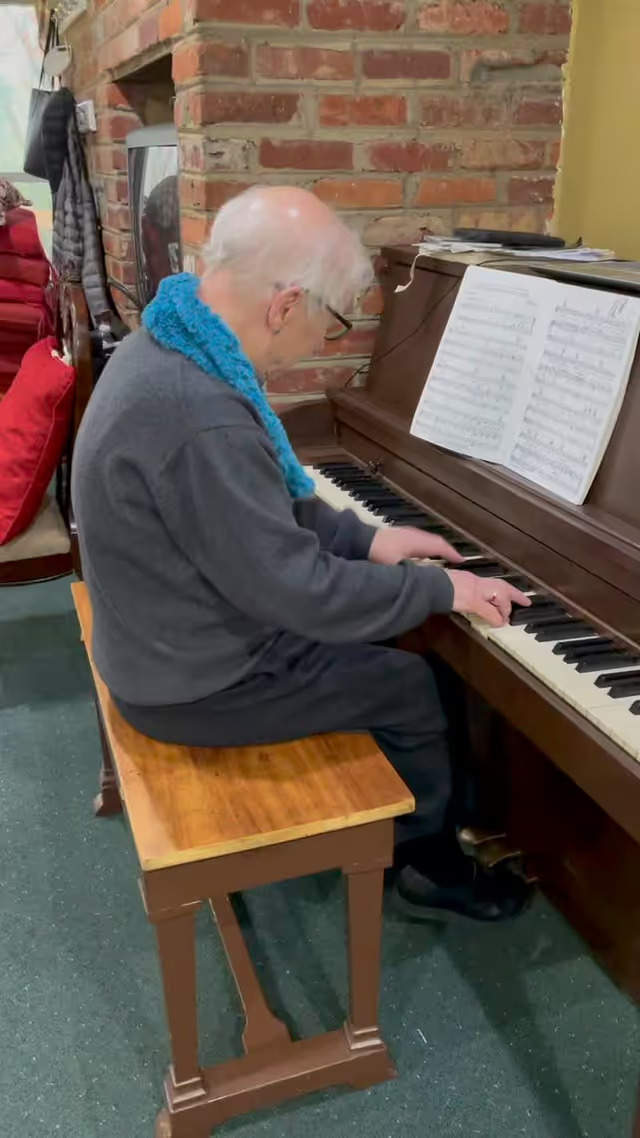
Dining and activities are less consistently detailed in the material provided. There are positive mentions of on-time meals and examples of staff preparing residents' favorite dishes, which suggest attention to individual preferences. However, reviewers provide limited information about menu variety, formal dining quality, or the scope and frequency of organized activities and social programming. Prospective families seeking robust activity calendars or detailed nutritional plans will likely need to request those specifics directly.
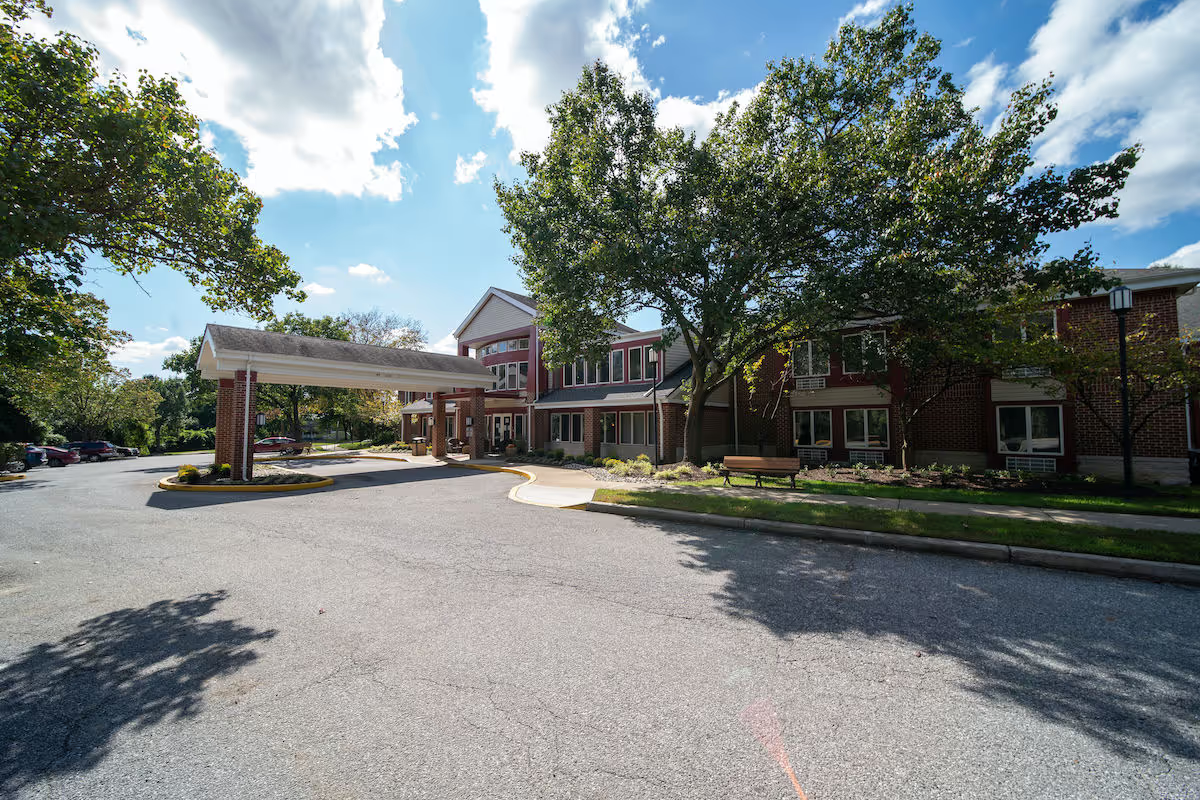
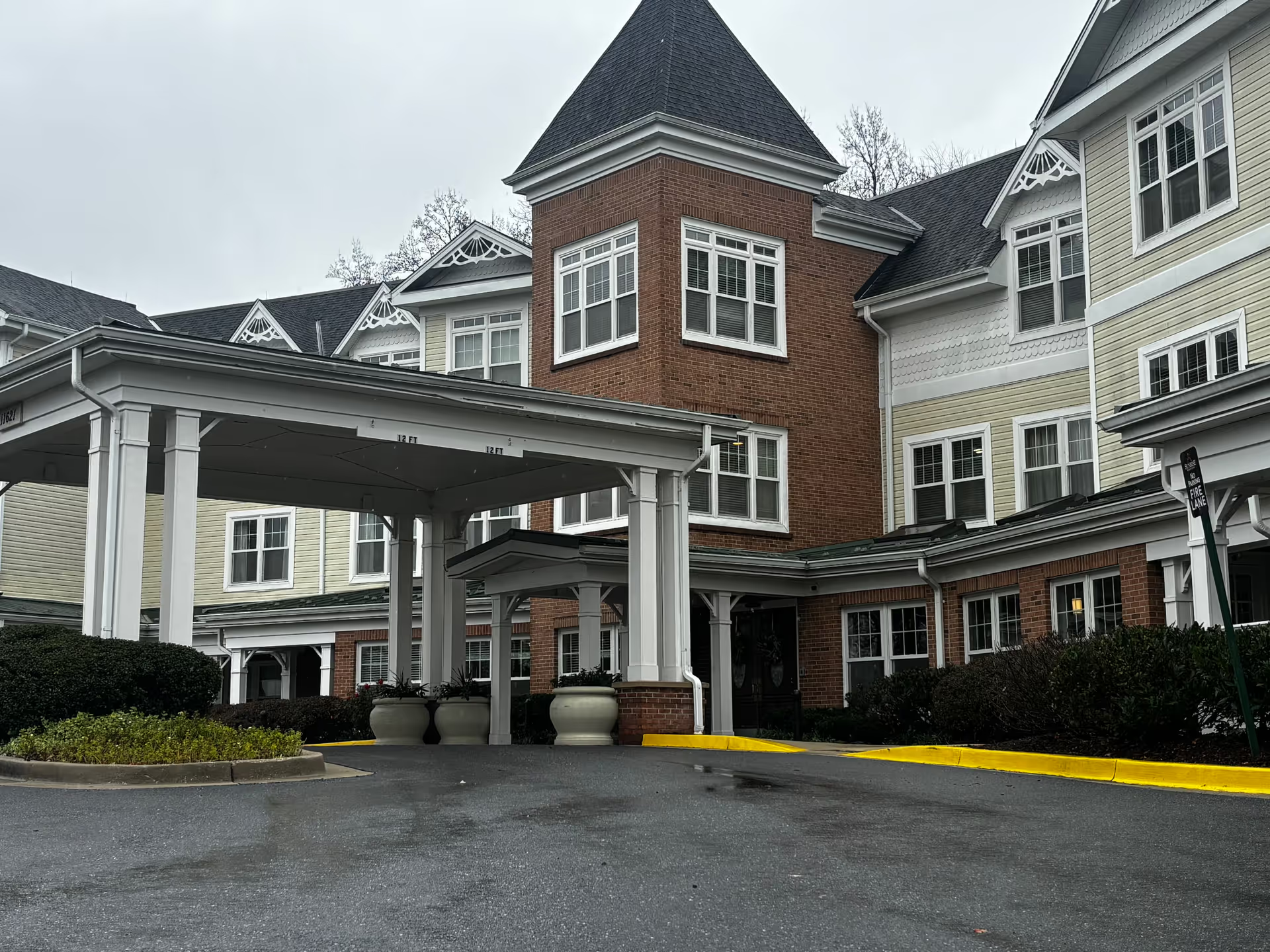
Facilities and management are portrayed as organized and effective at placement logistics. The agency's coordination role — arranging tours, handling paperwork, and facilitating transitions — is a recurrent strength. At the same time, the reviews imply two operational caveats: a strong dependence on a small number of highly regarded staff members (which creates potential continuity risk if those individuals are unavailable), and an operational emphasis on rapid placement. The latter is generally framed positively but could occasionally trade off exhaustive comparison of alternatives.
For prospective residents and families, the pattern points to an agency and associated facilities that perform well in crisis response, personalized matching, and family communication. Recommended due diligence would include asking for current activity schedules, sample menus and nutrition oversight, staff-stability metrics (shift coverage, turnover), and clarifying how clinical oversight is maintained long term. Overall, the materials portray a reliable, compassionate placement and care partner, with specific areas—activity programming, dining detail, and staffing continuity—that merit direct inquiry during tours or consultations.