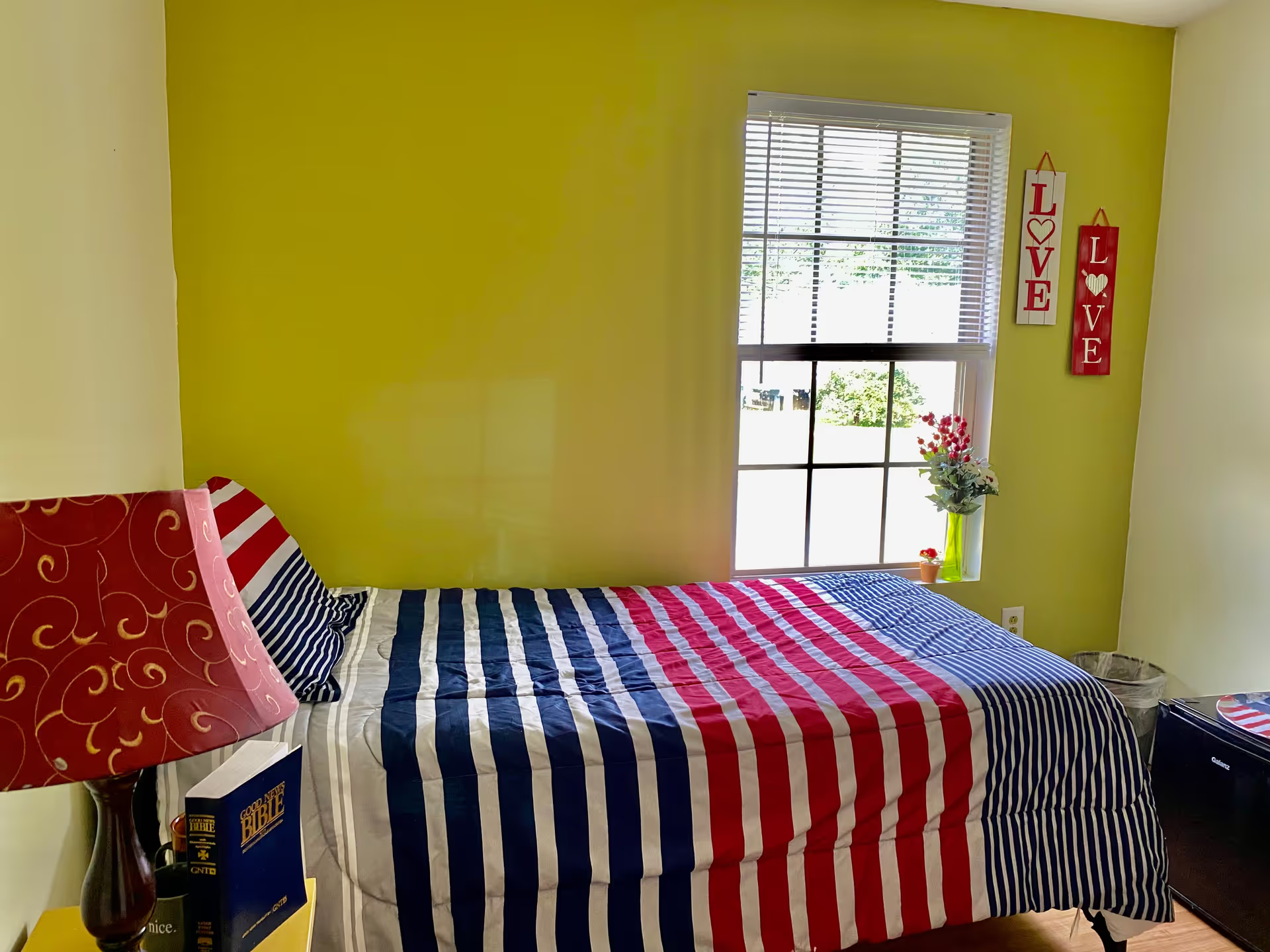
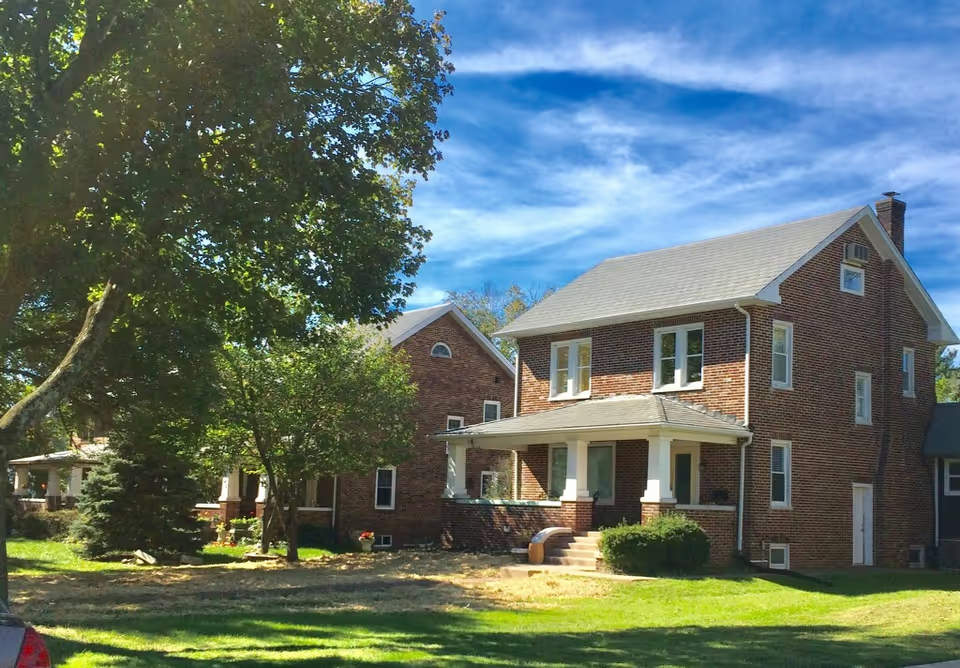
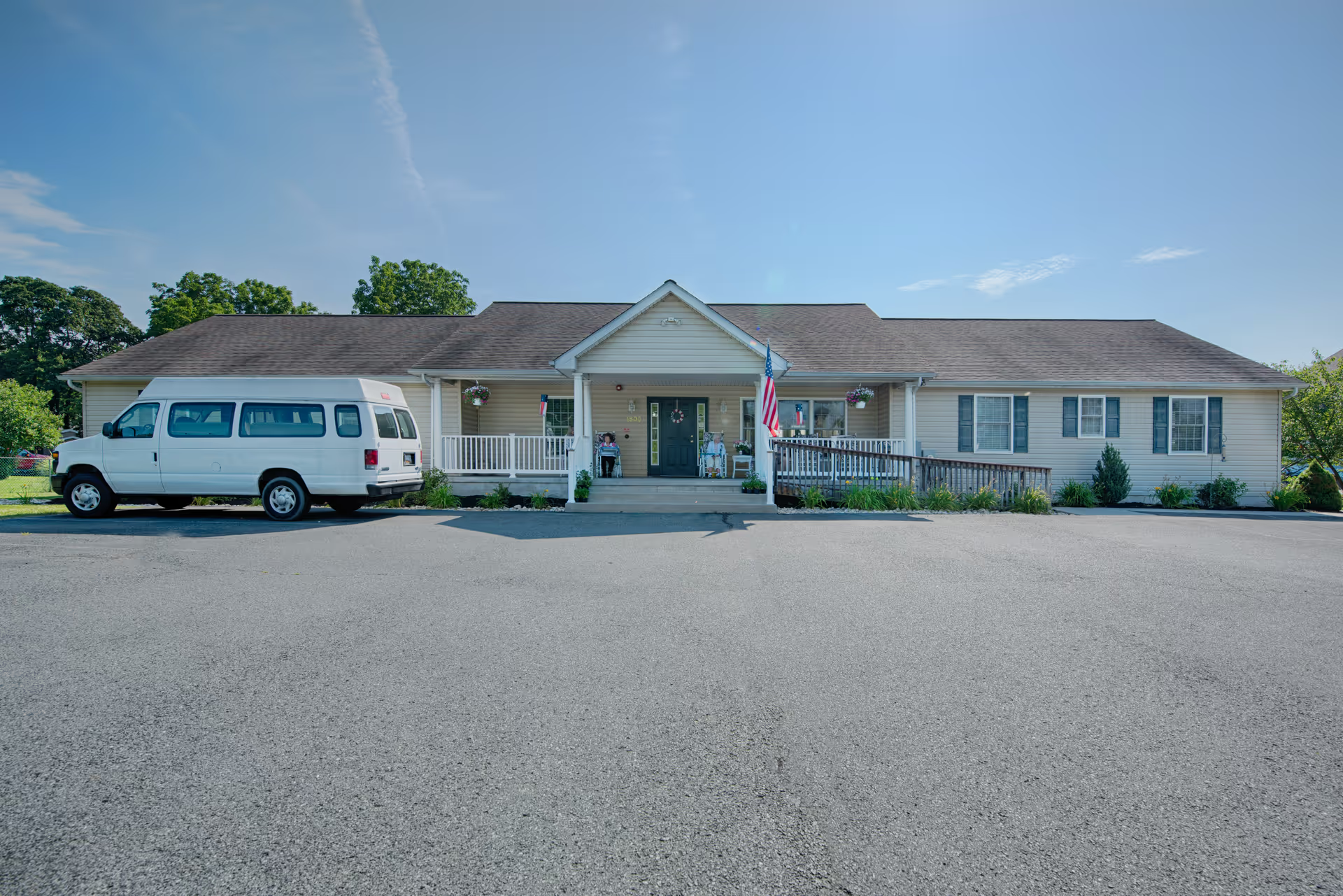
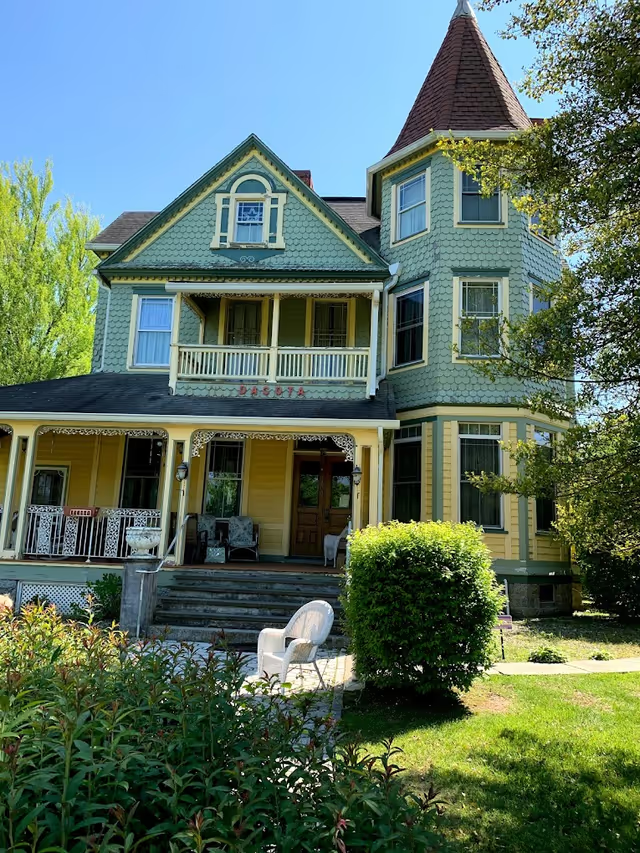
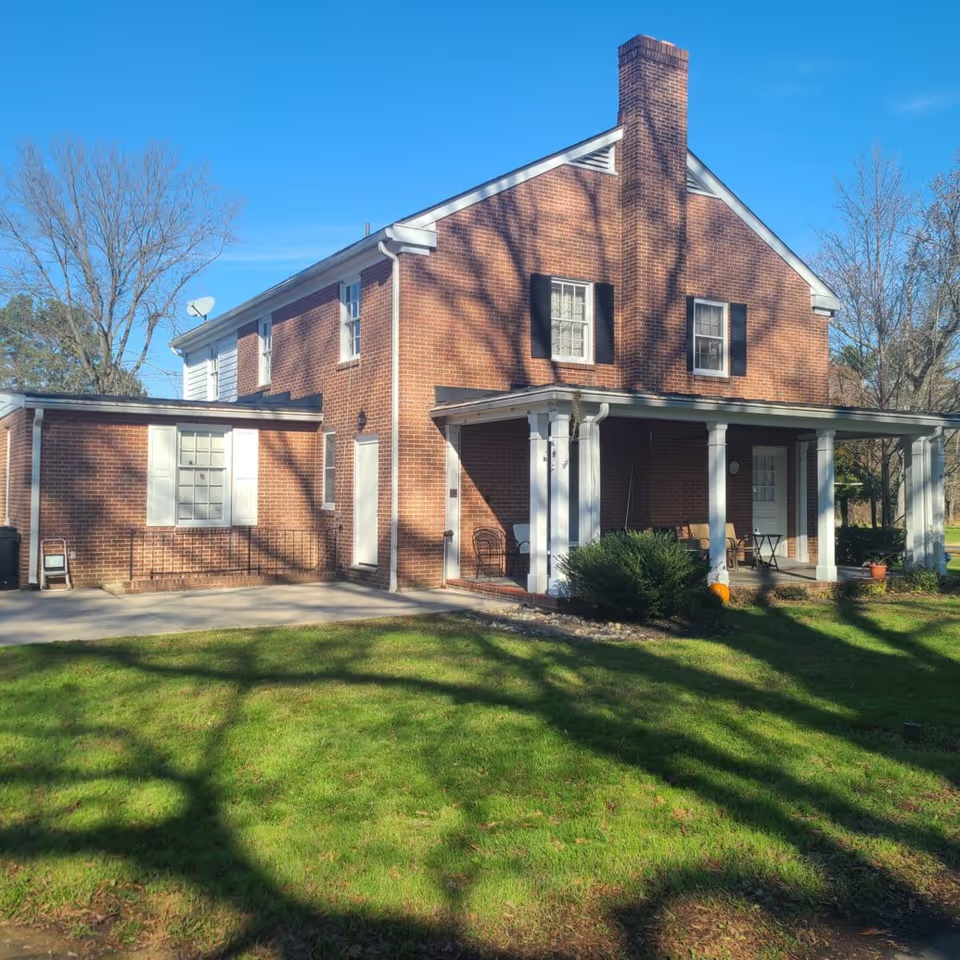
Overall impression: Pear Tree Manor appears to be a small, homelike long-term care setting with several strengths in day-to-day caregiving and clinical oversight. Families describe a clean, welcoming interior and a consistently friendly atmosphere. The facility's small scale and converted-house layout contribute to a residential feel rather than an institutional one; that environment is appealing to relatives who emphasize individualized attention.
Care quality and clinical services: Clinical supports are evident in the reviews. The facility maintains 24-hour on-site staffing and an identified nurse supervisor, and rehabilitative care is available through regular physical-therapy visits. There is also coordination for VA hospital transport, which suggests experience working with veteran residents and external care partners. These elements indicate a baseline of continuous supervision and access to therapy services appropriate for many residents' needs.
Staff and management: Staff interactions are a consistent positive in the feedback. Caregivers are described as caring and responsive, and one or more individual employees were specifically praised for providing exceptional support to residents and families. At the same time, the facility's small scale appears to concentrate operational responsibility among a few people; reviewers indicate that a single staff member may lead much of the day-to-day work. That model can produce strong personal relationships but also creates potential vulnerability if key staff are absent or leave.
Activities and resident life: Organized outings, such as trips to Atlantic City and Baltimore museums, occur on occasion and are appreciated. However, the overall pattern points to limited on-site activity programming and a generally low level of resident mobility and engagement. Families and observers describe a largely sedentary environment for residents, so prospective families should ask about the current activity schedule, opportunities for individualized engagement, and strategies to promote mobility and socialization.
Facilities and accommodations: The converted-house setting is consistently described as clean and homelike, offering a quieter, more residential alternative to larger facilities. It is not described as a top-line, high-amenity facility; shared rooms are part of the accommodation mix and privacy may be more limited than in larger communities. Prospective residents should evaluate room configurations and amenity expectations in person.
Dining and other services: Review material does not emphasize dining quality or menu variety, so there is limited direct information available. Families considering the facility should request sample menus, meal-service details, and any options for special diets to confirm fit.
Notable patterns and recommendations: The dominant themes are strong personal care and clinical oversight within a modest, home-like setting, coupled with limited activity programming and reliance on a small staffing core. For families seeking close, compassionate caregiving and a quiet residential environment, Pear Tree Manor may be a good match. Those who need robust activity schedules, private rooms, or higher-end amenities should verify these areas during a visit. Additionally, asking about contingency staffing plans and how the facility maintains engagement and mobility for residents will help assess operational resilience and quality of life programming.