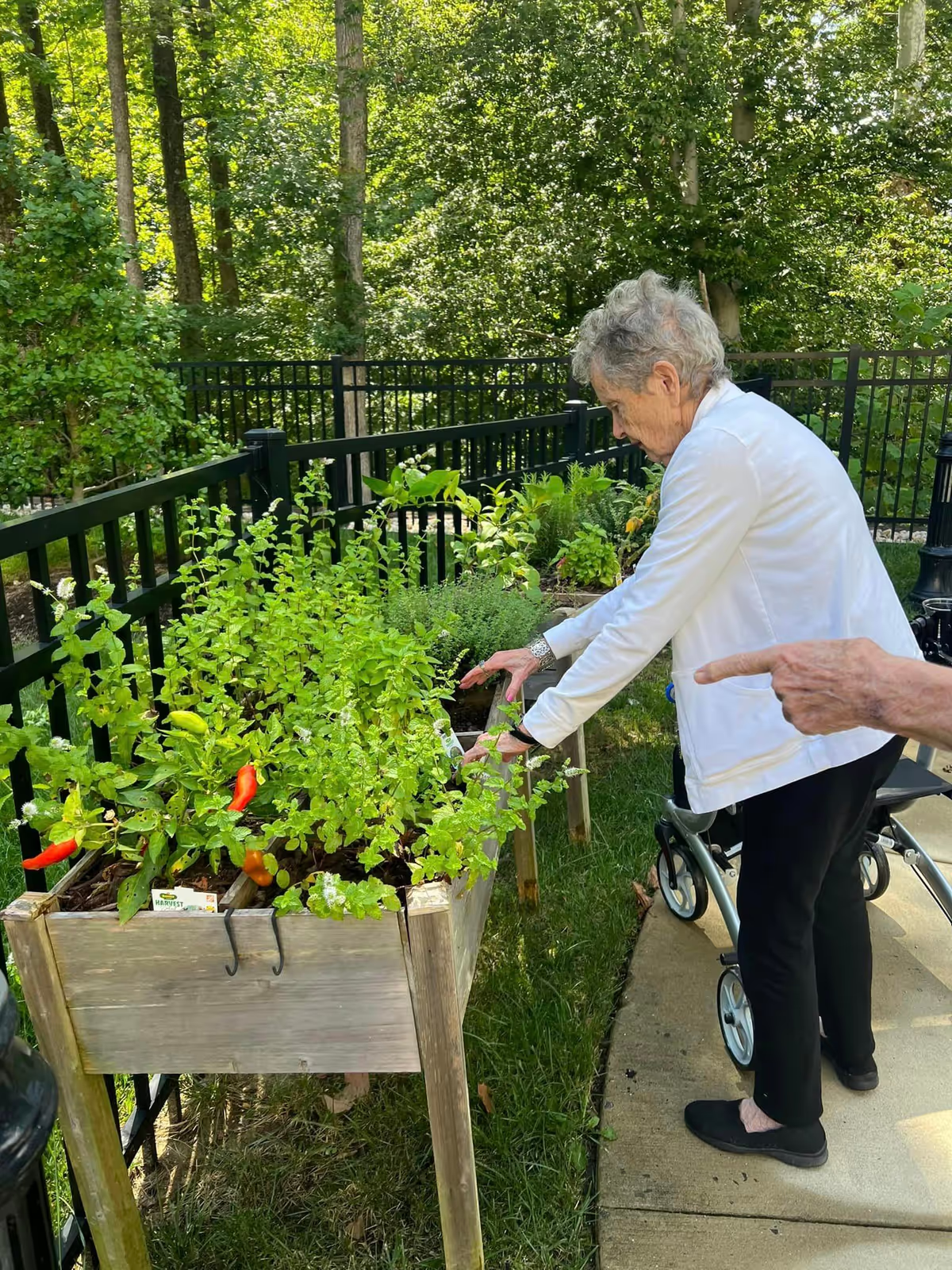
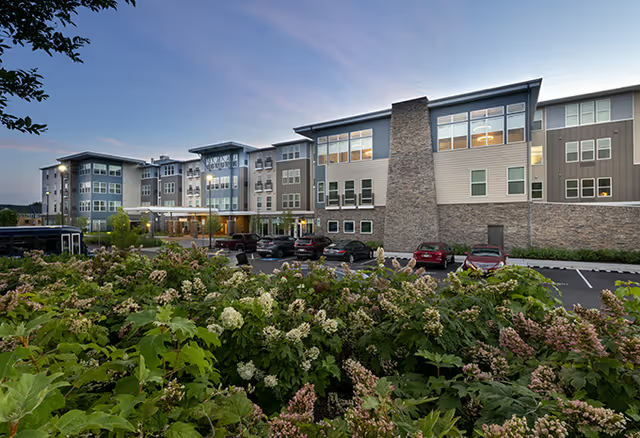
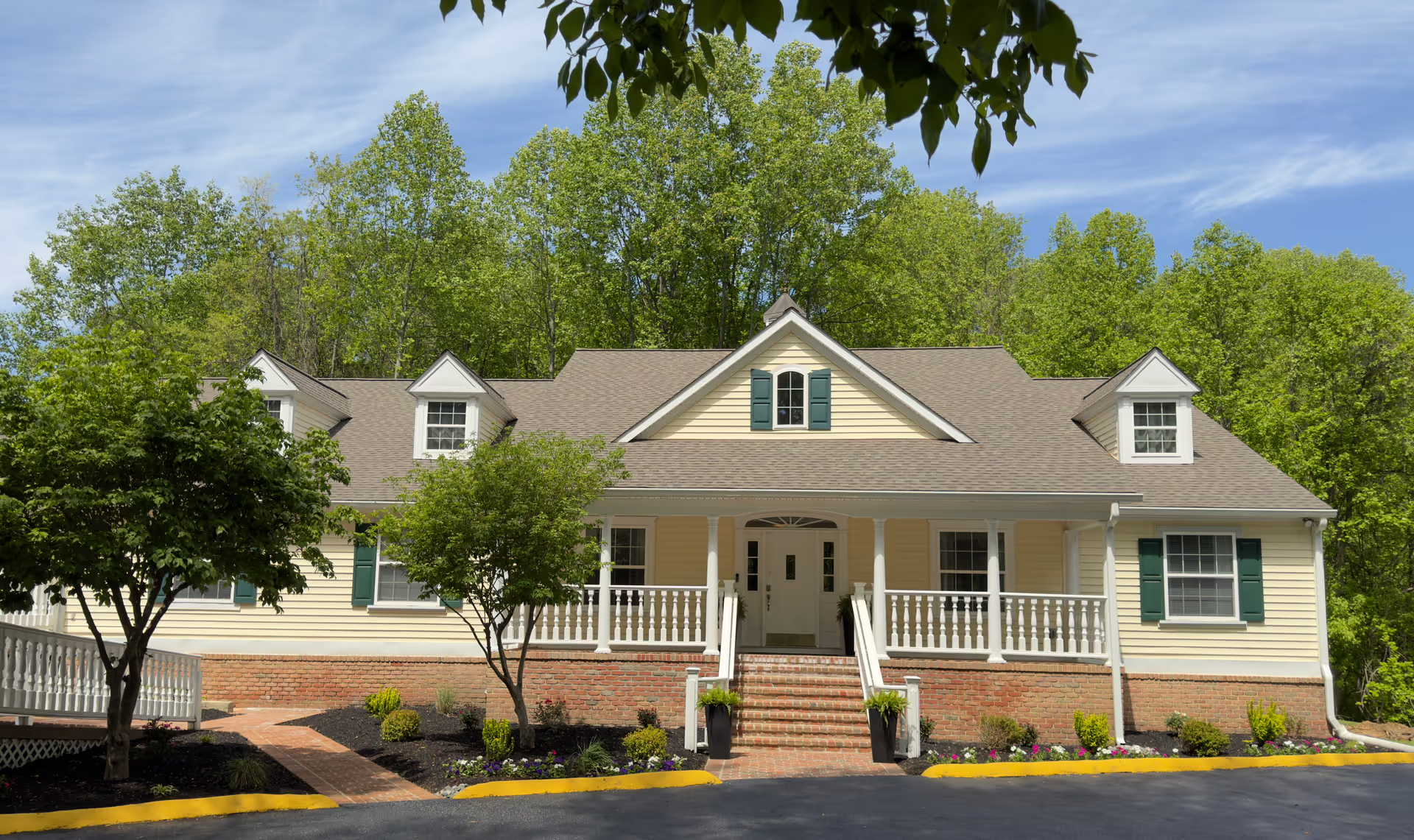
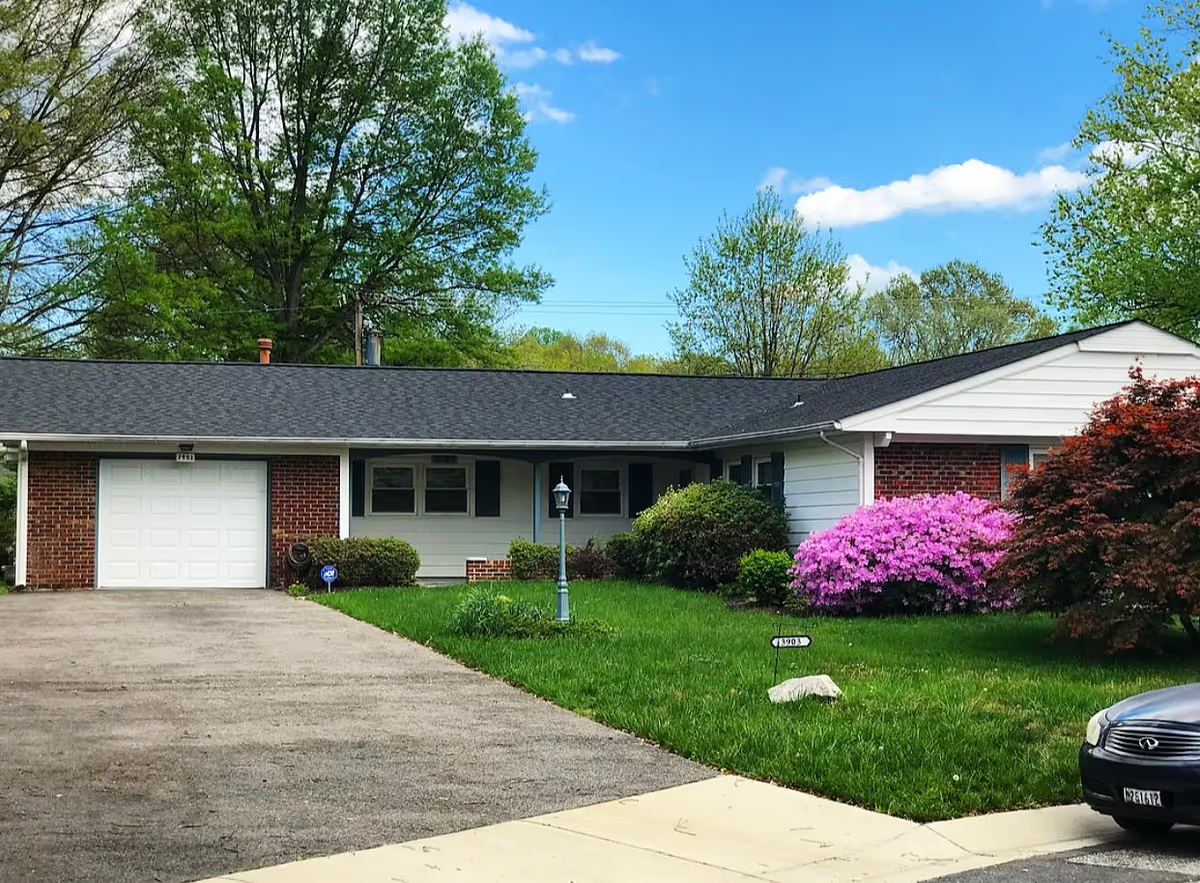
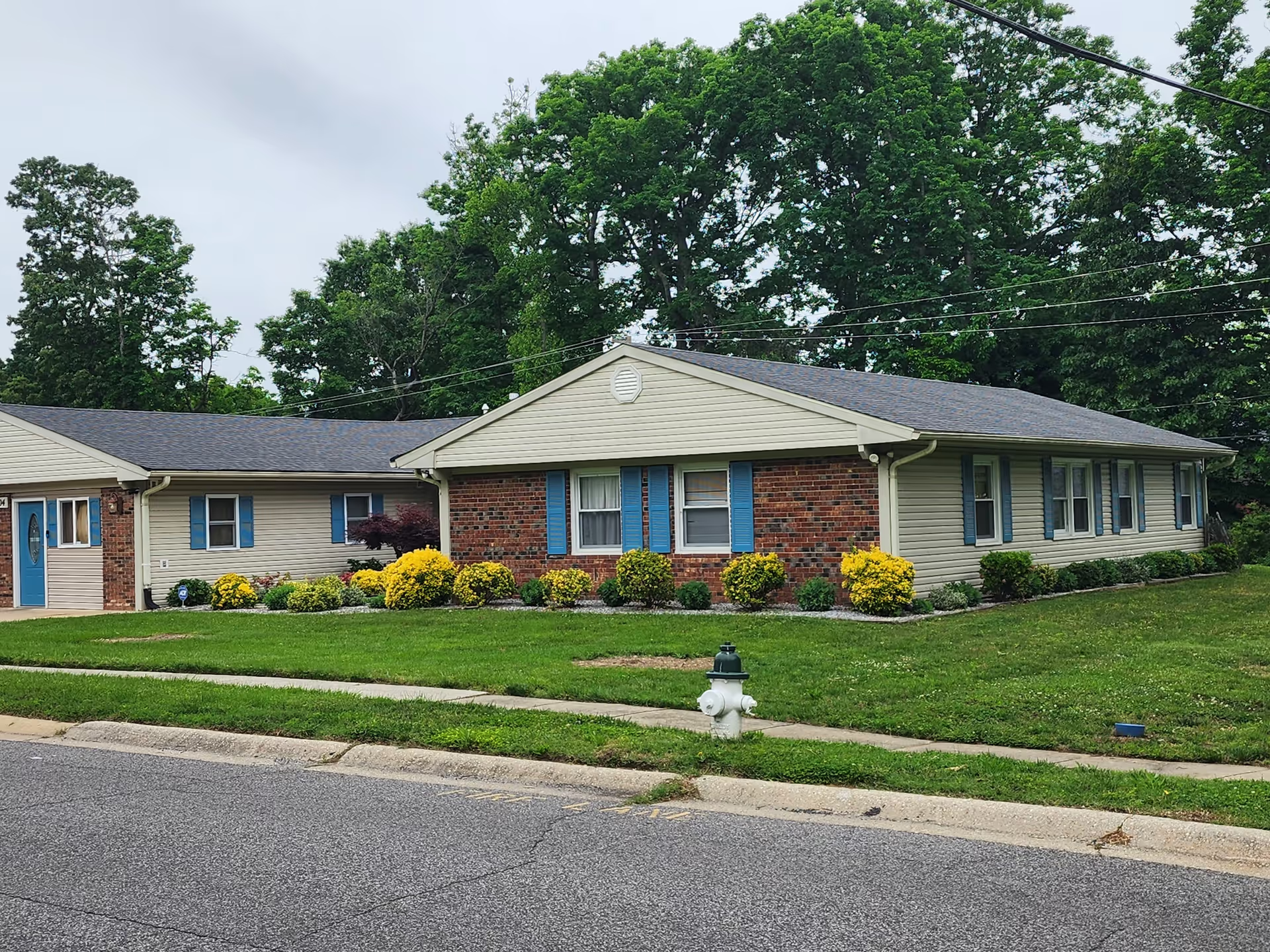
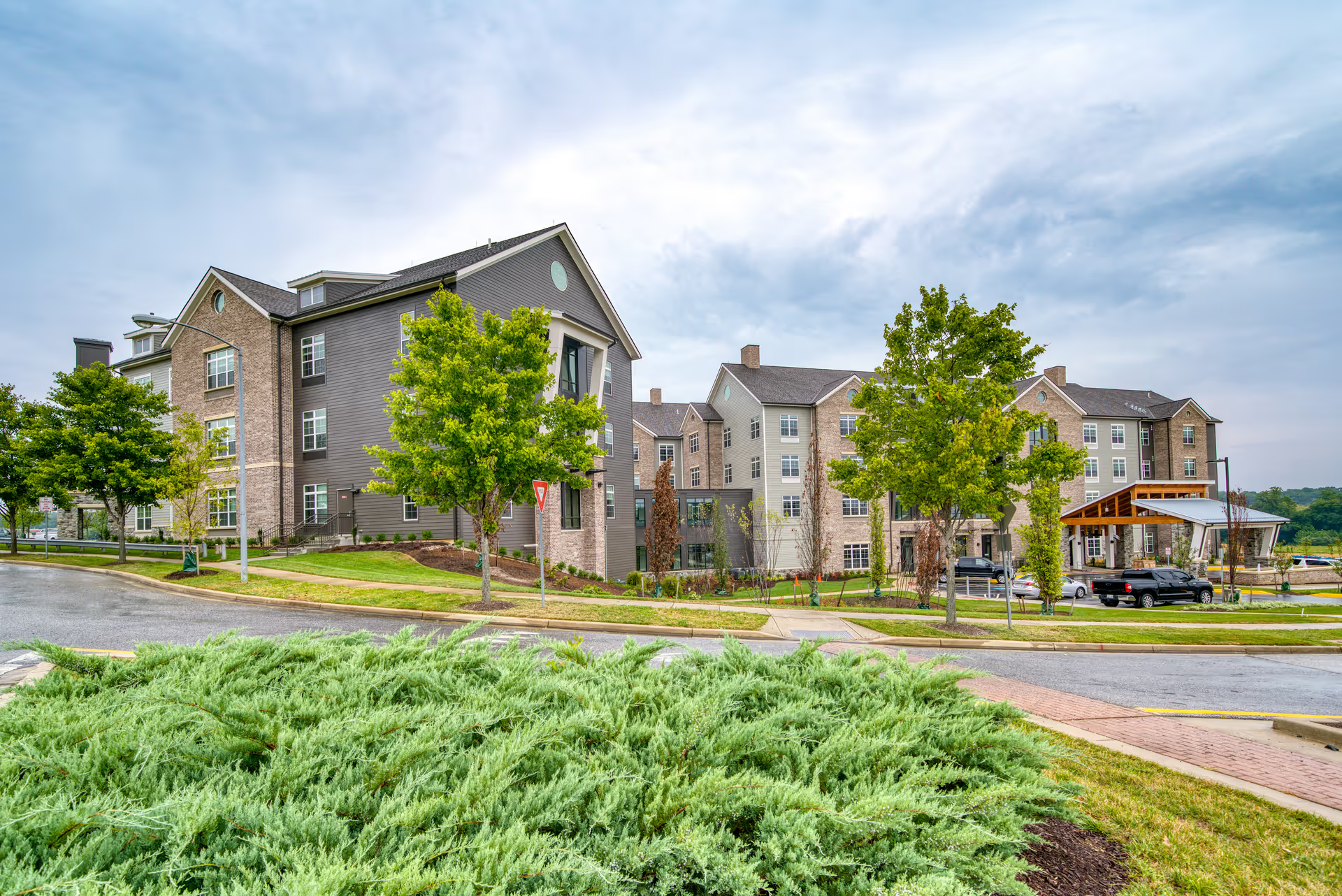
Spring Arbor of Crofton is consistently described as a modern, apartment-style assisted living community with many facility strengths: large units with kitchenettes, spacious bathrooms, attractive common areas, a salon, and a well-kept outdoor courtyard. Numerous accounts emphasize a home-like atmosphere and a high standard of cleanliness in the newer sections of the campus. The community offers 24/7 nursing coverage, three meals daily with menu choices, and an engaged dining team that many families praise.
Staff quality is a central theme. A large portion of feedback highlights compassionate, personable caregivers who learn residents’ names and provide individualized engagement. Several reviewers commend seamless transitions into memory care, continuity of care when residents change levels, and staff-led programming that supports physical, social, and cognitive stimulation. At the same time, there is a recurrent contrast: praise for standout caregivers and activity staff alongside reports that staffing levels and training are uneven, which some reviewers view as contributing to care variability.
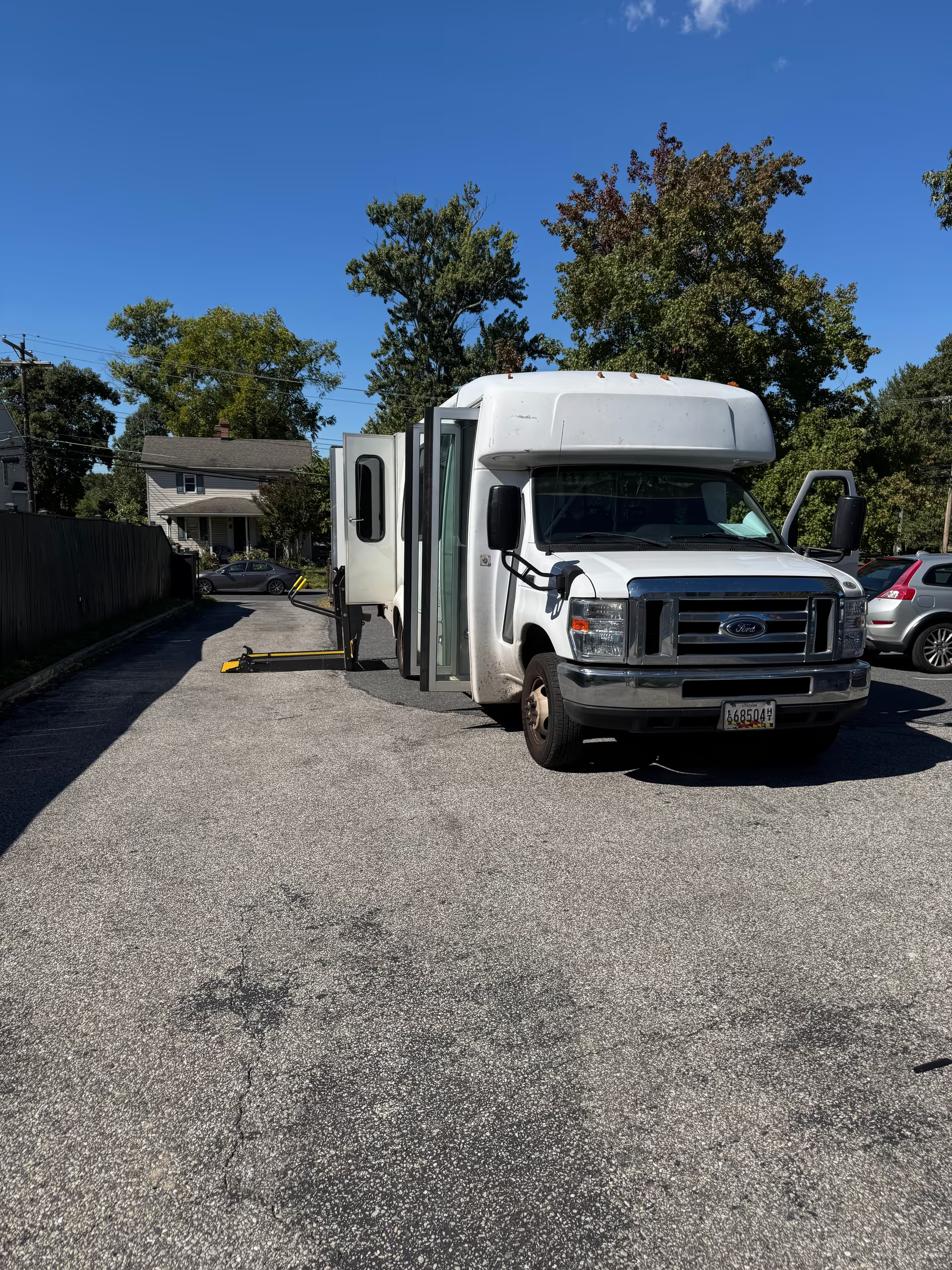
The activity program and resident life are frequently described as robust. Offerings include exercise classes, walks, arts and crafts, music and jazz events, movie nights, happy hours, holiday parades, and scheduled off-site restaurant outings with transportation. Families note active calendar management, frequent communications (including photos and texts), and a culture of family-oriented events that enhance social engagement.
Operationally, several patterns of concern emerge. Multiple accounts point to inconsistent staffing coverage and gaps in training or clinical competency, and there are specific mentions of medication- and care-management errors. Relatedly, reviewers describe variability in personal-care routines (for example, bathing and clothing changes) and uneven sanitation practices across units. Family-access and legal-recognition processes are another area of tension for some families: a subset of accounts raise serious concerns about how visitation, power-of-attorney recognition, and documentation are handled. These issues suggest the facility’s operational policies and communication practices may be applied inconsistently in certain situations.
Management impressions are mixed. Many families praise attentive directors, proactive communication, and teams that go above and beyond; others describe management opacity, enforcement decisions that families found confusing or distressing, and occasional leadership absences that impacted operations. Pricing is mentioned as relatively high by some families, which may be a consideration given the variability described in staffing and clinical practices.
For prospective residents and families: the community offers a strong physical environment, an active life-enrichment program, and many highly regarded caregivers and clinical staff. At the same time, there are discernible operational risks related to staffing consistency, training, clinical-safety processes, and family-access/documentation policies. When evaluating Spring Arbor of Crofton, it would be prudent to ask specific, documented questions about staffing ratios and turnover, clinical incident protocols and medication-safety procedures, personal-care schedules, visitation and POA policies, and a clear fee/contract breakdown. Requesting recent references and observing staff–resident interactions during a visit can help clarify whether the facility’s strengths align with your priorities.