South River Healthcare Center elicits a strongly mixed set of impressions. Many families and former patients praised the facility’s rehabilitation program, several clinicians, and aspects of the admissions/front-desk experience; others described recurrent operational and clinical shortfalls. The overall picture is of a facility capable of delivering high-quality therapy and compassionate care in some cases, alongside persistent system-level weaknesses that produce widely varying experiences.
Care quality and clinical responsiveness: Reviewers repeatedly identified attentive, compassionate nurses and effective physical-therapy teams as clear strengths. At the same time, there are frequent descriptions of inconsistent nursing responsiveness, delayed medication administration, and prolonged waits for toileting or hygiene assistance. These are described as shift-dependent, with night coverage and weekend responsiveness commonly cited as weaker. Safety-management concerns — including falls-risk mitigation and transfer practices — were raised often enough to suggest gaps in protocols or staffing consistency.
Staffing, communication, and discharge planning: Front-desk and admissions personnel receive more positive commentary than some clinical staff; several accounts highlight helpful, organized admissions experiences and productive family meetings. However, many families reported poor communication from nursing leadership and social-work staff, missed or delayed calls, and inadequate or unsafe discharge planning. Transport coordination and appointment scheduling are recurring operational pain points, and the facility’s follow-through on discharge documentation and insurance coordination has been characterized as unreliable.
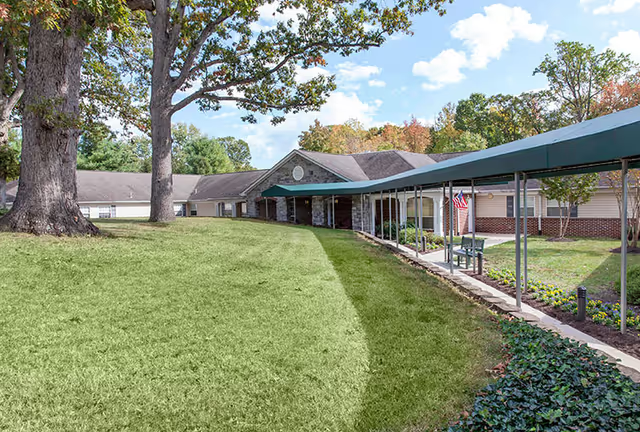
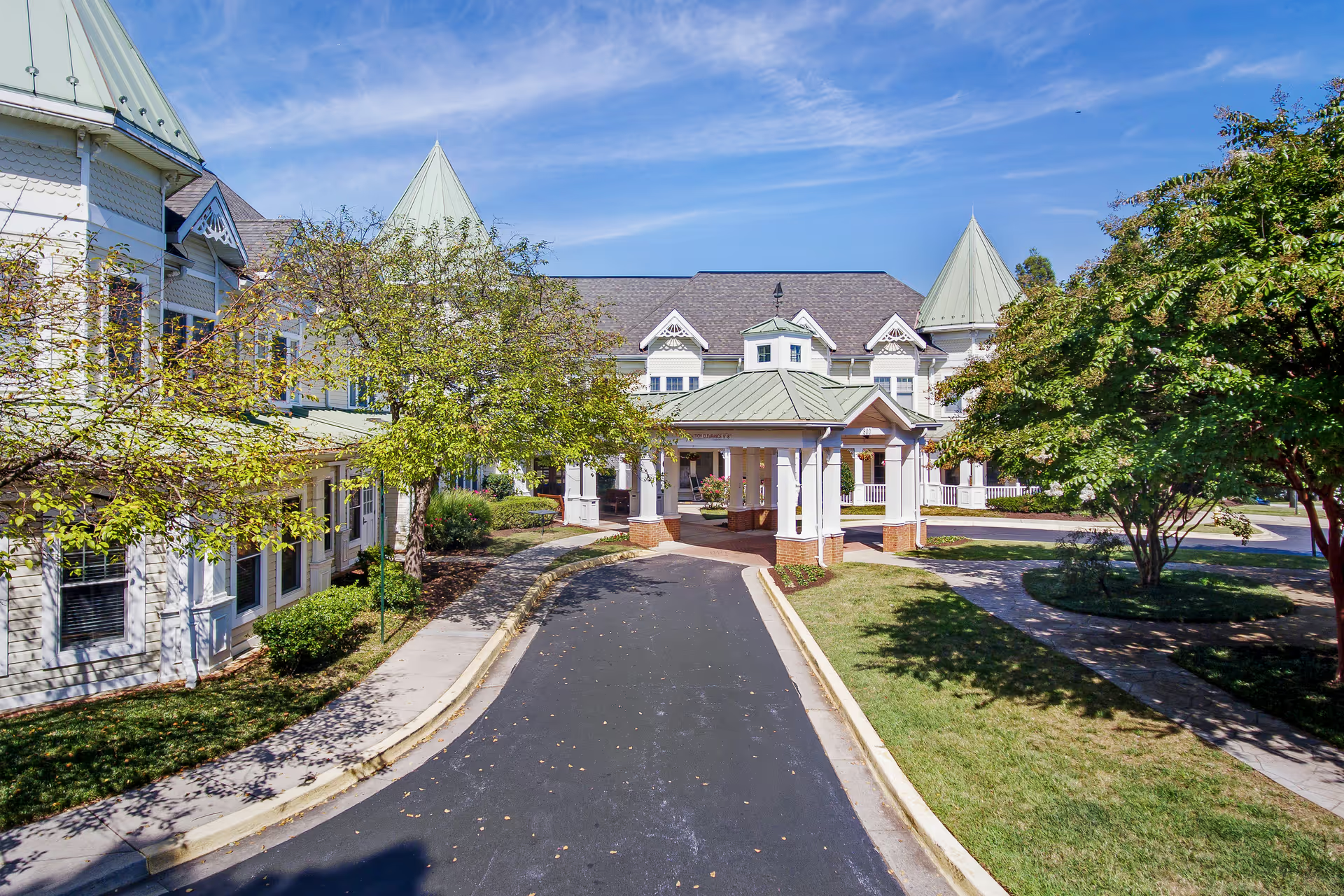
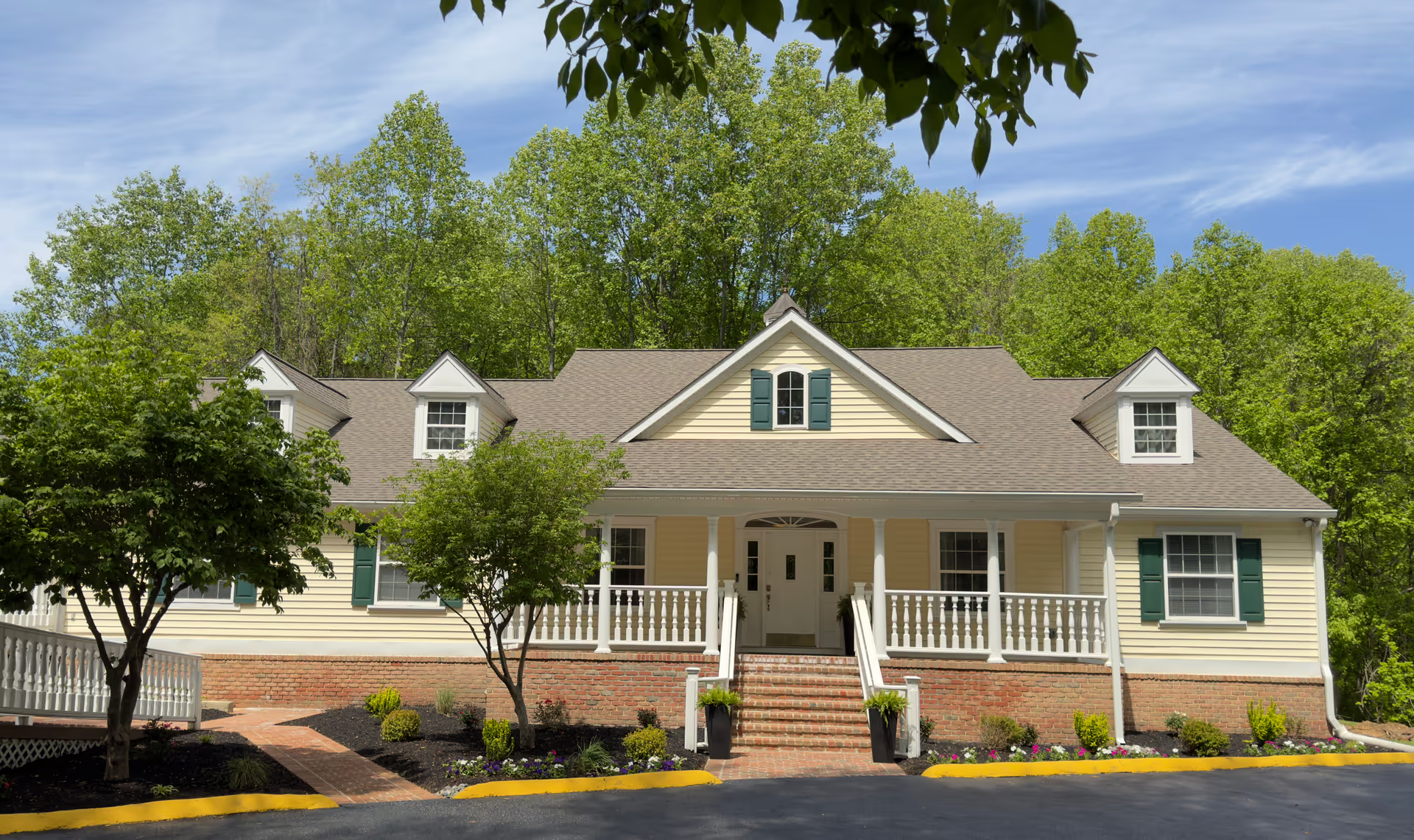
Dining and resident experience: Dining quality appears inconsistent. Positive comments note a warm, home-like atmosphere and personalized touches (decor, favorite snacks, support for religious rites). Conversely, other reports cite repetitive menus, cold or poorly timed meals, and inadequate assistance with dining setup. Activities and outdoor spaces — landscaped grounds, a deck with seating, and pet-friendly policies — are seen as assets for residents who are mobile and engaged.
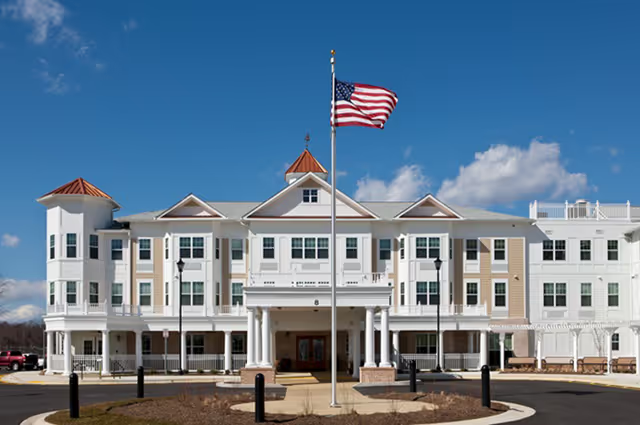
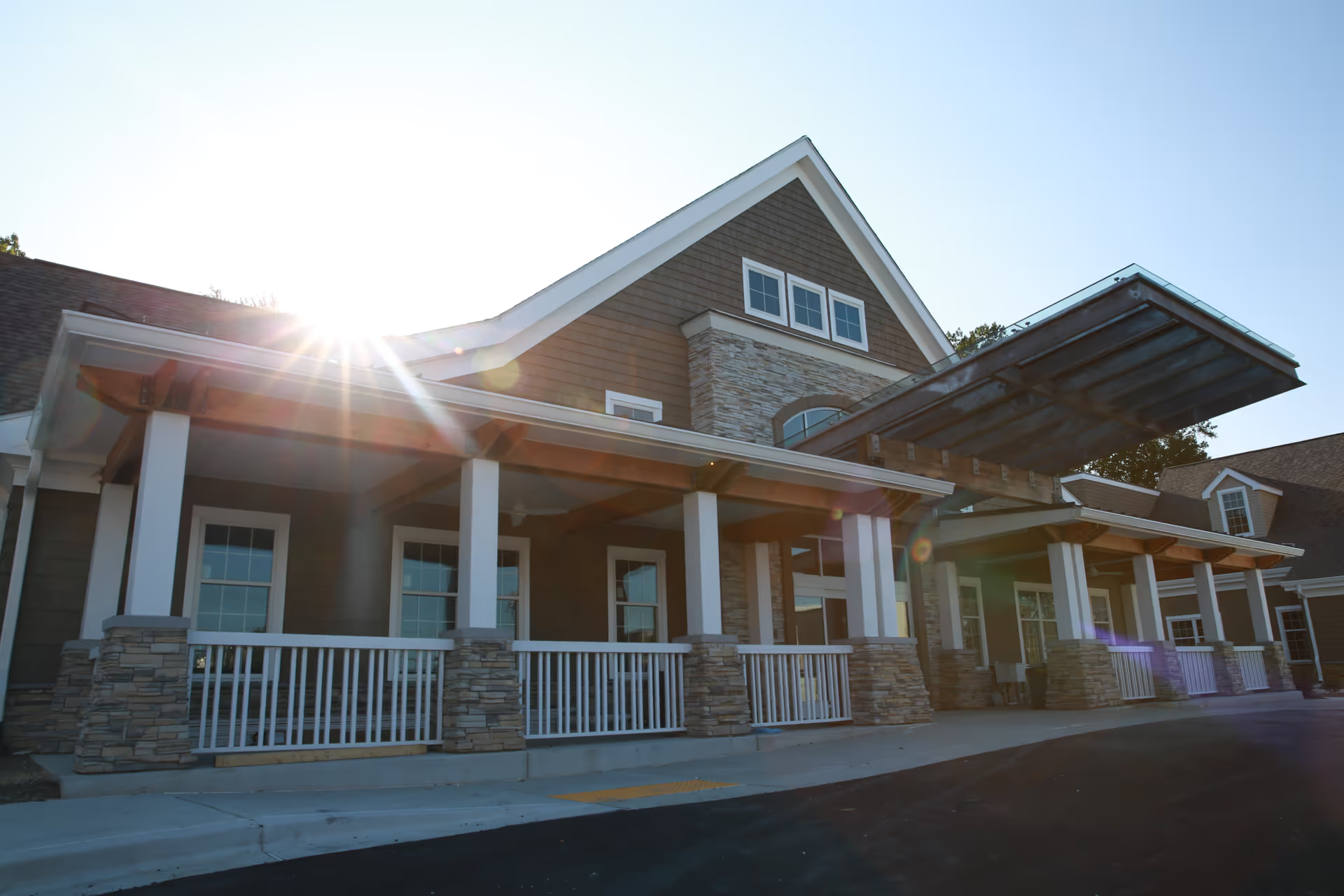
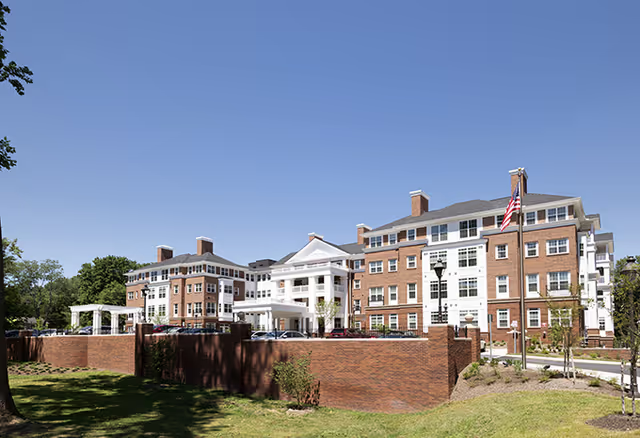
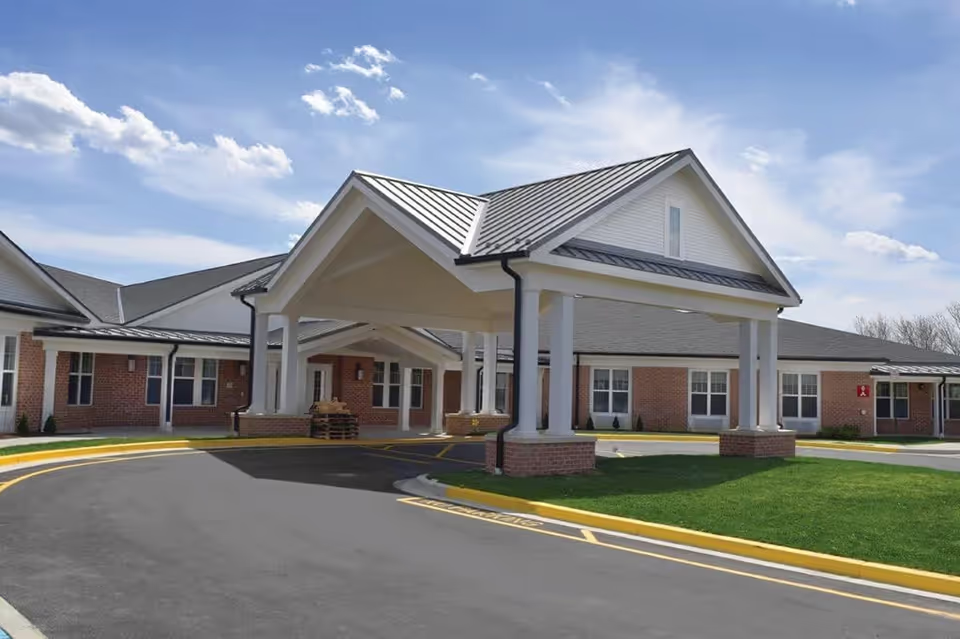
Facility condition and maintenance: The building’s age and maintenance status are prominent themes. Reviewers describe narrow doorways, stairs and limited wheelchair accessibility in areas, broken fixtures, and intermittent equipment failures (beds, toilets, wheelchair function). Cleanliness and sanitation are inconsistent across units: some families note clean, well-lit areas, while others describe sanitation concerns, odor issues, and pest-control needs. These conditions suggest uneven facility upkeep and variable housekeeping performance.
Management, billing, and compliance matters: Financial and administrative handling emerged repeatedly as an area of concern. Complaints include large upfront deposits, unclear or delayed invoices, refund disputes, and restricted access to resident funds. Consumer-resolution involvement was referenced in at least one account. Additionally, some families raised serious allegations related to mishandled belongings and restricted financial access. There are also comments indicating managerial defensiveness or a lack of accountability when families raise care concerns.
Notable patterns and practical considerations: The reviews display clear polarization — some residents experience excellent, patient-centered care and strong rehabilitation outcomes, while others encounter operational failures that affect safety, hygiene, and billing. Prospective residents and families should consider verifying staffing ratios and overnight coverage, reviewing written discharge and billing policies, inspecting prospective rooms for accessibility and maintenance, and confirming infection-control and pest-control procedures. Asking for specific guarantees about private-room availability, response-time expectations, and transportation processes may help align expectations with the facility’s current operational realities.
In summary, South River Healthcare Center shows strengths in rehabilitation, admissions coordination, and instances of compassionate caregiving, but also demonstrates persistent and systemic issues in staffing consistency, facility maintenance, sanitation controls, communication, and financial administration. The variability in experience suggests careful, individualized evaluation prior to placement and ongoing family involvement where higher-acuity or assistance needs are present.