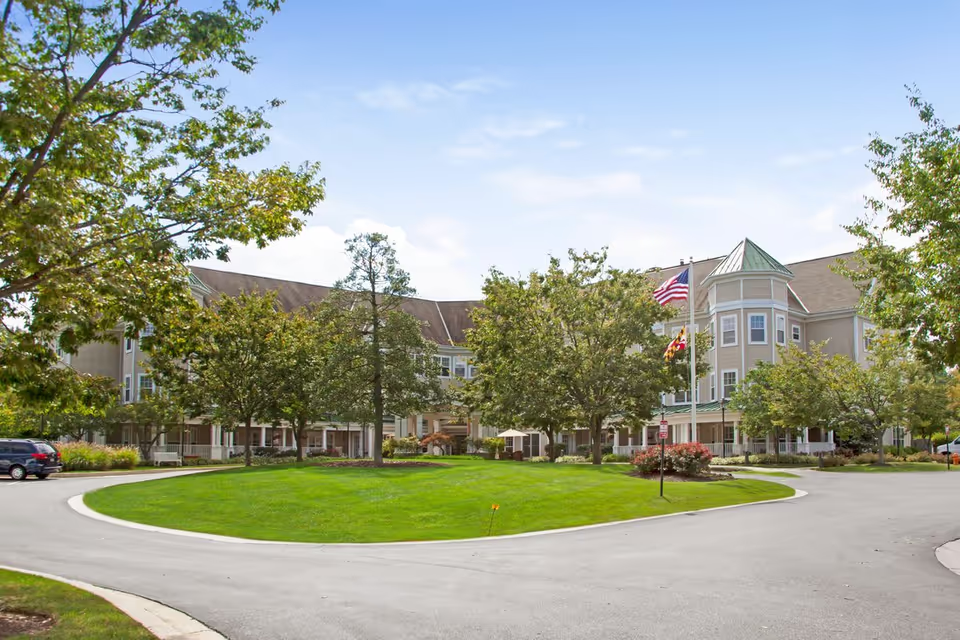
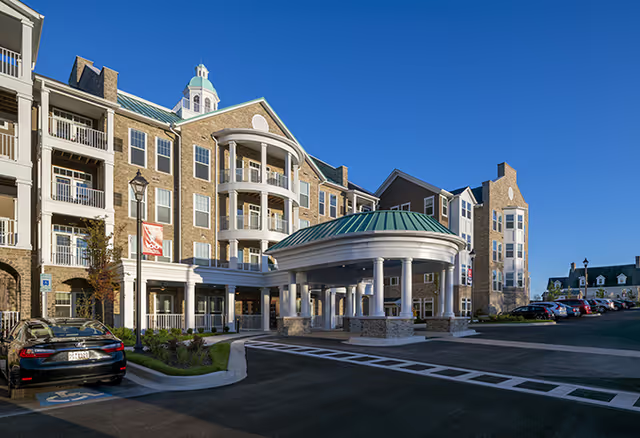
Arbor Terrace Fulton presents as a modern, upscale assisted-living and memory-care community with numerous strengths alongside notable operational variability. The facility's physical environment is repeatedly described as new, bright, and well designed — guests praise spacious, well‑lit common areas, attractive architecture, and a hotel-like aesthetic. Many reviews highlight the building’s layout and amenities, including ample activity spaces, a large dining room with natural light, enclosed courtyards for memory care, and multiple floorplan options that accommodate varying needs.
Staff and direct care are the facility’s most frequently lauded elements. Families and residents commonly describe caregiving staff, nurses, dining personnel, and engagement teams as compassionate, personable, and attentive. The community benefits from a proactive engagement director who organizes diverse programming (musical performances, Bible study, outings, arts and crafts, and bus trips) and from on-site therapy and nursing services that support rehabilitation and short-term stays. When leadership is actively engaged, reviewers note clear communication, timely problem-solving, and a family-like culture that supports resident well‑being.
Despite these strengths, there are recurring operational concerns. Housekeeping and maintenance follow-through appears inconsistent: reviewers mention delayed repairs, occasional sanitation concerns, and variable room cleaning. Staffing patterns also vary — several comments cite high staff turnover and periods of understaffing that correlate with lapses in service. Clinical operations show mixed reliability: many families praise attentive nursing and timely medication administration, yet others describe medication-administration errors, delays in assistance responses, and a lack of transparency around additional medication-management fees. These issues suggest unevenness in clinical controls and billing communication.
Dining and food service are generally regarded positively for presentation, portion size, and choice, including accommodations for special diets. However, some reviewers note a decline in variety or seasoning at times, occasional food-handling concerns, and reduced quality when in-room dining is used. Activity programming is a consistent strength: abundant, creative, and socially engaging offerings are a prominent positive in the resident experience.
Infection-control and emergency responsiveness show mixed patterns. A number of families compliment decisive pandemic-era measures and timely communication; others recount slow testing turnarounds, multiple infection outbreaks, and inconsistent masking/social distancing practices. Likewise, response times to call systems and alarms are occasionally described as delayed, which raises concerns about monitoring and timely assistance for higher-dependency residents.
Memory-care impressions are polarized. Some reviewers find the memory-care environment well designed, calm, and appropriately staffed; others describe significant shortcomings in oversight and daily care routines. Laundry handling, personal‑item tracking, and billing consistency also emerge as recurring administrative pain points for families.
Overall, Arbor Terrace Fulton appears to offer an attractive physical environment, a robust activity program, and many dedicated staff members who create a warm community. Prospective residents and families should weigh these strengths against patterns of inconsistency in housekeeping, staffing stability, clinical administration controls, and certain administrative practices. An in-person tour with direct questions about staffing ratios, medication protocols and fees, housekeeping schedules, infection-control policies, memory-care staffing and oversight, and contract/billing terms is advisable to clarify how the community’s operational practices align with a particular resident’s needs.