Overall impression: Whitewood Assisted Living is described by many families as a small, intimate facility that delivers a home-like environment and hands-on, personalized care. Positive accounts emphasize a family-style atmosphere, attentive and personable staff, private rooms with en-suite baths, dementia-focused programming, and relatively low staff-to-resident ratios that support close observation and companionship. Several families noted improvements in residents’ mood and wellbeing after moving in, citing individualized attention, consistent updates from staff, and an active live-in manager.
Care and staff: Strengths center on staff warmth, individualized care plans, and high-touch interaction. Reviewers praise specific managers and caregivers for responsiveness and regular updates, and the facility’s dementia experience and companionship offerings are frequently highlighted. However, there are repeated operational concerns: staffing instability and turnover have been noted, and some accounts describe inexperienced nurses or uneven caregiver coverage. These staffing issues appear linked to lapses in clinical oversight, including medication-management gaps and weaknesses in transfer and fall-prevention practices. There are also reports suggesting inconsistent personal-care scheduling for some residents, which has impacted family confidence in care continuity.
Dining and activities: Dining receives generally positive mention for homemade, well-regarded meals and reasonable pricing, and several families praised lunch and dinner quality. At the same time, other accounts describe unacceptable meal experiences, indicating variability in culinary quality or consistency. Activity programming is a clear strength when present — examples include Chair Zumba, music, and bingo — and contributes to residents’ social engagement and well-being. Yet some families felt there were insufficient activities or engagement for certain residents, suggesting that programming may vary with staffing levels, resident mix, or schedule implementation.
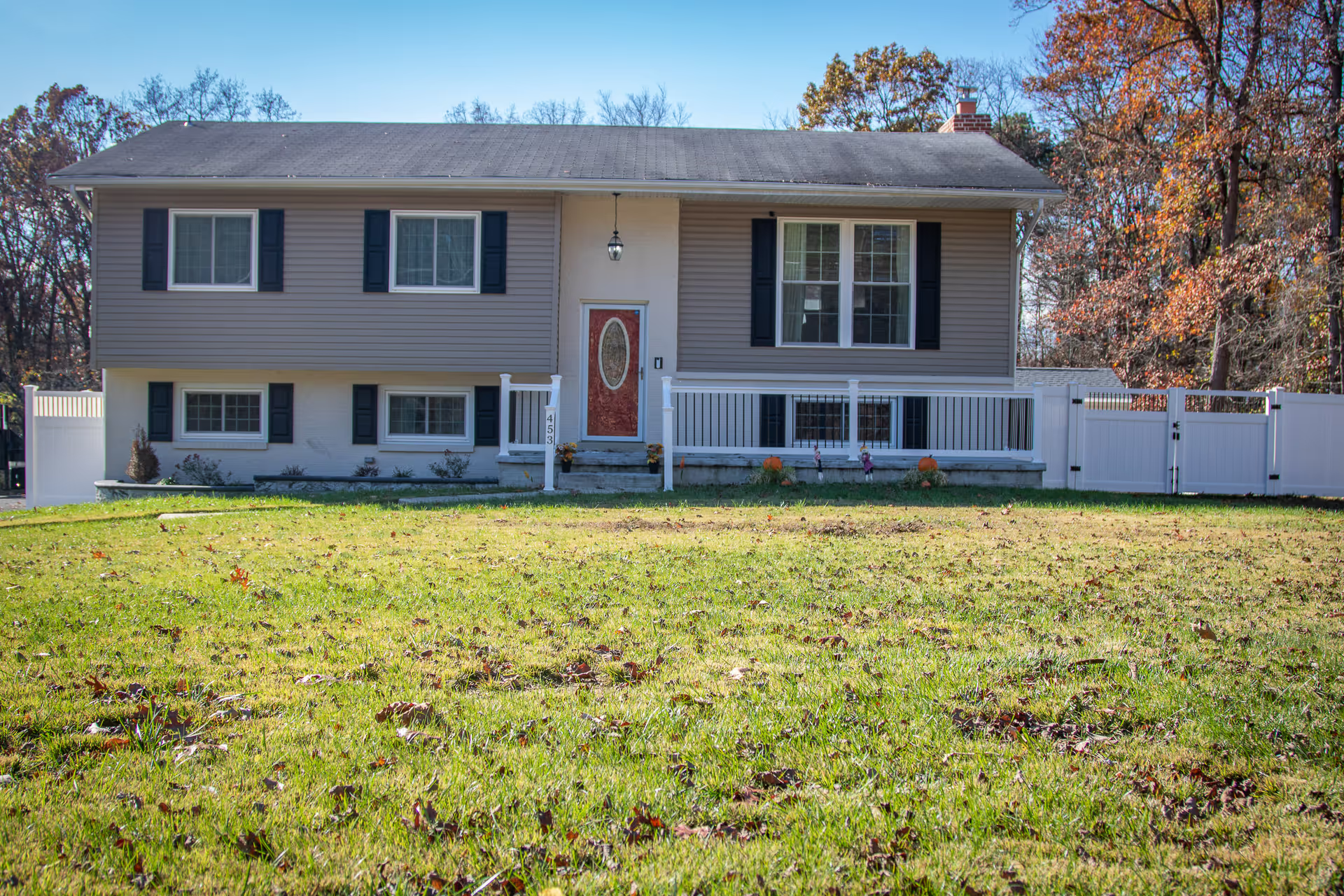
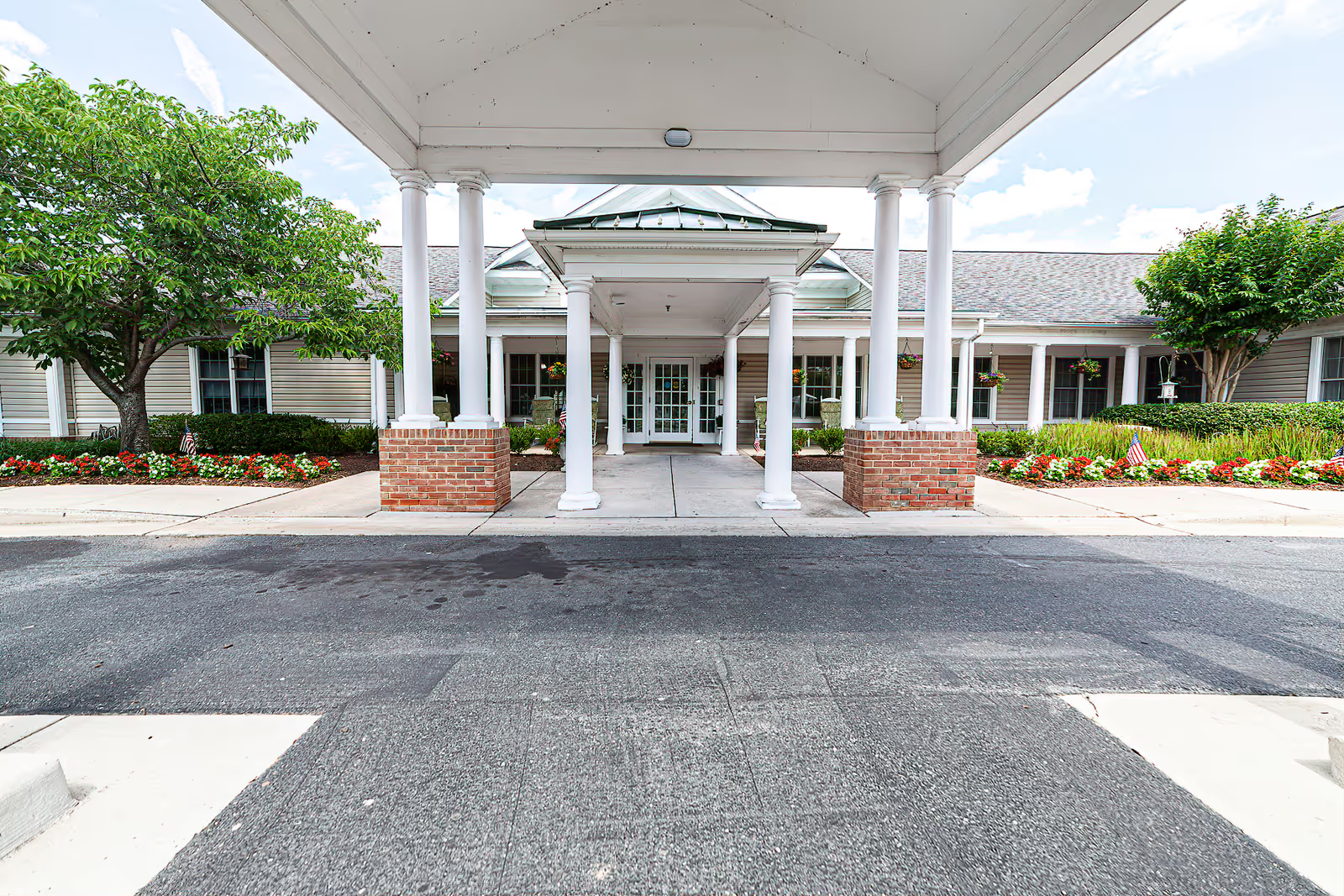
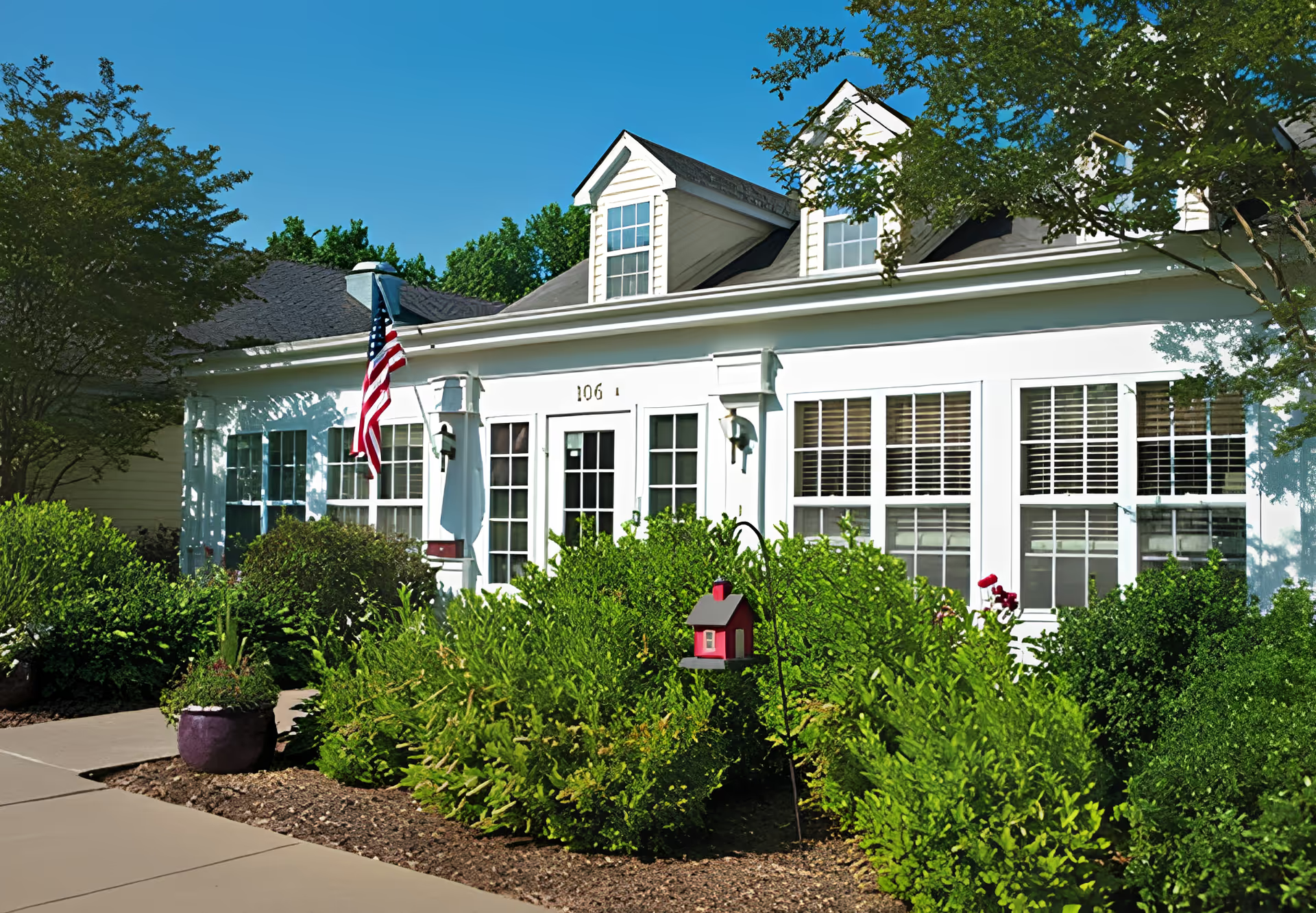
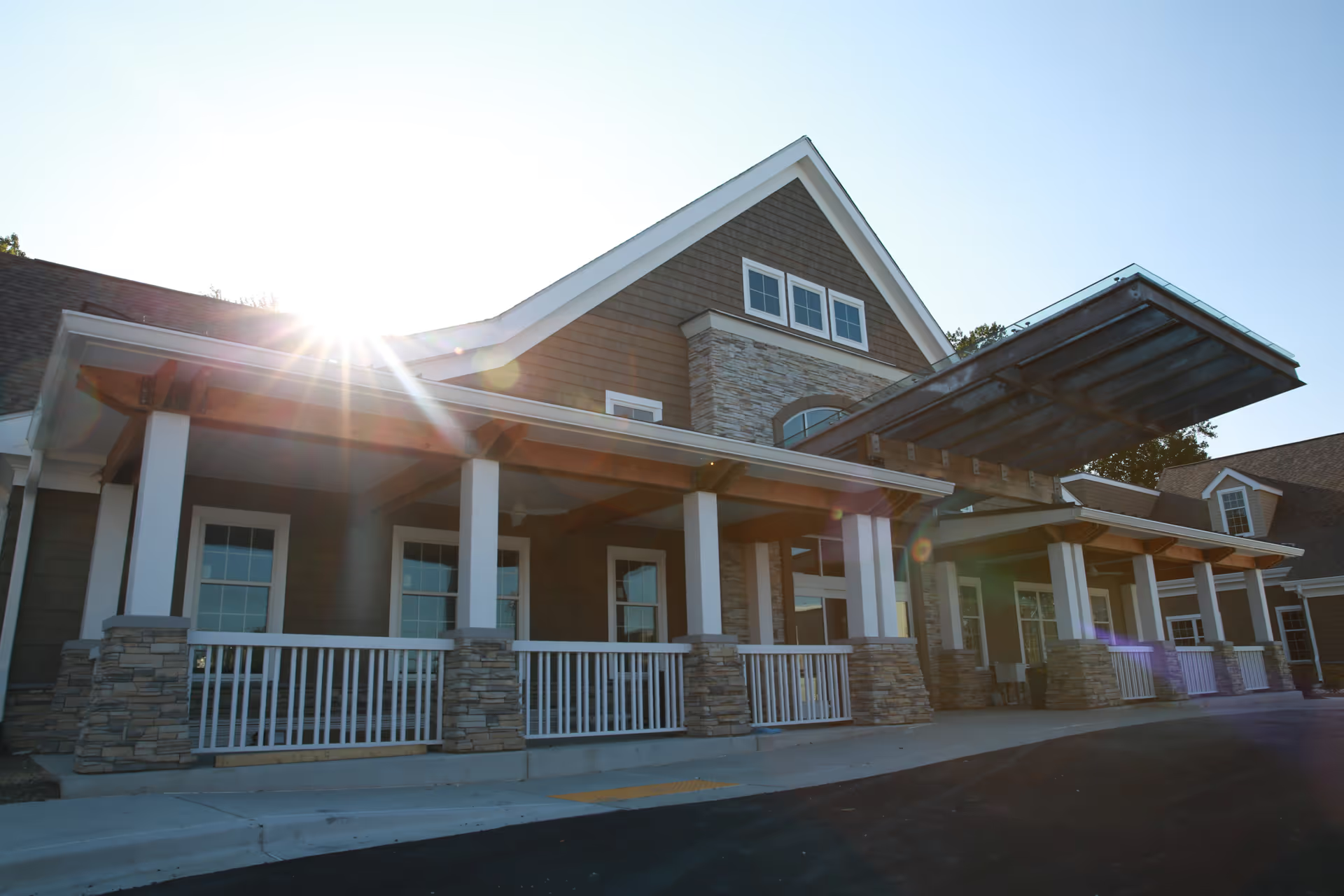
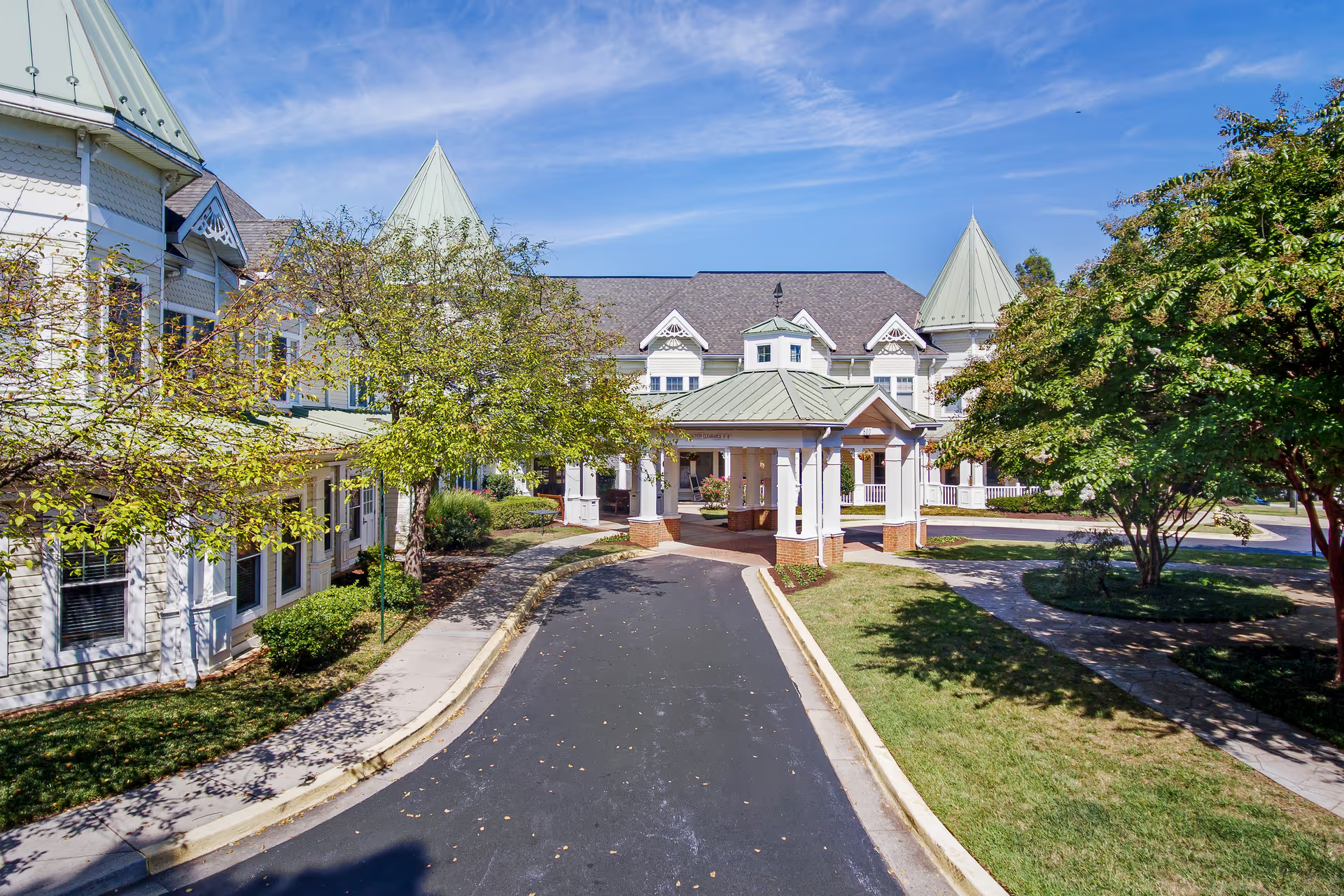
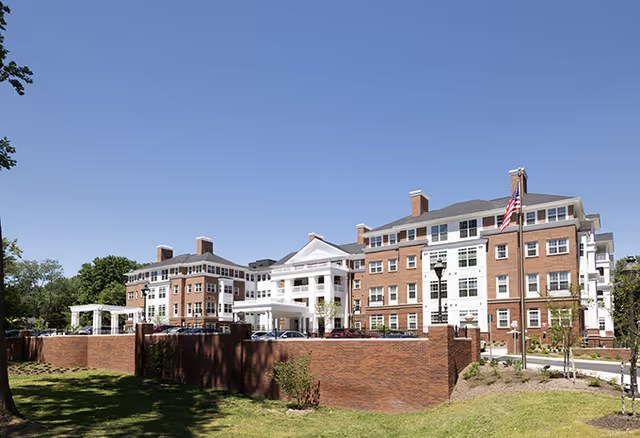
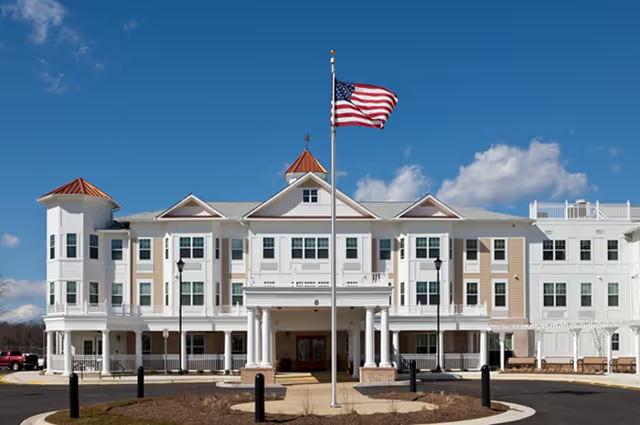
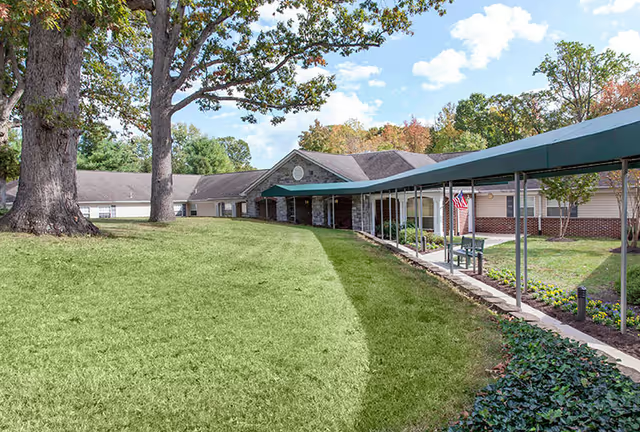
Facilities and amenities: The facility’s small scale is frequently seen as a benefit: private rooms, quiet common areas, and pleasant grounds are commonly noted. The pet-friendly policy and proximity to families add practical value. Conversely, some reviews indicate variability in maintenance and climate control (rooms feeling hot, areas described as run-down), and occasional uncertainty about room size or unit condition. Cleanliness and odor control are praised in many accounts, but maintenance and environmental comfort appear variable across units or times.
Management and communication: Several families compliment on-site management for being engaged and communicative, and some reviewers indicate strong owner involvement. Nonetheless, other accounts describe gaps in management responsiveness, limited owner availability, and internal staffing/HR conflicts. Communication with families is uneven — while some receive frequent, helpful updates, others report insufficient information or delayed responses. A small number of serious concerns (including a mention of medication disposal and a staff complaint process) suggest the need for strengthened clinical oversight and transparent family communication.
Notable patterns and recommendations: The dominant pattern is of a small, community-oriented facility that can offer compassionate, personalized care, especially for residents with dementia, when staffing and management are stable. Key areas for prospective families to evaluate in person are current staffing levels and turnover, medication-management and clinical oversight processes, the consistency of personal-care routines (bathing and transfers), and the day’s activity schedule. A walkthrough to confirm room condition, climate control, and meal sampling — along with direct questions about staffing ratios, recent turnover, and communication protocols — will help families assess whether Whitewood’s strengths align with a given resident’s needs.