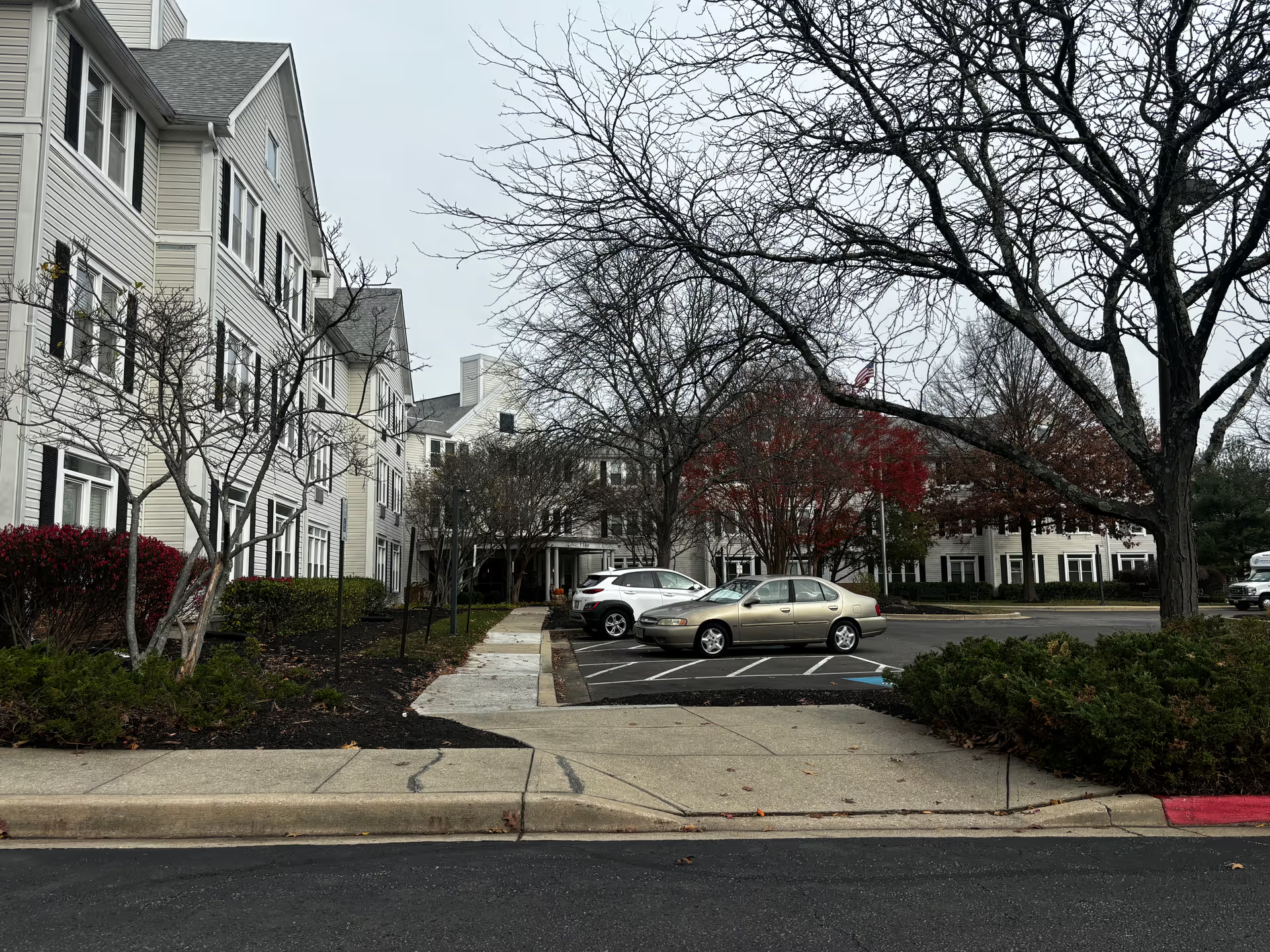
Selborne House presents as a small, quiet senior-living community with a compact four-story layout and one-bedroom apartments that include balconies. Reviews emphasize a peaceful, small-town atmosphere and a location that places residents within walking distance of Main Street while remaining between Baltimore and Washington. On-site amenities cited include a laundry room, a gym, a library, a TV/lounge area, and social programming such as game nights — features that support independent lifestyles and casual social engagement.
Comments about staff and day-to-day life are mixed. Many descriptions note friendly interactions and a welcoming, resident-oriented atmosphere; however, there are also accounts indicating variability in administrative-staff professionalism and communication tone. At least one reviewer explicitly indicated a negative experience with office staff. Prospective residents and families should meet with administrative personnel, observe resident–staff interactions, and ask specific questions about front‑desk procedures and typical communication practices.
There is limited information in the available summaries about clinical care, nursing oversight, or dining services. Reviews do not detail meal quality, medication management, or care-level staffing, so these remain areas for verification. Management responsiveness to facility and neighborhood safety issues is another area to explore: reviewers noted a pedestrian-safety hazard (a nonfunctioning crossing light) as a concern. While municipal infrastructure may be outside the facility’s direct control, the way management coordinates with local authorities and addresses external hazards reflects operational responsiveness and risk mitigation practices.
In summary, Selborne House may appeal to individuals seeking a quiet, community-oriented setting with basic on-site amenities and regular social opportunities. Before making decisions, visitors should tour apartments and common areas, confirm hours and scope of amenities and activities, ask for detailed information on clinical and dining services, and inquire about maintenance response times and policies for addressing neighborhood safety issues. A direct meeting with administrative staff and conversations with current residents can help clarify both the everyday culture and operational practices.