Reviews present a mixed but distinct pattern: many families and residents describe a renovated, bright, and homelike facility with compassionate caregivers, while a subset of accounts raises operational and safety concerns that merit careful inquiry.
Care and staff: Numerous reviewers praise the caregiving team as attentive, compassionate, and capable, noting consistent assignments, owner and physician involvement, and strong end-of-life/hospice coordination. These positive reports emphasize personalized attention, emotional support, and thorough staff training. At the same time, several reviewers describe staffing inconsistencies—notably reduced coverage overnight—and concerns about staff conduct and responsiveness in specific situations. These accounts suggest variability in day-to-day staffing and in how complaints or family questions are handled.
Dining and activities: The facility’s dining program is frequently highlighted as improved and home-style, with an upgraded menu and nutritious meals. Many families appreciated personalized celebrations, holiday events, and occasional special meals. Activity programming receives mixed feedback: some reviewers describe engaging daily activities and active social calendars, while others characterize the environment as under-stimulating with limited engagement for certain residents. This suggests programming quality may vary by unit, staff on duty, or resident mix.
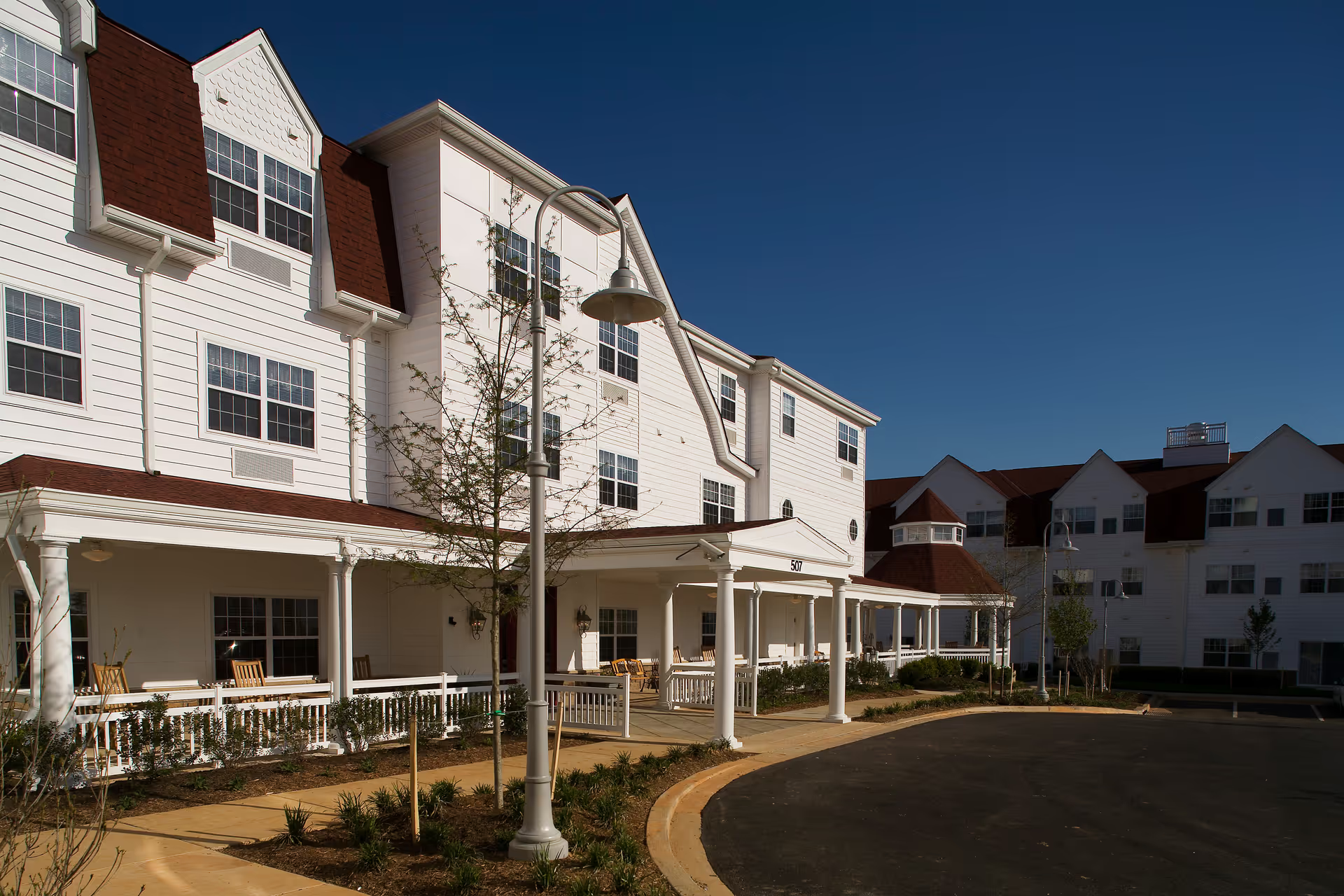
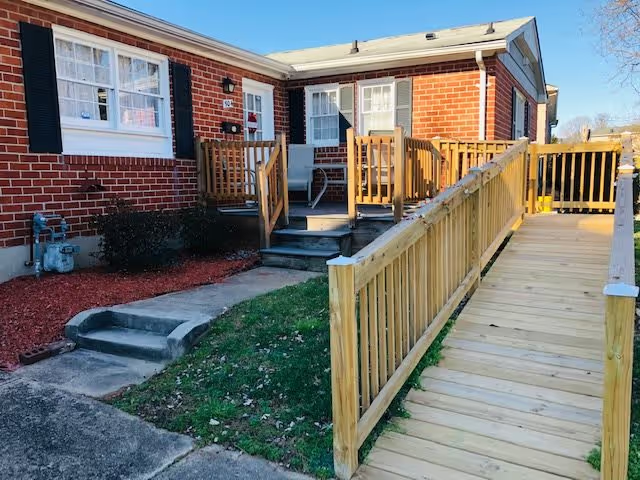
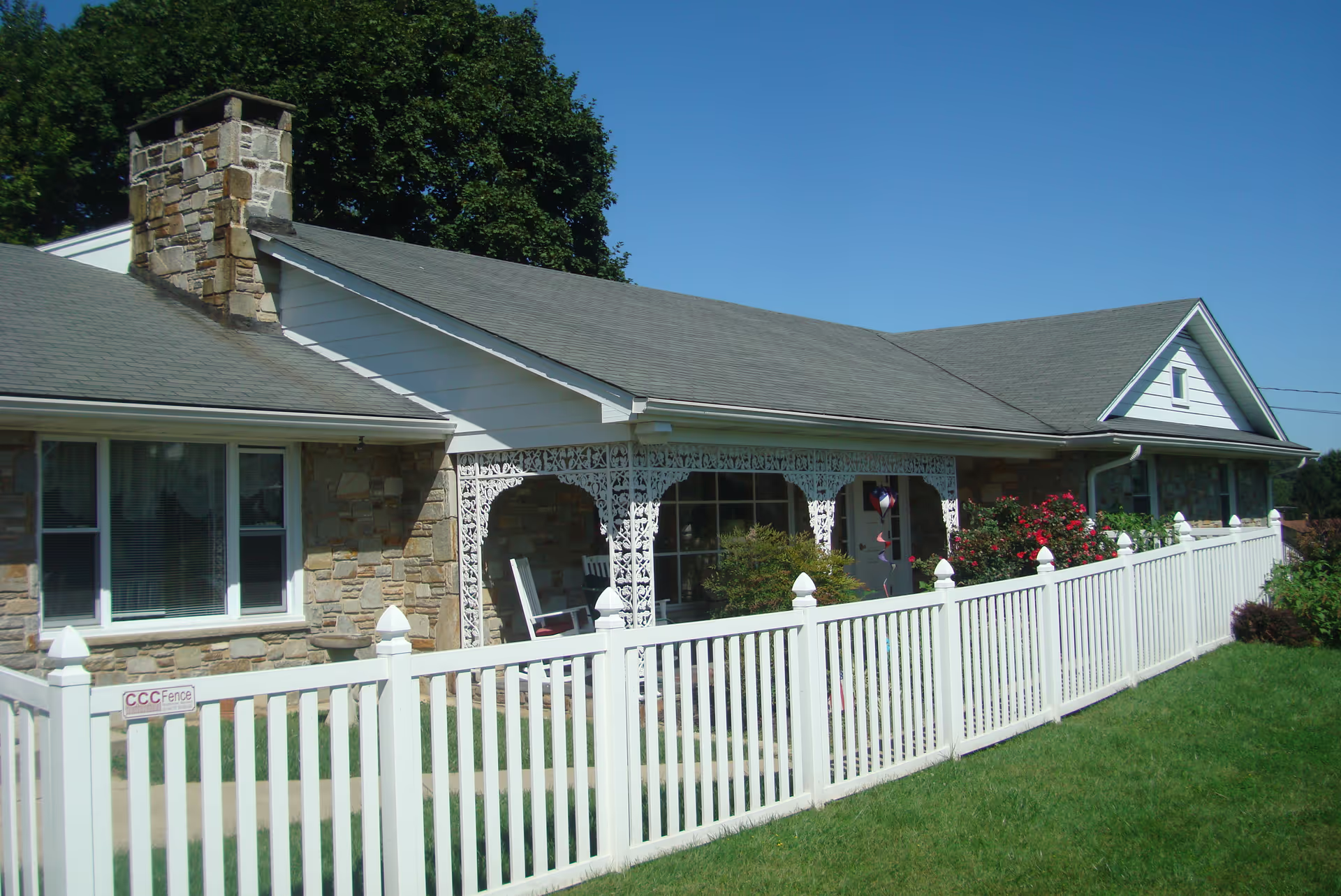
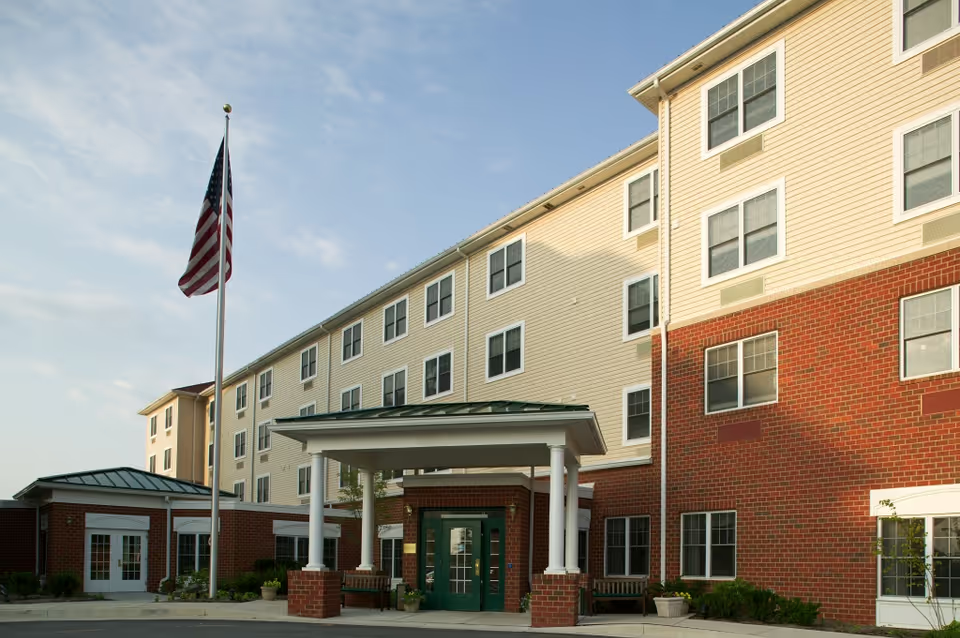
Facilities and maintenance: Multiple reviews note recent renovations, clean bright décor, and well-kept common areas that contribute to a homelike atmosphere. Conversely, complaints include maintenance lapses such as intermittent air-conditioning failures, cramped private rooms with limited visitor seating, and occasional odor or sanitation concerns. There are also mentions of privacy and property-security problems (missing belongings, medication storage inappropriately placed), indicating inconsistent application of facility protocols.
Management and operations: Positive comments cite active owner involvement, responsive managers, and staff who go beyond expectation. However, other families report management–staff communication gaps, difficulties resolving billing disputes, and frustration following ownership transitions (for example, no care-planning meeting after a change in ownership). Reviewers also raise financial concerns such as rate increases and perceived billing issues. Several comments reference health and safety compliance concerns and medication-handling issues; these are operational weaknesses that families should explore directly with management and through regulatory records.
Notable patterns and recommended questions: The feedback is polarized—many families express high satisfaction with individualized care and the facility’s atmosphere, while others identify serious operational issues related to medication management, infection control, staffing consistency, and billing. Prospective residents and their families should tour the building at different times (including evenings/night), ask for details about medication storage and administration procedures, request staffing ratios for all shifts, review recent inspection or citation history, clarify policies for resident property/security and grooming/personal care schedules, and get written details on charges and rate-increase policies. These targeted inquiries can help determine whether the facility’s strengths align with a particular resident’s needs and whether the facility has addressed the operational concerns described.