Care quality and daily living: Overall, the facility is repeatedly described as providing hands-on, compassionate personal care with a strong emphasis on individualized attention. The small census (roughly 15–16 residents) appears to support close caregiver–resident relationships, continuity of care, and a relatively high staff-to-resident ratio. Families frequently commented that transitions were smooth and that residents — including those with dementia — were treated respectfully and with patience. The facility offers bed rails and assistance aids and asks families to supply some personal items, which supports individualized care planning.
Staff and communication: Staff and owners are generally characterized as kind, responsive, and involved in day-to-day operations. Several families highlighted on-site management and a specific staff contact who follows up regularly. A recurring operational concern is limited English proficiency among some direct-care staff; this has been associated with occasional communication difficulties and resident isolation for English-speaking residents unless an English-speaking owner or staff member is present to translate.
Dining and nutrition: Meal service is described as structured and adaptable, with multiple smaller meals per day and menu choices noted by some families. Reviewers differ on food quality: some found the menu appealing and accommodating to preferences, while others described meals as bland. The facility appears willing to adapt portions and meal schedules to resident needs, but there are occasional inconsistencies in perceived meal satisfaction.
Activities and social engagement: Programming exists (examples cited include karaoke, bingo and occasional outings) and staff make efforts to engage residents. However, activity participation can be low, often because a substantial portion of the population requires dementia-level care or due to prior infection-control restrictions. Prospective families should expect modest, small-community programming rather than an extensive activities calendar; availability and frequency may vary.
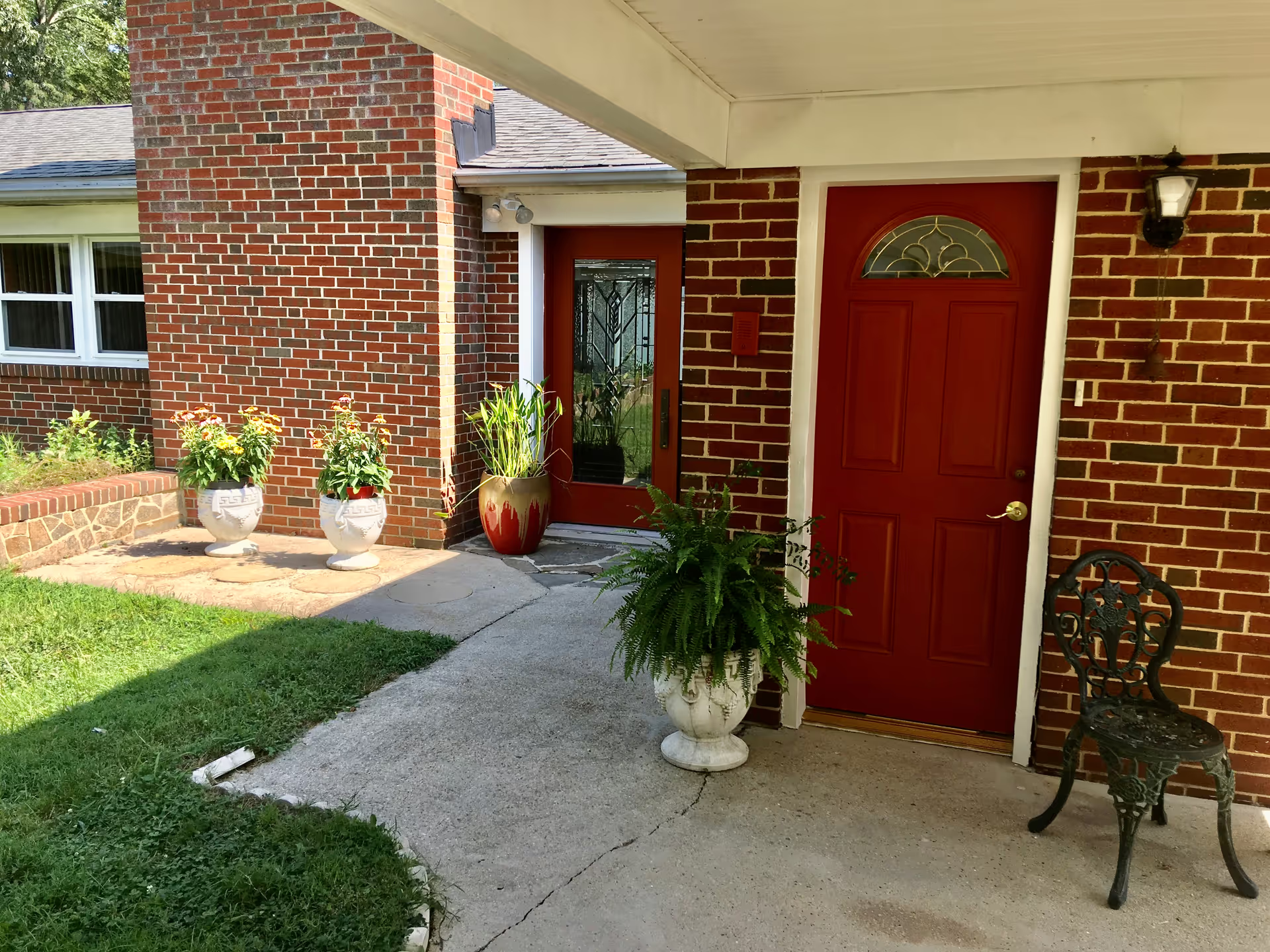
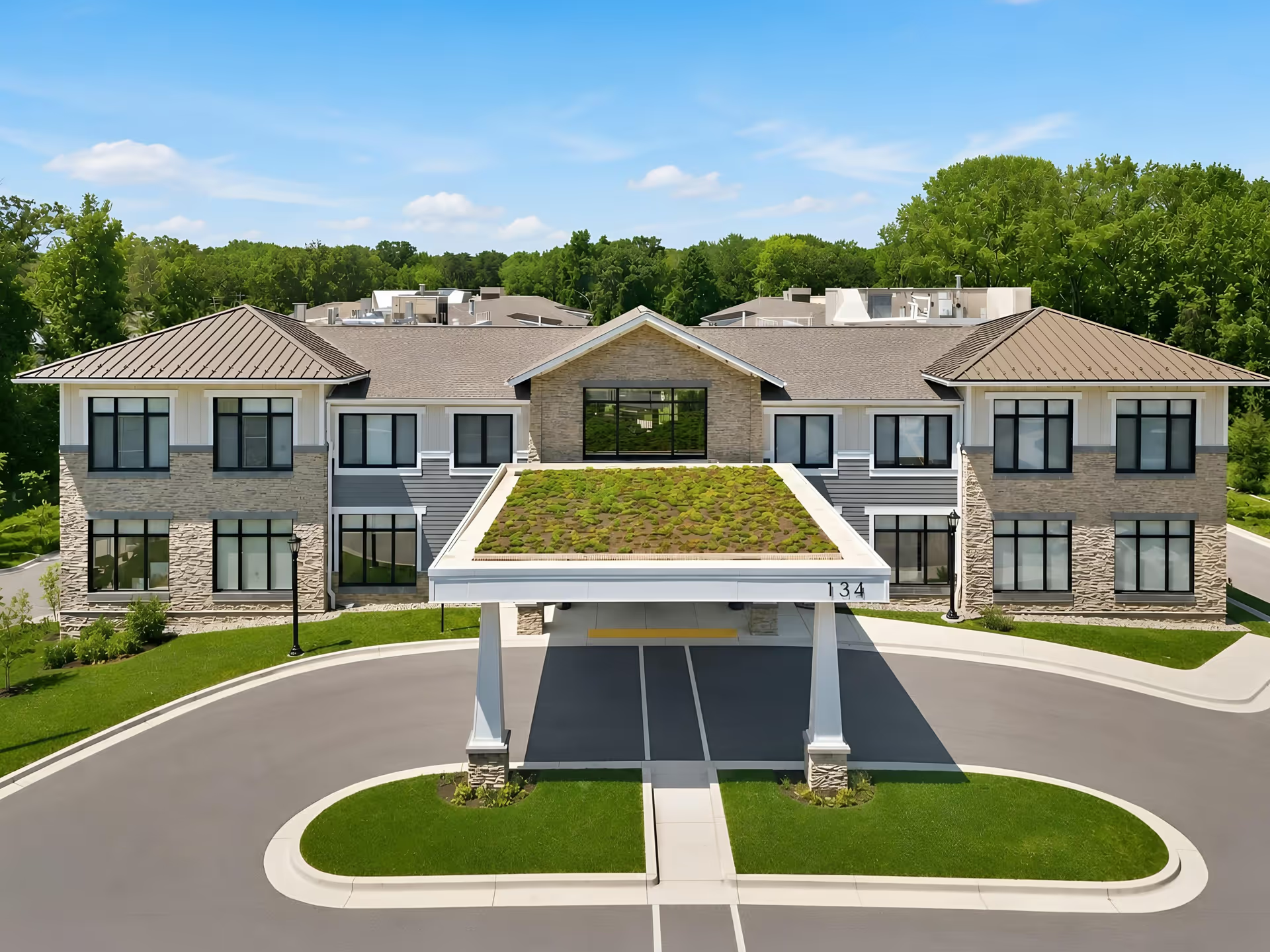
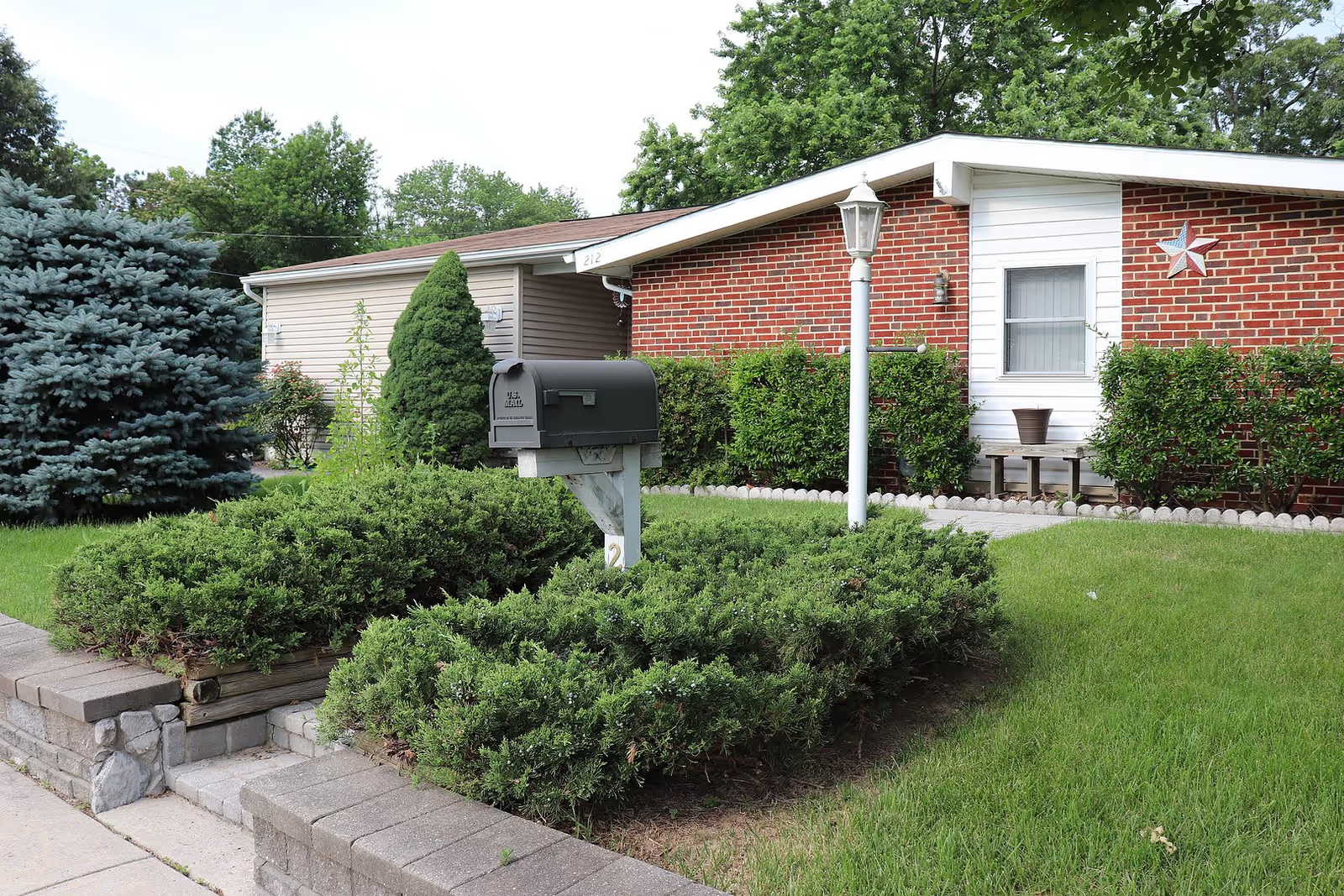
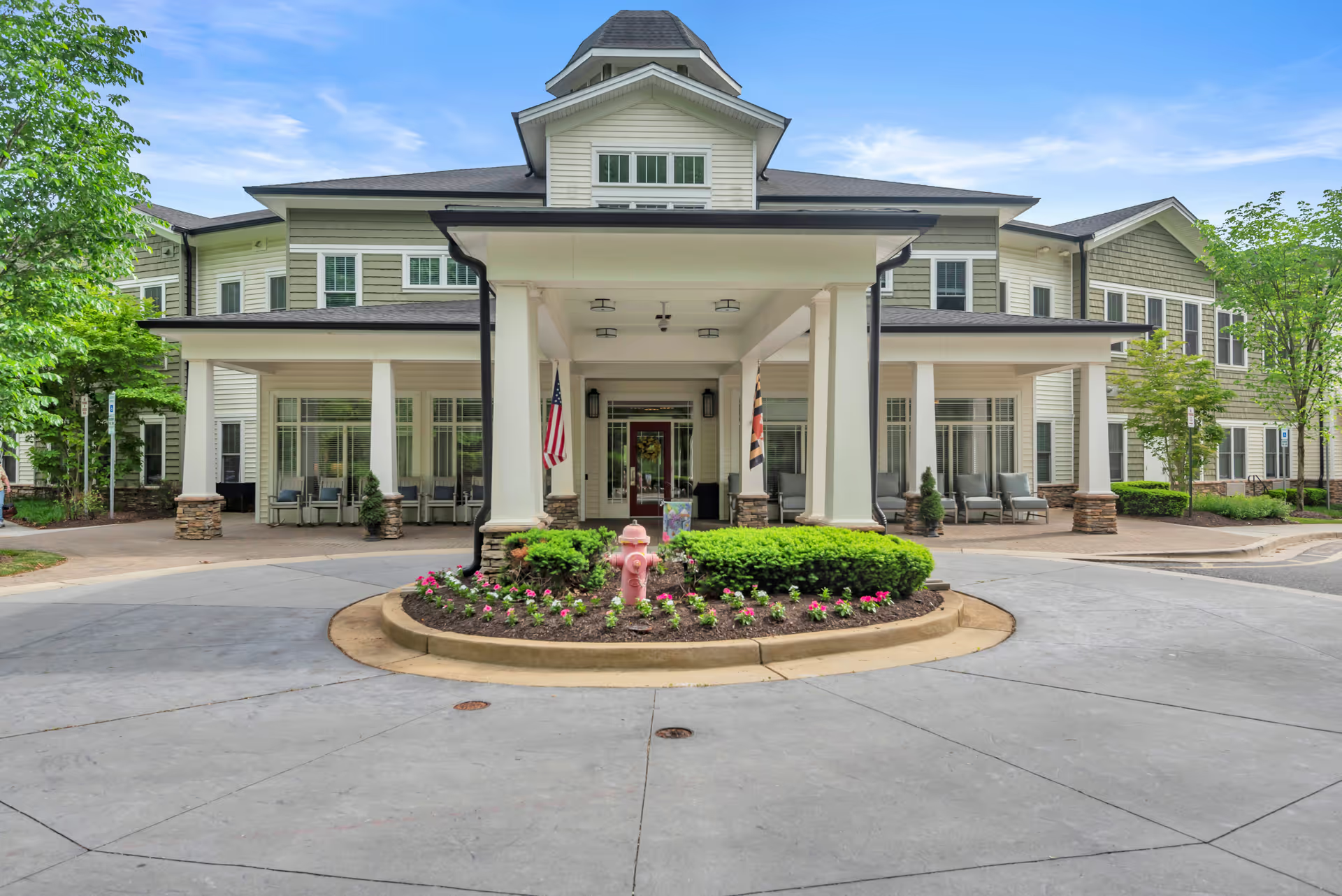
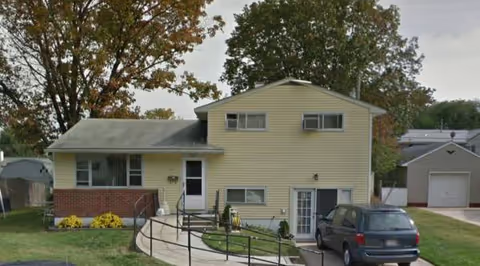
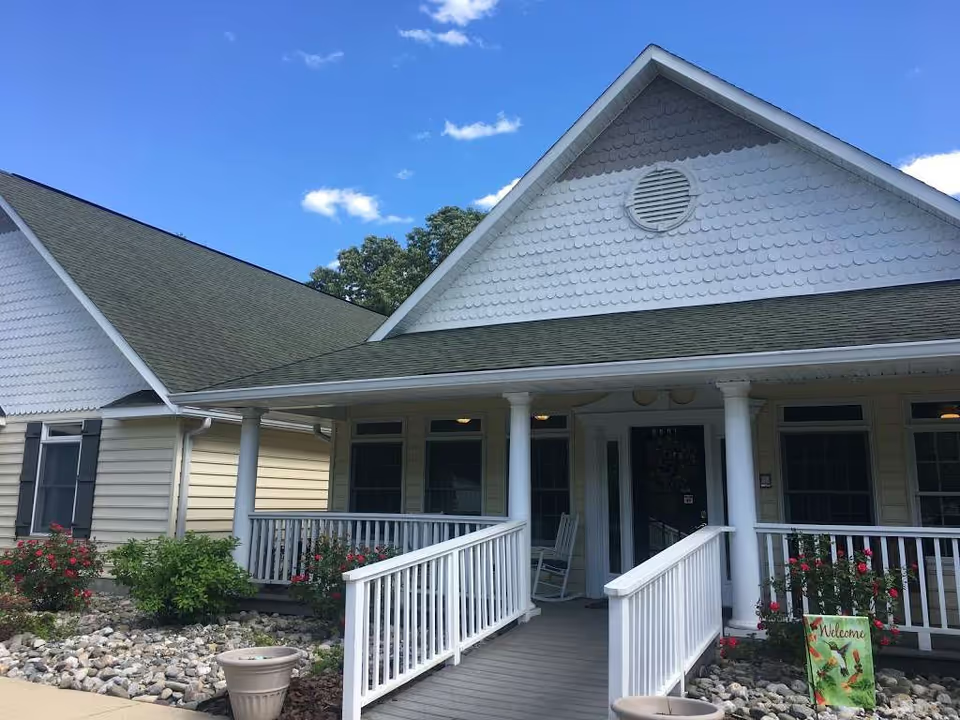
Facilities, cleanliness and maintenance: Many reviewers praised clean, well-kept rooms and private baths, and praised the overall orderly environment. At the same time, multiple reviewers noted cosmetic and maintenance shortfalls: older carpeting, peeling paint, a deck in need of repair, dated furnishings, and specific sanitation or odor concerns in some common areas and kitchen or shower spaces. Bathroom and shower footprint is sometimes described as compact. These mixed observations suggest that while daily cleaning and resident upkeep are strengths, capital-improvement and cosmetic maintenance are areas needing attention.
Management, cost and logistics: Management is generally viewed as accessible and transparent; families report clear pricing information at tour and an open owner presence. The facility offers all-inclusive pricing options that some families regard as good value; others find the cost higher than alternatives in the area. The facility also provides practical assistance such as help with VA paperwork. A few families reported initial phone or scheduling friction during intake, so front-office responsiveness may vary at times.
Notable patterns and decision points: The facility's small scale and family-like culture are consistent strengths, making it a solid option for families prioritizing personalized attention and close staff relationships. Trade-offs include limited amenities and activity breadth typical of a small home-style setting, potential language barriers that can affect social integration for English-dominant residents, and evidence of deferred cosmetic maintenance in parts of the building. Prospective families should weigh the value of individualized caregiving, private rooms, and management accessibility against the facility's physical condition and the need for robust communication supports for non–Mandarin/Cantonese speakers.