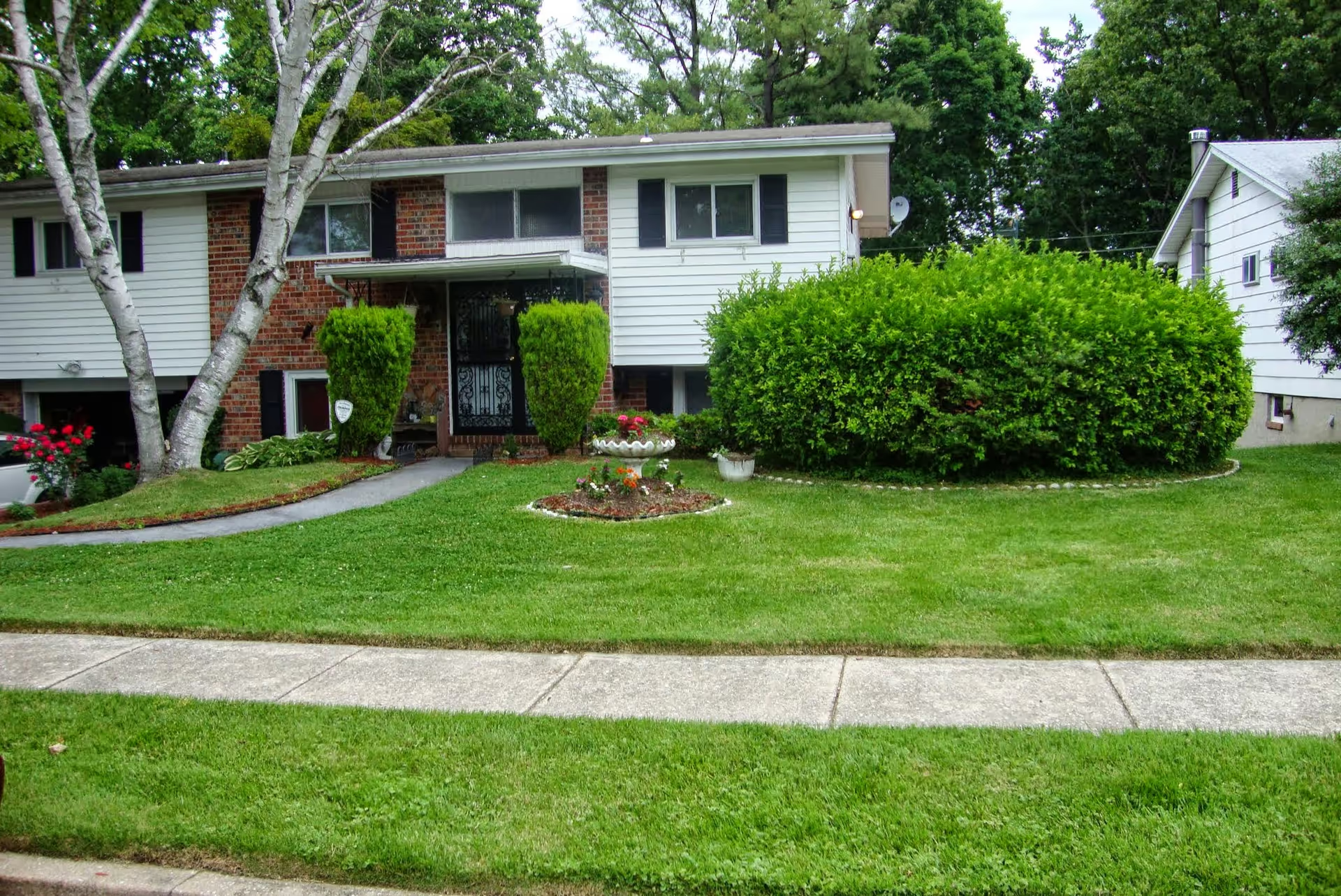
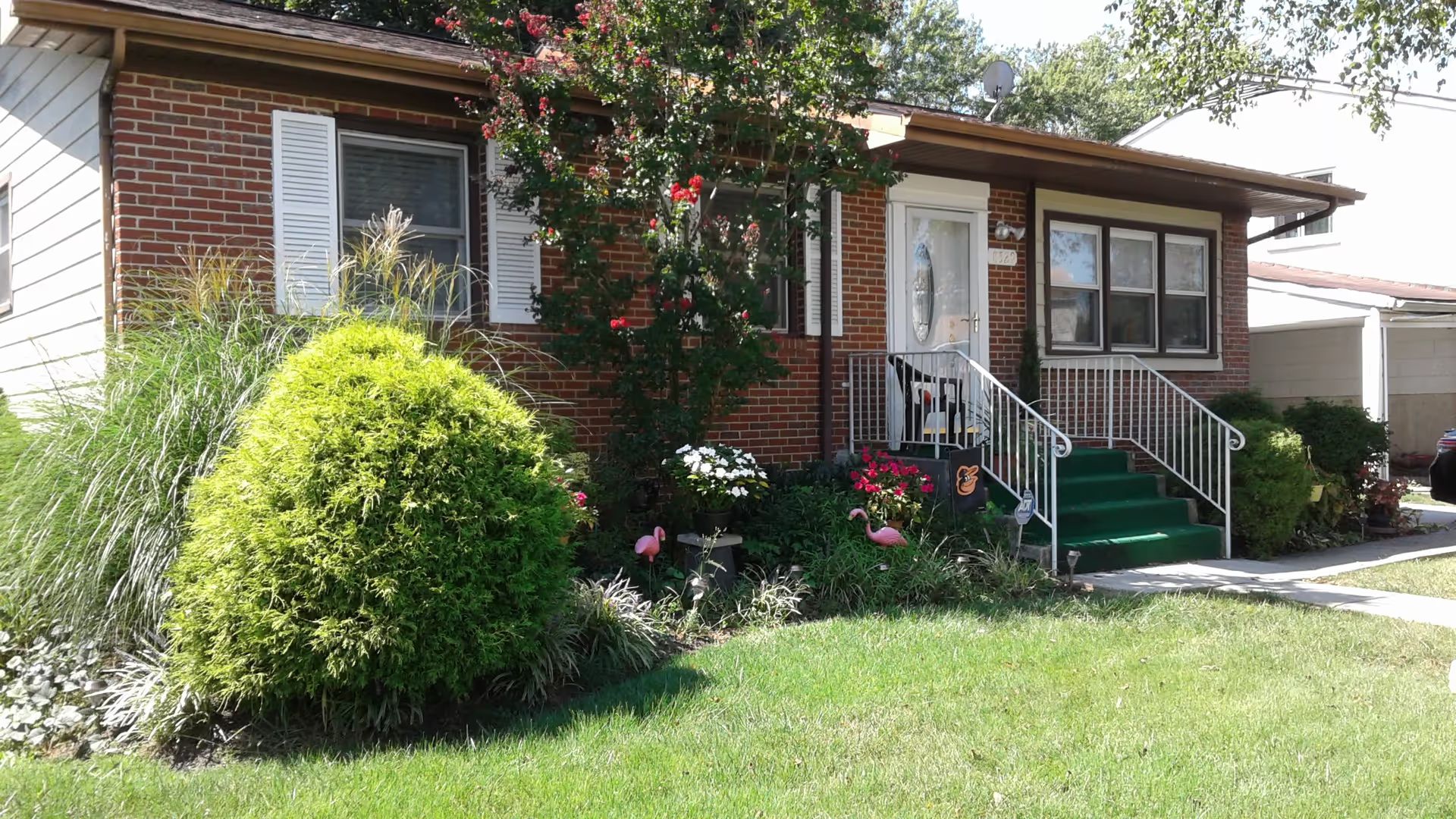
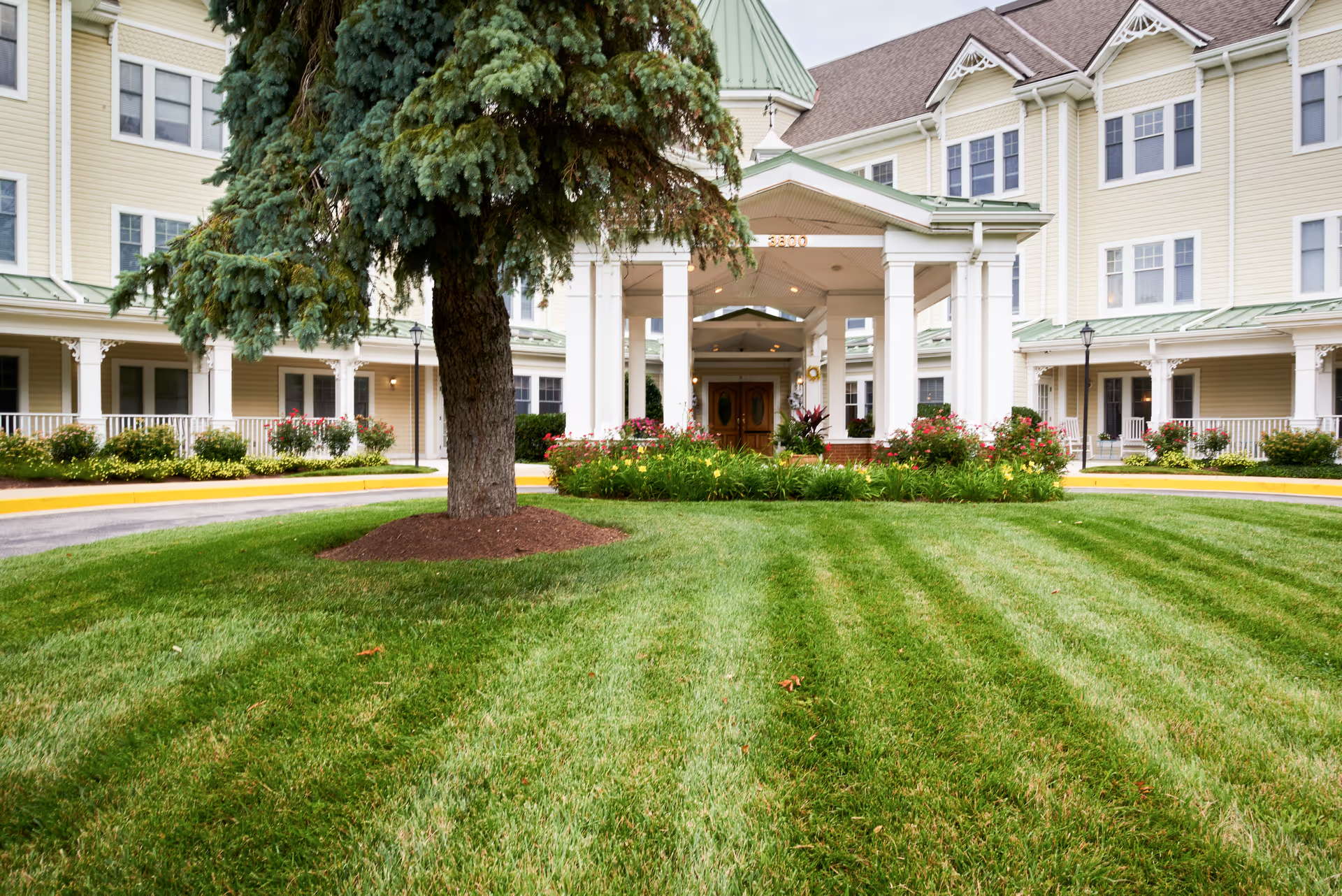
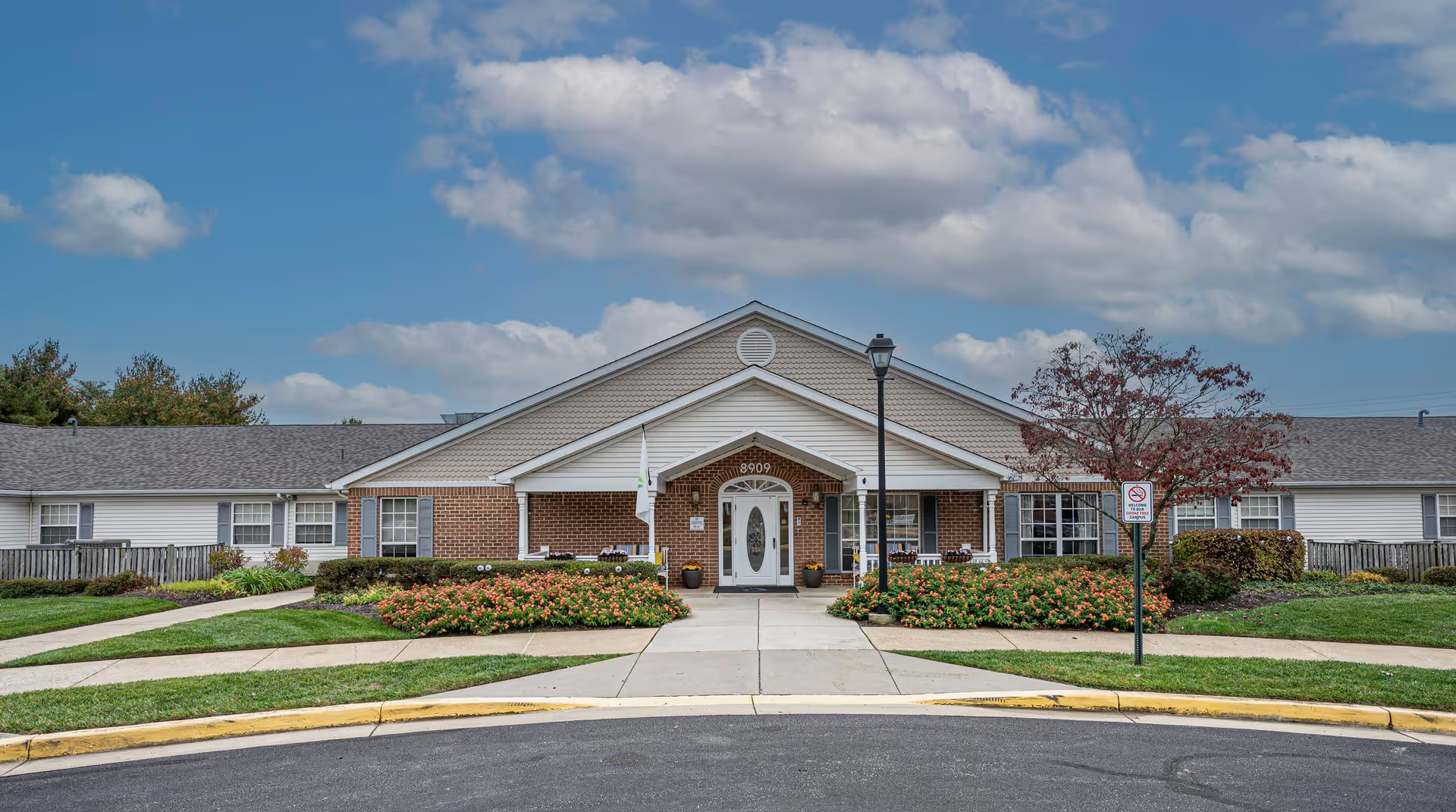
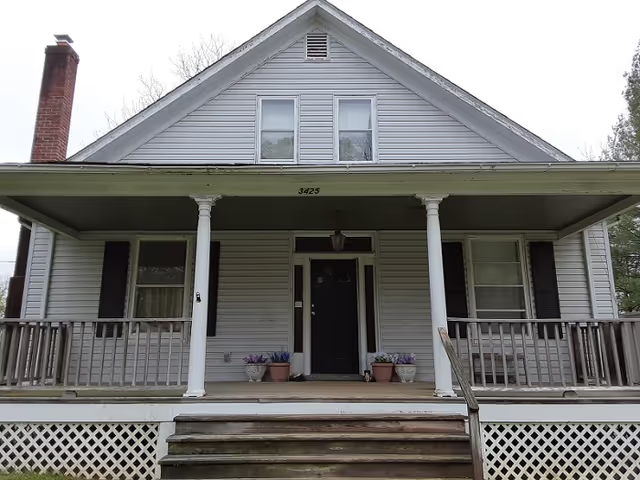
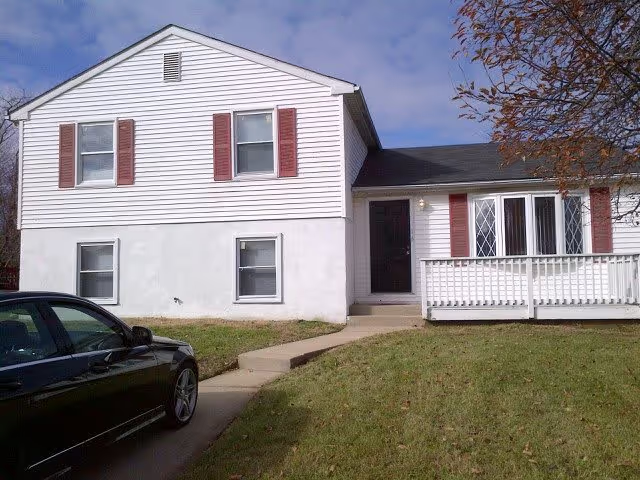
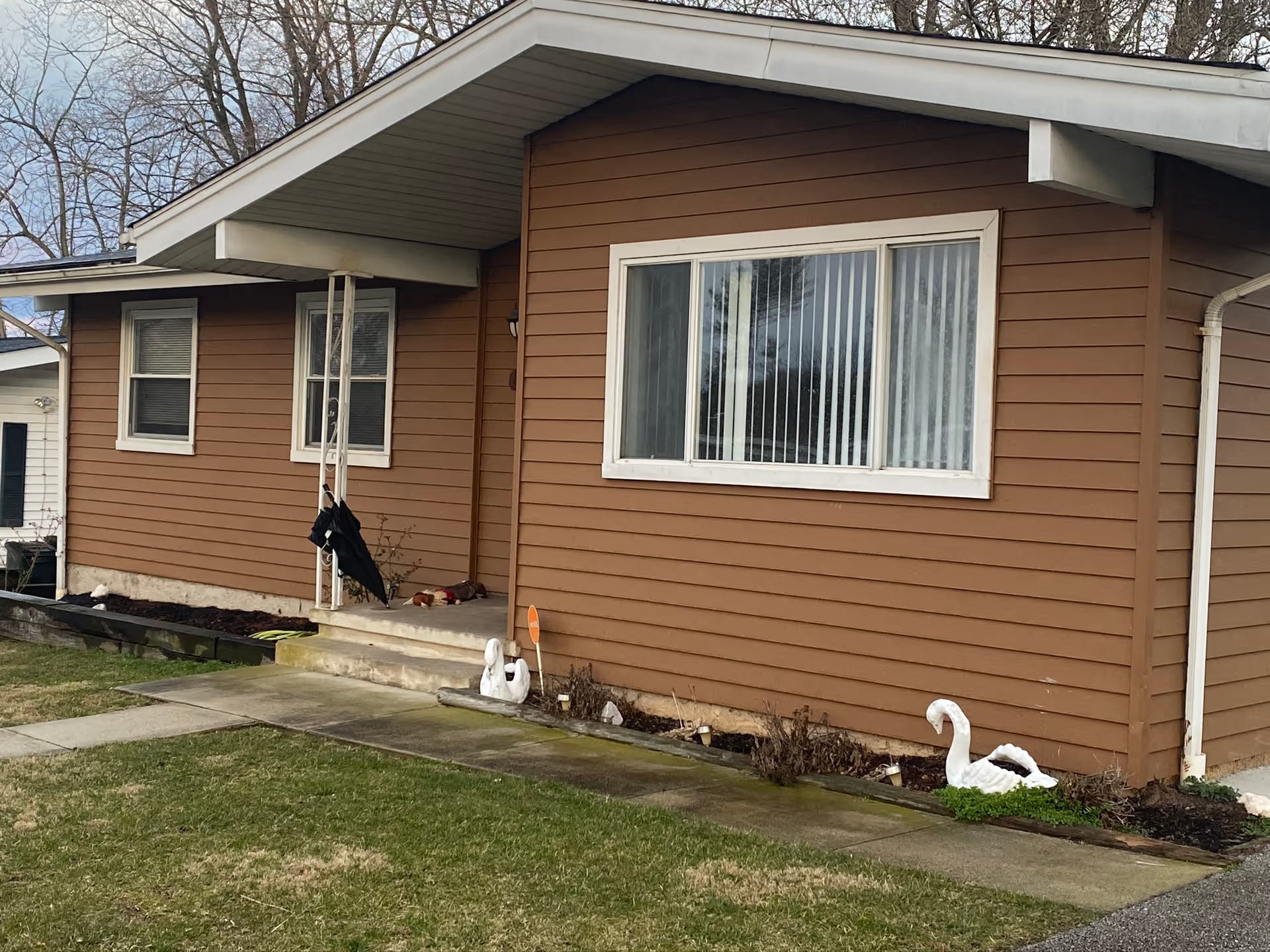
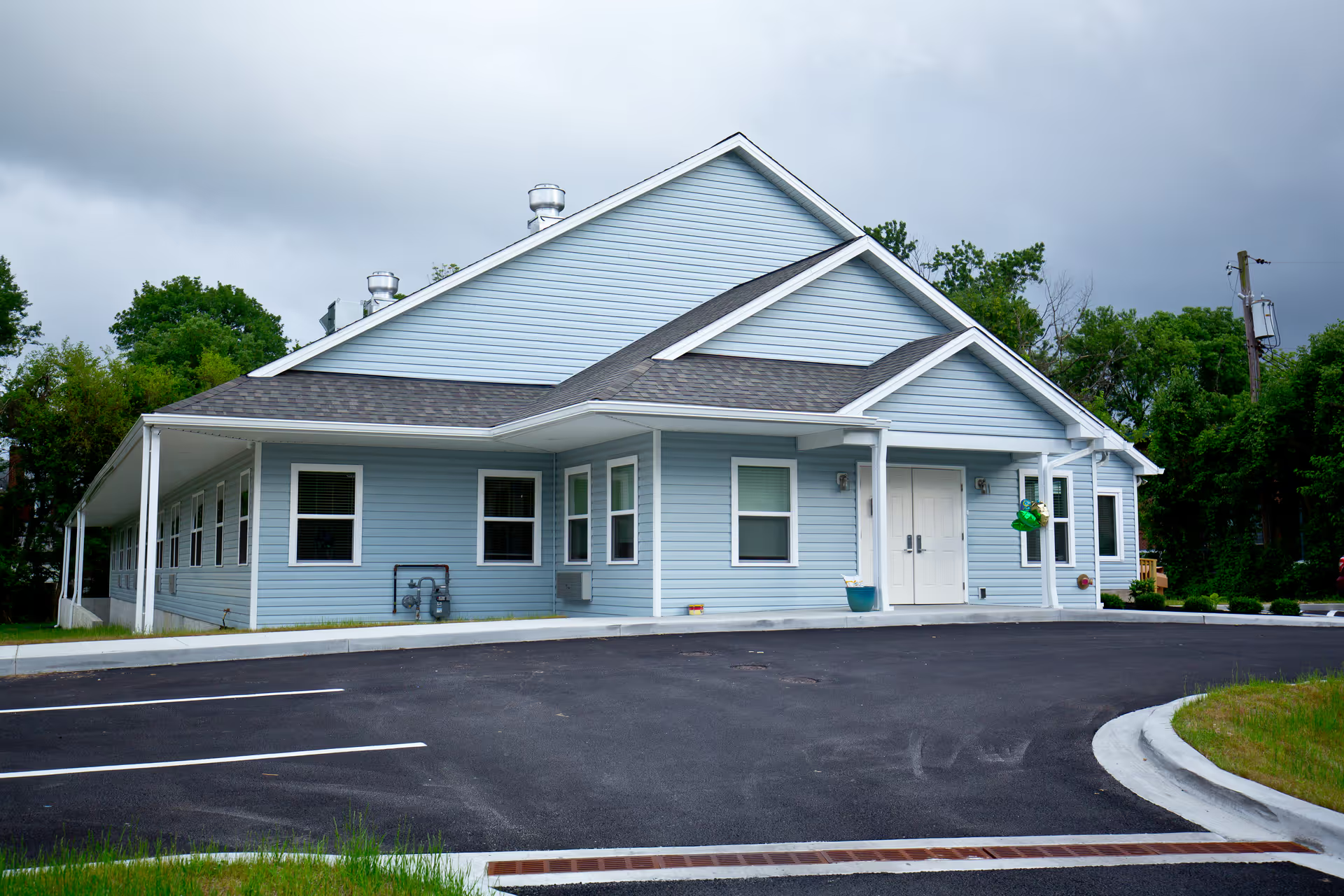
This facility operates as a very small, home-style setting in a residential Pikesville neighborhood. Rooming options include private and double rooms, and the provider accepts at least one type of pet (cats), which supports residents who wish to keep animals. The community’s small census and quiet, orderly environment are consistent themes; families describe caring, friendly staff and an intimate atmosphere that some find highly satisfactory and would recommend.
Care and staffing impressions are generally positive in interpersonal terms: reviewers describe staff as attentive and compassionate, and the small size implies a high degree of personal attention for low-acuity residents. At the same time, the small-scale model appears to limit clinical breadth—reviewers indicated the setting may not meet needs for residents who require higher levels of medical or rehabilitative care. There is limited documentary detail about medication management, clinical staffing levels, or formal care protocols in the reviews, so prospective families should verify those items directly.
Physical plant and amenities show mixed signals. Several reviewers noted that the house needs updating—examples include an older exterior ramp and areas of drywall or surface repair that are outstanding. Those observations point to deferred maintenance and potential accessibility issues that could affect residents with mobility limitations. The compact footprint also means on-site amenities are minimal compared with larger assisted-living providers; this supports a home-like experience but reduces available recreational resources.
Activities and dining are not emphasized in the feedback. Activity programming is described as limited, and reviewers did not provide substantive information about meal quality, menus, or dining services. Prospective residents should ask for current activity schedules, sample menus, and how the facility supports social engagement given its small population.
Management and operational patterns warrant attention. Reviewers identified problems with communication channels—unreliable phone access, difficulty reaching the owner, and scheduling coordination lapses—alongside occasional unavailability for new admissions due to limited capacity. These are operational traits that affect families’ ability to arrange visits, admissions, and routine coordination. Given the combination of a small census and these communication issues, families should confirm admission availability, on-call procedures, and preferred methods of contact before committing.
Overall, the facility appears to suit adults seeking a small, quiet, pet-friendly, home-like environment with personable staff. Conversely, it may be less appropriate for individuals who need extensive activities, robust clinical services, or guaranteed accessibility features. Recommended next steps for interested families include an on-site visit to inspect accessibility and maintenance, direct questions about staffing and clinical capabilities, review of activity and dining offerings, and confirmation of management communication practices and admission policies.