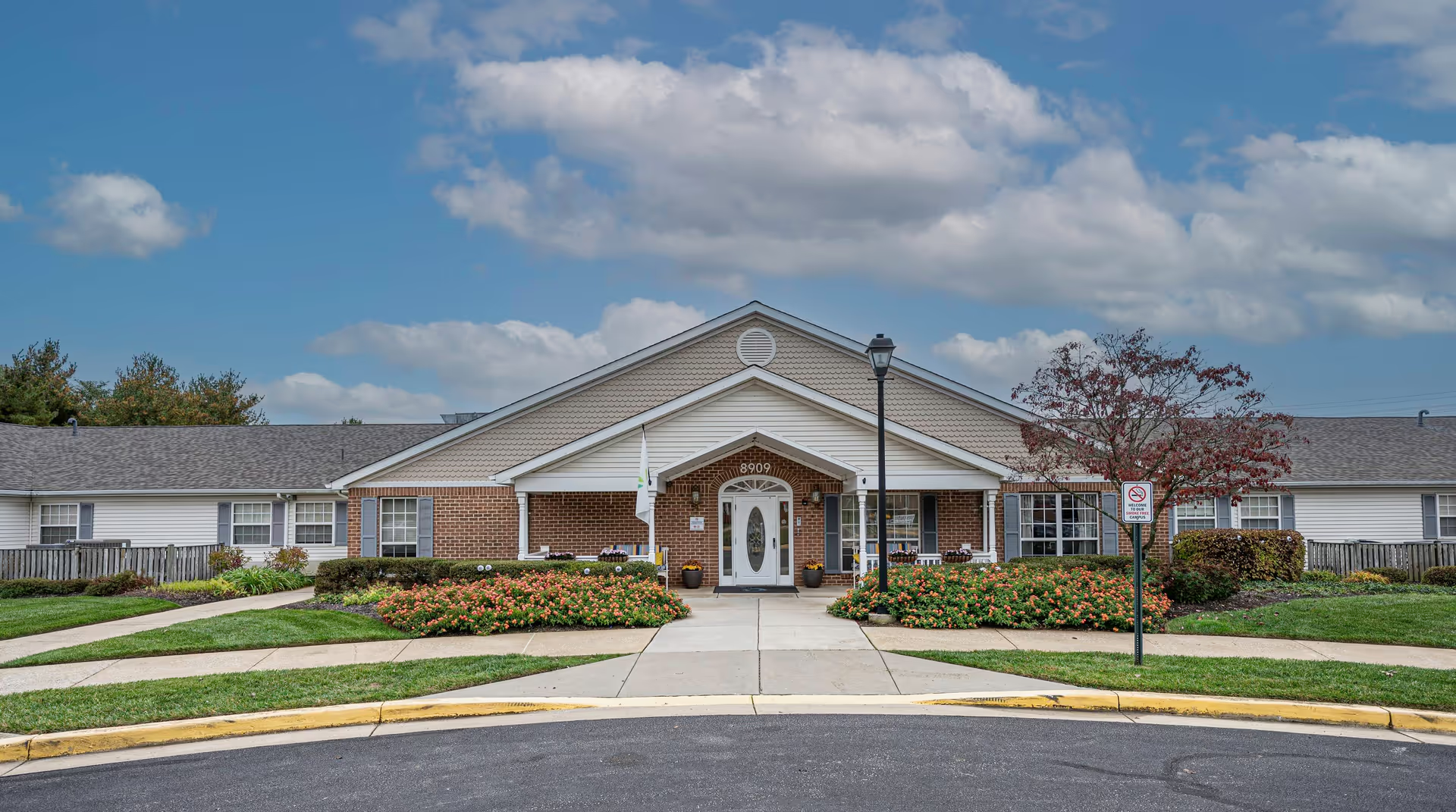
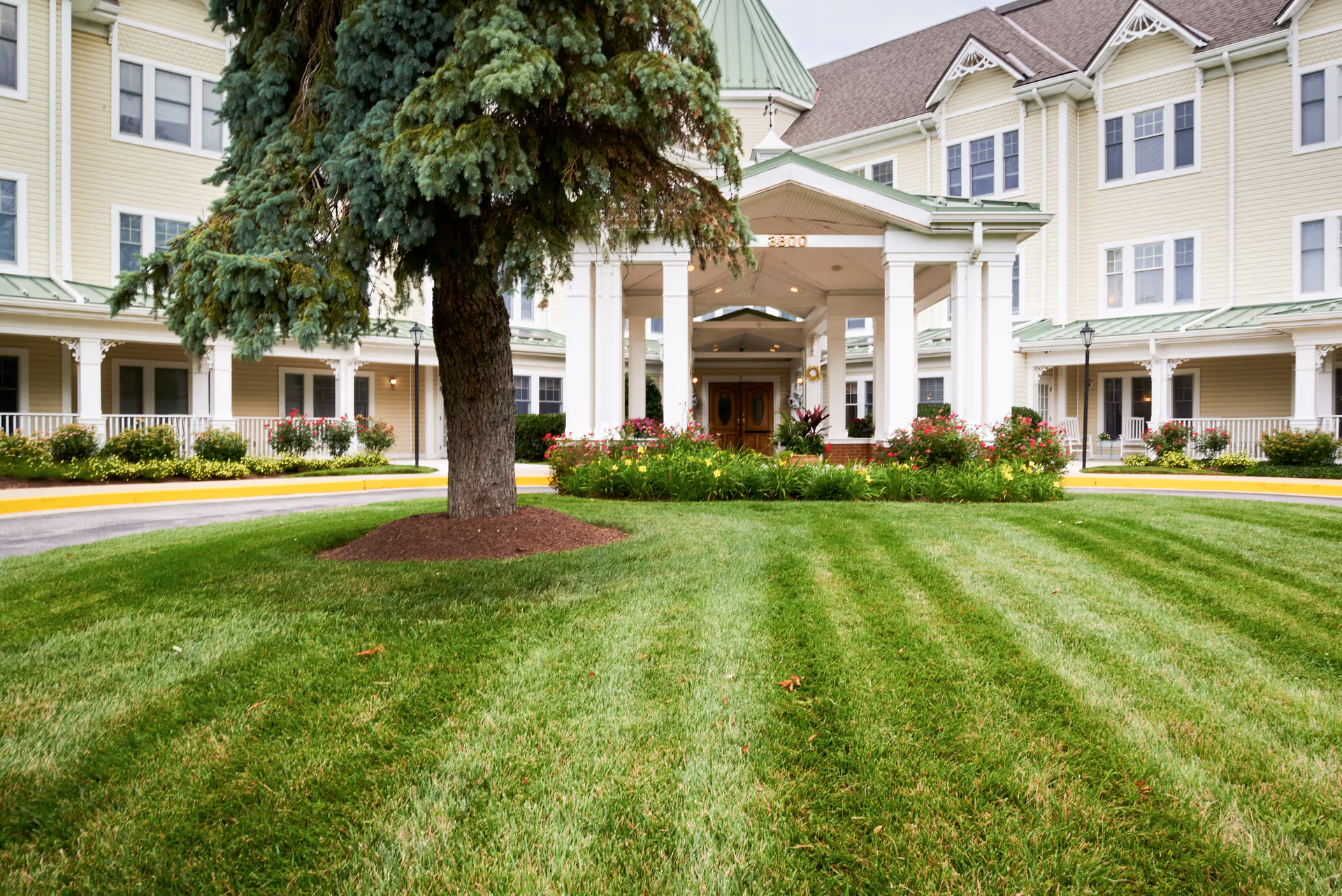
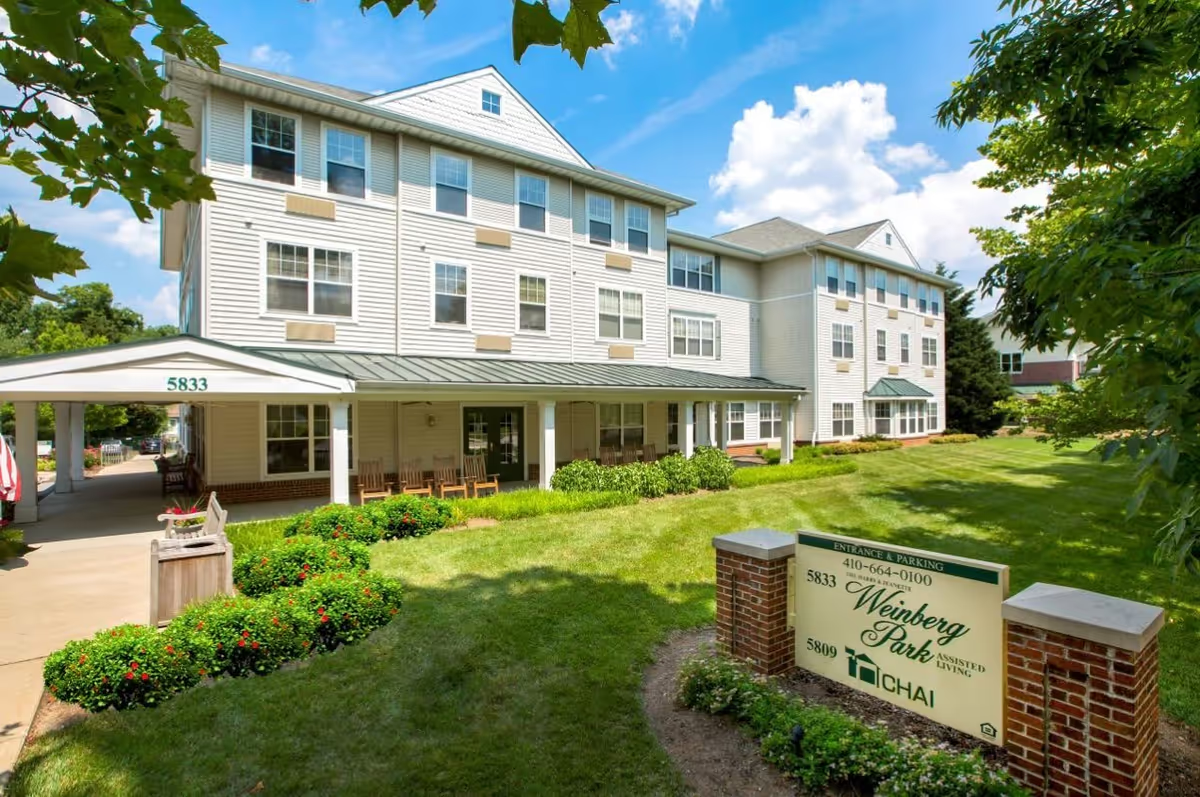
Charter Senior Living of Woodholme Crossing elicits strongly mixed impressions. Many reviewers praise the staff for being compassionate, personable, and engaged: life-enrichment teams, dining servers, nursing aides, and front-desk personnel are frequently described as welcoming and familiar with residents' names and preferences. The property presents as modern in many areas, with recent renovations, clean common spaces, apartment-style units with private bathrooms, and restaurant-style dining available. On-site clinical resources (physicians, dental services, and physical therapy) and a broad calendar of social programming and outings add to the appeal for families seeking an active assisted-living environment.
Care quality and staffing show a split pattern. Several accounts highlight attentive nursing and caregiving, proactive safety checks, and quick emergency responses. However, a recurring operational concern is inconsistent staffing levels—particularly in memory care—resulting in longer wait times for assistance, stretched dining and caregiving shifts, and periodic reductions in memory-care activities. High turnover among memory-care staff and leadership has been noted, which aligns with reports of uneven program continuity and fluctuating staff familiarity with residents' needs.
Dining and activities are a strength for many residents but inconsistent for others. Multiple reviewers describe varied, well-presented menus, accommodating dietary needs, and regular off-campus lunches and themed events. At the same time, others report declines in menu variety toward month end, limited healthier food options, or instances of unappealing meals. Activities programming is robust in general housing—music, clubs, games, and outings are common—but families have reported reduced or TV-focused programming within memory care units at times.
Facility condition and operations show both positive and negative patterns. Numerous reviews note clean, renovated spaces, pleasant décor, and responsive maintenance for many issues. Conversely, there are repeated mentions of localized cleanliness and sanitation inconsistencies, missed linen or room cleaning on occasion, and maintenance delays for specific repairs. Infrastructure reliability items—intermittent elevator problems, phone outages, and at least one laundry-related safety concern—appear in feedback and merit verification during a tour.
Management, billing, and communication are areas where experiences diverge. Positive accounts point to approachable directors, smooth move-ins, and clear transition support. Negative accounts describe opaque billing practices, extra ancillary fees (including for medication administration), delayed refunds or deposit handling, and slow or outsourced complaint resolution. Families are advised to obtain clear, written explanations of fees, move-out terms, and expectations for medication handling before committing.
Notable patterns: memory-care experiences are particularly variable—some families find the unit well suited with private bathrooms and consistent programming, while others report reduced activities, leadership turnover, and responsiveness issues. Call-button response times and nighttime coverage are recurrent concerns tied to perceived safety and timeliness of care. Conversely, many reviewers emphasize a warm community feel, active programming, and staff members who go above and beyond.
For prospective residents and families: visit during multiple times of day (meals, activities, evenings), ask for current staffing ratios and turnover metrics—especially in memory care—request documented response-time expectations for call devices, obtain a detailed fee schedule and contract copy, and confirm recent inspection/incident records and maintenance logs. Those steps will help verify whether the local strengths (engaged staff, on-site clinical services, active programming) align with your expectations and whether operational concerns have been addressed.