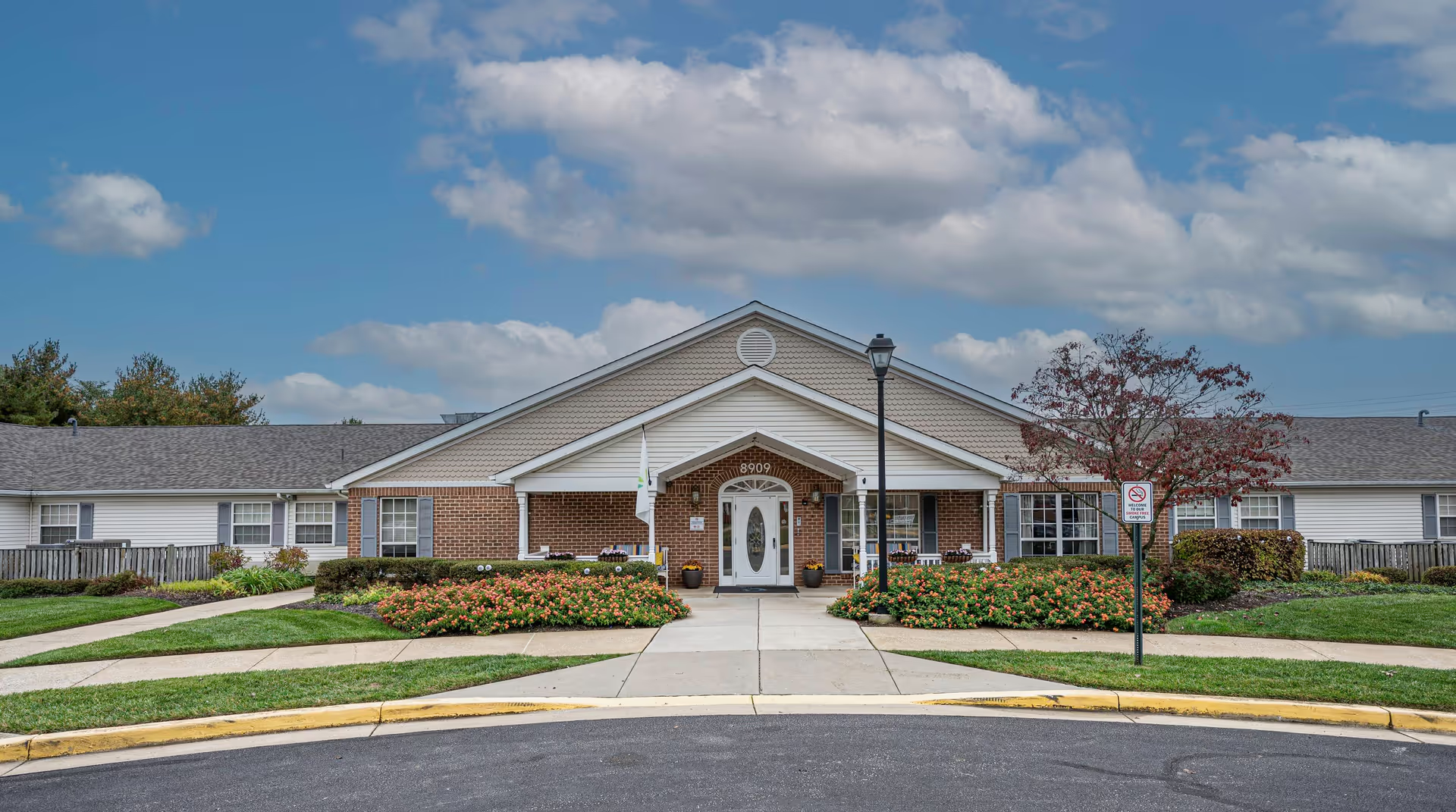
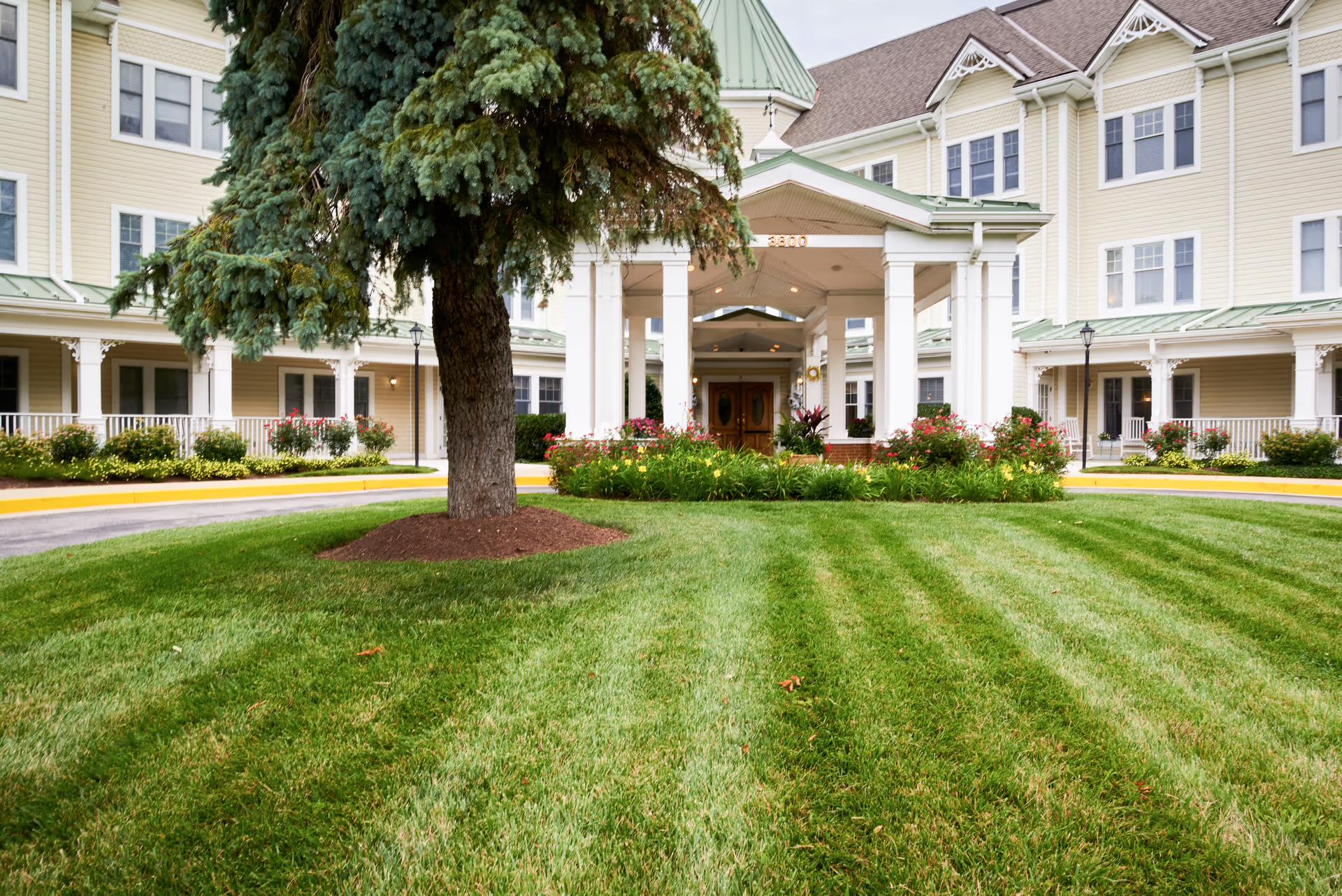
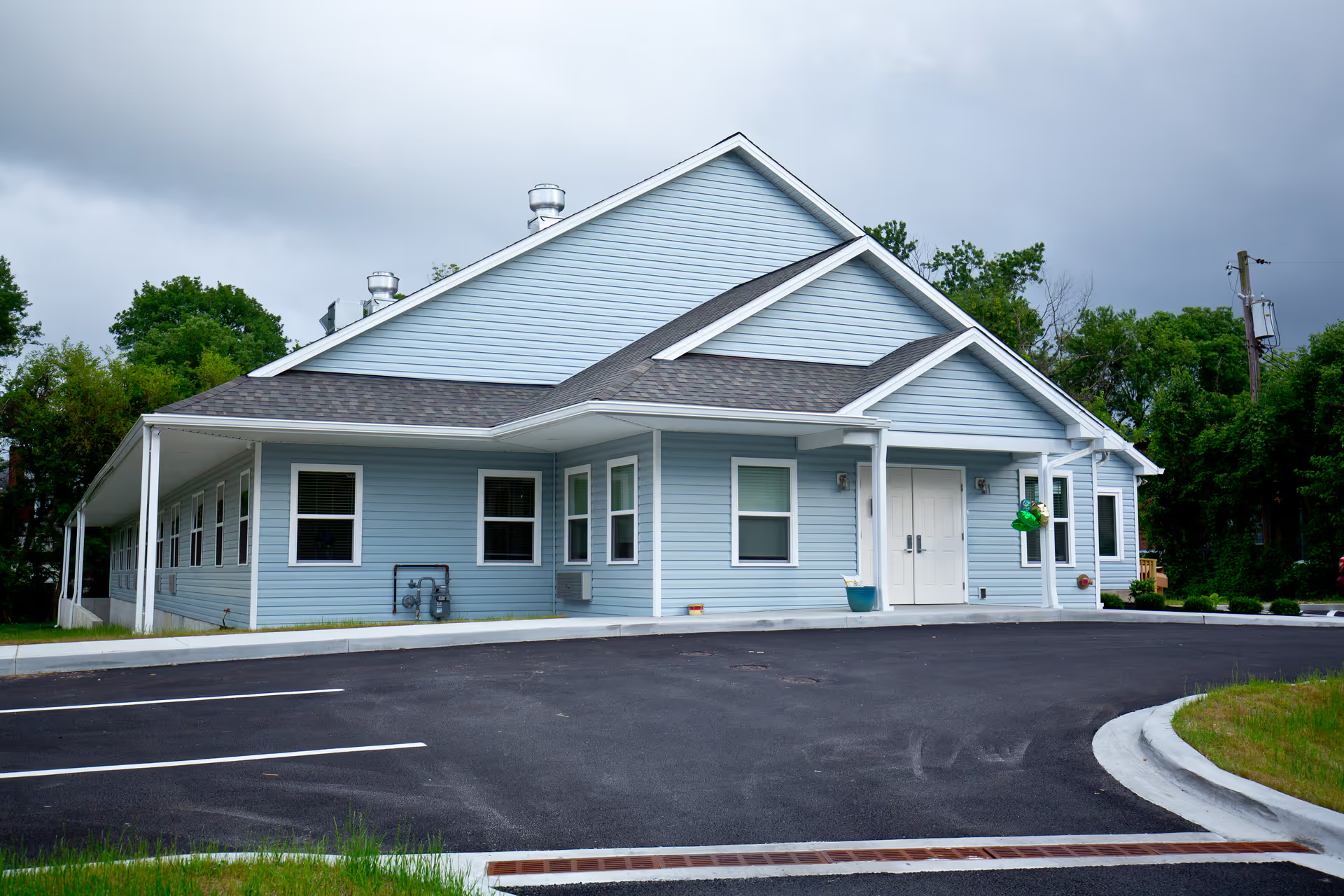
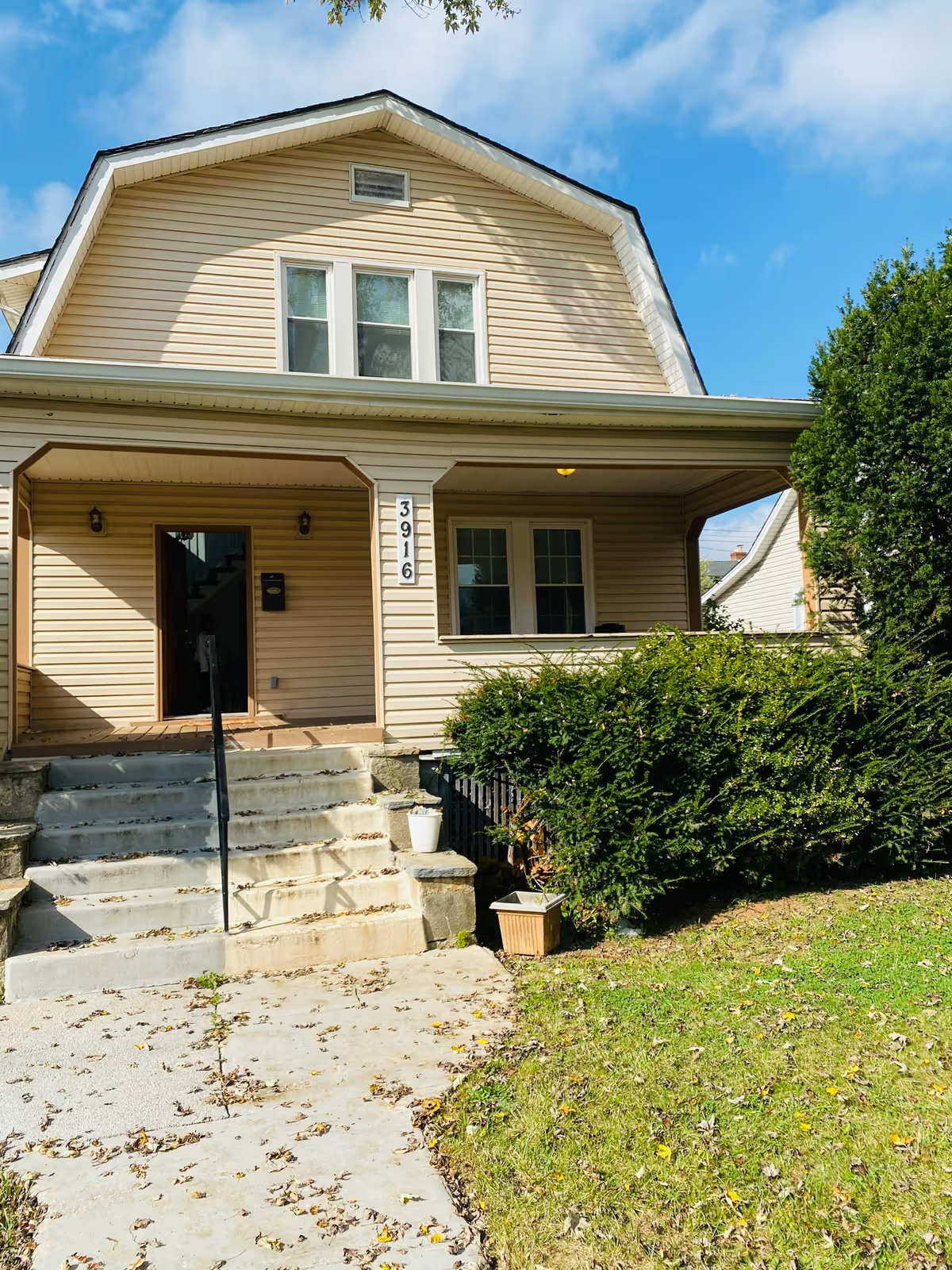
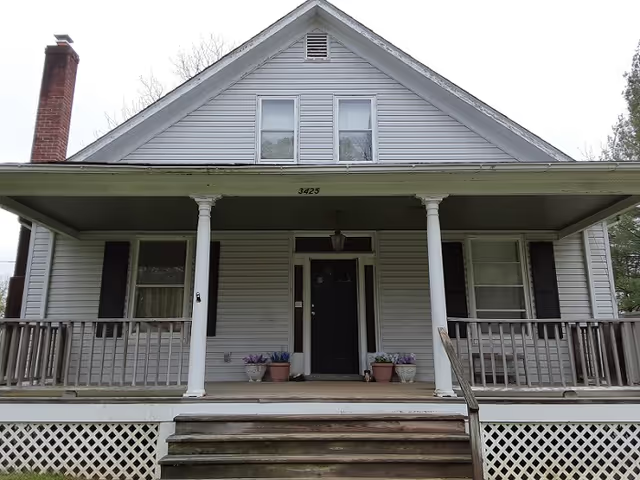
Springhouse of Pikesville elicits a mixture of strong praise and substantive operational concerns. Strengths most consistently described include a caring, personable caregiving staff, visible licensed nursing coverage and access to on-site physicians, and a robust therapy program that supports rehabilitation needs. Many reviewers highlight an active social environment with frequent activities—games, music, outings, and structured programs—that supports resident engagement. The facility’s appearance is frequently described as attractive and campus-like, with well-kept outdoor courtyards, walking paths, multiple dining and social spaces (cafés, pub, TV lounge), and on-site amenities such as a salon and transportation for outings. Private apartment layouts, some with kitchenettes and full bathrooms, are noted positively, and several families characterize the community as offering good value compared with peers.
Care and staffing present a mixed picture. Numerous accounts praise individual caregivers, nurses, and therapy staff as skilled and compassionate; at the same time there are recurring operational concerns about staffing levels, turnover, and inconsistent staff performance. These workforce constraints are linked in reviews to delays in responding to resident needs, variability in assistance with activities of daily living, and uneven night coverage. Clinical patterns that emerge include inconsistent medication administration and documentation, and gaps in record-keeping and mandated training. While licensed nursing presence and in-house physician coverage are listed as strengths, families should be aware of variability in day-to-day execution of clinical procedures and follow-up.
Dining and household services show divergence as well. Many reviewers enjoy social aspects of dining and note generous portions or specific good dishes, but others describe repetitive menus, bland or cold meals, and inconsistent meal delivery. Housekeeping and cleanliness are similarly dual-natured: some reviews describe very clean, beautifully decorated common areas and manicured grounds, whereas others point to sanitation concerns in specific spaces, aging furniture, and uneven room-level housekeeping. Prospective residents should expect generally attractive common spaces but should verify unit-level housekeeping expectations during tours.
Management, billing, and security are notable pattern areas to consider. Several reviews cite changes in leadership and a management transition (to a new operator) accompanied by billing delays, missing invoices, and noticeable fee increases. Communication with families is sometimes uneven—difficulty identifying a consistent point of contact, delayed clinical updates, and inconsistent responsiveness to complaints are described. There is at least one account of an alleged theft and concerns about staff access to rooms; that report was associated with dissatisfaction about the administrative response. These items suggest families should ask direct questions about billing transparency, security measures, and escalation pathways during selection.
Overall, Springhouse of Pikesville appears to be a community with many operational strengths—engaging programming, attractive grounds, therapy resources, and numerous staff who are described as caring and professional. However, persistent themes of understaffing, inconsistent clinical and housekeeping practices, dining variability, billing and management turnover, and occasional security/privacy concerns are present. For prospective residents and families, recommended next steps include in-person visits at different times of day, targeted questions about medication administration and staffing ratios, review of recent state inspection or compliance records if available, and direct discussion of billing policies and escalation procedures before admission.