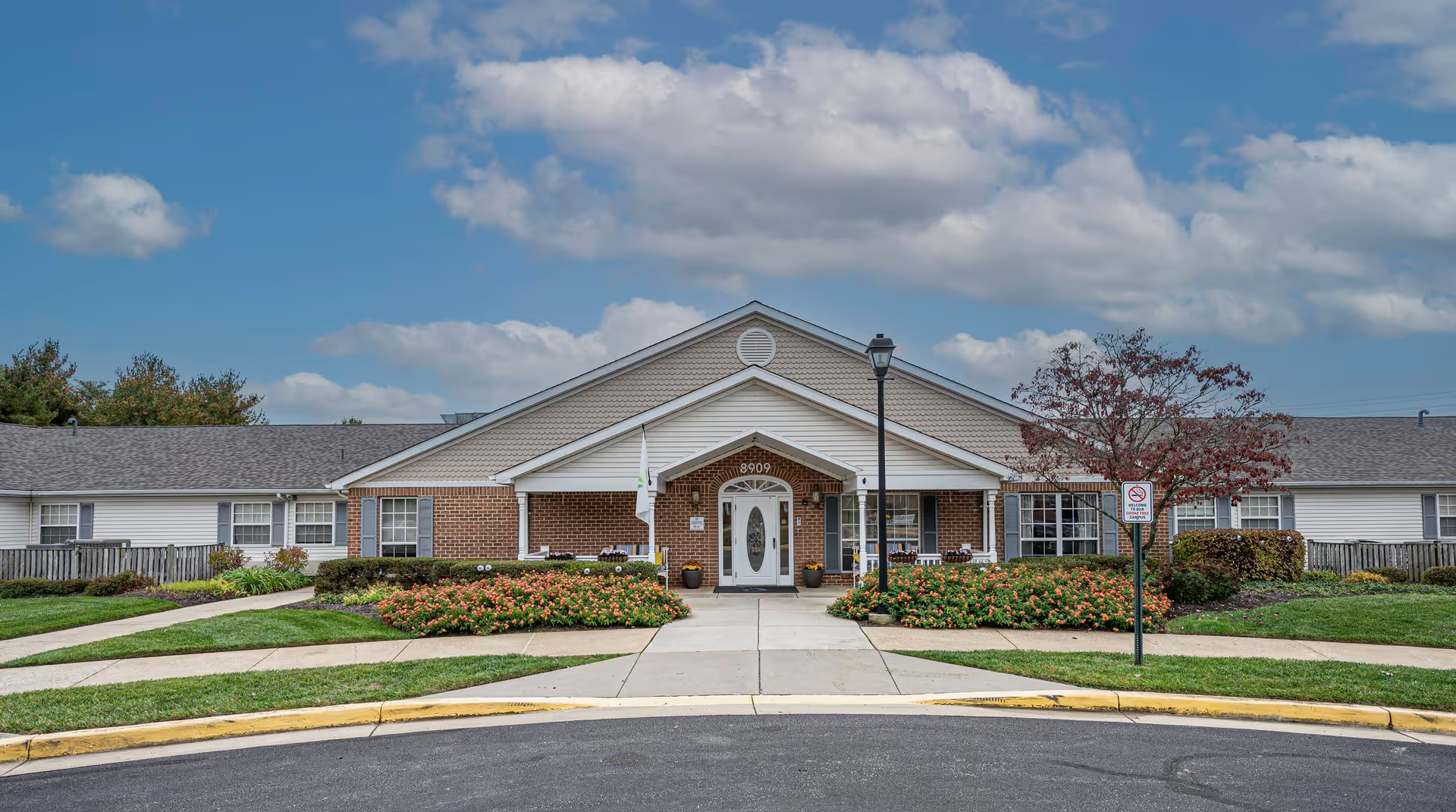
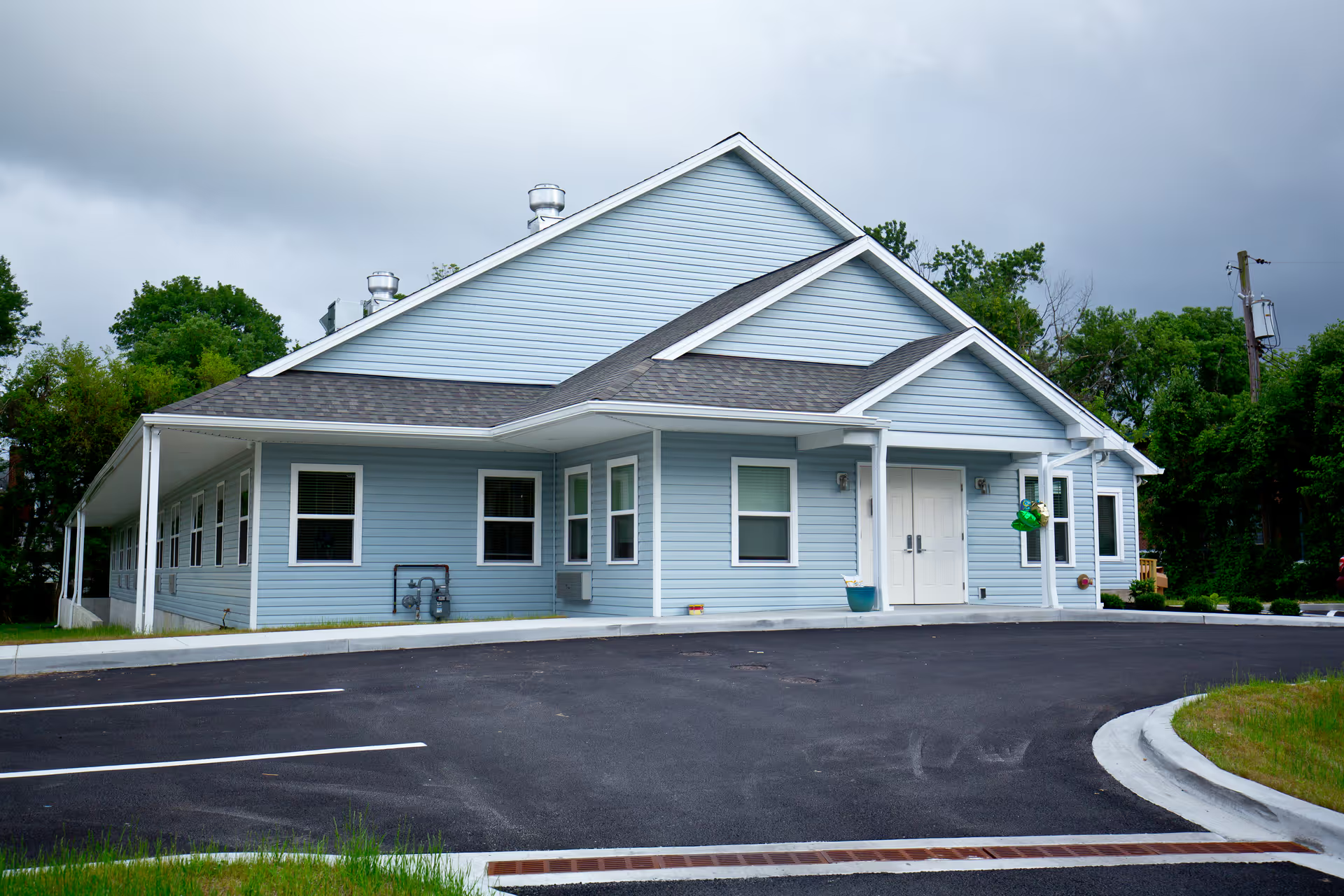
The reviews present a mixed picture of care at Second Genesis Elder Care. Several comments praise frontline caregivers — particularly aides — for making direct contact with family decision-makers and demonstrating effort and compassion during difficult situations. At the same time, there are substantive concerns about the facility’s clinical responsiveness: reviewers describe delays or missed recognition of infection-related conditions and other medical issues, which they perceive as gaps in timely assessment and escalation to appropriate providers.
Staff-level interactions are described in both positive and negative terms. Families express appreciation for the hands-on work of aides and some staff members who communicated about incidents; conversely, there are consistent criticisms about communication pathways and access. Specific issues include blocked contact numbers for powers of attorney, family members being prevented from contacting residents or staff, and confusion or misinformation that later prompted apologies and retractions. These patterns suggest variability in day-to-day communication practices and in how clinical events are documented and conveyed to families.
Management and administrative practices are a recurring area of concern. Reviews reference an allegation of a privacy violation involving the owner (named in reviews) and describe months-long delays in resolving family complaints. Some families characterize the facility’s approach to dispute resolution as confrontational, including threats to make private details public. Such descriptions point to weaknesses in escalation protocols, transparency, and timeliness of complaint handling rather than to isolated operational failures.
There is limited information in the reviews about dining, activities, and physical amenities; reviewers focus primarily on clinical and communication issues. Given the concentration of comments on staff conduct, incident follow-up, and management responses, prospective residents and families should prioritize direct questions about clinical escalation procedures, family-access policies, documentation practices, and the facility’s formal complaint-resolution timeline during any tour or meeting.
Overall, the pattern in the feedback is one of appreciated caregiver effort paired with notable operational and administrative shortcomings: inconsistent clinical response processes, unclear or restricted family-access mechanisms, uneven incident documentation, and slow or adversarial complaint resolution. These are actionable areas for inquiry and clarification for anyone considering placement or partnership with the facility.