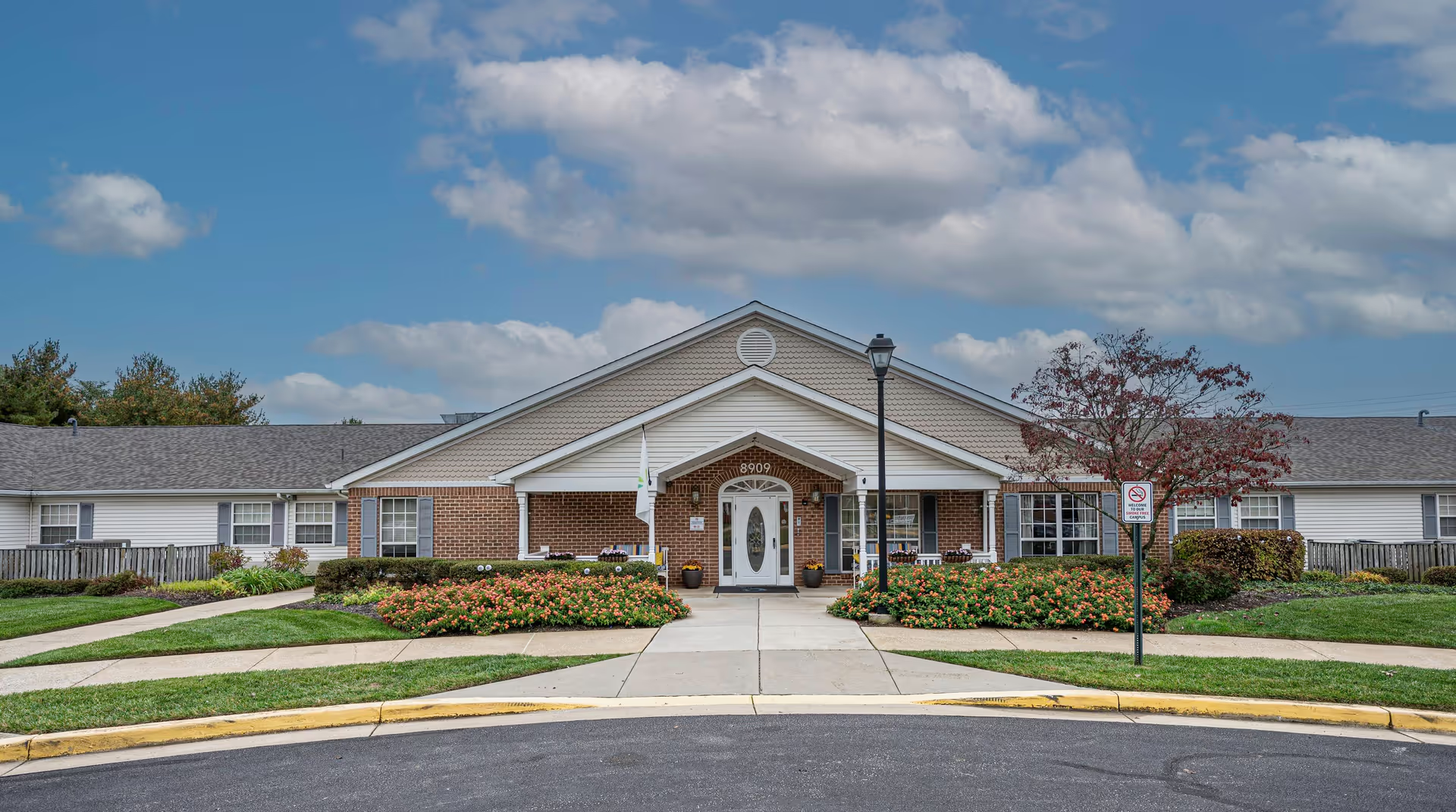
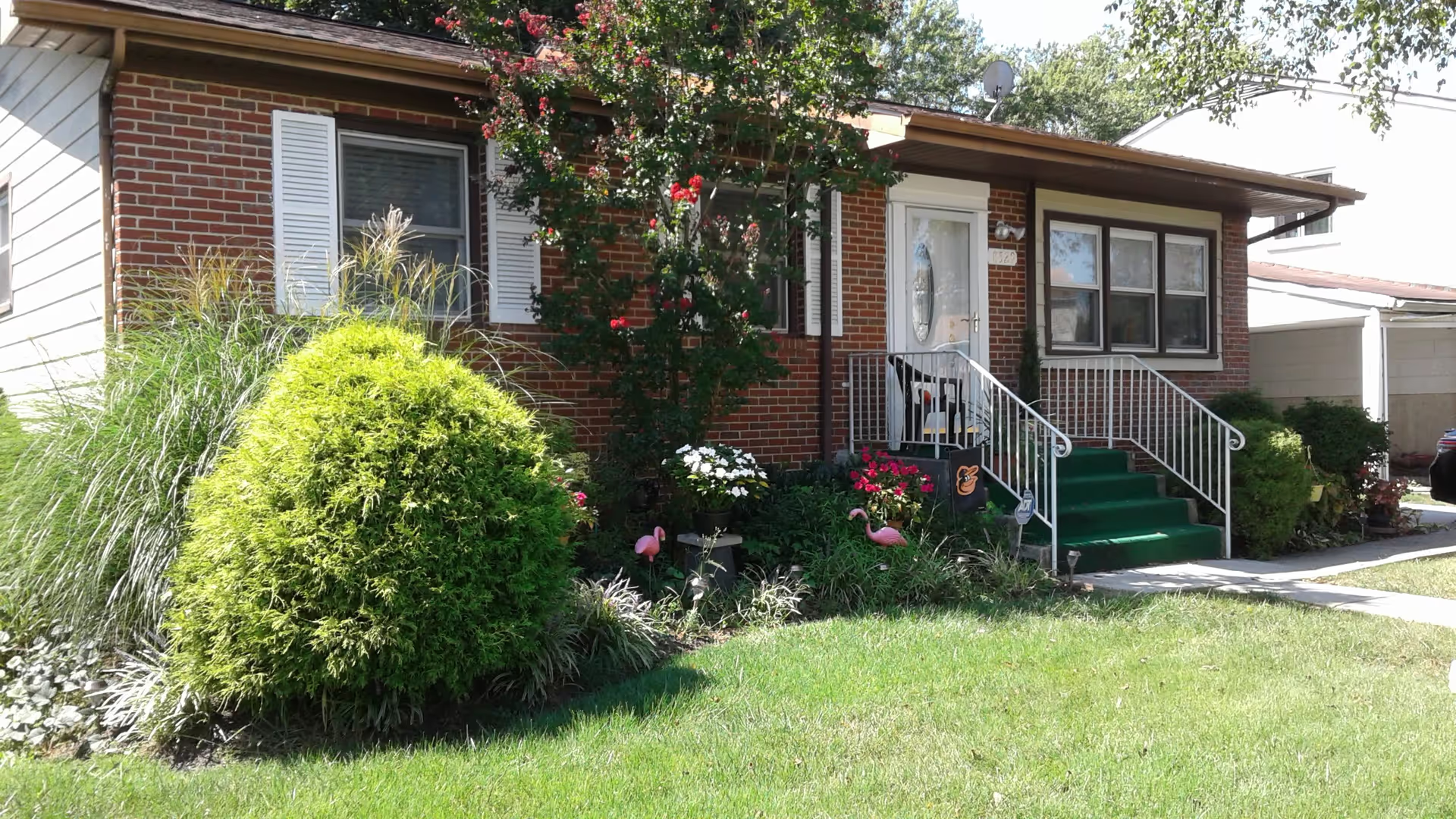
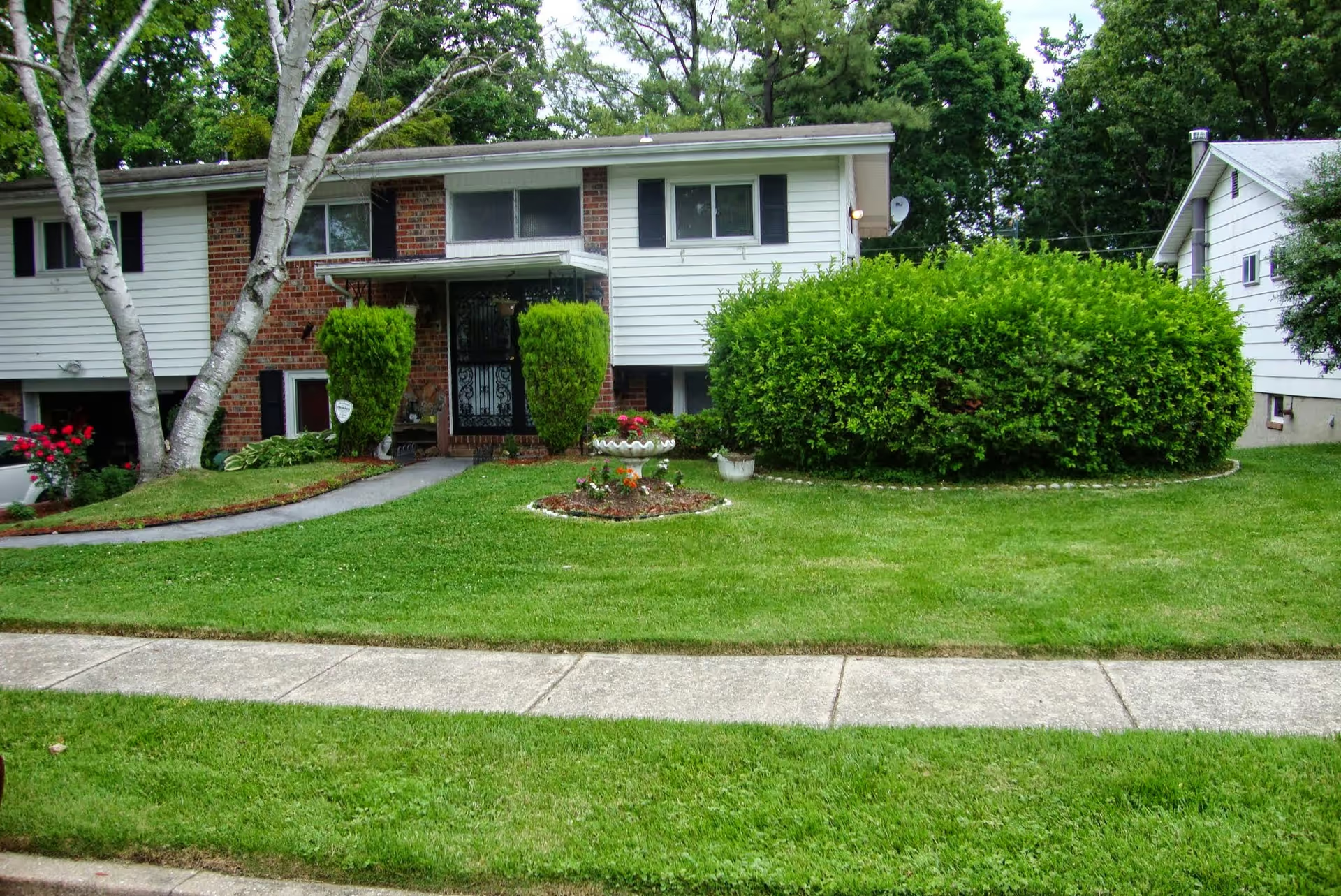
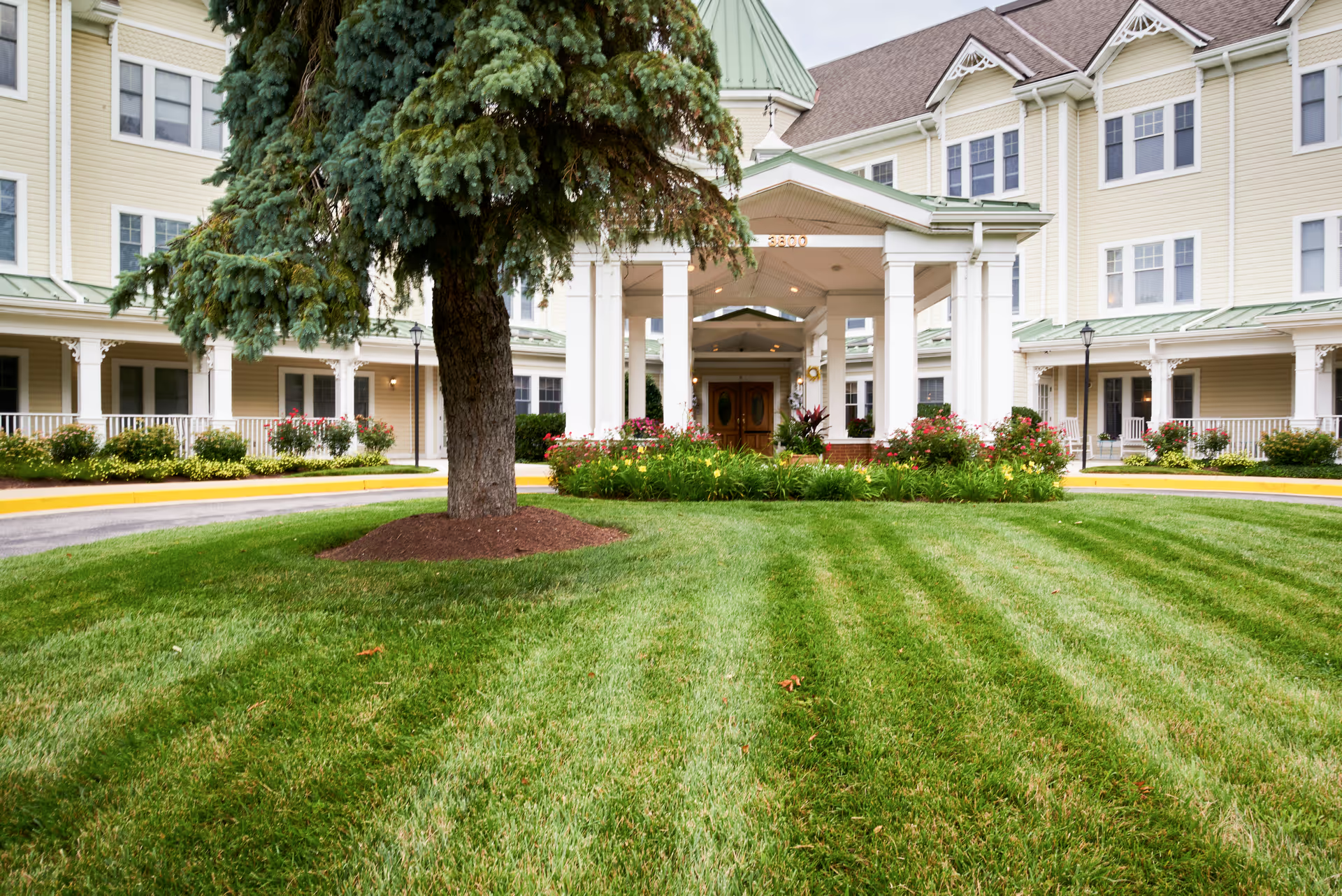
Reviews for BestCare Assisted Living - Reisterstown North present a mixed picture. Many commenters praise the direct-care staff for being caring, responsive and attentive to residents’ daily needs; those positive accounts often highlight consistent assistance with grooming, a regular meal schedule (three daily meals plus snacks), scheduled activities and community outings, and an open visitation policy. Several families describe well-maintained common areas and express overall satisfaction with the interpersonal aspects of care.
At the same time, a number of operational concerns recur across reviews. Staffing adequacy, particularly overnight, is a frequent theme: reviewers describe stretched night shifts and situations where available staff were limited. Related to staffing, multiple entries raise concerns about medication management and clinical oversight—examples include medication errors and worries about sedation or excessive medication—indicating potential gaps in medication-administration controls and clinical monitoring. Infection-prevention practices and hand-hygiene adherence are also questioned in some accounts, which, combined with sanitation and odor concerns in parts of the facility, point to variable environmental and infection-control standards.
Reports about personal property handling and laundry management suggest inconsistent processes for tracking and returning clothing and belongings. Similarly, accounts conflict on personal-care consistency: while some families note regular grooming and cleanliness, others describe uneven attention to residents’ appearance, implying variability in routine care delivery. Activity programming is generally cited as a strength, but other reviews describe limited or irregular outings and engagement opportunities, indicating that activity availability may vary by unit or over time.
Management and administrative practices form a distinct area of concern for several reviewers. Issues include privacy and confidentiality shortcomings, questions about owner professionalism, and at least one allegation concerning videotaping of visitors; these comments, together with mentions of possible health-code or regulatory problems, suggest families should evaluate management transparency and compliance history. Communication around critical events—particularly end-of-life situations and hospice coordination—is another recurring theme, with some families describing distressing communication gaps during residents’ final hours.
For prospective residents and families, the facility appears to offer strengths in caregiver responsiveness, basic programming, and an accessible visitation policy, but there are operational risks to evaluate carefully. Recommended areas for inquiry during tours and meetings include current overnight staffing levels and staffing ratios, medication administration and pharmacy oversight practices, infection-control protocols and recent inspection records, property and laundry handling procedures, privacy policies and visitor recording rules, and how the facility coordinates hospice and critical-event communication with families.