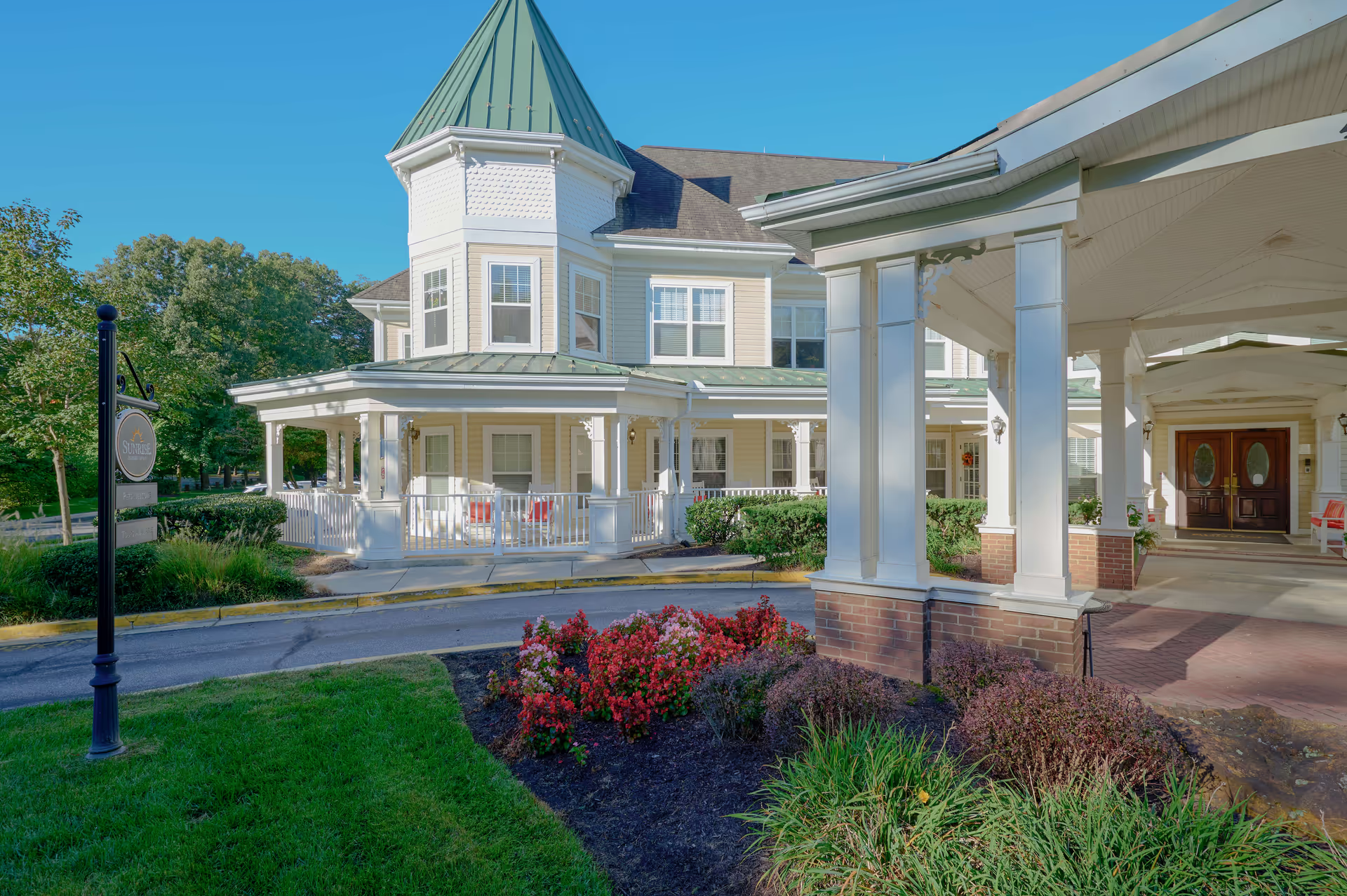
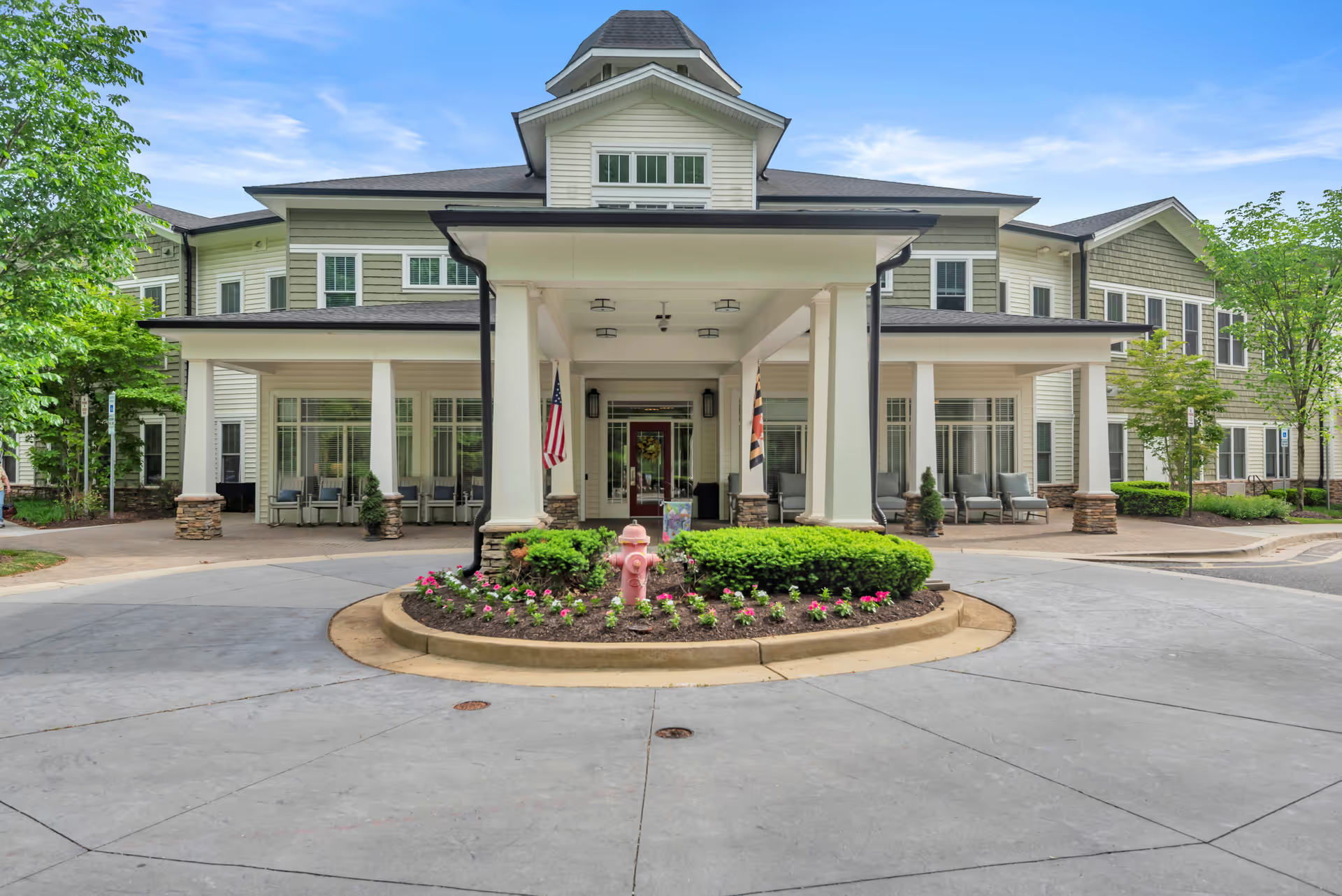
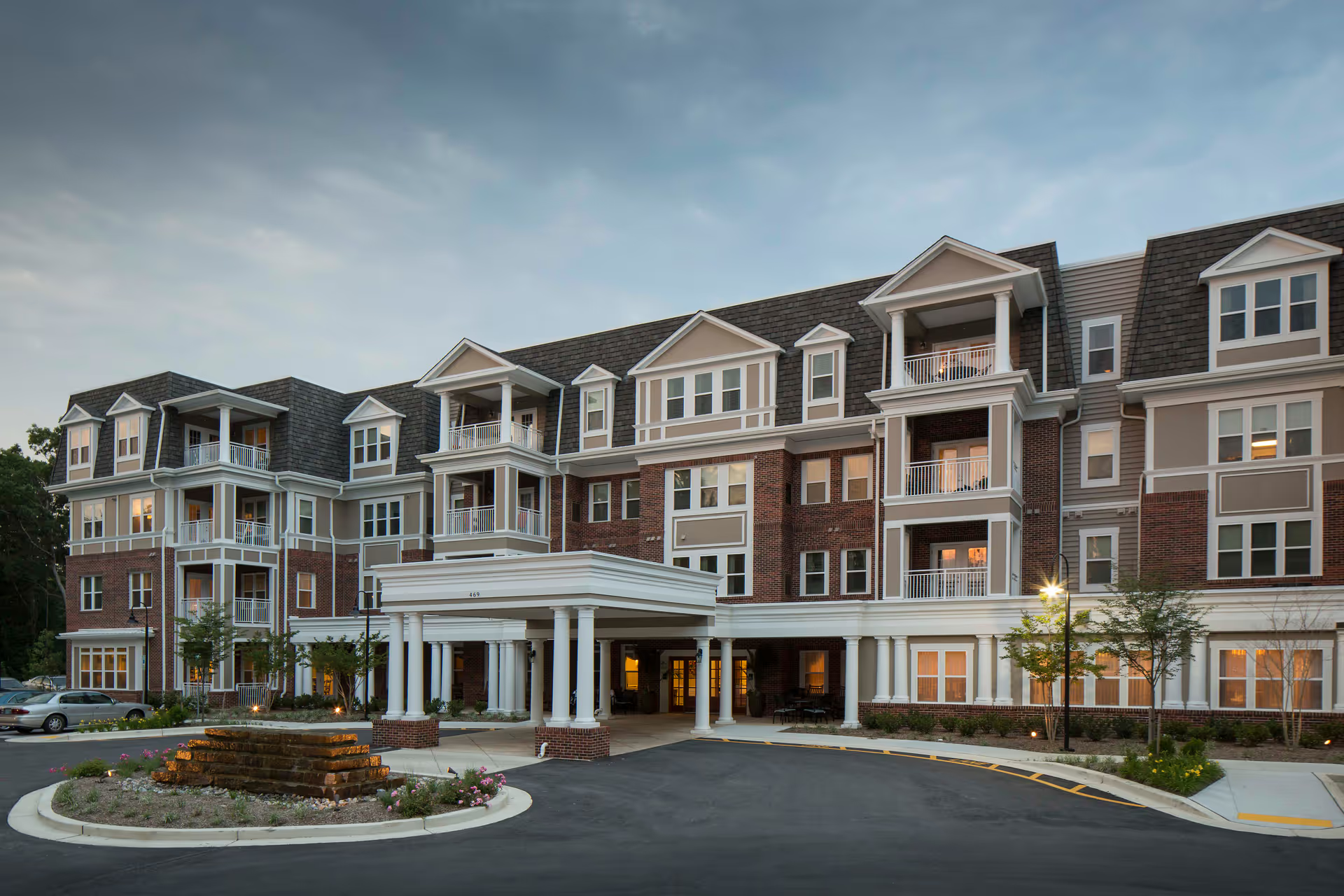
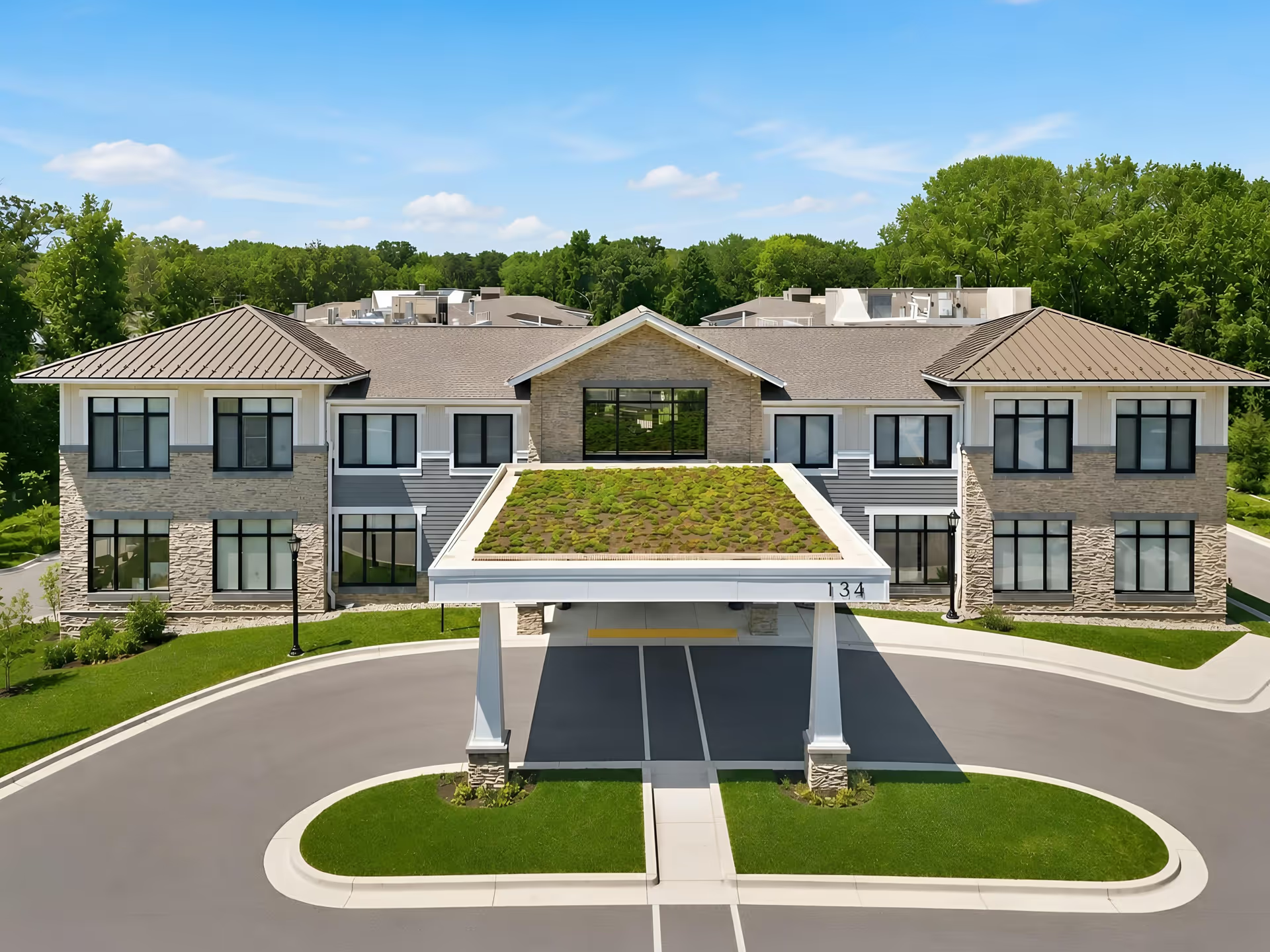
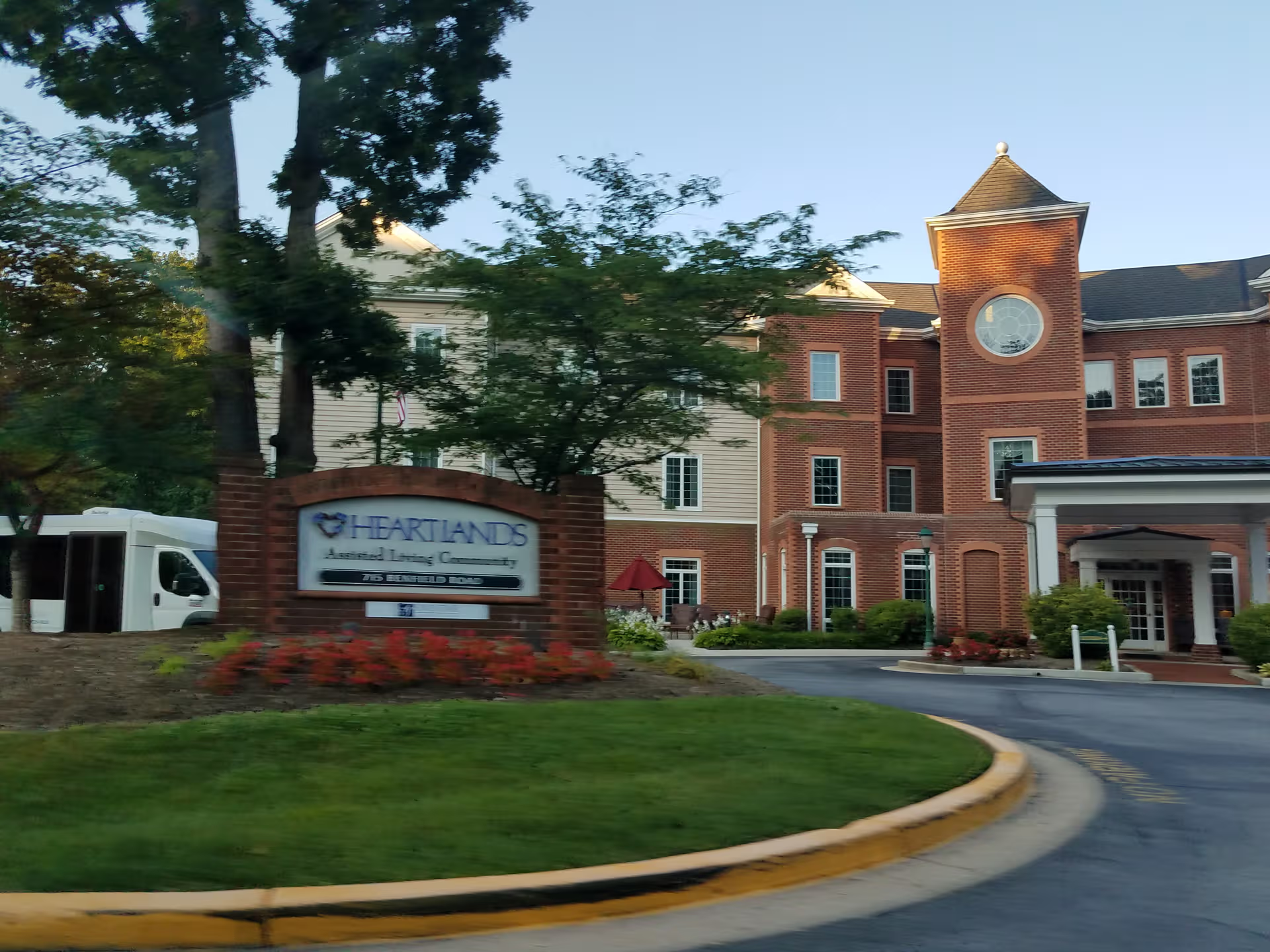
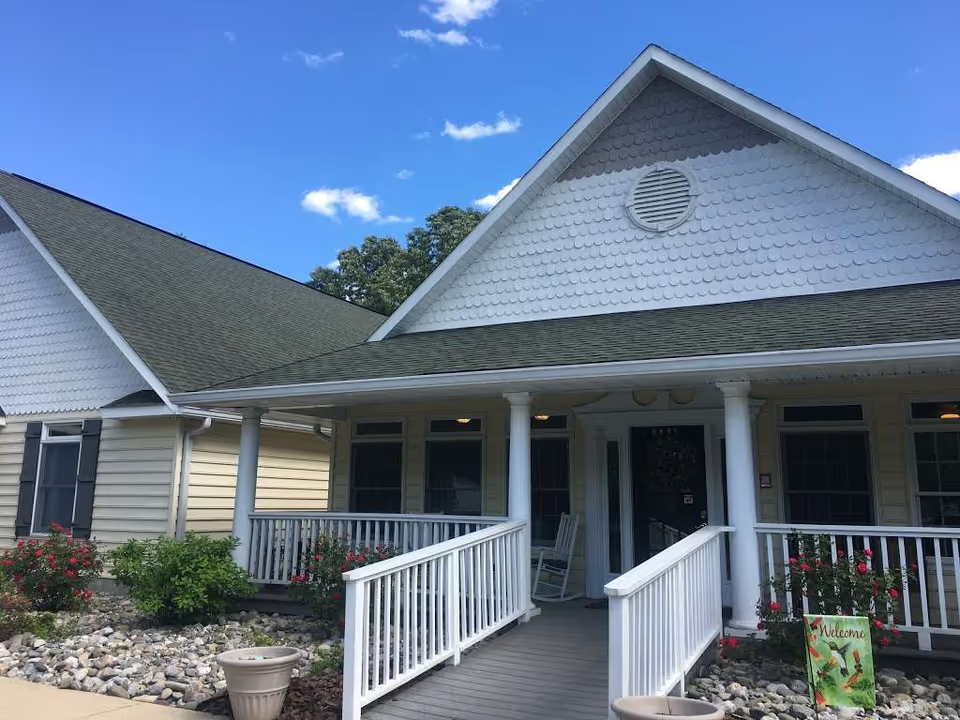
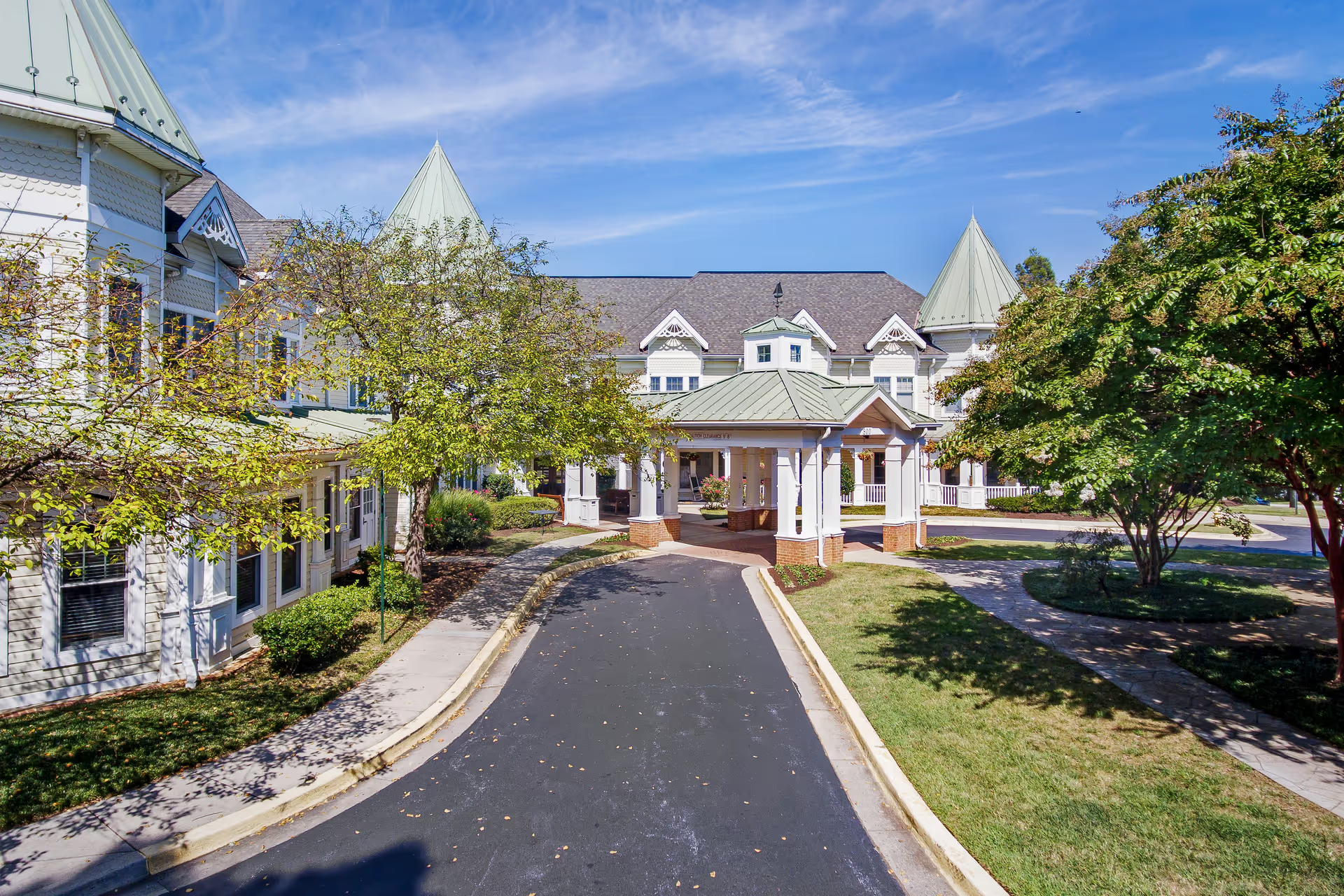
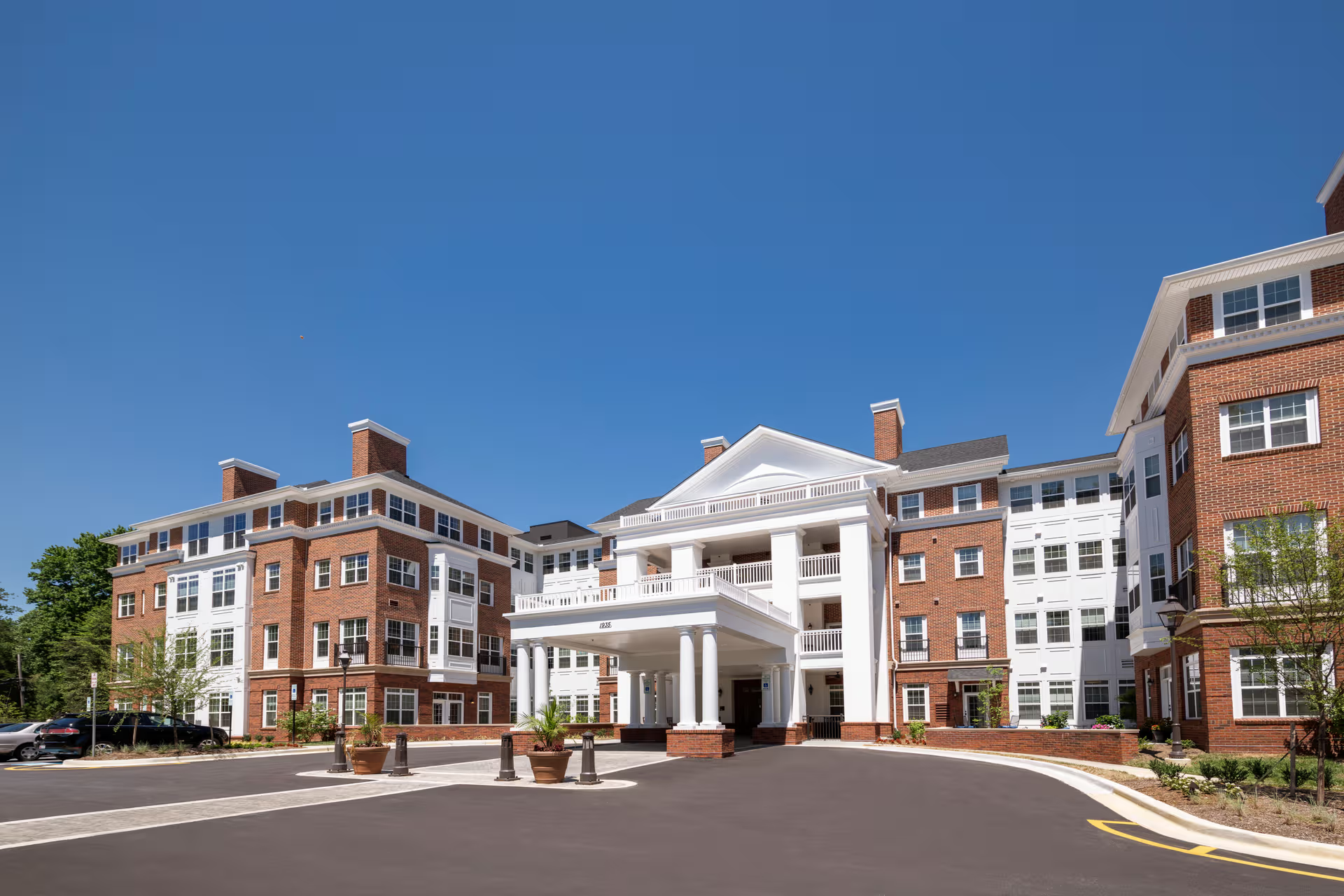
Reviews present a mixed but consistent picture: many families praise the facility for compassionate, family-style caregiving, a helpful front-desk and clinical team, attractive waterfront grounds, and renovated, well-maintained apartments. Positive themes include attentive bedside staff, strong housekeeping, high-quality meals, engaging activities, pet-friendly policies, and visible owner involvement. Several accounts single out the facility’s ability to provide personalized and supportive end-of-life care.
Care quality appears uneven. Numerous reviewers describe caring, responsive aides and med-techs who listen and provide individualized attention, while others describe operational gaps: chronic understaffing, prolonged shifts, and medication-administration delays. These operational weaknesses are associated with delayed responses to resident needs and occasional inconsistencies in daily care routines. Families should understand that direct caregiving quality may vary by shift and by unit.
Staff and management feedback is mixed. Positive comments emphasize friendly, knowledgeable, and proactive staff and management presence. At the same time, there are substantive concerns about staff conduct, workplace professionalism, and supervisory support — including interpersonal conduct among staff and instances where leadership did not intervene effectively. These dynamics, combined with low caregiver compensation noted by reviewers, may contribute to turnover and variability in service continuity.
Dining, activities, and amenities are generally seen as strengths, with several reviewers noting good cafeteria food, active programming, waterfront views, and comfortable, renovated interiors with new furniture. However, some families described interruptions to meal service and limited outdoor or activity access at times, so program scheduling and meal continuity may vary.
Facility-level operational risks raised in reviews include medication-management inconsistencies, pest-control concerns in some units, unclear personal-property and resident-funds safeguards, and reports of abrupt resident-discharge practices. There are also isolated but serious allegations concerning financial handling and abrupt departures; prospective families may wish to treat those as high-priority topics to verify directly with administration and regulatory records.
What to ask and verify: staffing ratios by shift and average staff tenure; formal medication-administration protocols and auditing; written policies for personal property and resident funds; pest-control history and remediation records; sample activity calendars and outdoor access procedures; and the facility’s resident-discharge and grievance-resolution policies. Checking state inspection reports and speaking with current families on different shifts can help clarify which experiences are most representative.