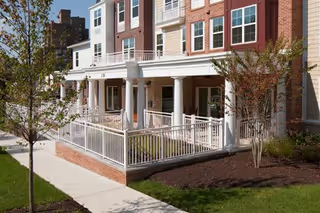
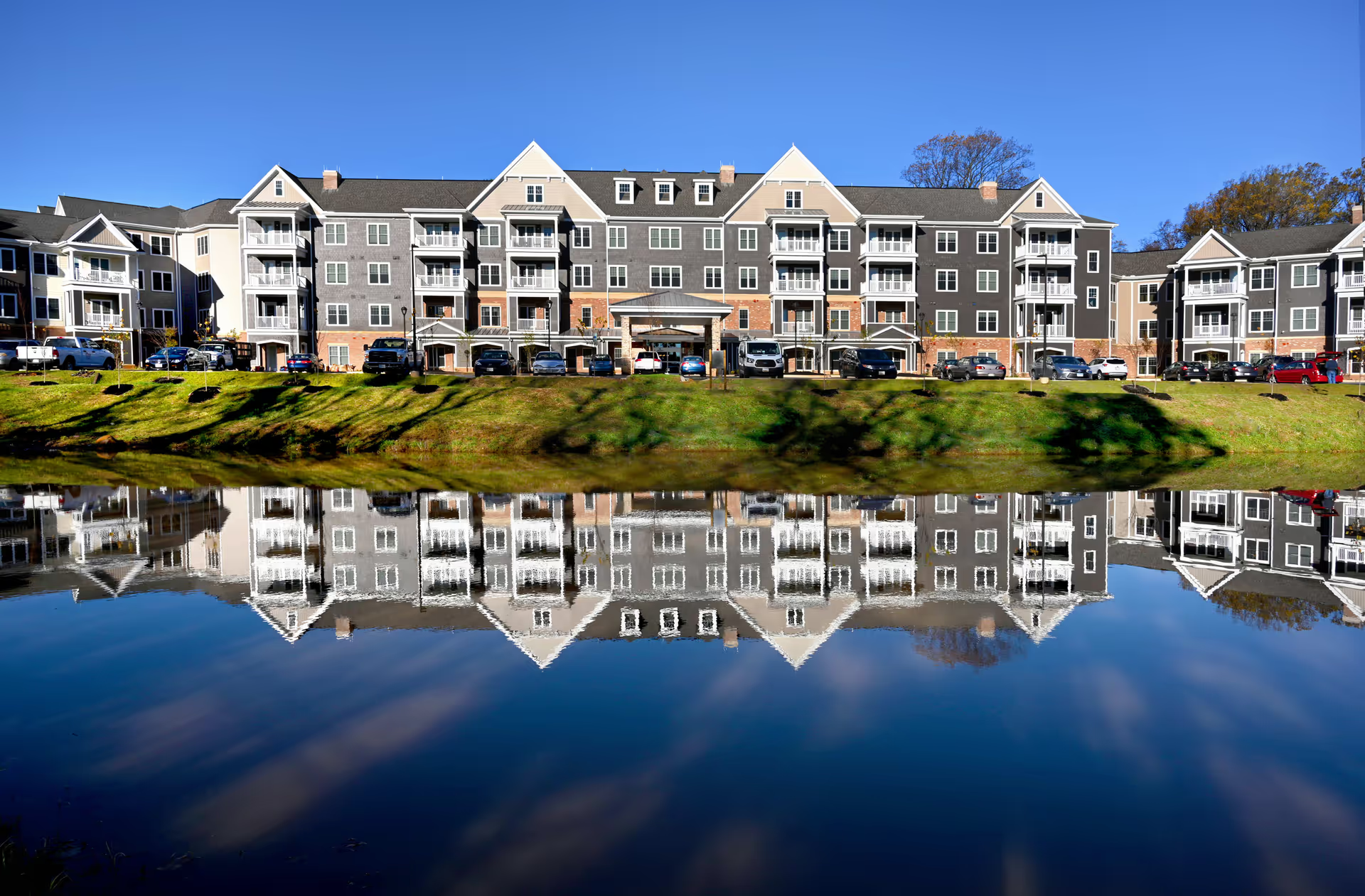
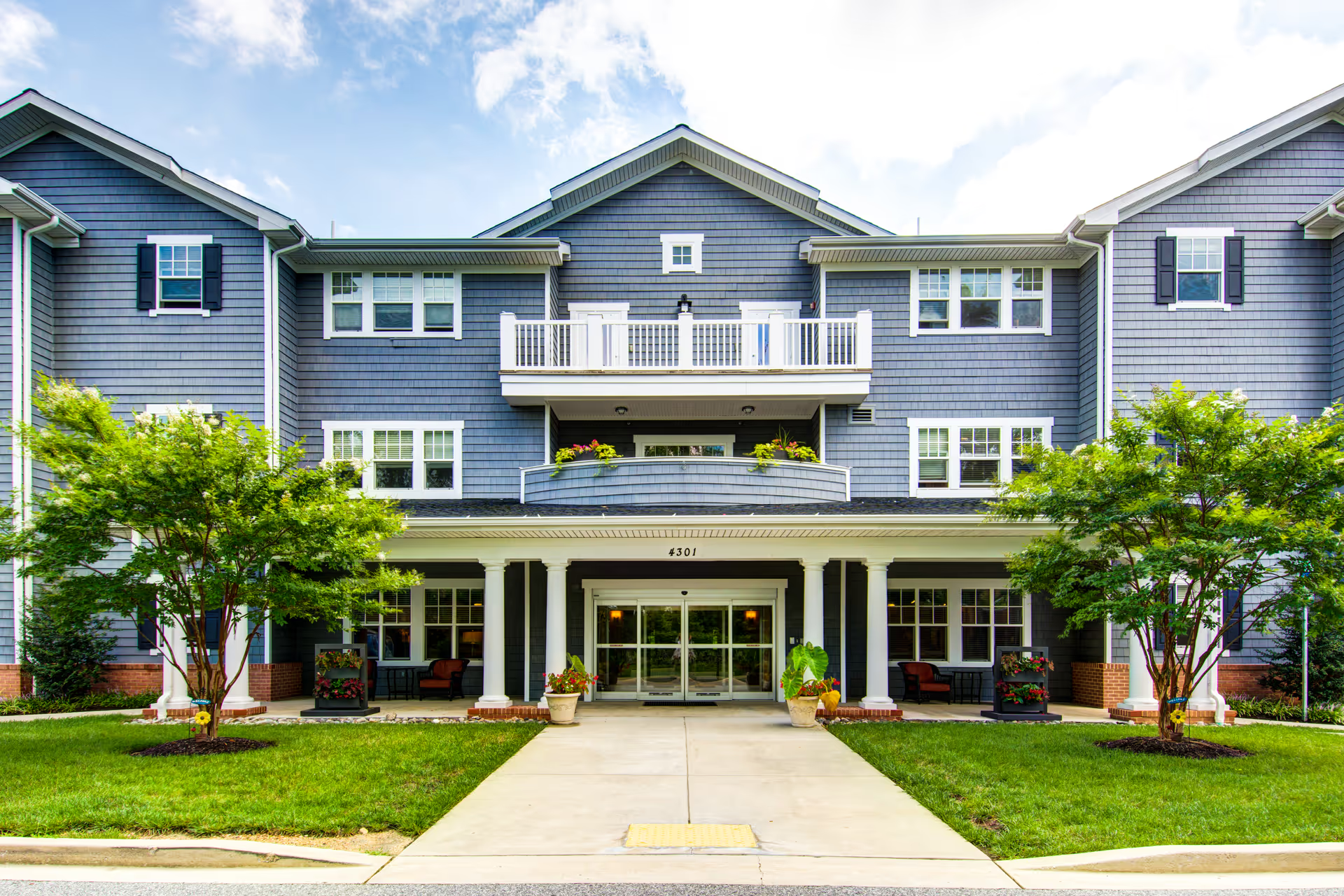
Charter Senior Living of Towson presents as a mid-to-upper tier assisted living community with several clear strengths and recurring operational issues. Strengths cited across reviews include a warm, family-like culture driven by long-tenured direct care staff, multiple reviewers praising individual caregivers, nurses, and activity coordinators for attentive, personalized support. Clinical and therapy resources are a notable positive: the community offers on-site bloodwork, portable x‑ray, visiting specialty doctors, and rehabilitation services, which families found convenient. The physical environment is frequently described as bright, renovated, and well-furnished, with a range of apartment sizes and accessible bathing features that support independence for many residents. Dining is a visible program asset for many: an on-site chef, multiple dining rooms, hydration/snack stations, and accommodating kitchen staff are repeatedly mentioned as positives.
Care quality is uneven in the aggregate. Many families recount excellent hands-on care, strong therapeutic follow-through after acute events, and supportive end-of-life coordination. At the same time, recurring themes point to variability in caregiver training, inconsistent adherence to care plans, and delayed responses to call bells. Memory-care experiences are mixed: some families describe smooth transitions and respectful, engaging programming, while others note gaps in supervision and activity execution in that neighborhood. Reviewers also raised concerns about the community's ability to manage higher-dependency residents—transfers and care for bedridden individuals were described as constrained by staffing and equipment limits.
Operational and service delivery issues account for much of the negative feedback. Staffing shortages—particularly on nights and weekends—are associated with delays in assistance, housekeeping lapses, missed or delayed laundry, and variability in meal delivery. Housekeeping and maintenance performance is inconsistent: while many reviews praise cleanliness and prompt maintenance, others document sanitation concerns after environmental incidents, dryer and elevator reliability issues, and delayed completion of service requests. Administrative consistency is another theme: families describe both highly responsive leadership and problematic experiences with move-in coordination, communication lapses, billing/additional-fee surprises, and perceived unprofessional behavior from some managers.
Programming and lifestyle offerings are a consistent strength: a robust calendar of activities, frequent entertainment, social outings, and small-group programs contribute to an active community environment. Some reviewers felt activities skew toward specific interests or demographics and indicated a need for more inclusive options for less mobile or male residents. Amenity expectations should be calibrated—while the interior common areas are often praised, the property lacks certain higher-end amenities (no pool or full-scale fitness center in many accounts) and has limited outdoor walking areas.
In summary, Charter Towson appears to be a community with many engaged staff members, useful on-site clinical services, varied activities, and a pleasant physical environment. Prospective residents and families should weigh those strengths against recurring operational concerns: inconsistent staffing and training, housekeeping and maintenance variability, potential limitations for higher-dependency care, and cost relative to the amenities offered. A focused pre-move conversation with leadership about staffing patterns, memory-care staffing ratios and protocols, housekeeping schedules, emergency response times, and any additional fees will help clarify whether this community meets a particular resident’s clinical and lifestyle needs.