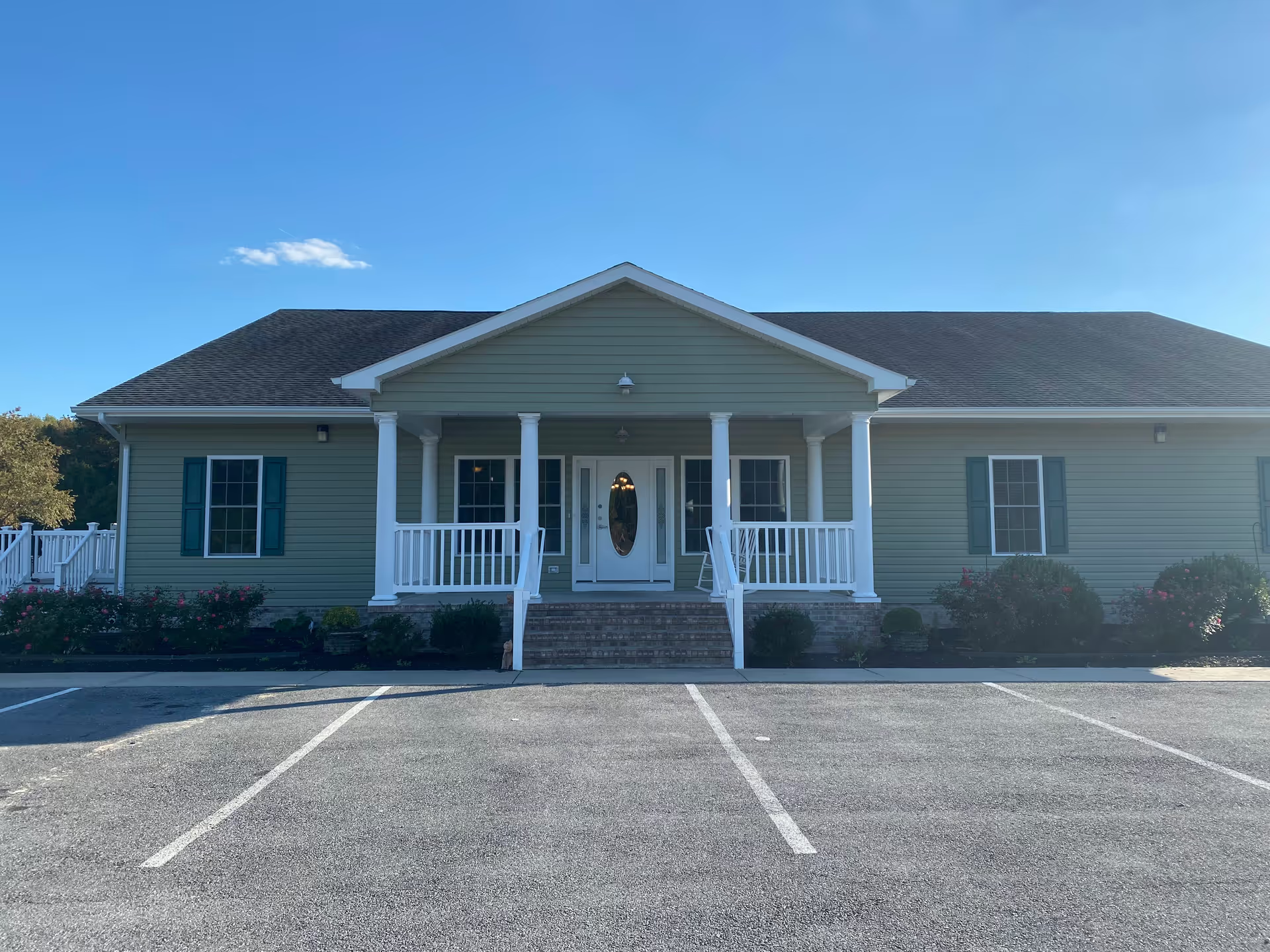
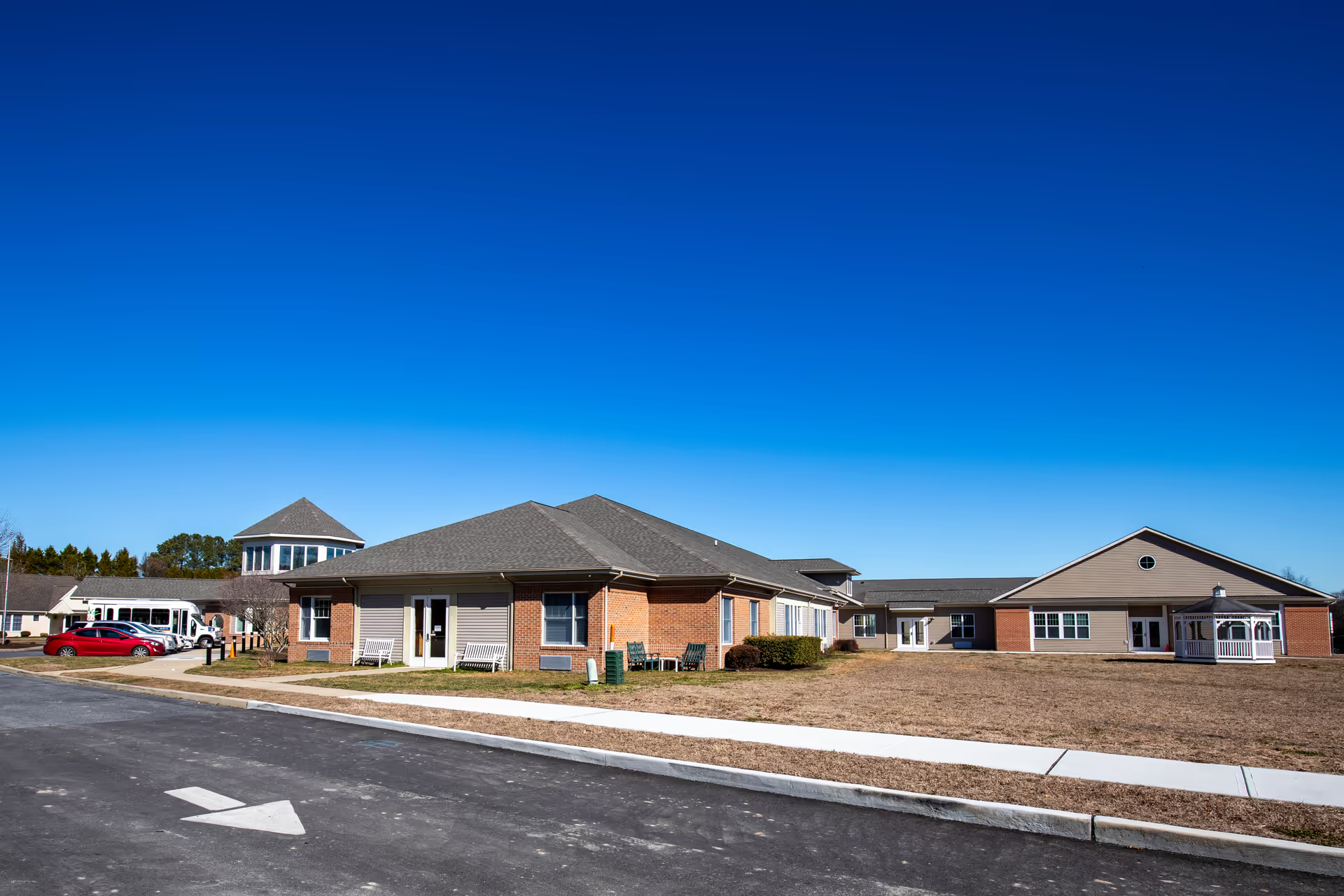
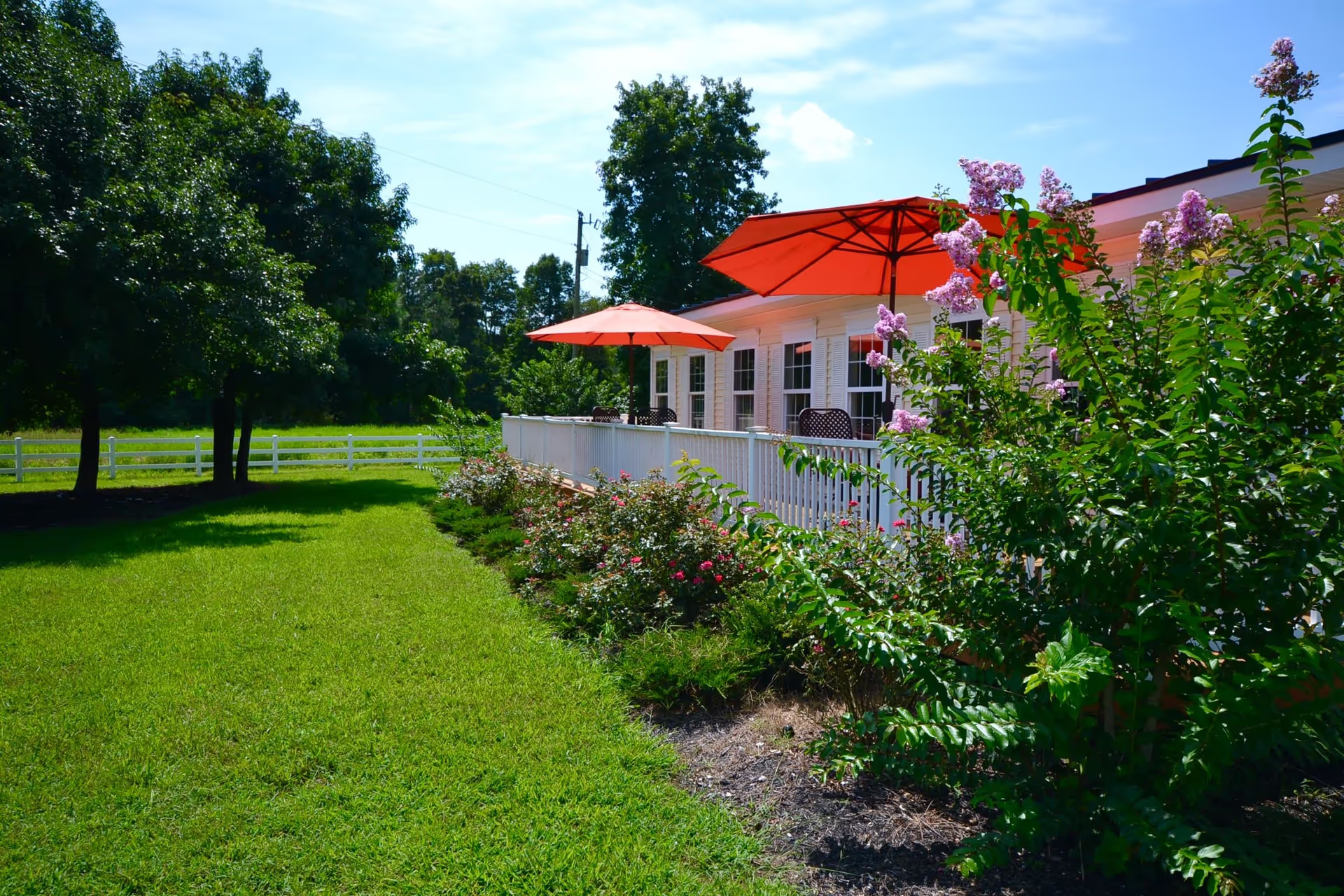
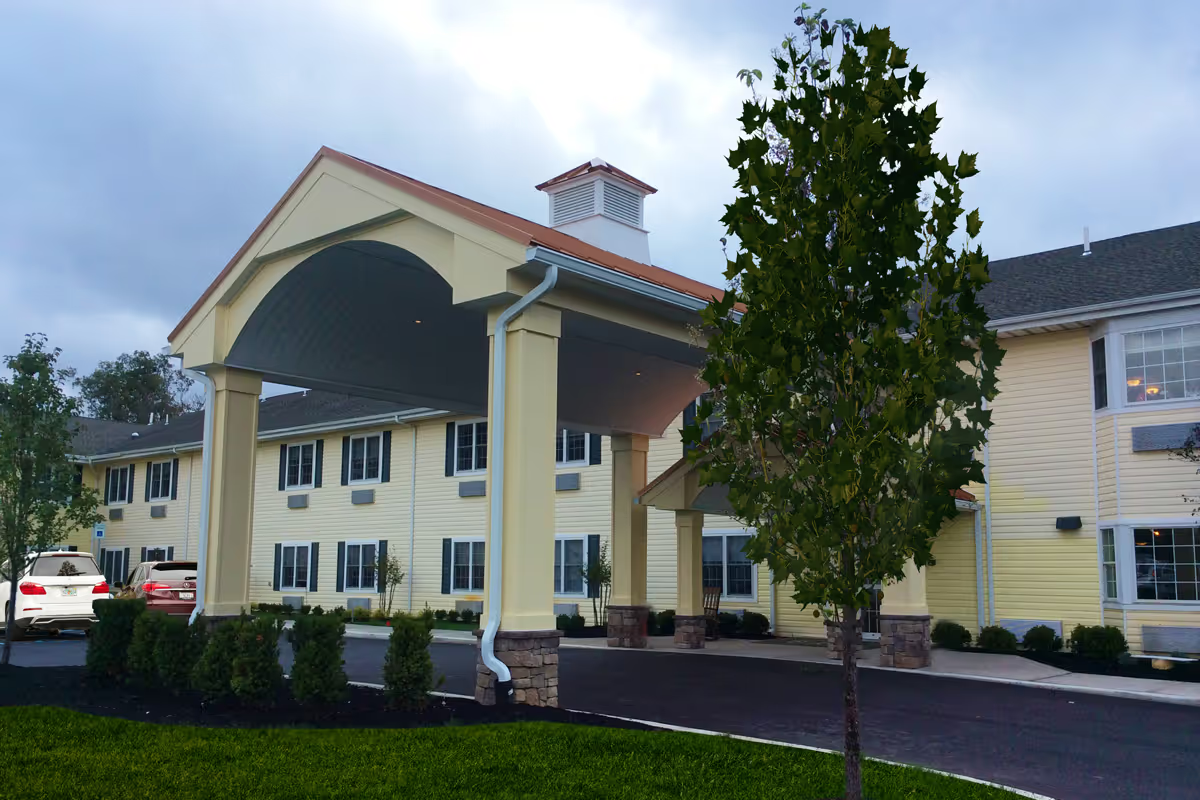
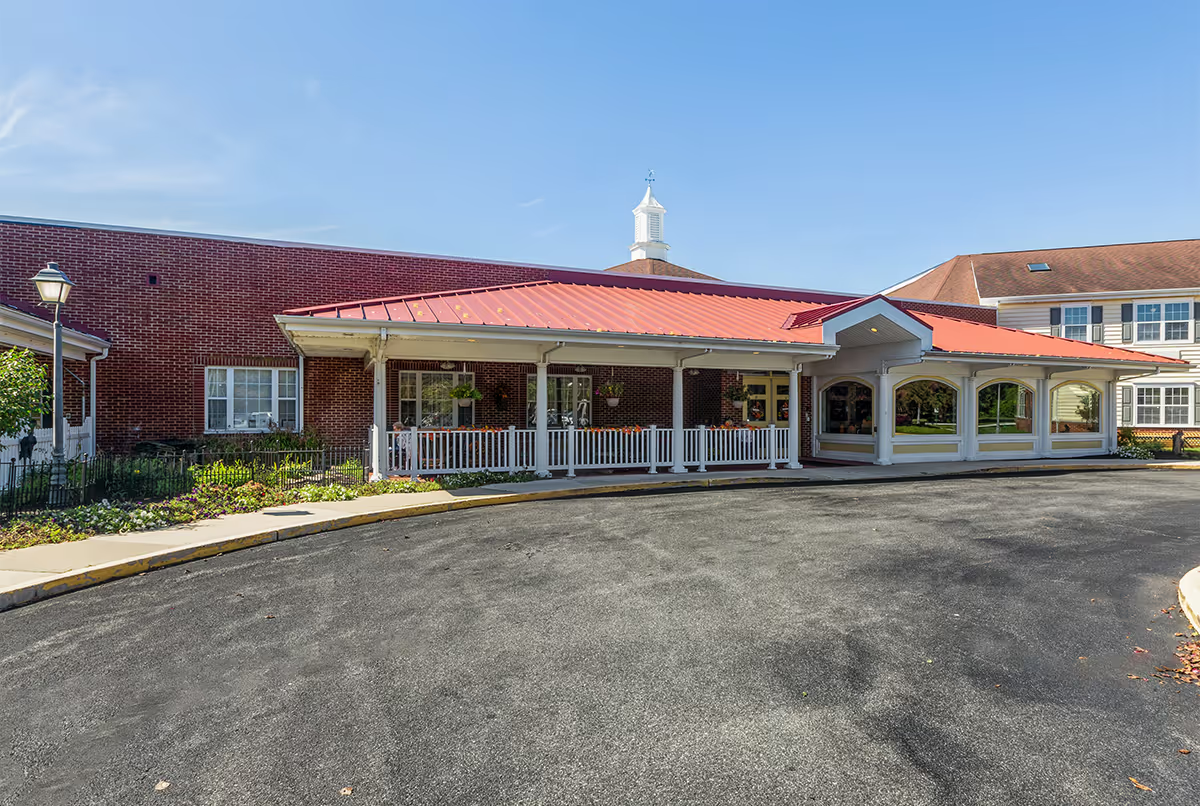
Chesapeake Manor presents as a small, cottage-style assisted living with a strong emphasis on a home-like environment and close personal relationships. Reviewers consistently highlight the facility's intimate scale (approximately 16 residents), quiet rural setting with field and wood views, and clean, comfortable apartments in a variety of layouts. Many families emphasize compassionate, attentive caregiving and friendly resident interactions; staff are frequently described as warm, respectful, and accommodating, including the ability to assist higher-dependency residents such as those who are bedridden.
Care quality is characterized by a mix of positive hands-on support and concerns about timeliness. Several accounts praise the individualized attention and dignity extended to residents, noting caregivers who act with patience and genuine regard. At the same time, there are recurring concerns about delayed responsiveness to requests and indications of inconsistent staffing levels; prospective families should verify current staffing ratios and response-time expectations during a visit.
Dining impressions are mixed. Some families describe meals as delicious and satisfying, while others find the food merely adequate or inconsistent. The facility provides on-site meal service, but meal quality and resident satisfaction appear variable. It would be prudent to sample the food and ask about menu planning, special-diet accommodations, and meal-service routines.
Activity programming and social opportunities are another mixed area. The small size supports close social ties for residents with similar functional levels, but reviewers note irregular scheduling and limited recreational offerings. For prospective residents who require more structured programming or peer interaction at a particular activity level, this facility may not meet expectations without clarification about current activity calendars and staff resources dedicated to programming.
The physical environment reinforces the cottage feel: private rooms, secured porches, and large bathrooms are positives. However, the layout has limitations for mobility devices — reviewers described limited scooter-friendliness and confined communal spaces. There are also comments about a lack of a separate dining room or dedicated visiting area, which can constrain family gatherings and larger group activities.
Management and workplace culture emerge as an important consideration. While many families praise individual caregivers, there are consistent remarks about staff morale and an off-putting management demeanor in some interactions. These concerns encompass perceived staff gossip, unhappy employees, and communication tone with families. Additionally, the facility charges relatively high fees for its small-scale model, which some families felt did not fully align with available amenities.
A notable pattern is the trade-off inherent to small, home-like assisted living: residents and families often gain warmth, individualized attention, and a quiet setting, but may face limits in programming variety, physical accessibility, and operational robustness (staffing backup, management communication). Prospective residents should tour the home during normal operations, meet direct-care staff, review current activity schedules, observe accessibility for mobility devices, and obtain clear information on staffing levels, emergency response procedures, and infection-control practices to determine fit for a particular care level and lifestyle preference.