Overall impression: Reviews describe a facility with a clear strength in rehabilitation and several individual staff members who provide compassionate, effective care, juxtaposed with recurrent operational shortcomings. Many families and patients praise the therapy teams (PT/OT/Speech), a number of attentive CNAs, active programming and some helpful administrative staff. At the same time a pattern of systemic issues — particularly around clinical oversight, staffing consistency and basic operations — emerges across the feedback.
Care quality and clinical oversight: The facility demonstrates strong rehabilitative capability for many patients, with multiple accounts of measurable functional gains. However, there are frequent concerns about medication management, delayed medication administration and inconsistent medication-list updates. Several accounts describe delayed responses to clinical needs, insufficient physician presence or on-site expertise at times, and gaps in post-discharge planning. Reviewers also raised substantive concerns following individual serious incidents; these have contributed to perceptions of uneven clinical governance and warrant careful review by prospective families.
Staffing and staff conduct: Many reviewers singled out individual staff members (therapists, CNAs, front-desk personnel, hospice nurses) for positive, compassionate care. Conversely, staffing levels and staff consistency are recurring problems: prolonged response times to call lights, perceived understaffing on shifts, variable tone and professionalism among nursing staff, and leadership turnover that appears to have affected follow-through. These contrasts suggest that resident experience is highly dependent on which staff are on duty and which department is involved.
Dining and activities: Comments on meals are mixed. Some residents report enjoyable, accommodating dining and helpful dietary staff who will adjust for diabetes/heart-healthy needs, while others describe inconsistent meal quality and concerns about dietary adherence. Activities programming receives generally positive remarks — arts, games and social events are available and cited as meaningful by residents — though access and engagement may vary by unit and by staffing.
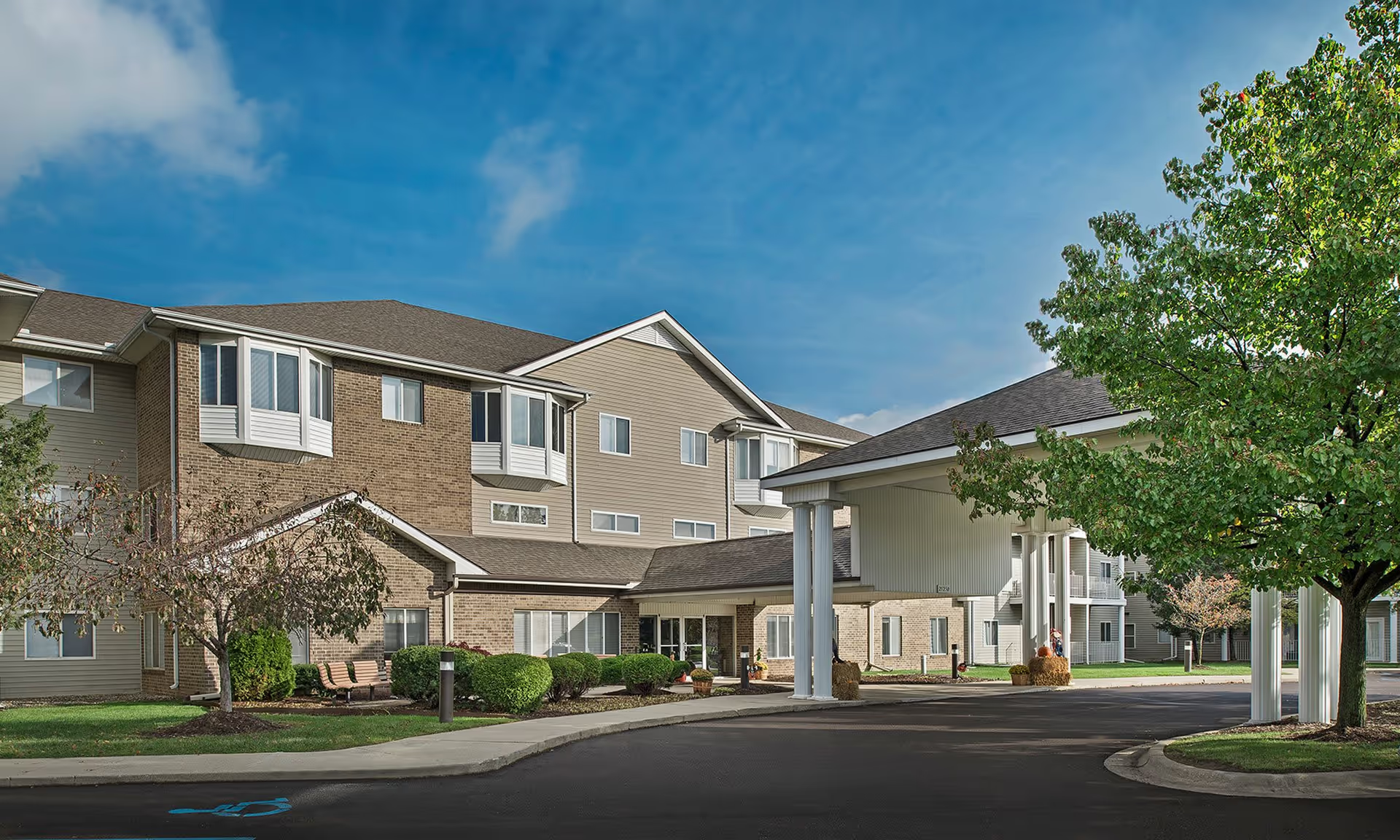
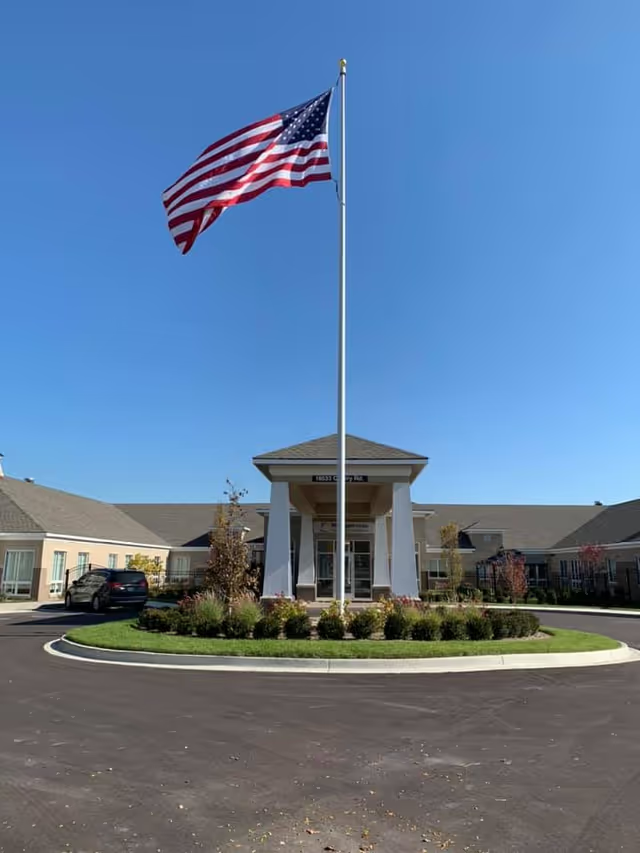
Facilities and environment: Physical impressions are mixed. The facility has invested in visible upgrades such as an updated lobby, and some units are described as clean and well-maintained. At the same time reviewers note aging infrastructure in other areas (broken tiles, HVAC problems, cramped multi-bed rooms, and deferred maintenance). Sanitation and housekeeping performance is uneven across units: some families praise cleanliness and quick maintenance responses, while others describe sanitation concerns and lapses in laundry/property handling.
Management, communication and administration: Administrative themes include inconsistent responsiveness to family complaints, delayed or inadequate follow-up from social work and nursing leadership, and several complaints about billing and documentation practices. A number of reviews indicate recent leadership changes with mixed effects — some families describe visible improvements under new managers, while others report persistent issues. There are also isolated but serious allegations (including billing disputes and legal concerns) that families may want to explore directly with facility leadership or regulators.
Notable patterns and practical considerations: The strongest, consistent positive signal is the facility’s rehabilitation capability and the dedication of certain frontline caregivers. The most consistent negative signals are operational: variable staffing, medication and clinical oversight gaps, inconsistent housekeeping and maintenance, and uneven communication from administration. Prospective residents and families should consider observing staffing at different times of day, confirming medication-administration and discharge protocols, asking about clinical coverage (physician and supervisory nursing hours), and reviewing how the facility handles incident reporting and billing. These steps can help align expectations with the facility’s uneven but improvable performance profile.