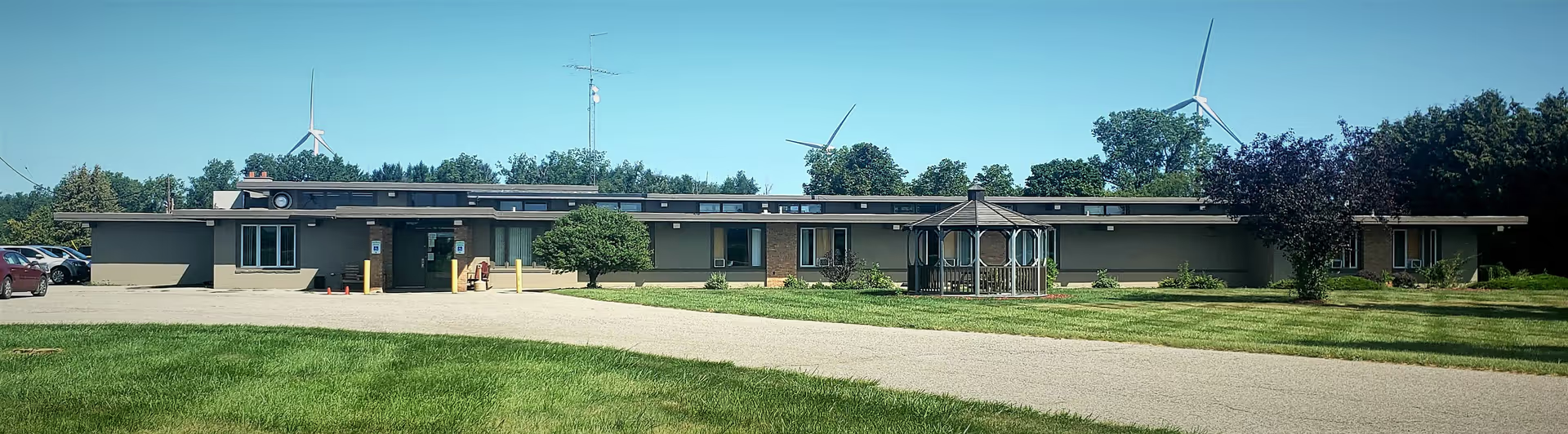
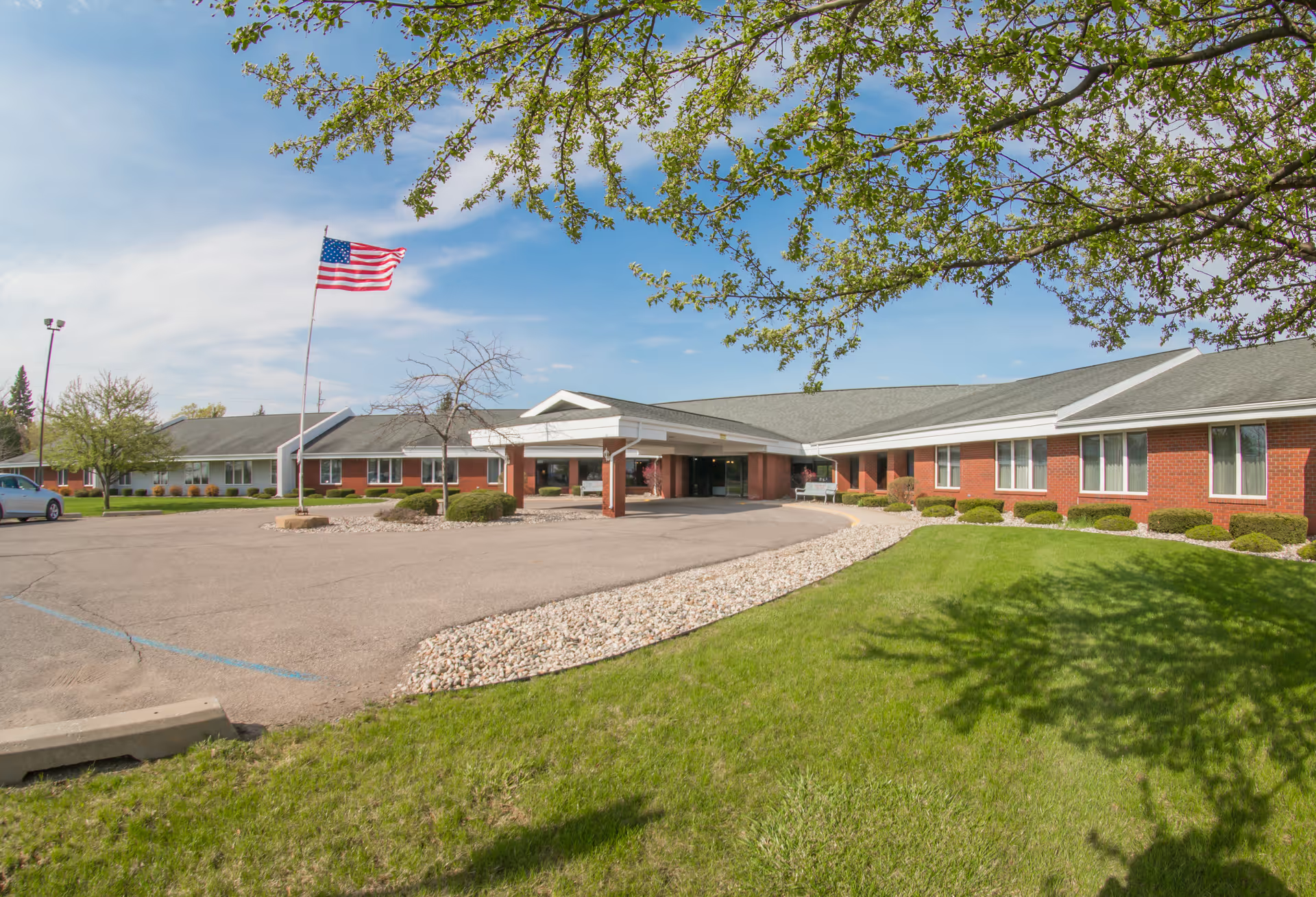
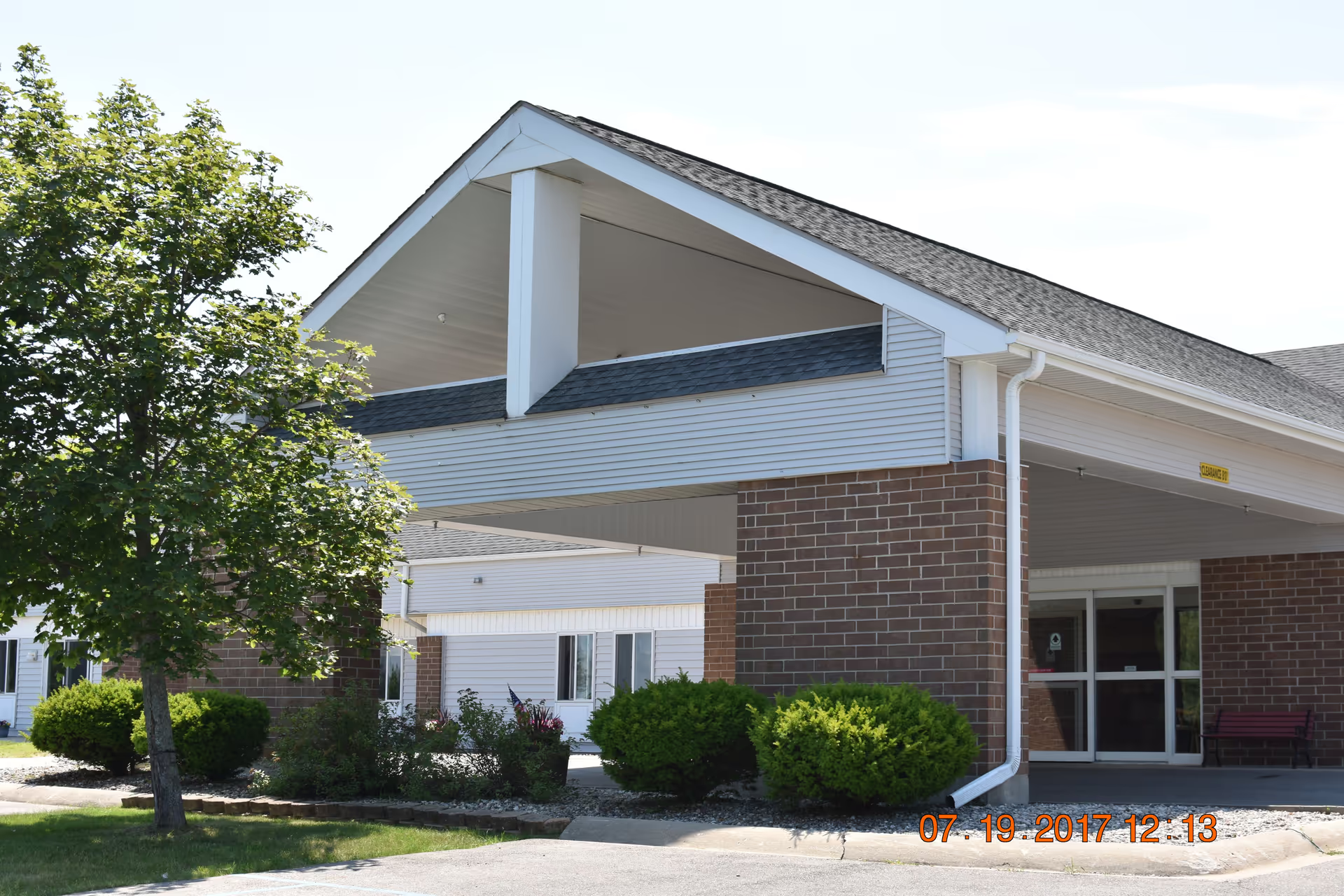
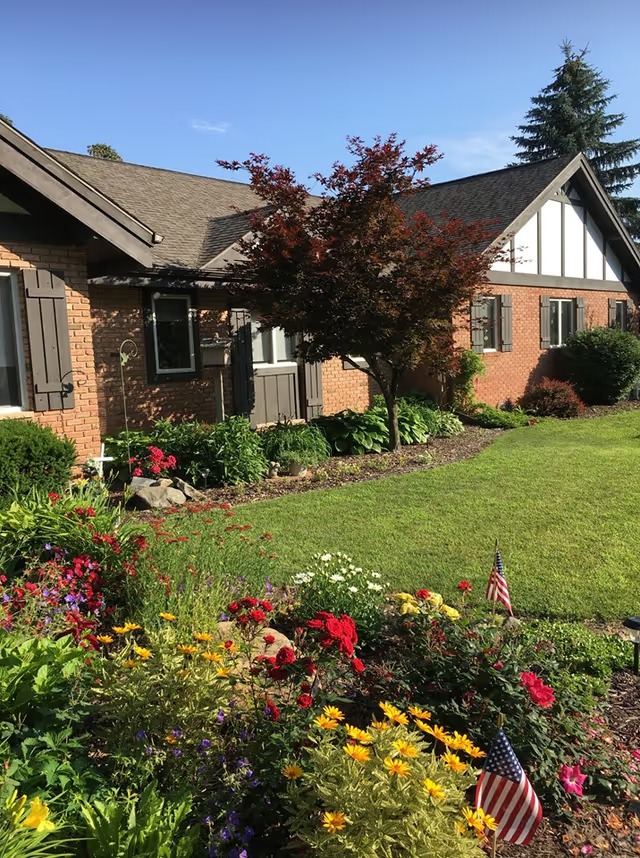
Overall impression: Meadow Lane presents as a well‑maintained, modern assisted living and memory‑care community with a strong emphasis on social engagement and resident comfort. Reviewers consistently describe spacious private apartments, attractive common spaces, safe single‑level circulation, and reliable maintenance and laundry services. The facility offers a broad calendar of activities and on‑site services that many residents and families find stimulating and restorative.
Care and staff: Staff interaction is a clear strength. Families describe caregiving as compassionate and family‑oriented, and administration is generally characterized as approachable and responsive. There is evidence of team‑based care and individualized attention that contributes to resident wellbeing. At the same time, a recurring operational pattern is understaffing and coverage variability, with caregivers working long shifts; that pattern contributes to burnout risk and occasional service delays. Several families indicated that effective problem resolution often requires active family advocacy, and reviewers suggested opportunities for stronger clinical training and supervision—particularly in the memory‑care unit—to ensure consistent delivery of higher‑complexity care.
Dining and nutrition: Dining is a mixed domain. Many reviewers praise chef‑prepared meals, varied menus, allergy accommodations, and a positive dining experience that supports appetite and socialization. However, there are repeated statements about inconsistent food quality—instances of prepackaged or bland offerings and uneven meal preparation—so dining can vary by shift or occasion. Management has shown willingness to adjust menus based on feedback, but prospective residents should clarify current meal protocols and quality controls during a tour.
Activities and psychosocial engagement: The community offers a robust schedule of activities, outings, exercise classes, entertainment, and memory‑focused programming that several families credited with improving mood and social engagement. On‑site amenities (hairdresser, podiatrist, courtyard/outdoor access) and frequent events support an active lifestyle. Reviewers did note a relative shortage of evening or nighttime programming, which may affect residents who remain active later in the day.
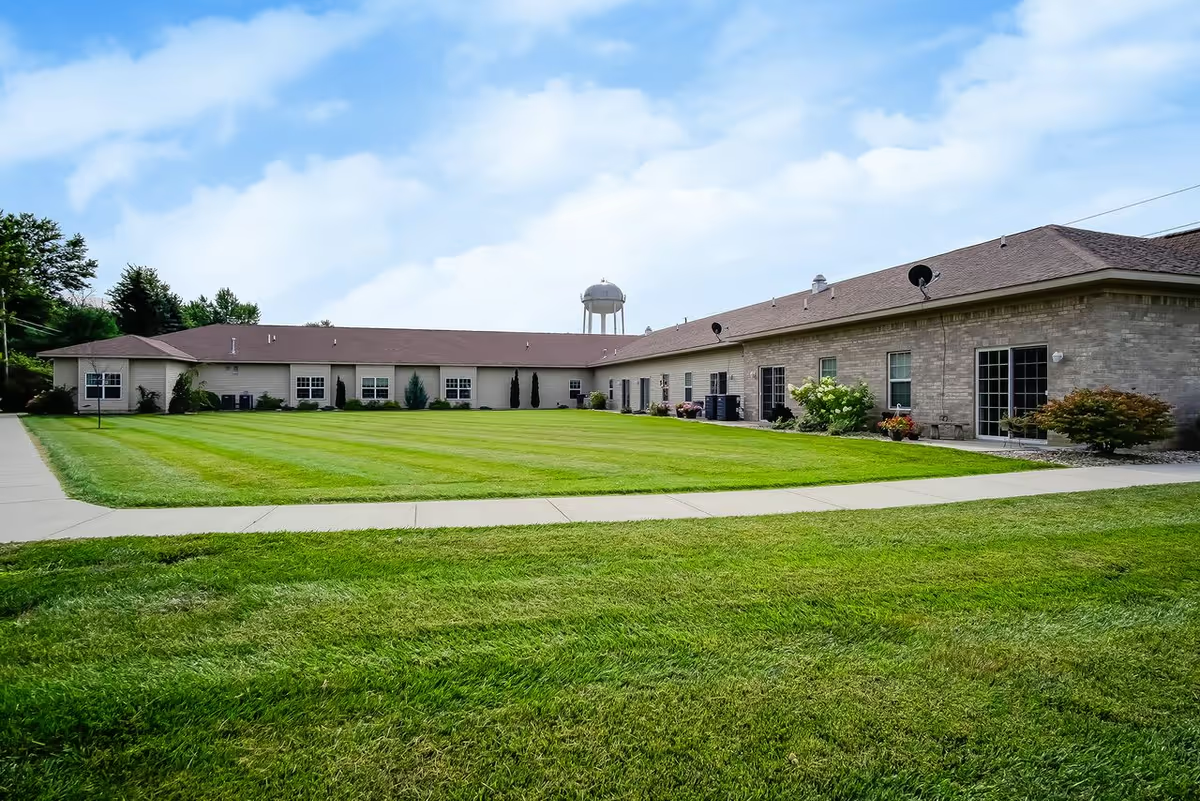
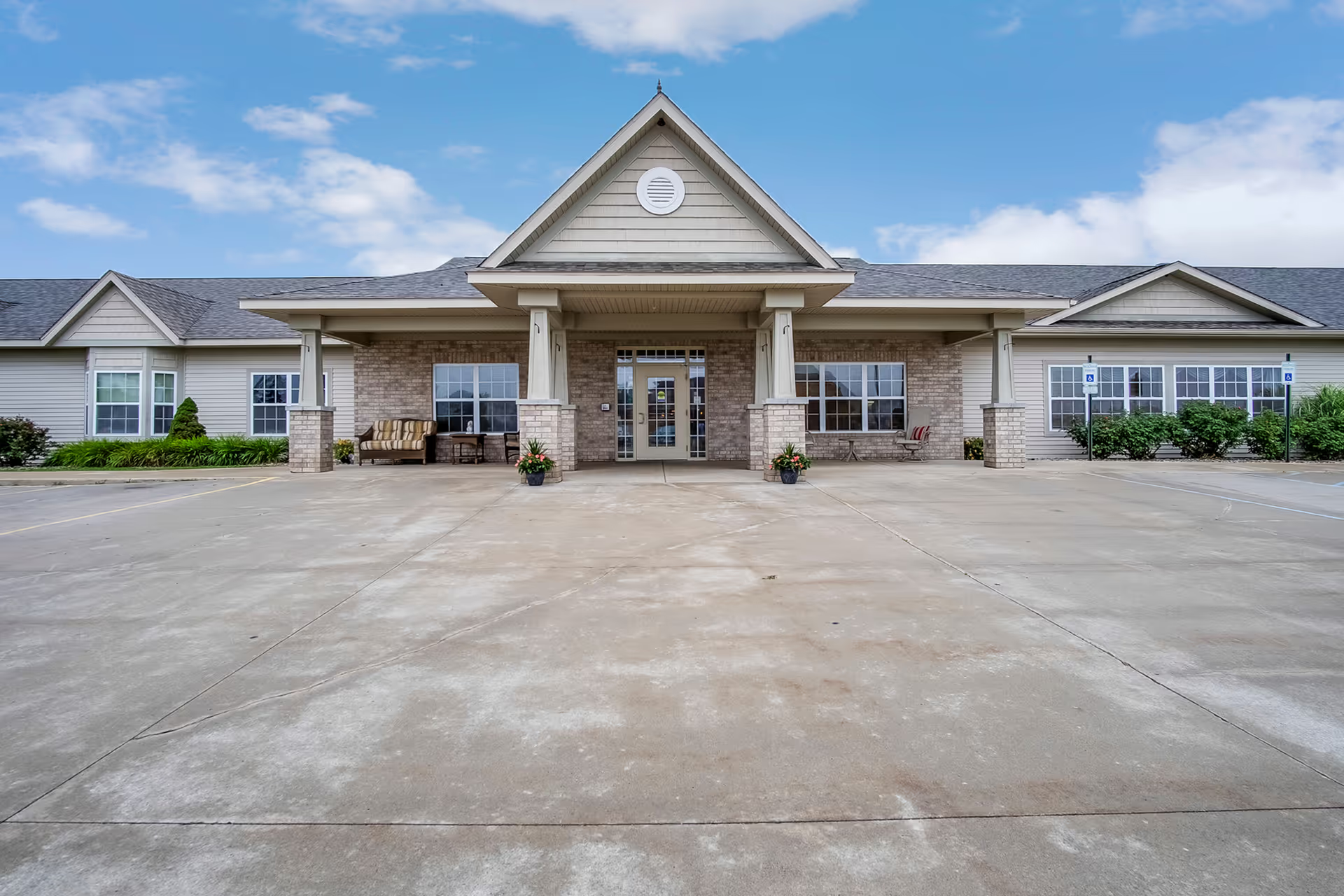
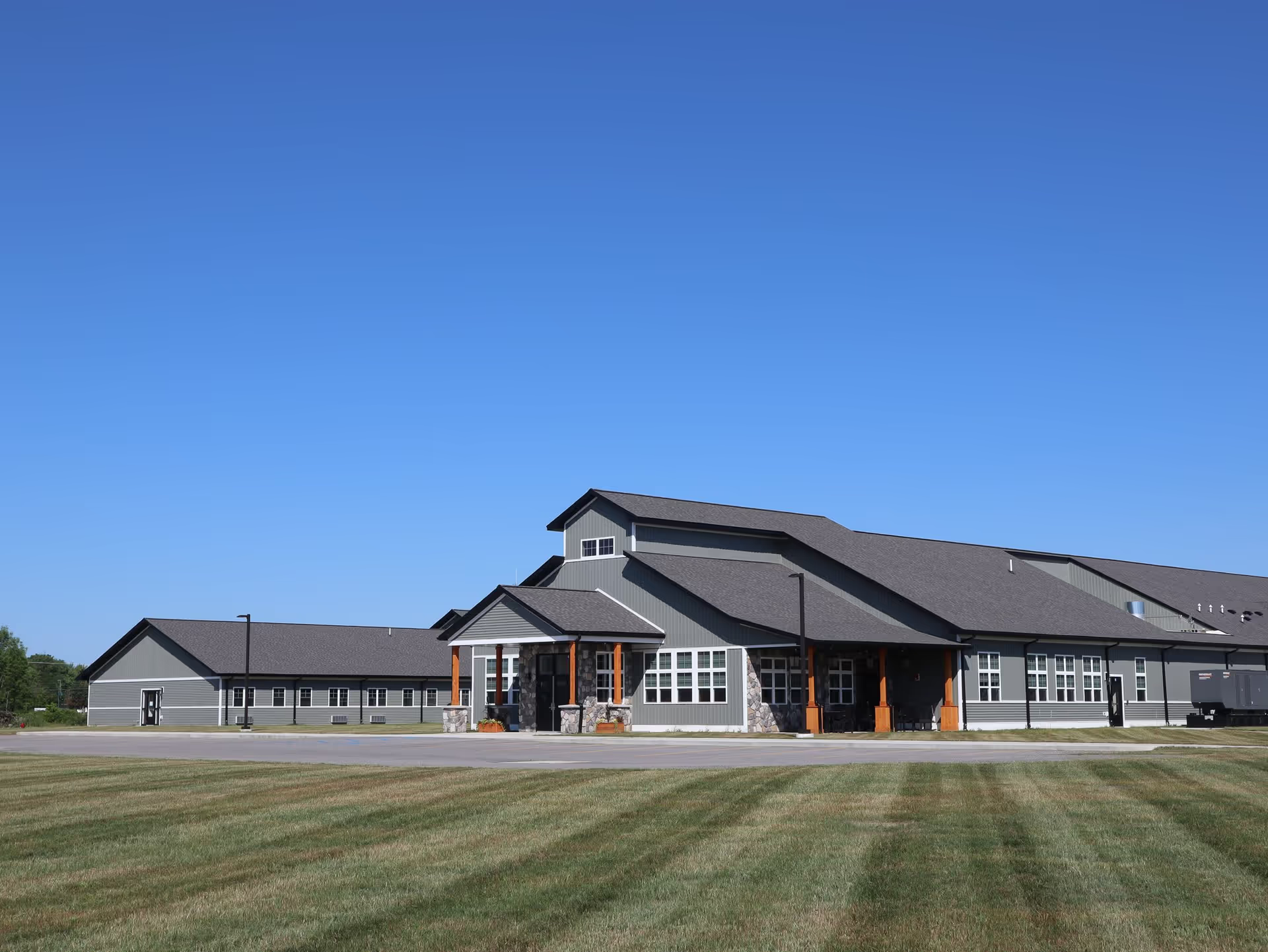
Facilities, housekeeping, and operations: The physical plant is frequently described as clean, modern, and comfortable, with attractive rooms and attention to upkeep. Housekeeping and sanitation are generally satisfactory, though there are isolated notes of inconsistent cleaning follow‑through; those items were typically resolved when raised with management. Operationally, families praised the admissions and move‑in processes and the administration’s openness to meet and collaborate. There are occasional mentions of rushed tours or corporate mandates that limit local discretion; prospective families may want to discuss local decision‑making authority and responsiveness.
Notable patterns to watch: The dominant favorable themes are staff compassion, active programming, and a well‑kept environment. The recurring concerns are operational: staffing levels and shift length, variability in meal quality, some gaps in housekeeping consistency, and periodic care‑coordination delays with external medical providers. Memory‑care families should ask specifically about staff training, supervision, and monitoring protocols. For prospective residents and families, recommended topics during a visit include current staffing ratios and schedules, evening activity offerings, sample menus and kitchen processes, housekeeping quality assurance, and how the community coordinates with outside clinicians.
Bottom line: Meadow Lane offers many strengths that support quality of life—engaged caregivers, engaging activities, and an attractive facility—but prospective residents should verify current operational metrics (staffing, meal consistency, memory‑care practices) to ensure the community meets specific clinical and lifestyle needs.