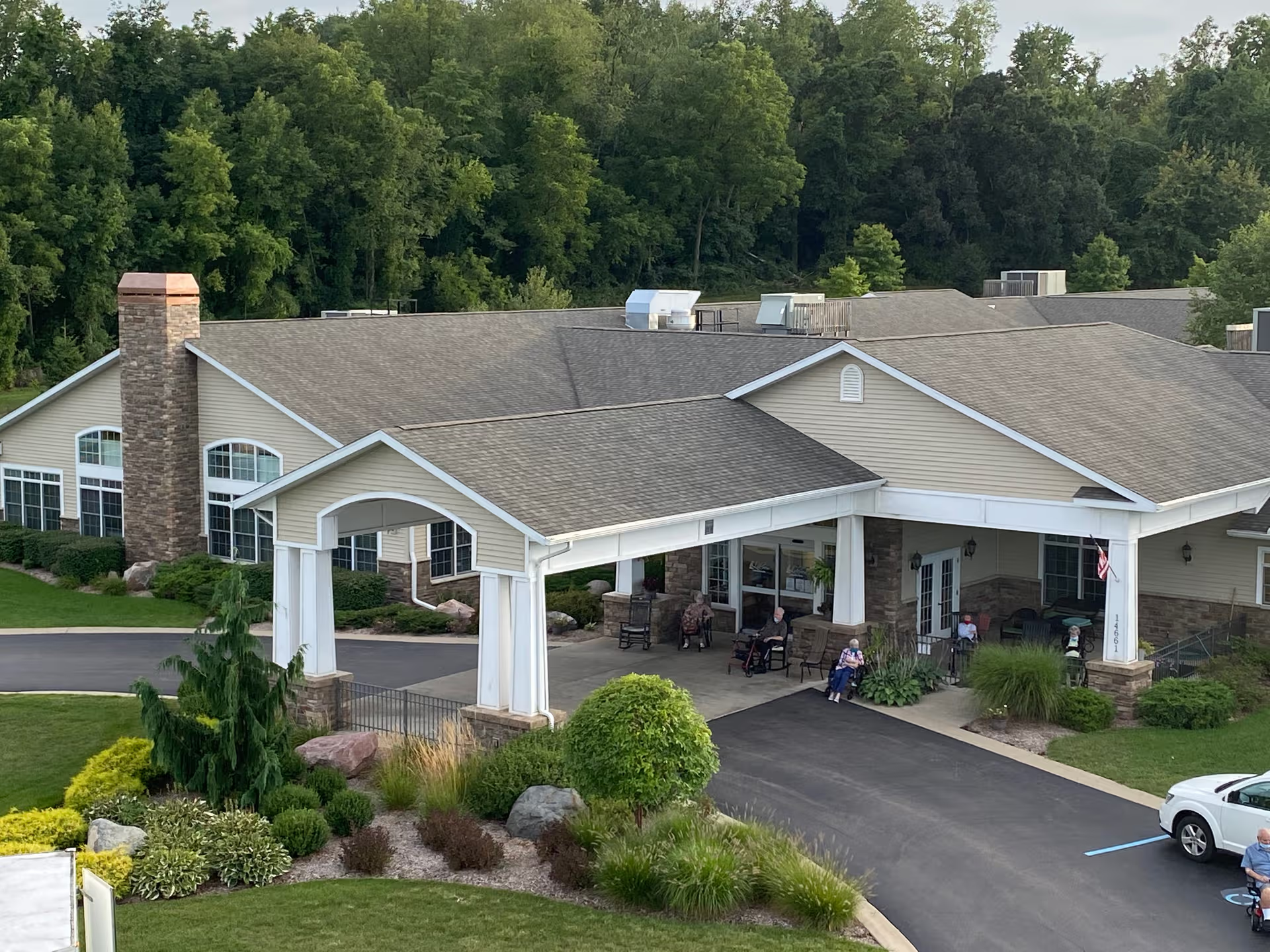
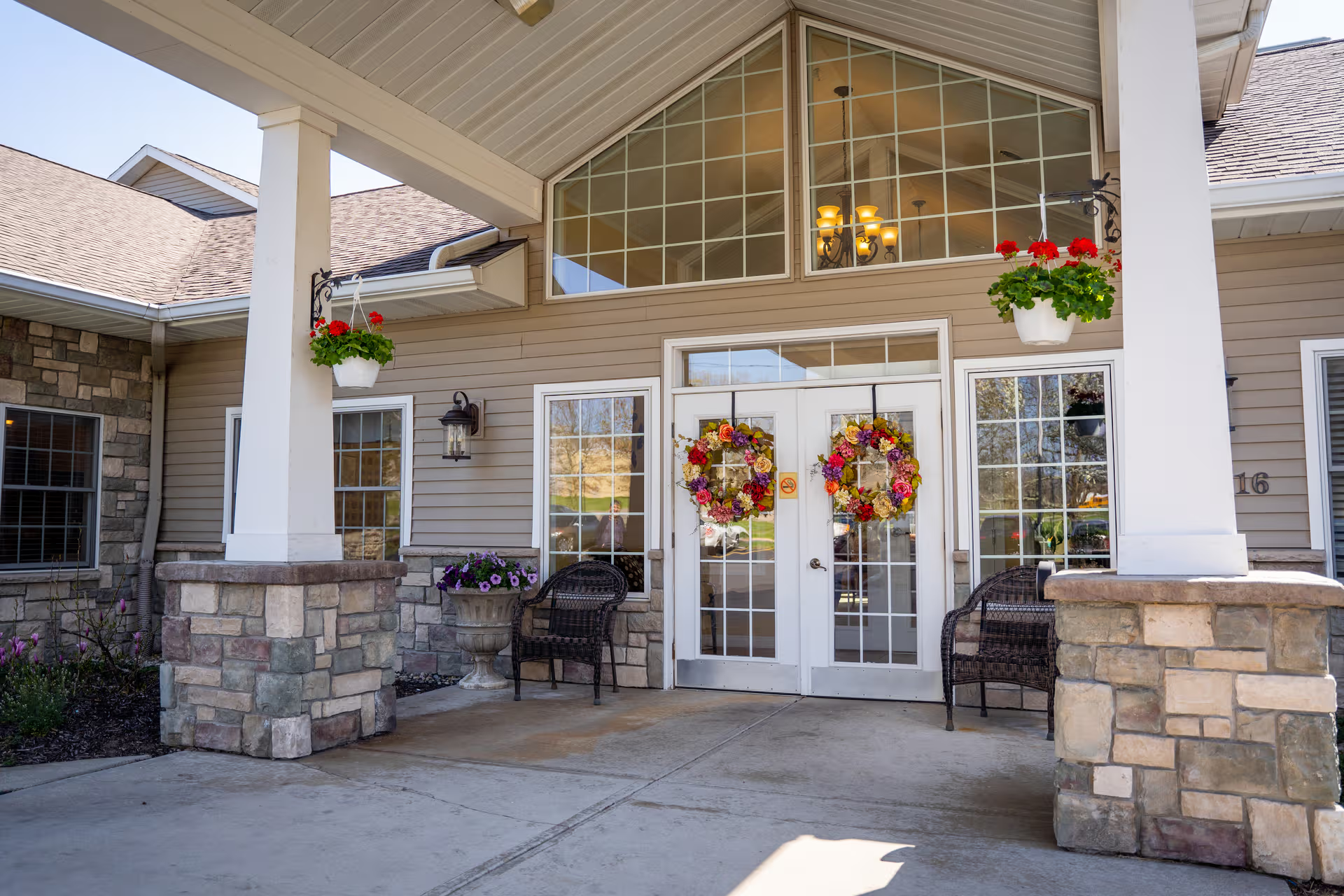
The reviews present a mixed picture of Evergreen Senior Care & Rehab Center with clear strengths in direct caregiving and rehabilitation alongside persistent operational concerns. On the positive side, many reviewers praise the day-to-day care delivered by nurses, CNAs, and therapy staff. Rehabilitation services are frequently described as skilled and helpful during recovery, and several families noted individualized attention and a family-like atmosphere. The building and resident rooms are commonly described as clean and odor-free, activities programs are well-attended, and dining satisfaction is often high when staff are able to follow through on preferences and special requests. Low staff turnover and visible teamwork were also cited as stabilizing factors for residents' experience.
Counterbalancing those strengths are recurring facility-level issues tied to management and staffing. Understaffing is a recurrent theme that reviewers link to delays in response to call systems, inconsistent meal-time assistance, and gaps in timely clinical attention. Multiple comments point to inconsistent staff conduct and tone toward residents and visitors, and there are concerns about gaps in clinical training and competency oversight that could elevate resident risk. Administrative practices drew criticism for unprofessional handling of paperwork and documentation; reviewers noted instances of inaccurate or outdated records and questioned documentation controls. Related operational weaknesses include medication and supplement administration controls that appear unreliable at times, privacy and records-access control failures, and confusion around visitation policies.
Additional operational topics emerged as noteworthy patterns. Communication with families and coordination of care are described as uneven, with reports of delayed notifications and unclear billing or bed-hold processes. Laundry and property-management processes generated complaints, including missing items and concerns about asset controls. A few reviews referenced post-incident concerns—such as notification timing following a resident's death and specific clinical lapses—that suggest the facility would benefit from strengthened incident-response protocols and clearer family communication pathways.
For prospective residents and families, the available information suggests a facility with strong hands-on caregivers and therapy resources but with systemic administrative and staffing challenges that can affect consistency of care. Visitors should observe staff–resident interactions, ask for specifics about staffing levels and training, request written policies on medication/supplement administration and privacy safeguards, clarify visitation rules and any pre-visit testing protocols, review documentation and billing procedures, and inquire about incident-response and family-notification practices. These targeted questions can help determine whether the facility's strengths align with a particular resident's needs and whether the operational weaknesses are being actively addressed by management.