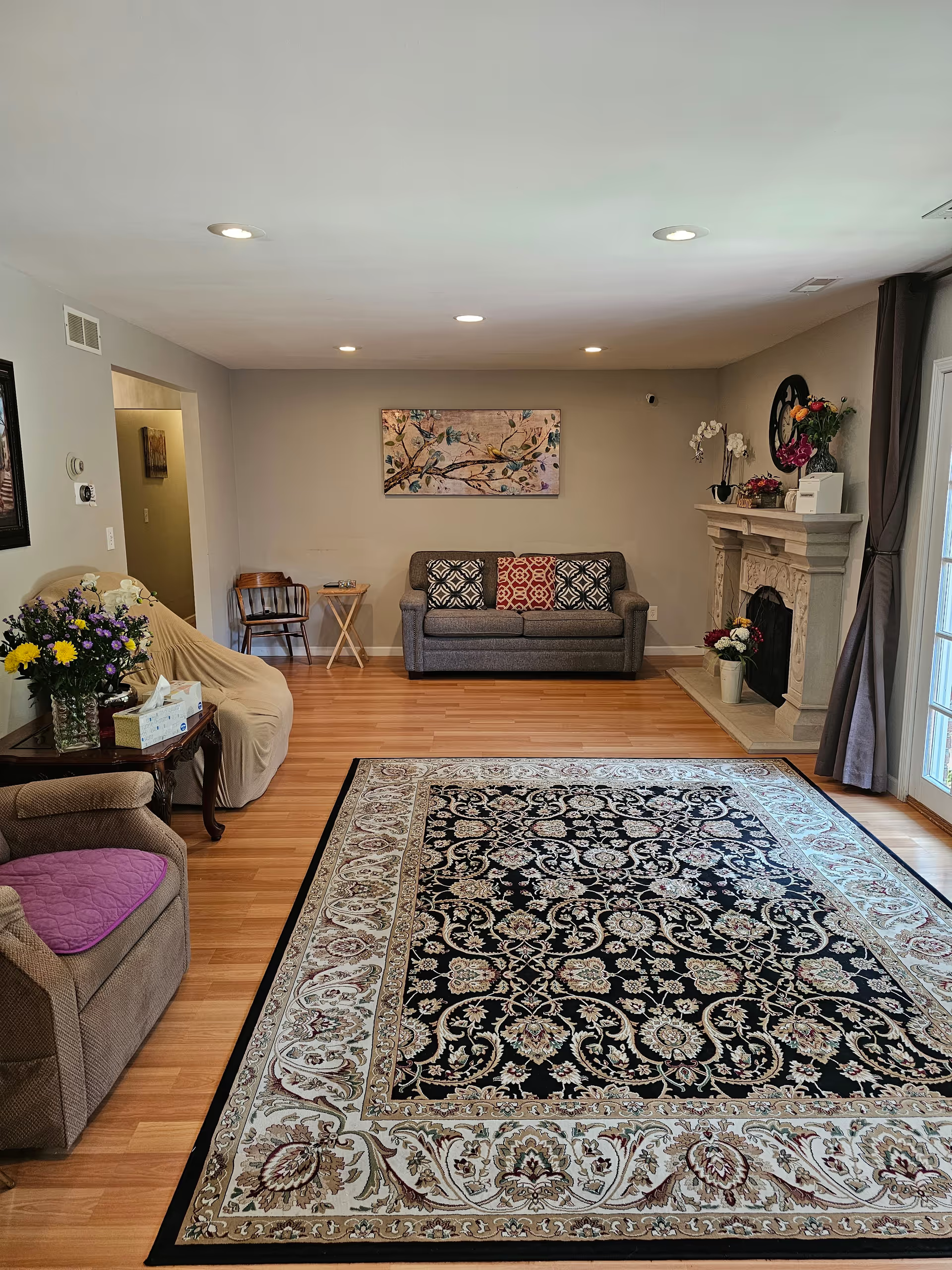
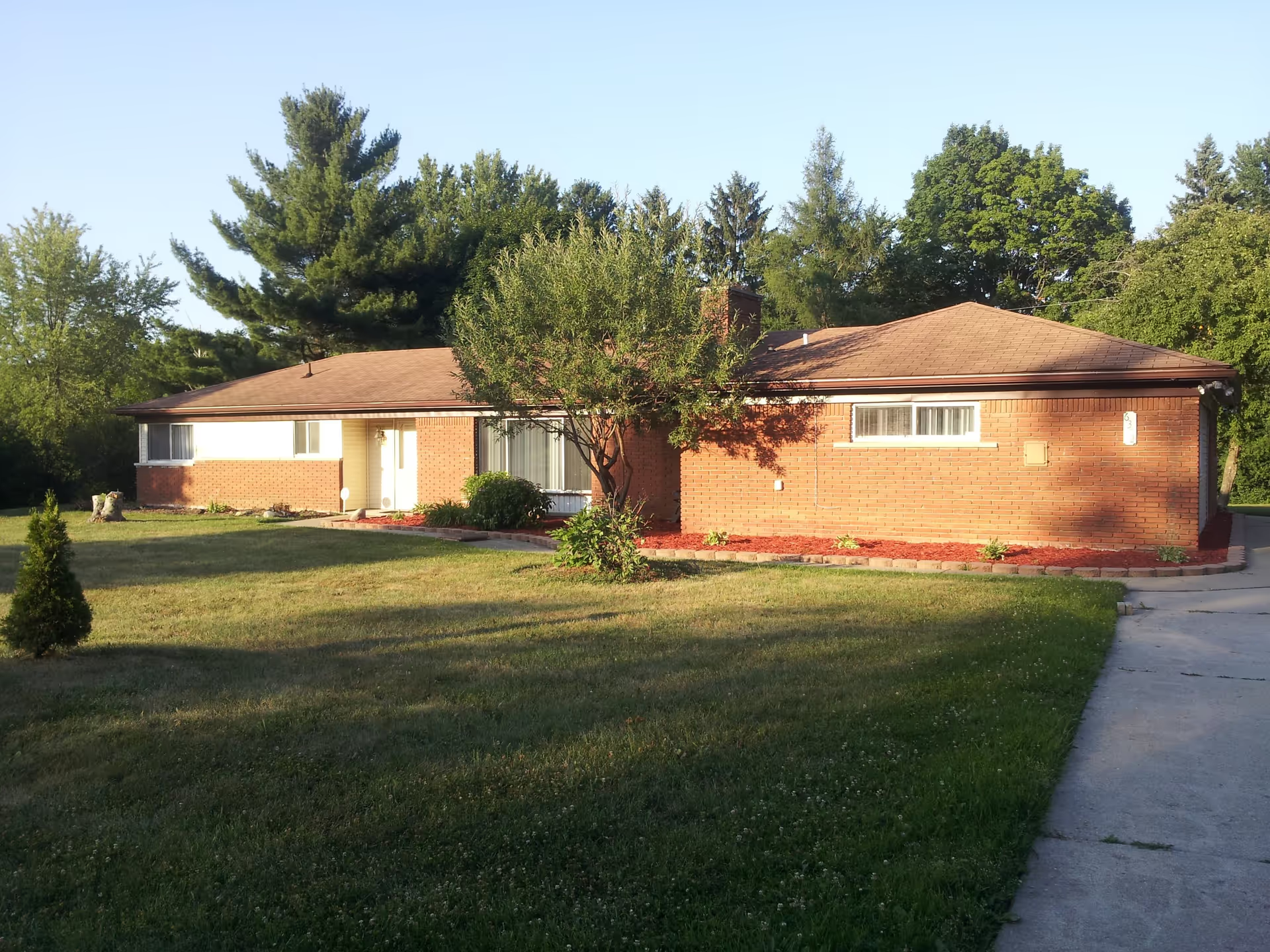
Briarbank–St. Elizabeth presents as a small, faith-based residential community with several strengths for ambulatory older women seeking an affordable, low-to-moderate acuity living option. Reviewers commonly describe the property as clean and well-maintained, set on attractive wooded grounds, and organized in a way that feels home-like rather than institutional. Accommodation options include private suites with a sitting room and private bathroom for those who prefer more privacy, alongside other rooms that share bathroom facilities. The facility’s Catholic identity is prominent: there is an on-site chapel, daily Mass and Rosary opportunities, a choir, and routine spiritual programming that many residents and families find welcoming.
Care and staff interactions are a mixed but generally positive theme. Many accounts emphasize compassionate, attentive staff and the presence of resident sisters who contribute to a calm, pleasant atmosphere. Staff are often described as friendly and personally engaged, and small-community staffing can enable individualized attention and respite care that families appreciate. At the same time, some reviews raise concerns about inconsistent staff visibility and responsiveness at certain times, and a few families described incidents that suggest gaps in safety oversight and follow-up communication. These comments point to variability in staff performance rather than a single, uniform experience.
Dining and daily living activities receive favorable comments overall. Several families praised food quality and consistency, and the activity program appears broad, with volunteer-run crafts, bingo, chair exercises, games, and musical offerings. The community’s religious programming is an integral part of daily life and is important to many residents’ quality of life. However, there is also evidence of uneven activity engagement: while some residents participate actively, others were described as sitting with minimal stimulation, indicating variability in how effectively activities reach all residents.
Facility-level operational considerations include a limited scope of clinical services and an admissions policy oriented to ambulatory women (often described as requiring walker- or cane-level mobility). This makes the community a better match for people with lower medical needs rather than those who require frequent nursing care or assistance with transfers. Reviewers also noted some confusion about how the community is classified (assisted living versus residential) and how that relates to admissions and services, suggesting the need for clearer communication from management. Additional operational issues raised include occasional odor concerns in common areas, uneven infection-control practices during the COVID era, and concerns about outdoor/parking-area safety oversight.
In summary, Briarbank–St. Elizabeth may be a good fit for ambulatory older women seeking an affordable, faith-centered, small-community setting with regular worship, social programming, and personalized attention. Prospective residents and families should confirm the facility’s exact service-level designation, clarify admission criteria related to mobility and care needs, and discuss safety protocols and infection-control procedures. A tour focused on staffing patterns, activity participation across resident profiles, and specific room configurations (private suite versus shared-bath options) will help determine whether the community’s operational model aligns with an individual’s care requirements and safety expectations.