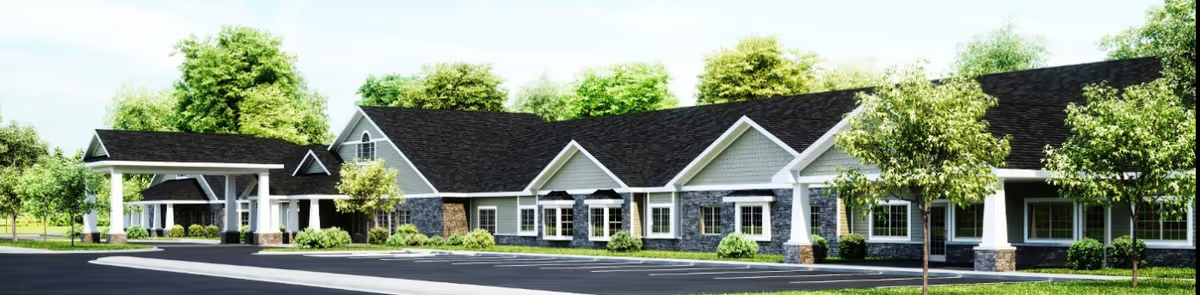
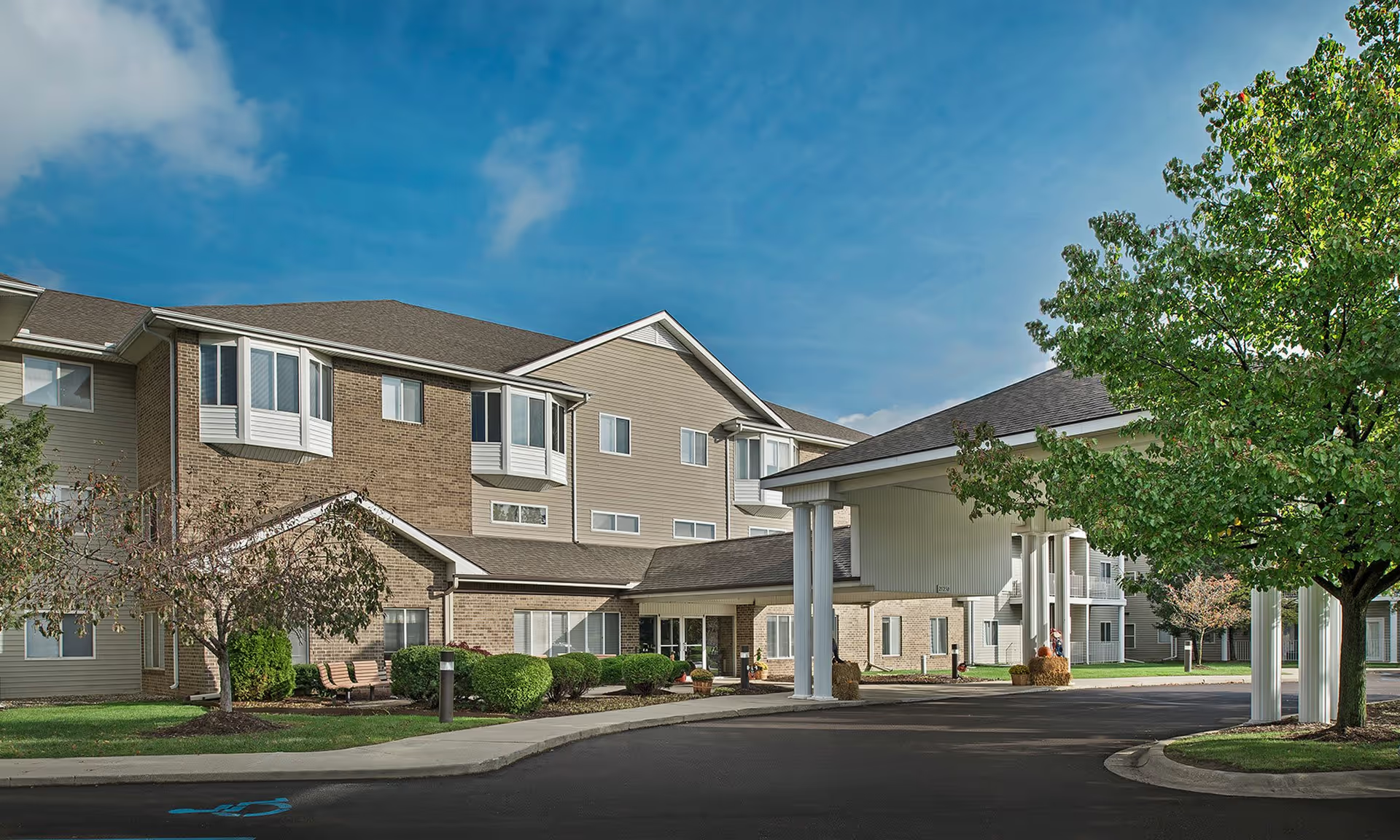
Downriver Estates Senior Living elicits strongly mixed impressions. Many families and visitors highlight compassionate direct-care staff and a visible, experienced memory-care leadership team that can create a welcoming, family-like atmosphere. The community offers a robust activities program — including music, bingo, chair exercises, manicure sessions, and seasonal events — and several reviewers specifically praised the activities director and engagement staff for individualized attention. On the clinical side, the community provides on-site rehab services (OT/PT), some physician and podiatry access, state-licensed oversight, and electronic charting, which some families found helpful during transitions.
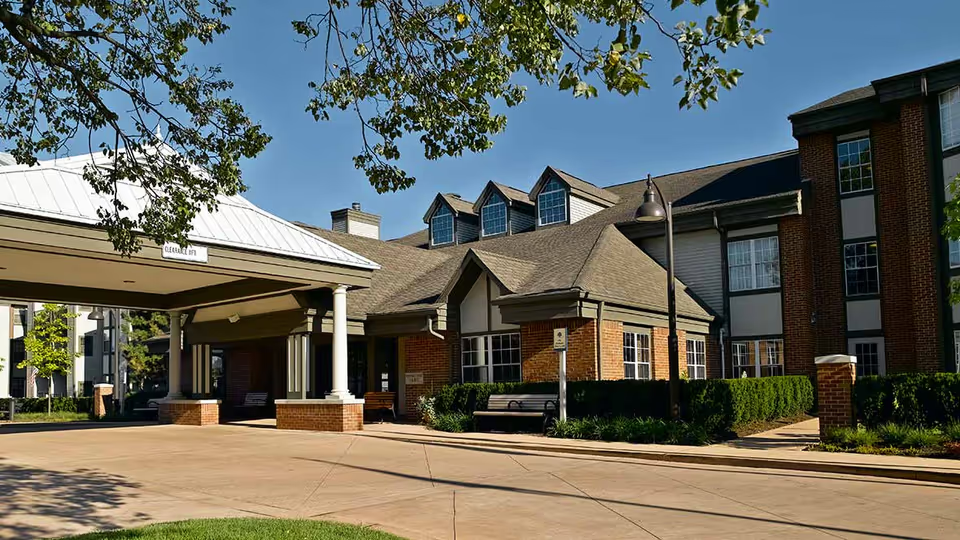
Dining and amenities are frequently described as positive in many accounts: a bright dining room, regular meal service, salon services, secure courtyards, and comfortable apartment layouts with private bathrooms. The facility's interiors and common areas are often called clean and well maintained, and the community is noted as secure and organized for memory-care residents. Several families reported smooth move-ins, proactive communication from activity staff, and thoughtful transition support for new residents.
However, a consistent theme across reviews is operational variability. Staffing levels and turnover are recurrent concerns, with families noting periods of understaffing that coincide with delayed assistance, missed or inconsistent personal care routines, and uneven activity coverage. Linked to staffing are gaps in dementia-specific training for some aides, which can affect the experience of residents with advanced cognitive impairment. Several reviewers described medication-management inconsistencies and concerns about medication-related agitation or excessive sedation, and others described alarms or fall-response delays; together these point to opportunities for stronger clinical protocols and alarm-handling procedures.
Logistics and facility operations also show areas needing attention. Multiple families flagged problems with laundry and personal-item tracking, occasional sanitation and odor concerns in specific units, and deferred-maintenance issues (for example HVAC/ventilation and plumbing) that could present safety or comfort impacts. Meal quality and menu adherence are described as inconsistent: while some residents enjoy the food and variety, others wished for different options or more reliable menu execution. Financial and administrative processes were another recurring friction point — billing inconsistencies and final-account charges generated significant dissatisfaction among some families.
In summary, Downriver Estates demonstrates notable strengths in person-centered attention, a lively activities program, and certain clinical supports and amenities that make it a good fit for many seniors, especially those needing structured memory-care services. At the same time, prospective residents and families should evaluate operational reliability: inquire specifically about current staffing ratios, dementia-care training, medication and fall-safety protocols, laundry and belongings policies, maintenance plans, and billing practices. Touring the memory unit during programming hours, meeting the memory-care leader and activities director, and asking for written protocols on medication administration and incident communication will help families assess whether the facility’s strengths align with their loved one’s needs.