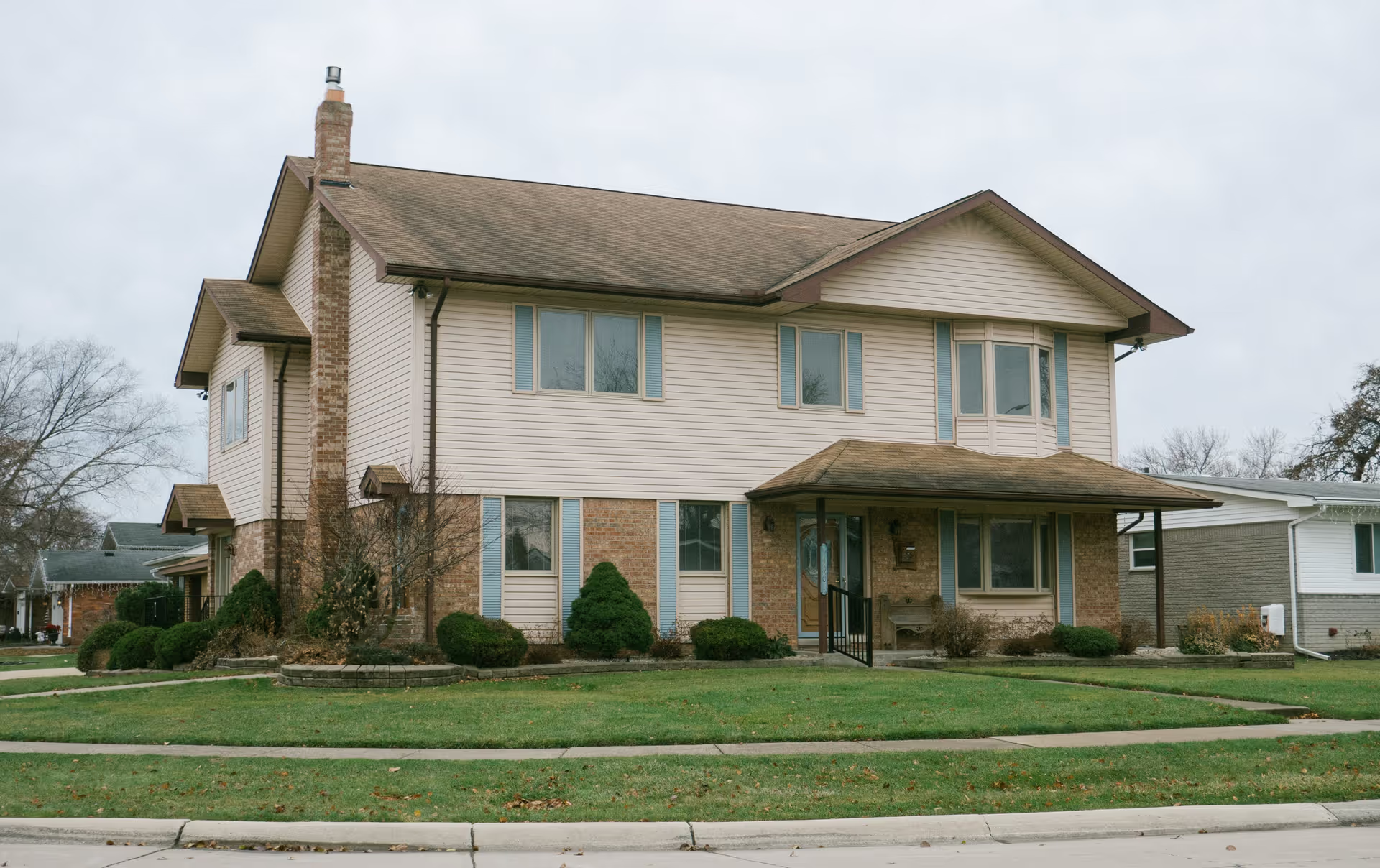
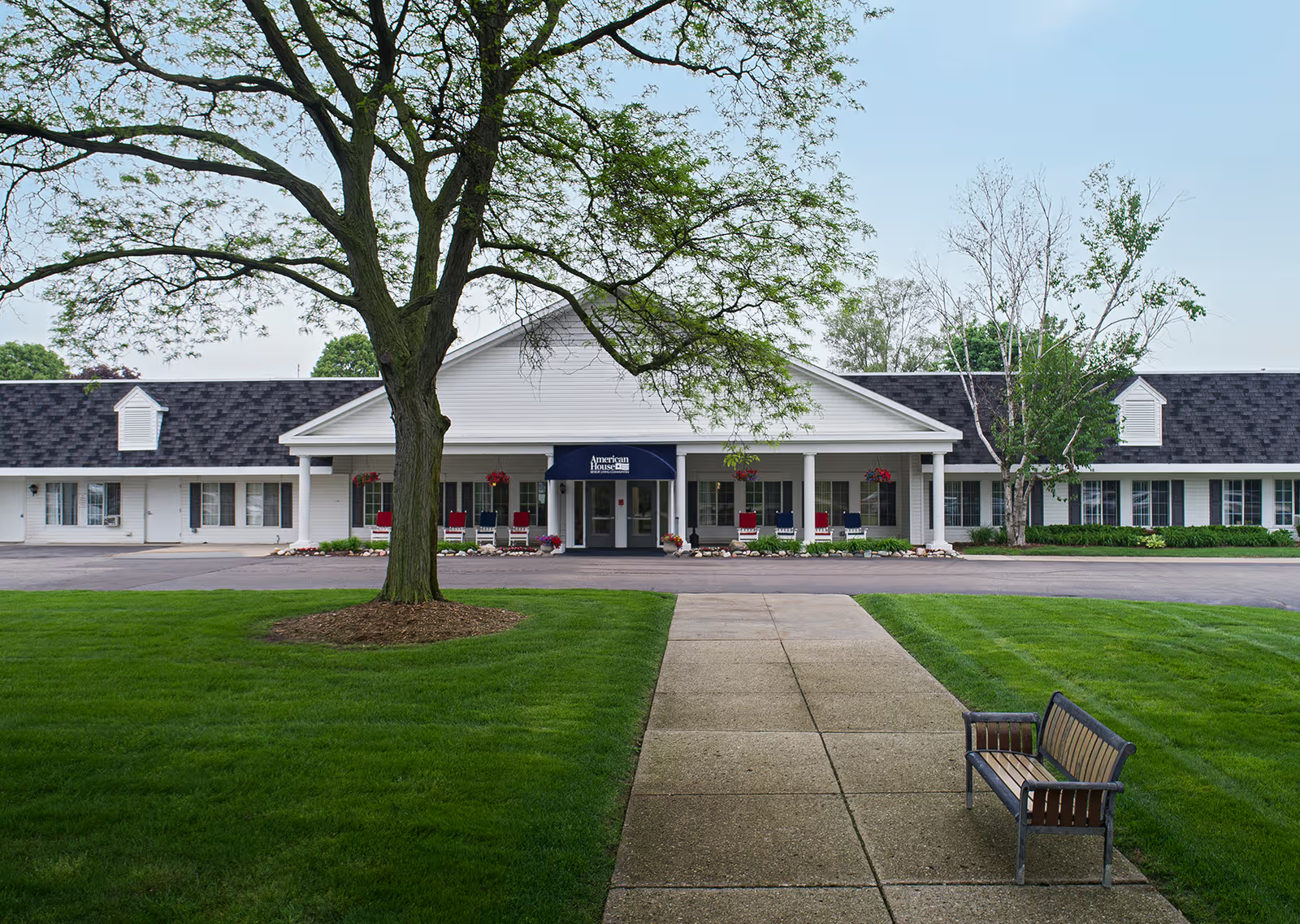
The Commons Corewell Health - Oak Terrace Dearborn is frequently described as a campus-strength facility with substantial amenities and active programming. Reviewers consistently highlight the attractive, well-maintained grounds, multiple dining venues (including a well-liked bistro), and a broad range of on-site services such as a movie theater, chapel, salon, gym, bank, and underground parking. Independent living and assisted-living residents and their families often cite robust social engagement, frequent outings, speakers, and opportunities for personalization of apartments; housekeeping and in-unit conveniences are also noted as positive contributors to resident comfort.
Care-quality impressions are mixed and appear to vary by unit and shift. Many families and residents praise day-shift caregivers and long-tenured staff for compassionate, personalized attention and proactive communication (emails, photos, video calls). However, there is a consistent pattern of operational concerns around clinical care in higher-acuity settings: skilled nursing and rehab services receive more critical feedback than independent and assisted living, with reports of insufficient staffing, limited physician access, and delays in medication changes or nursing response. Night-shift performance variability is a recurrent theme, and families describe uneven care coordination across shifts and units.
Dining and activities are frequently cited as strengths but with some operational caveats. The dining program, including the bistro, receives praise for quality and variety from many reviewers; at the same time, reviewers have described inconsistencies in portion sizes, service timing, and menu accuracy. The activity program is a clear asset for community life—residents report feeling connected and engaged—but some families seek greater variety for residents with cognitive impairment.
Facility maintenance and cleanliness receive generally positive comments regarding the exterior landscaping and common spaces. At the same time, reviewers note inconsistent sanitation and odor concerns in certain areas and occasional delays in room cleaning. Apartment sizes and finishes vary considerably across price points; some units are described as spacious and updated, while others are characterized as smaller or older in appearance.
Management and administration elicit polarized impressions. Several families praise proactive communication and helpful front-desk and admissions staff; others report unclear admission policies, confusing guidance about care levels (for example, hospice or transitions between assisted living and nursing), and instances of administrative unprofessionalism. There are serious, singular concerns described by families—including wound-care lapses, concerns following a resident's death, and an allegation of medication/theft-related misconduct—that warrant careful inquiry. These severe instances appear to be comparatively rare but represent high-impact issues that prospective residents and families should address directly during a tour or intake.
Bottom line: Oak Terrace offers a high-amenity campus and strong community life for independent and assisted living residents, with many examples of attentive, long-term staff and robust programming. At the same time, the facility shows operational vulnerabilities in higher-acuity clinical areas—particularly skilled nursing and rehab—where staffing, clinical oversight, medication management, shift-to-shift consistency, and family communication have been questioned. Prospective residents and families should visit in person, ask targeted questions about staffing ratios (day and night), physician coverage, medication and wound-care protocols, recent quality audits, and administrative policies, and seek references from families whose needs match the level of care they require.