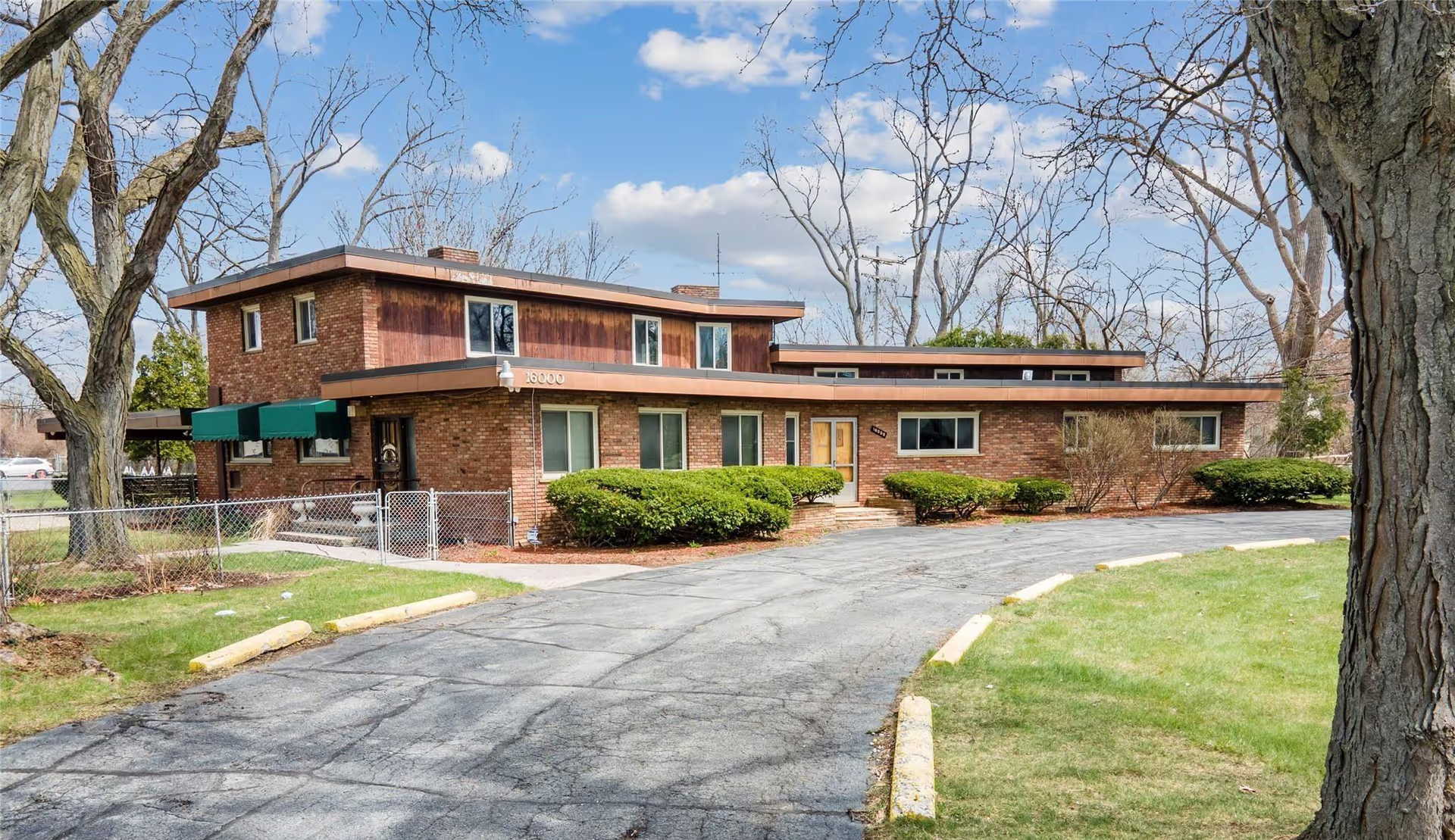
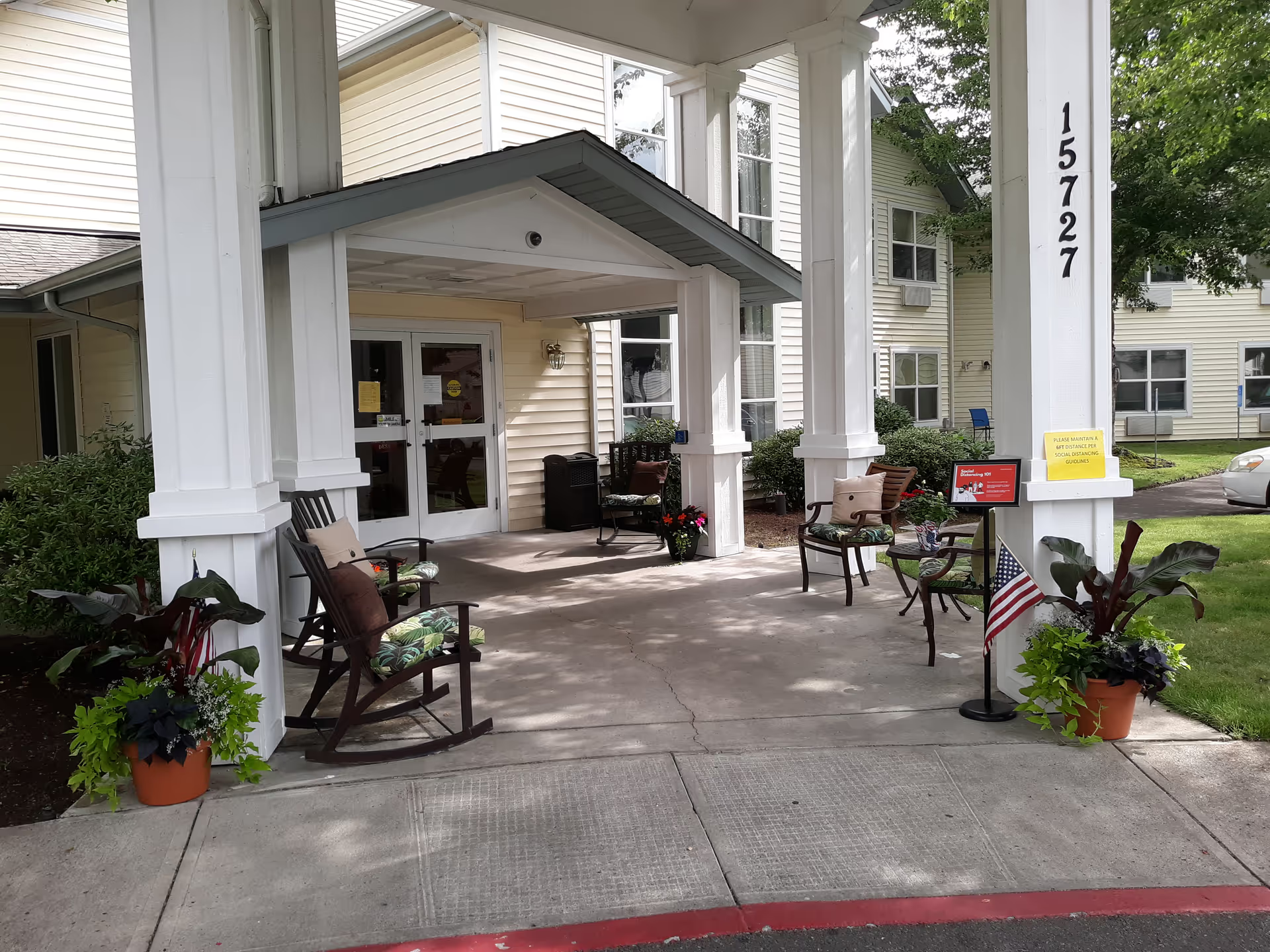
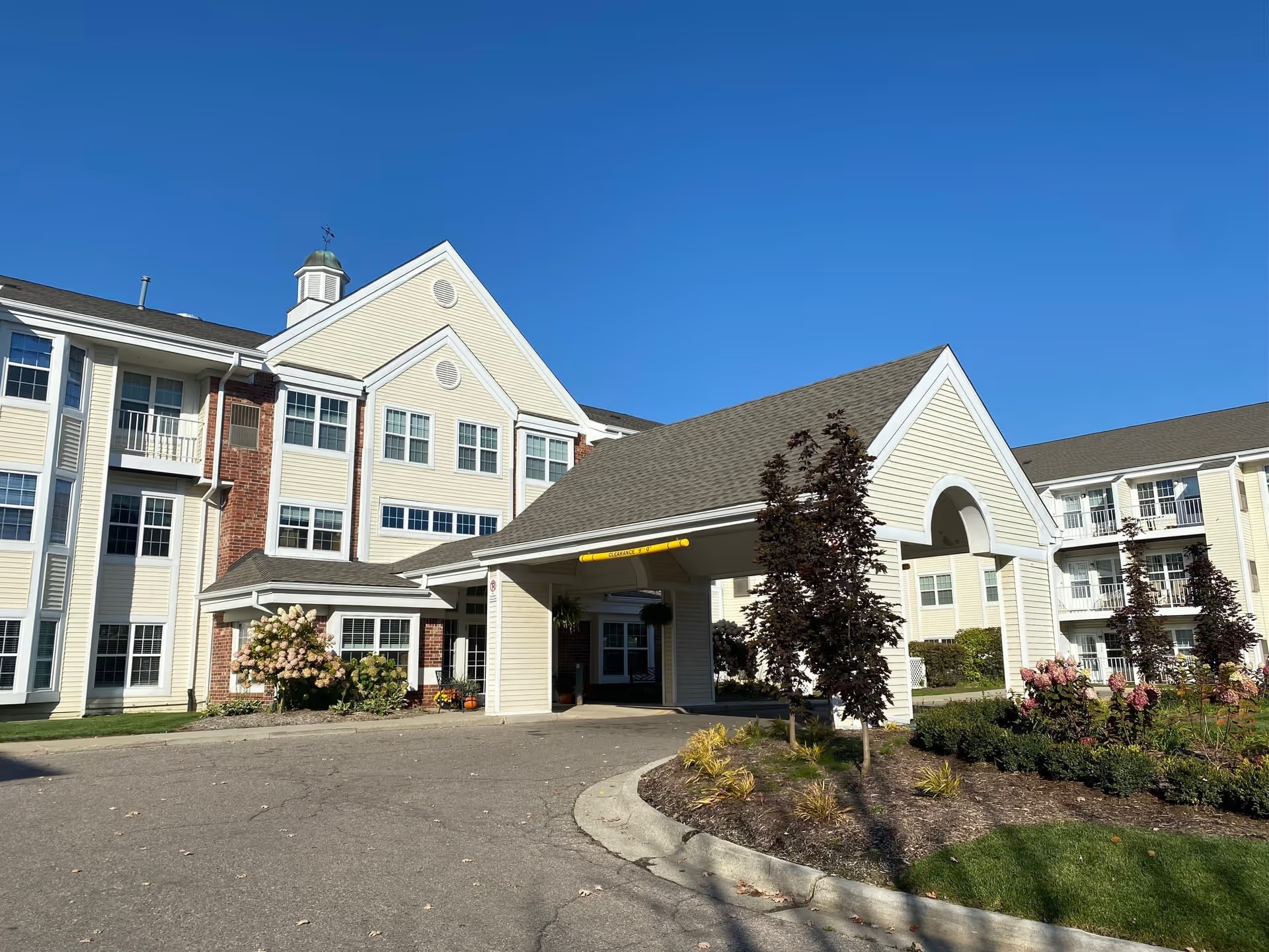
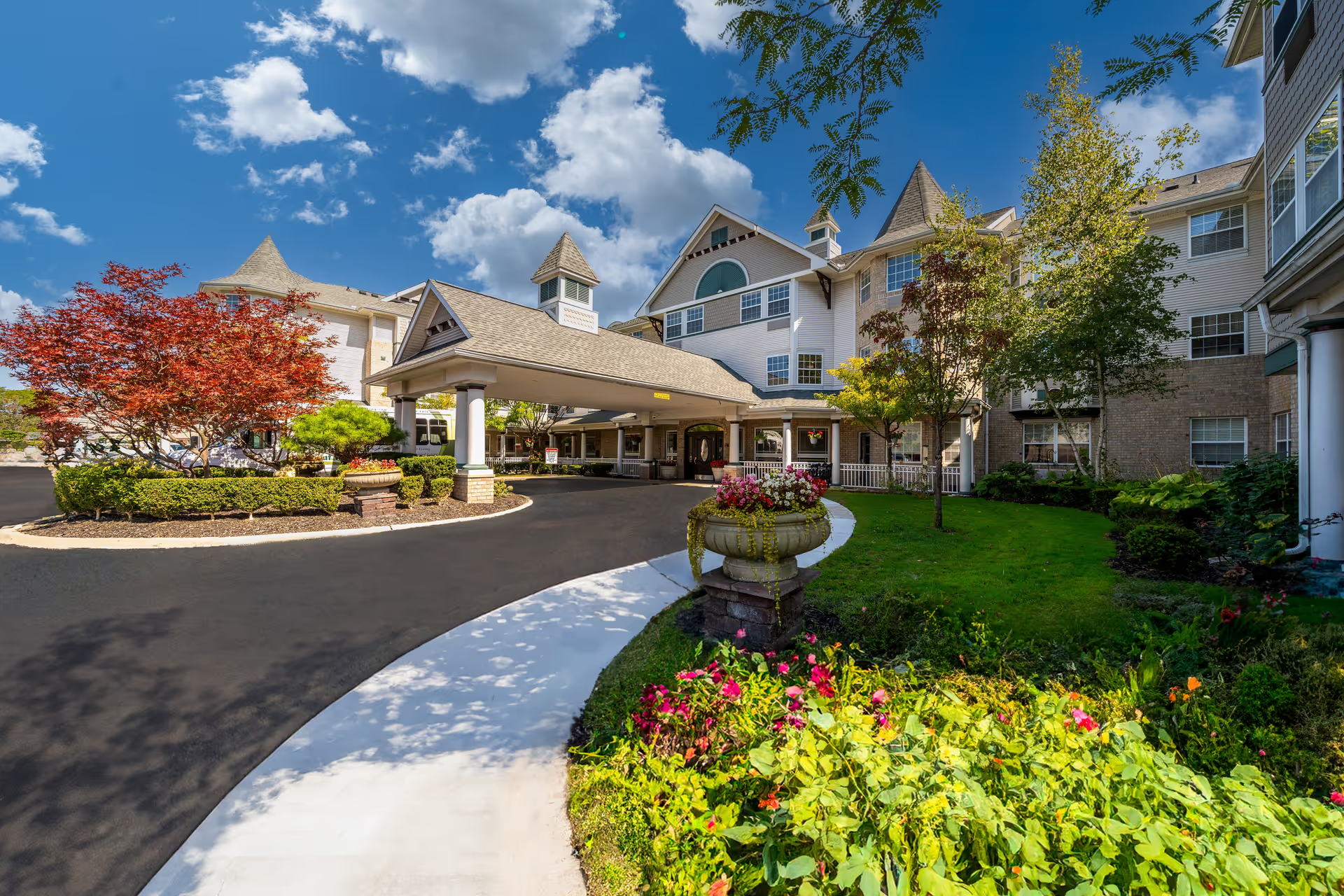
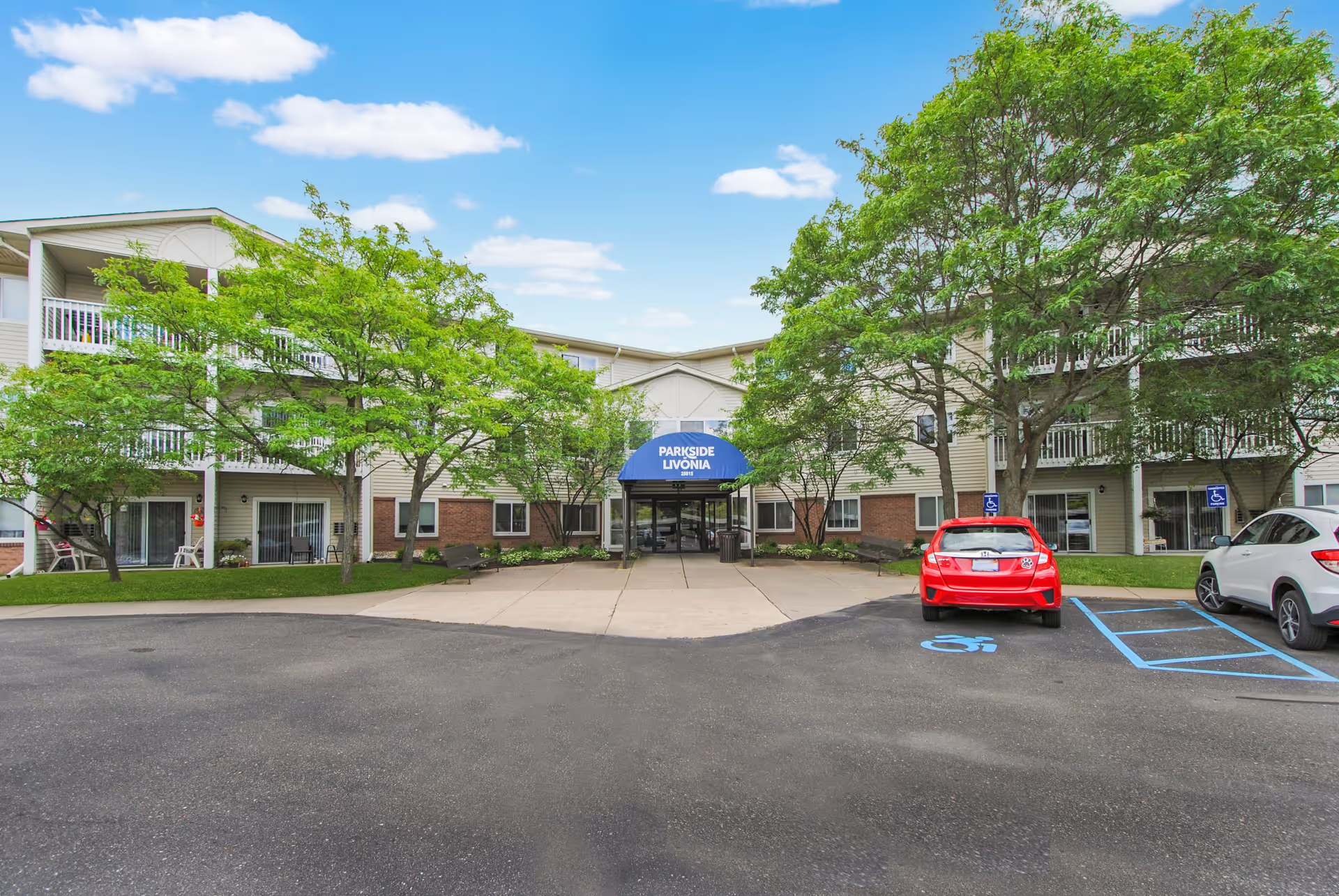
Reviewer experiences of Hartford Nursing and Rehabilitation are highly polarized: many families and residents describe a modern, clean facility with strong therapy programs and compassionate staff, while other accounts raise significant operational concerns. The building, grounds, and rehabilitation spaces are frequently praised for being new, well-maintained, and thoughtfully designed for safety and comfort. Several reviewers specifically highlighted effective physical and occupational therapy, an active activities program (including an engaged activities director), and social-work support that aided transitions and planning.
Care quality descriptions vary by unit and shift. Positive reports emphasize attentive, kind nurses and CNAs who provide individualized attention and timely responses; these accounts often link to good therapy outcomes and a family-like atmosphere. Conversely, notable weaknesses include inconsistent staffing levels that produce long call-response times, delayed medications, and uneven assistance with activities of daily living. Reviewers describe concerns about transfer-safety, wound and tube-care practices, and incontinence-care processes; these items suggest variability in clinical oversight and protocols. Some families reported having to intervene or advocate actively to obtain timely care or escalation.
Therapy and activities are a relative strength but inconsistent. Many reviewers credit the facility with excellent therapists, modern equipment, focused rehab programming, and a broad activity calendar that includes outings. At the same time, others describe missed or abbreviated therapy sessions, scheduling gaps over weekends, and variation in therapeutic staff performance. Prospective residents should verify therapy schedules and outcomes during a visit.
Dining and housekeeping feedback is mixed and frequently cited as an operational problem. Praise exists for tasty meals and dietitian involvement in some cases, but recurring criticisms include cold or unappealing food, inconsistent special-diet handling, and delays in meal service. Sanitation and linen-change concerns were raised in multiple accounts alongside references to odor issues in some areas and irregular housekeeping responsiveness; these point to inconsistent standards across shifts or units.
Management and administrative coordination present a clear pattern of strengths and weaknesses. Positive interactions with administrators and prompt resolution of issues appear in several reviews, and some families note attentive follow-up. However, many reviews describe poor communication, disorganized discharge planning, missing or incomplete aftercare documentation, and departmental handoff failures. There are also allegations of theft and mishandled personal property; these are serious concerns that families should inquire about directly. Front-desk attitude and customer-service shortfalls were reported often enough to merit attention when assessing the facility.
Notable patterns for prospective residents and families: confirm staffing ratios and weekend coverage, ask about medication-administration safeguards and incident-notification protocols, review the facility's discharge and post-discharge processes, inspect meal service during a typical mealtime, and verify personal property controls. A tour that includes therapy observation, conversations with the activities team, and meetings with nursing leadership will help clarify whether a particular unit’s performance matches the facility’s stronger reports or the areas of concern described above.