Reviews for Medilodge of Port Huron reflect a wide range of experiences. Many families and residents praise the facility’s rehabilitation programs, therapy staff, and day‑to‑day caregivers; others describe significant operational shortfalls that materially affected care. This creates a mixed overall picture in which areas of clear strength coexist with recurring procedural and communication problems.
Care quality shows notable strengths in therapy and short‑term rehabilitation: multiple commenters cite skilled, patient therapists and measurable functional gains. Nursing assistants and some nurses receive frequent positive comments for compassionate, person‑centered interactions that contribute to a family‑like atmosphere. At the same time, several reviews cite clinical concerns that merit attention at a systems level — delays in medication administration (including PRNs), inconsistent application of oxygen and other equipment, problems with catheter backups, skin‑care and positioning issues, and episodic failures in timely bedside assistance. A small number of reviewers described serious acute events and raised allegations about medication handling and emergency response; those accounts underscore the importance of verifying clinical protocols, med‑administration records, and incident reporting before placement.
Staffing and communication are recurring themes. Praise for individual caregivers and front‑desk staff coexists with consistent reports of short staffing, slow response to call lights, and staff who appear overextended. Family communication is uneven: some families describe timely updates and attentive managers, while others report late or absent notifications, dismissive interactions from specific administrative staff, and unclear discharge instructions. These patterns suggest variability in training, handoffs, and family‑engagement processes across shifts.
Dining and activities are similarly mixed. The activities program and social offerings receive many positive comments for engagement and resident enjoyment. Meals — particularly breakfast and proactive dietary staff — are highlighted positively by several reviewers, but others describe inconsistent meal quality and difficulty obtaining appropriate special‑diet accommodations. Prospective families should verify the facility’s approach to therapeutic diets and how individual preferences or restrictions are handled.
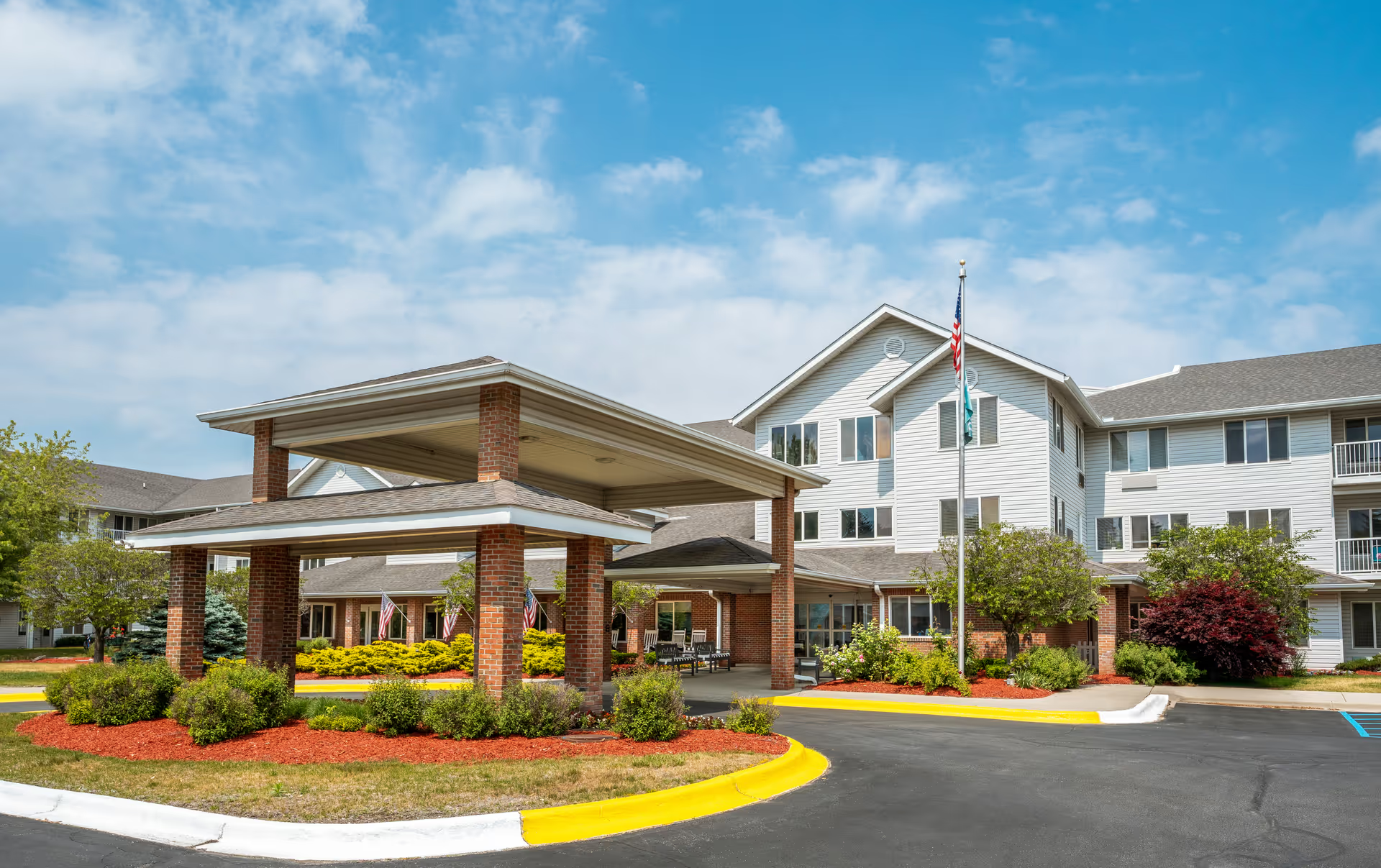
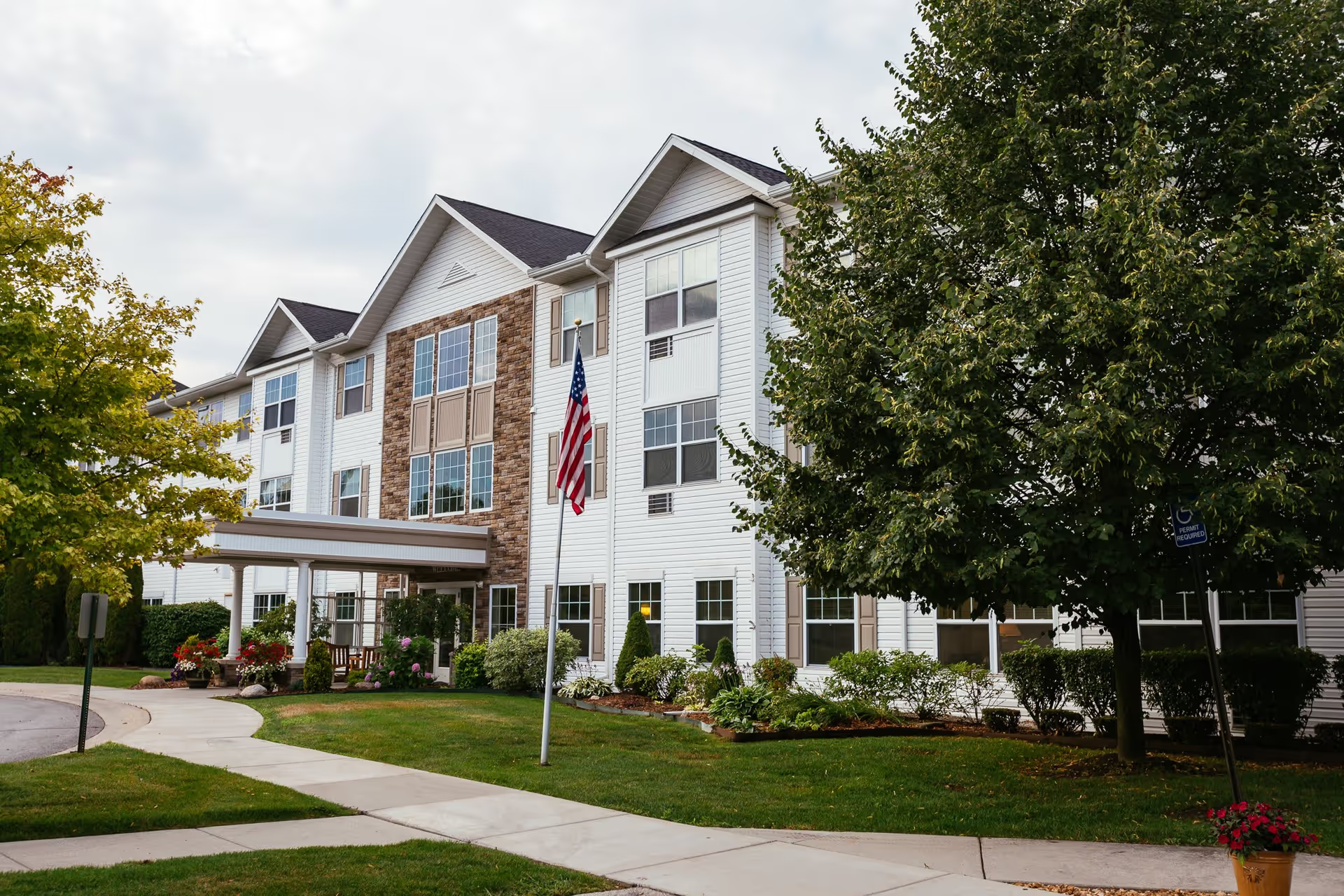
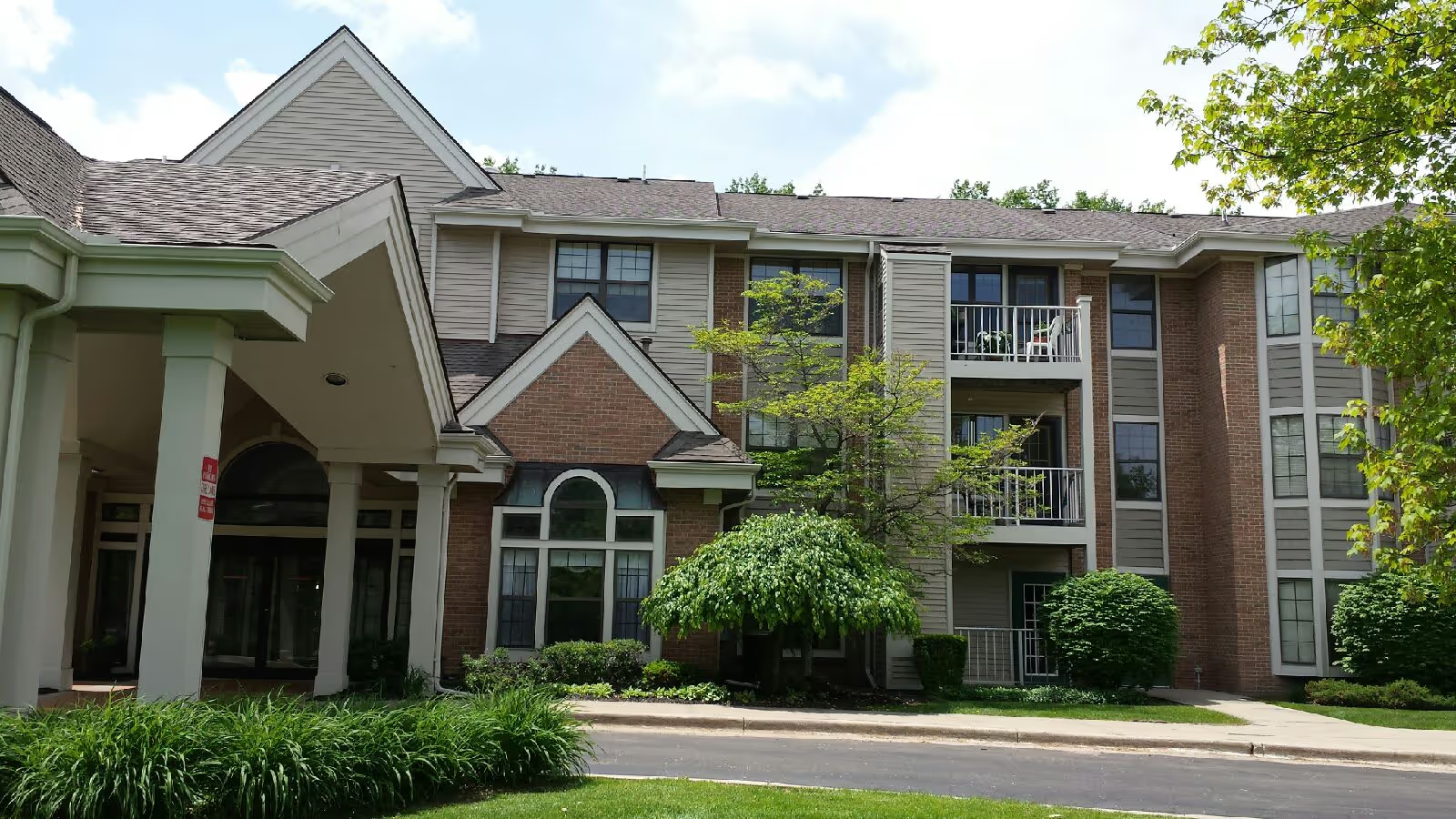
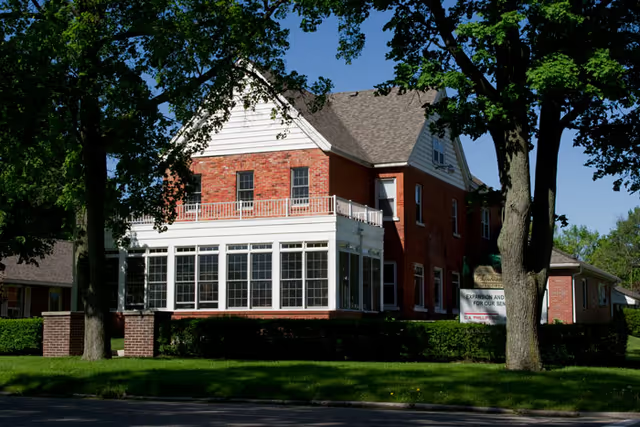
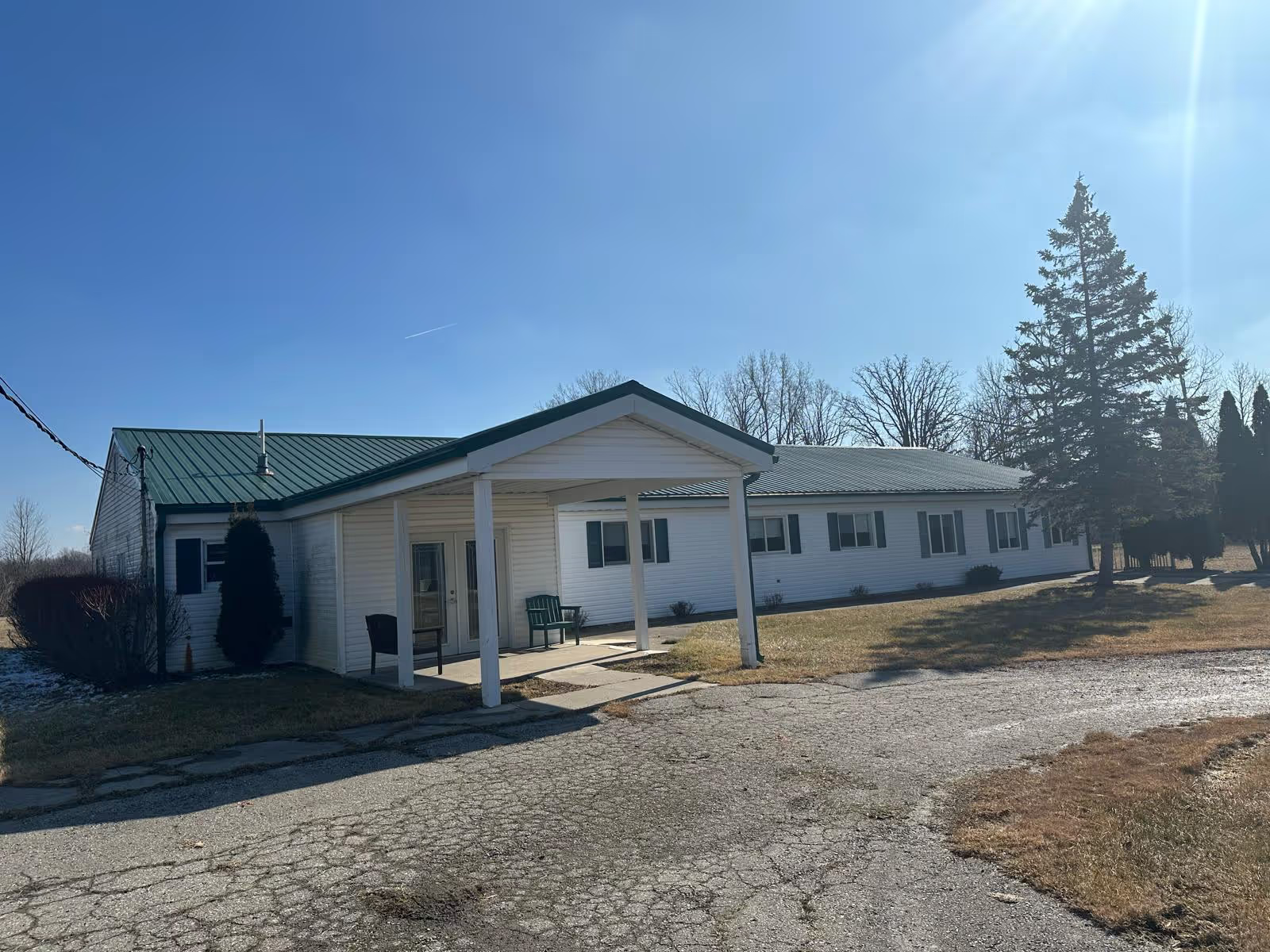
Facility condition and housekeeping are frequent positives: the building, public areas, and grounds are widely described as clean, spacious, and well maintained. However, there are repeated notes about sanitation inconsistencies and delayed cleaning responses in specific incidents, plus isolated pest‑control concerns. Security and screening procedures are described as thorough but sometimes time‑consuming at admissions and discharge.
Management perceptions vary: some reviewers praise a responsive leadership team that addresses concerns quickly, while others feel management did not adequately resolve ongoing care or discharge problems. Common actionable considerations for families are to ask about staffing ratios by shift, call‑light response targets, documented toileting and skin‑care schedules, medication‑administration protocols (including PRN use and oversight), discharge planning procedures, and dietary accommodations. Overall, the facility demonstrates clear strengths in therapy and many compassionate staff, but prospective residents and families should obtain specific assurances on staffing, communication, medication management, and sanitation practices before placement.