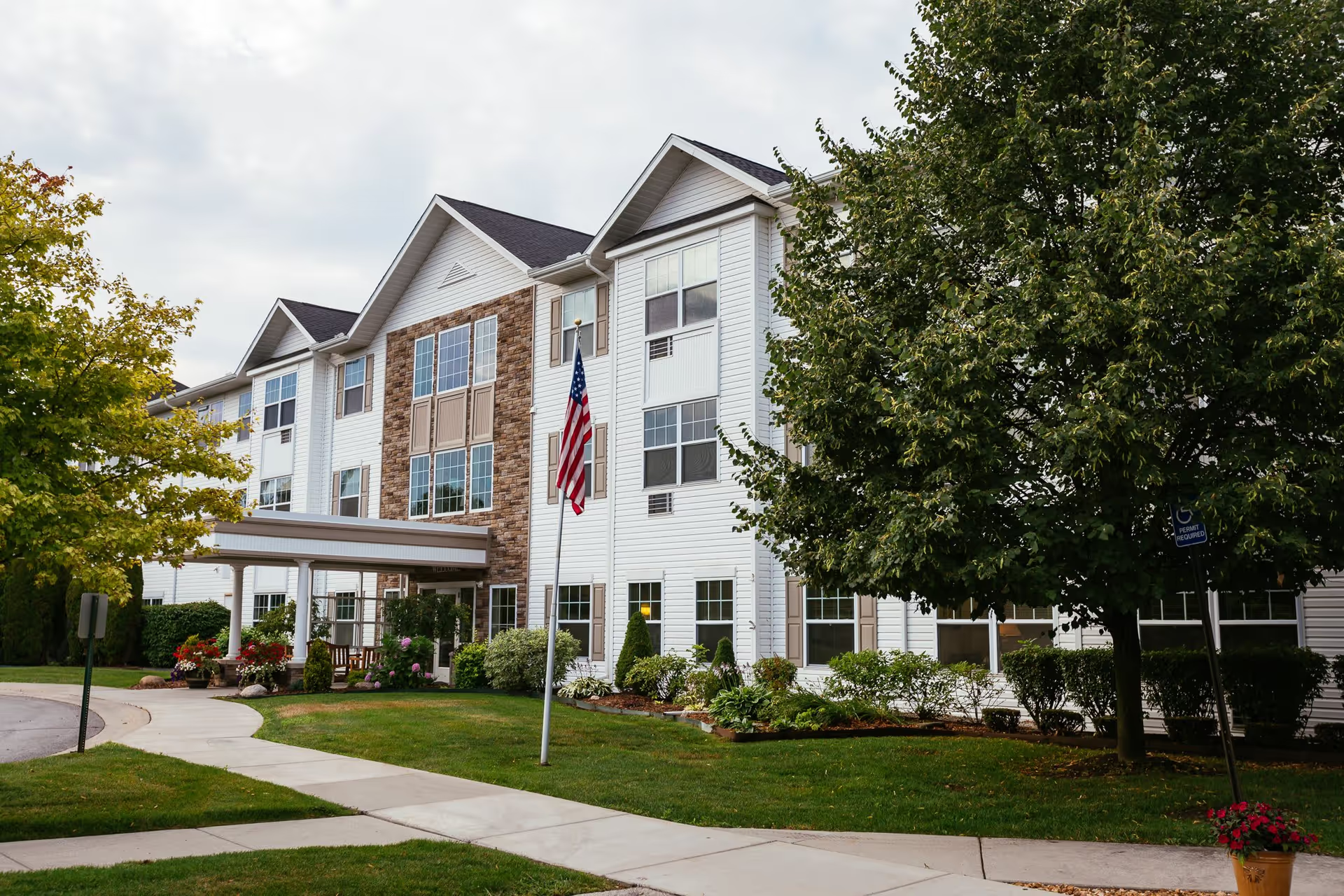
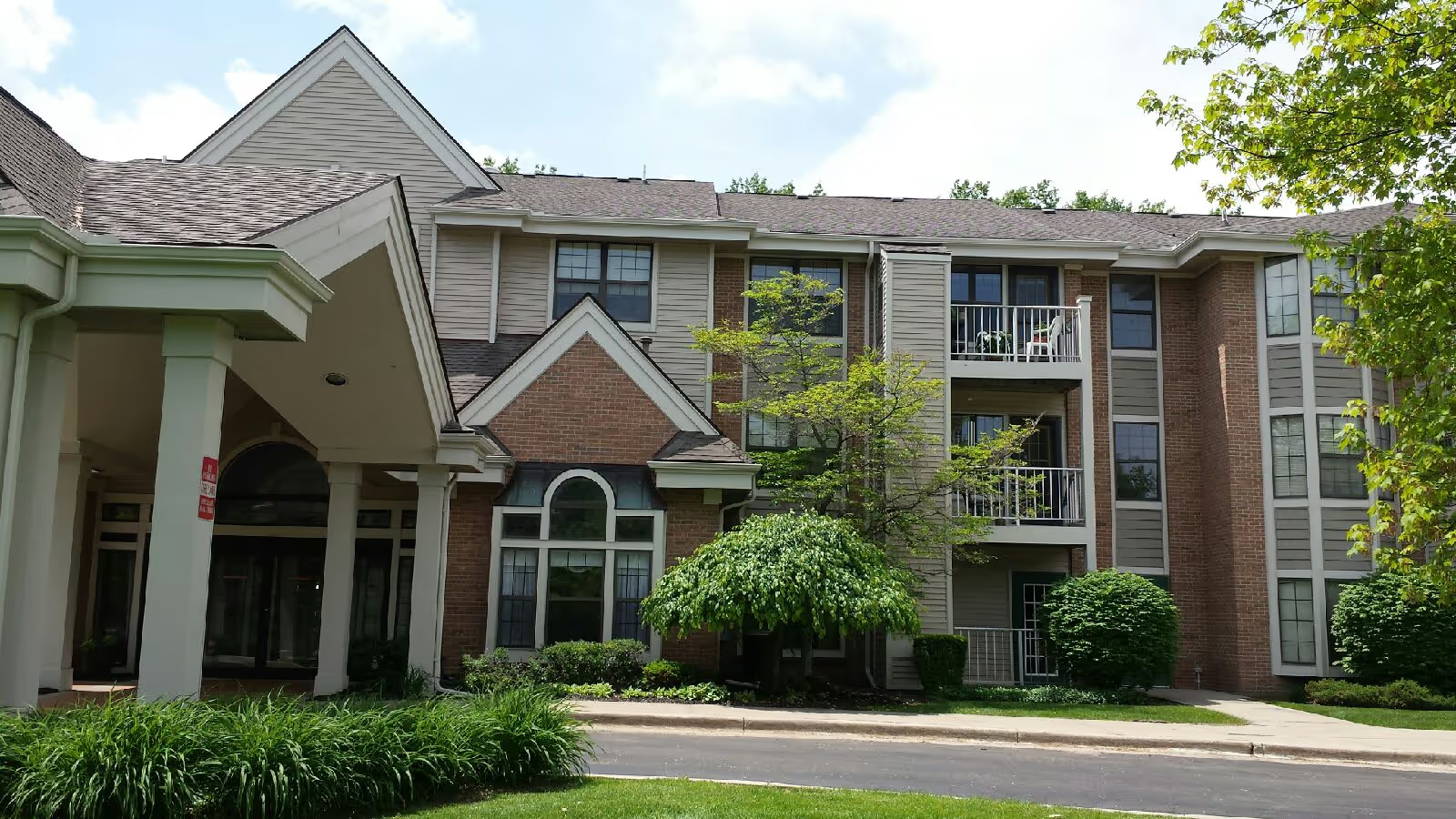
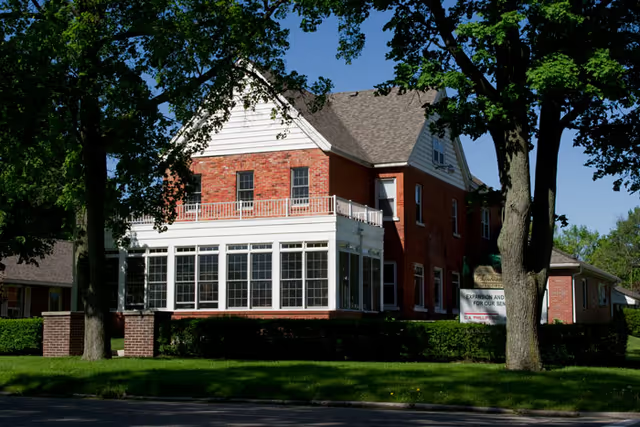
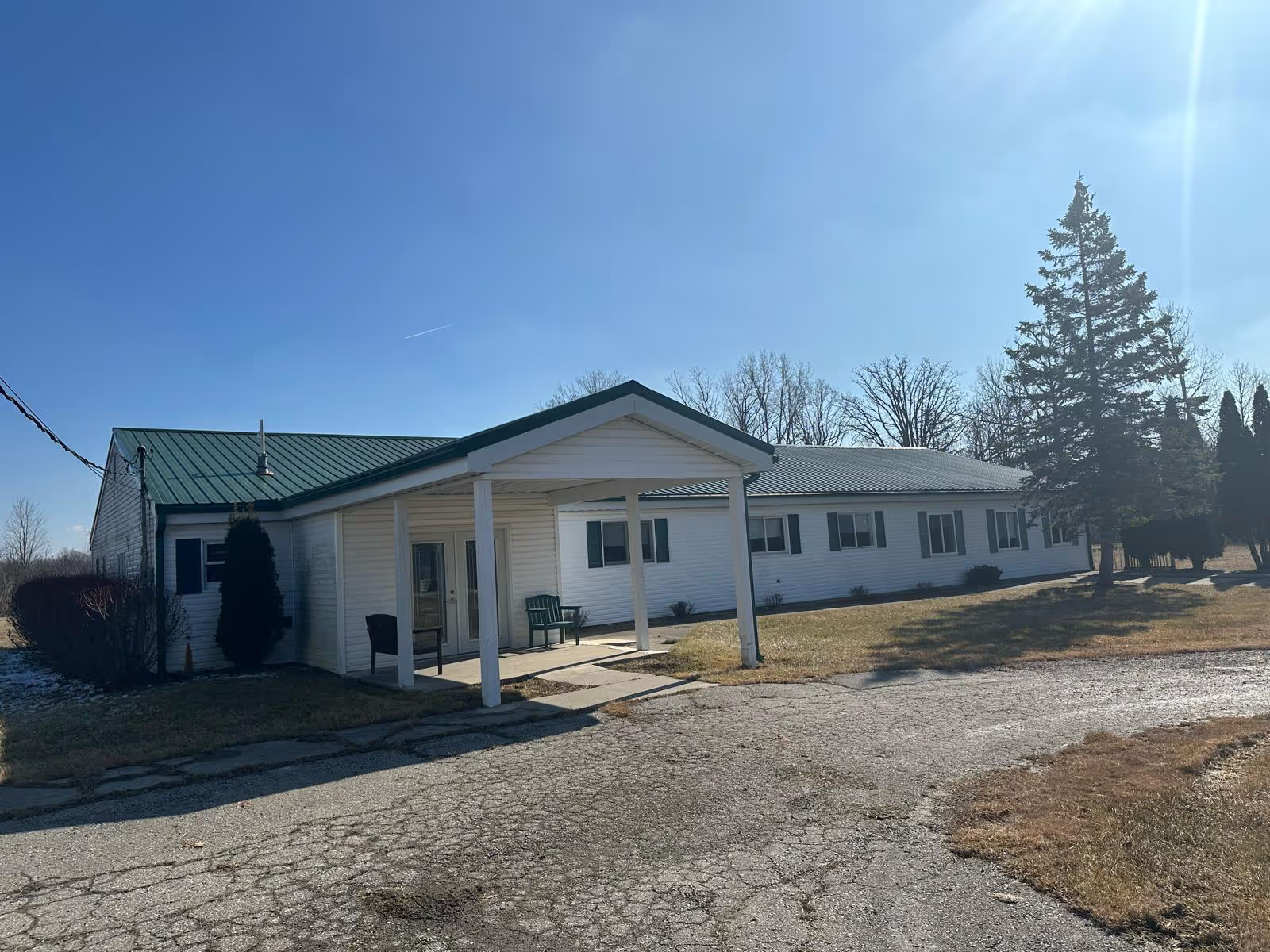
Overall sentiment in the reviews is mixed but dominated by repeated praise for individual caregivers, therapy services, and the facility’s physical environment, alongside persistent operational problems centered on staffing, food service, communication, and occasional serious clinical lapses. Many reviewers described Regency On The Lake as clean, comfortable, and hotel-like following recent enlargement/remodeling. The grounds, rooms, and therapy spaces receive frequent positive mention: reviewers consistently report spacious rooms, well-equipped rehab rooms, and an attractive facility that supports recovery. The activities program is frequently called out as well-planned and engaging, and many residents and families described the community as “family-like,” with staff who go above and beyond to provide compassionate care and social support.
Staff quality is the single most common theme and shows a strong positive polarity for many reviewers. Nurses, CNAs, therapists, social work, and specific named individuals (for example Anthony, Katie, and managers such as Kathy Leverenz in some reports) were singled out for kindness, responsiveness, and professionalism. Physical therapy is repeatedly praised as a strength — multiple reviews credit PT staff with meaningful functional improvements and successful discharges home. Wound care also received multiple positive mentions where a dedicated wound nurse was described as excellent. Housekeeping and general cleanliness are often listed among strengths; many reviewers described prompt cleanups, sparkling floors, and timely laundry service.
Despite these strengths, a large and consistent set of operational problems appears across reviews. Understaffing and high turnover are recurring and cause concrete care issues: long waits for bathroom assistance or bedpans, missed follow-ups, and overworked or inexperienced CNAs. Reviewers reported variability in aide reliability, with some noting that missed aide tasks led to missed meals or hygiene lapses. Multiple reviews described shower schedules that were inadequate (shower frequency as low as twice a week being mentioned) or difficult to secure, and several noted toothbrushes, soiled garments, or linens left unattended. These staffing-related shortfalls translate into inconsistent daily-care experiences and anxiety for families.
Food and dining quality are polarizing. Some reviewers enjoyed the meals and meal variety, mentioning specific favorite dishes, while many others described poor food quality, high sodium/processed meals, limited diabetic and special-diet accommodations, dirty utensils, and indifferent kitchen staff. Several reviewers explicitly connected poor food service to the kitchen staff’s attitude and to management decisions (e.g., alleged denial of diets for cost reasons). Meal trays delivered cold or without condiments and inconsistent availability of requested items were recurring complaints.
Communication and management processes are another area of mixed feedback. On the positive side, some reviewers reported quick and helpful management responses to complaints and praised specific managers and reception staff for guiding families and being informative. On the negative side, there are many reports of poor inter-departmental communication (therapy not coordinated with nursing, meds or doctor transports missed due to aide unavailability), unanswered phone lines during the day, ignored reimbursement requests, and formal complaints that went unresolved. Several reviewers characterized management as unorganized or reactive rather than proactive, and some families said they would not return largely because of communication breakdowns.
Clinical safety concerns, while not the majority theme, are significant where they appear and should not be overlooked. Multiple reviews allege serious problems: untreated or poorly managed pressure sores/bedsores, infections or sores not redressed after showers, unnecessary oxygen administration, and denied pain medication or diabetic diet. Some reviews described appalling or horrendous episodes; others explicitly stated they would not recommend the facility after experiencing clinical neglect. Conversely, other reviewers praised the clinical teams and called the facility ‘‘top-notch’’ for medical care and rehab. This divergence suggests that clinical quality may be uneven and highly dependent on staffing levels, shift, and individual caregivers.
Logistics and accessibility concerns were also raised: narrow wheelchair-accessible bathrooms that make bariatric care difficult, lost clothing with little resolution or compensation, maintenance items left unresolved (nagging repairs), and mattress problems (sunken spots causing pain). Therapy scheduling inconsistencies were frequently mentioned — many reviewers praised PT/OT teams when they were present and consistent, but commented that therapists sometimes missed sessions, arrived late, or failed to coordinate with nursing and families.
In sum, Regency On The Lake receives many strong endorsements for its environment, dedicated individual staff members, rehabilitation and wound care services, and activities. However, those positives are tempered by repeated operational failures that affect day-to-day resident experience: understaffing, inconsistent aides, variable food quality, administrative and communication gaps, occasional hygiene and clinical safety problems, and problems handling personal property and complaints. Prospective families should weigh the facility’s clear strengths in therapy, cleanliness, and individual caregiver compassion against the risk of variability in basic daily care and food service. If considering Regency, ask specific questions about current staffing levels (day and night), shower and toileting schedules, how special diets and diabetic needs are handled, the process for addressing lost items and complaints, and observe the coordination between nursing and therapy during a visit. These targeted inquiries can help determine whether the current operational state aligns with your loved one’s clinical and daily-care needs.