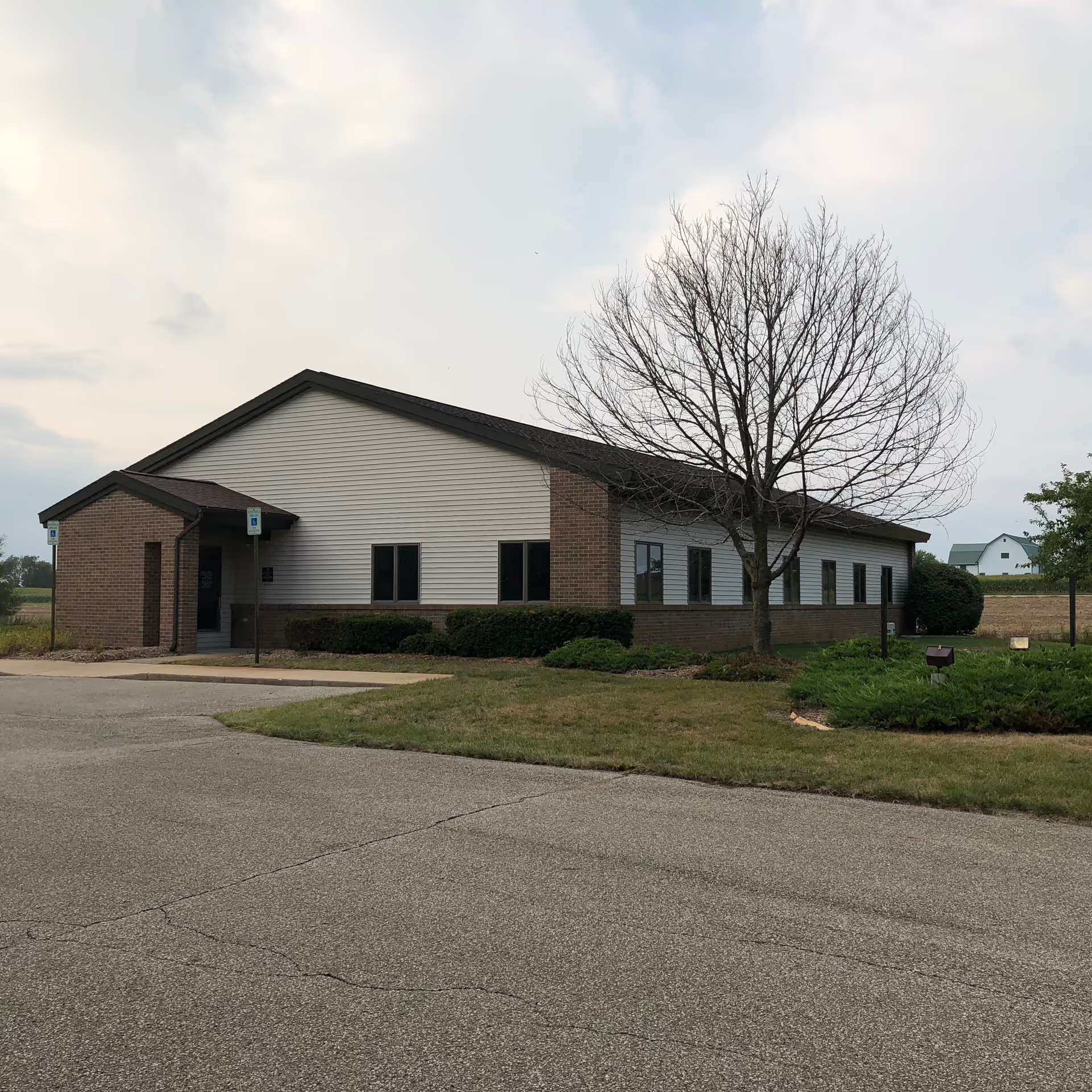
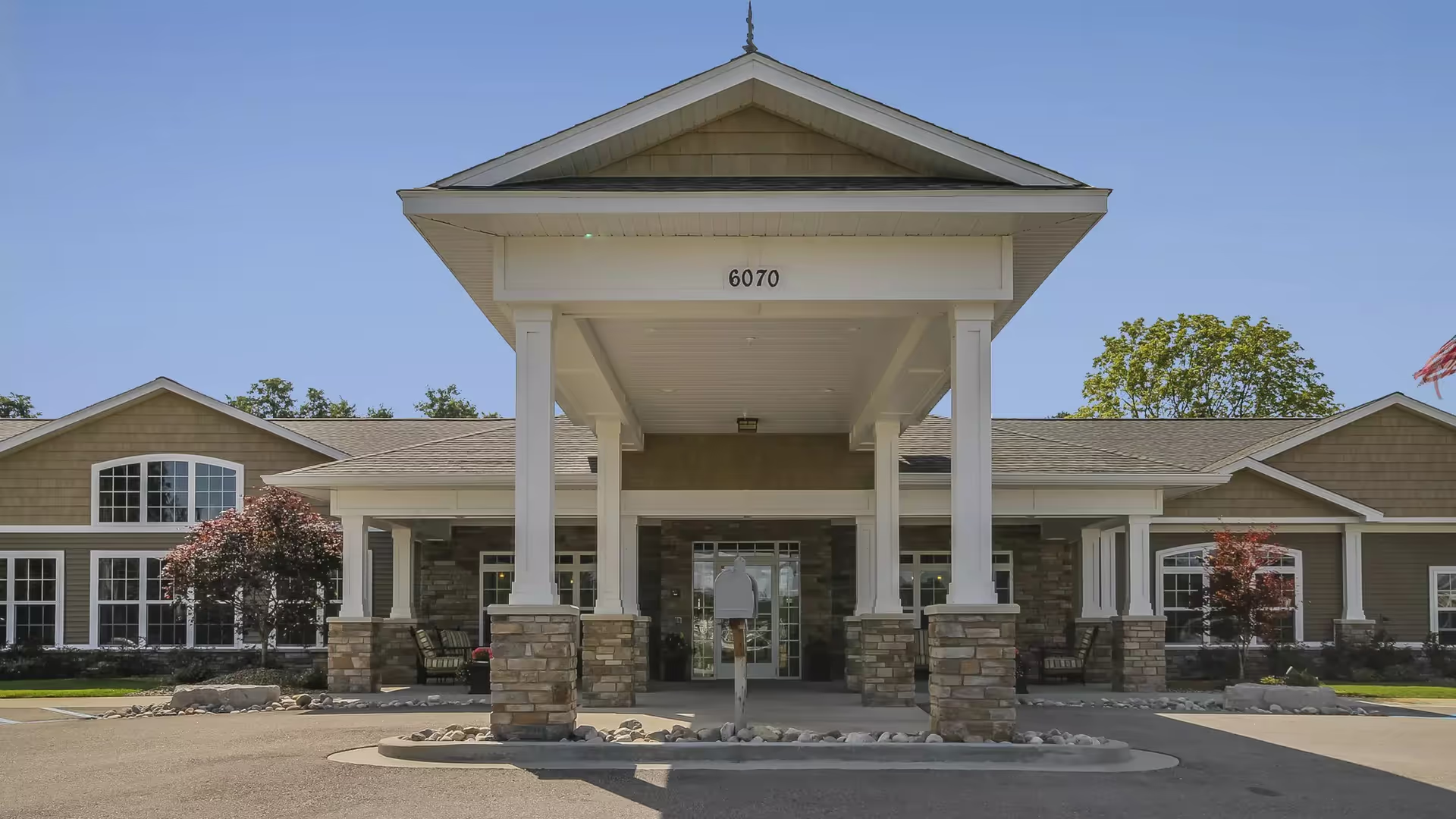
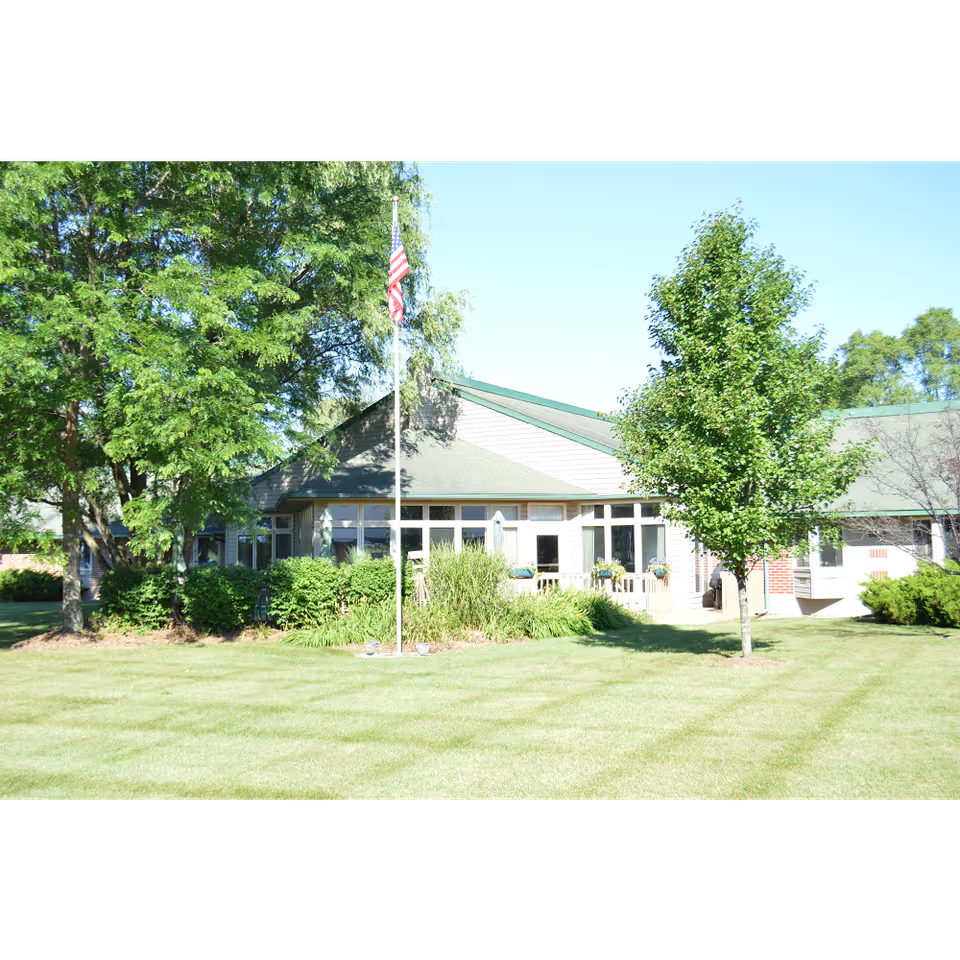
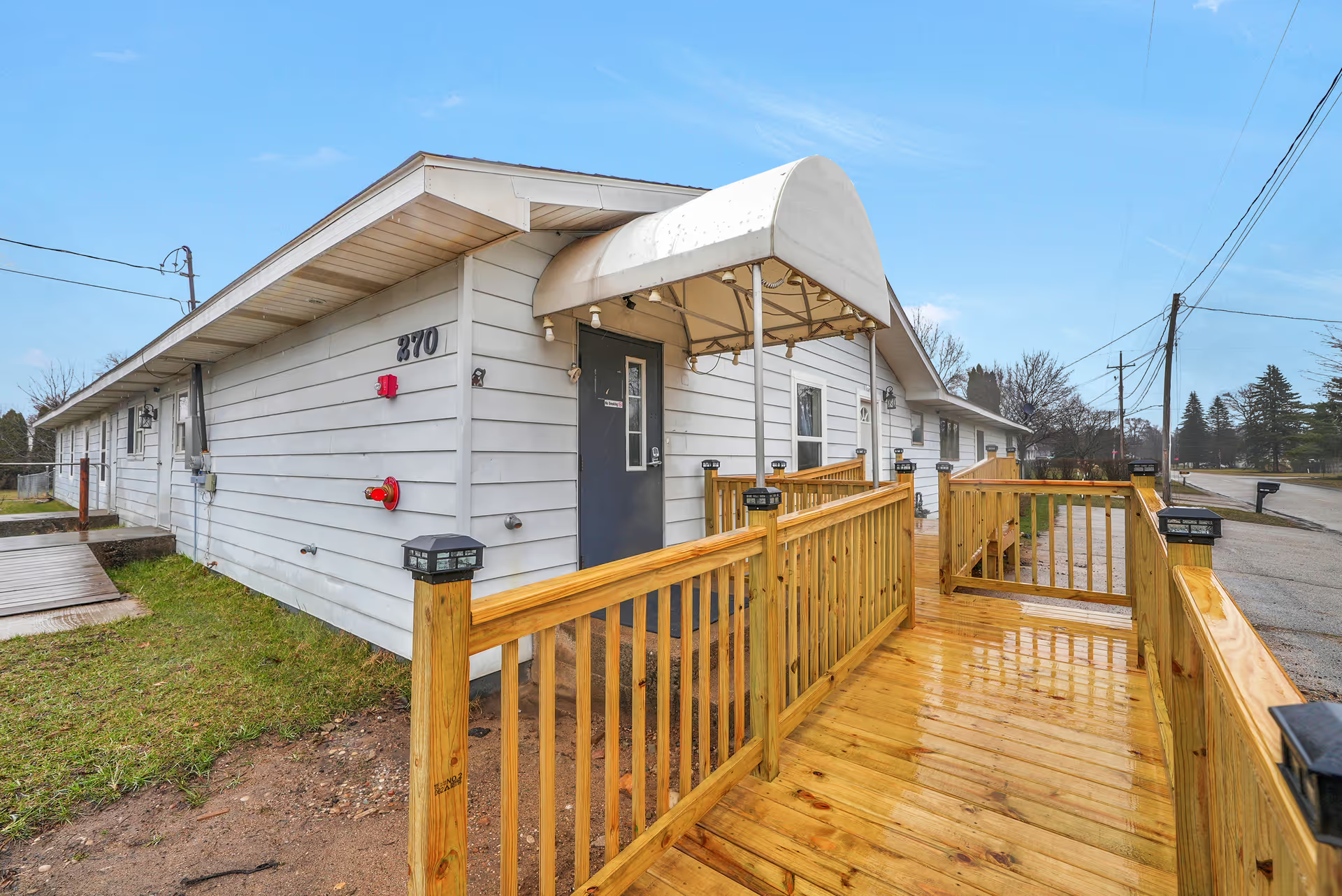
Overall impression: Reviews portray Hathaway Hills as a small, well-maintained assisted living and memory-care community with a strong emphasis on personalized, compassionate care. Families and residents commonly describe a warm, home-like atmosphere, with staff who know residents by name, engage repeatedly with families, and provide hands-on support. Cleanliness and a pleasant physical environment are recurring strengths, alongside an enclosed courtyard and attractive common spaces that contribute to a secure, comfortable setting.
Care and staff: Care quality is most frequently praised for its compassion and attentiveness. Long-tenured caregivers and a structured orientation process for new aides are cited as assets that help maintain continuity of care and support dementia-specific needs. The memory-care unit is repeatedly described as home-like, patient, and safety-focused; reviewers highlight caregivers’ patience, knowledge of dementia behaviors, and individualized attention. At the same time, a pattern of staff rotation between assisted living and memory care is noted; this can provide flexibility but also introduce discontinuities in day-to-day caregiver consistency. Several accounts also point to variable skill levels among newer aides, indicating that clinical familiarity and hands-on competence can differ by staff member.
Dining and nutrition: Dining is a clear strength. The community operates an in-house kitchen and chef, with frequent mentions of home-cooked, varied menus, attention to dietary needs, and accommodating responses to special diets. Meals are described as well-presented, nutritious, and often served on real dinnerware, which families see as part of a dignified dining experience. Kitchen staff are also noted for willingness to prepare additional servings or special meals when requested.
Activities and engagement: Hathaway Hills offers a wide range of life-enrichment programming—arts and crafts, music programs, Lego projects, exercise, gardening, weekly church services, holiday and birthday events, and social gatherings. Staff members dedicated to activities (named by families in some accounts) are credited with creating inclusive programming for varied cognitive and physical abilities. That said, activity engagement can be uneven: some families noted times when few activities were in progress or when more off-site outings and options for highly independent residents would be desirable.
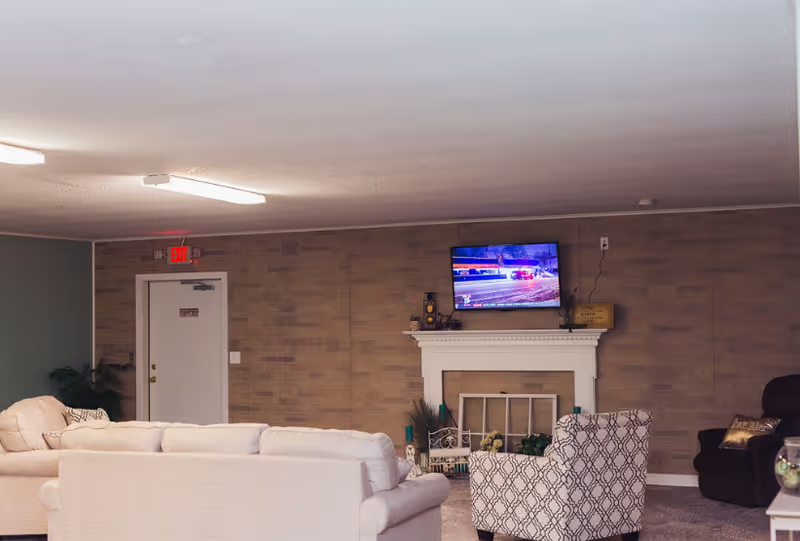
Facilities and services: The facility is frequently described as clean, contemporary, and well-maintained, with spacious common areas and amenities such as an on-site salon, podiatry visits, laundry, and transportation services. Apartment layout and size vary; many families praise large bathrooms and walk-in closets in some units, while other accounts note smaller studios that may feel cramped. Security features and an enclosed outdoor area contribute to a sense of safety for memory-care residents.
Management and communication: Management is often characterized as approachable and responsive, with regular emails, town-hall meetings, and direct engagement from directors during visits. Families appreciate timely resolution of issues and frequent updates, including photos for out-of-state relatives. However, there are recurring operational concerns: some families raised issues about billing clarity, price increases, and move-out charges, which suggest room for clearer financial communication and administrative processes. A smaller subset of accounts points to inconsistent leadership engagement or day-to-day miscommunications that affected visit planning or specific care interactions.
Notable patterns and trade-offs: The dominant theme across accounts is high satisfaction with staff compassion, daily programming, and dining—elements that contribute to resident well-being and family peace of mind. Trade-offs include the small-community scale: while many praise the family-like environment, the limited unit size and occasional gaps in activity frequency or outing options may not suit every prospective resident. Operationally, transparency around pricing and billing and deliberate efforts to improve staffing continuity and new-aide competency would address the most commonly cited areas of concern. Prospective families should weigh the strong person-centered care and robust amenities against these operational considerations when evaluating fit.