The reviews present a mixed but consistent pattern: many families praise the community’s physical environment, social programming, and the compassion of front-line staff, while others raise operational concerns that affect clinical reliability and daily living.
Care and clinical quality: Several accounts describe attentive, compassionate caregivers and coordinated work with medical and therapy teams, with families citing improved transitions and proactive advocacy by staff. However, recurring operational themes include inconsistent continuity of care due to staffing turnover and shift changes, medication transcription or administration errors, and delays responding to call lights or clinical incidents. A small number of serious clinical events were described by families; these have created notable concerns about medication control and the speed of clinical response. Prospective families should ask about current staffing levels, medication-safety protocols, and how the facility manages clinical incidents and family notification.
Staff and management: Many reviewers singled out individual caregivers, nurses, and activity staff as warm, professional, and helpful; marketing and wellness staff also receive positive mentions. At the same time, persistent reports of high turnover, understaffing, and uneven training suggest variability from shift to shift. Administrative-level issues appear mixed: some families experienced strong, communicative management and recent improvements under new leadership, while others reported unresponsive business-office behavior, billing errors, delayed refunds, and difficulty reaching administrative staff. These administrative patterns have an outsized impact on family trust despite positive frontline interactions.
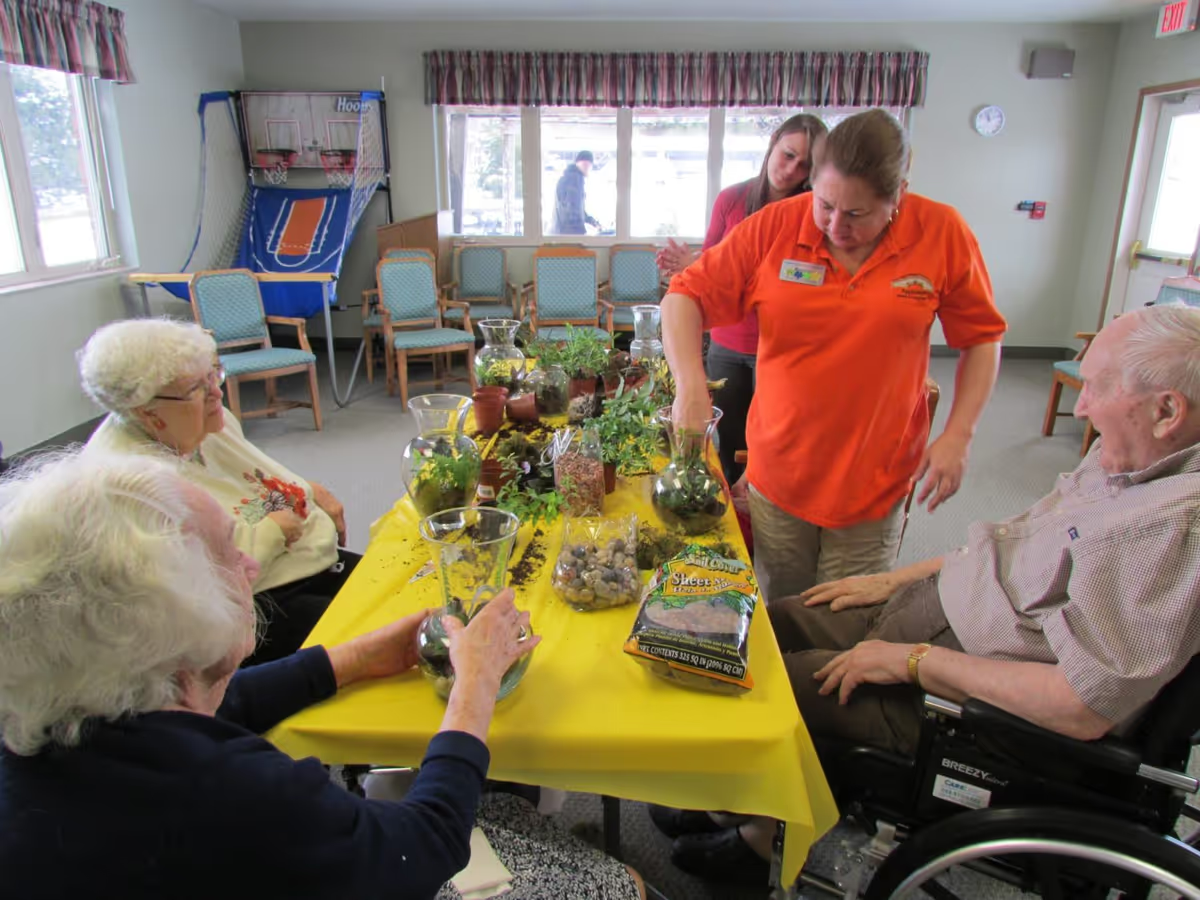
Dining and activities: The community’s activity program is frequently highlighted as a strength — arts, cards, bingo, live music, outings, and building-specific programming create a lively social environment when staffing allows. Dining impressions are more variable: several reviewers describe restaurant-style dining and good meals, while others report cold or inconsistent food quality and limited meal-service hours (for example, a single noon meal in some plans). Confirm the scope and scheduling of meals and activities for the specific unit or lease type you are considering.
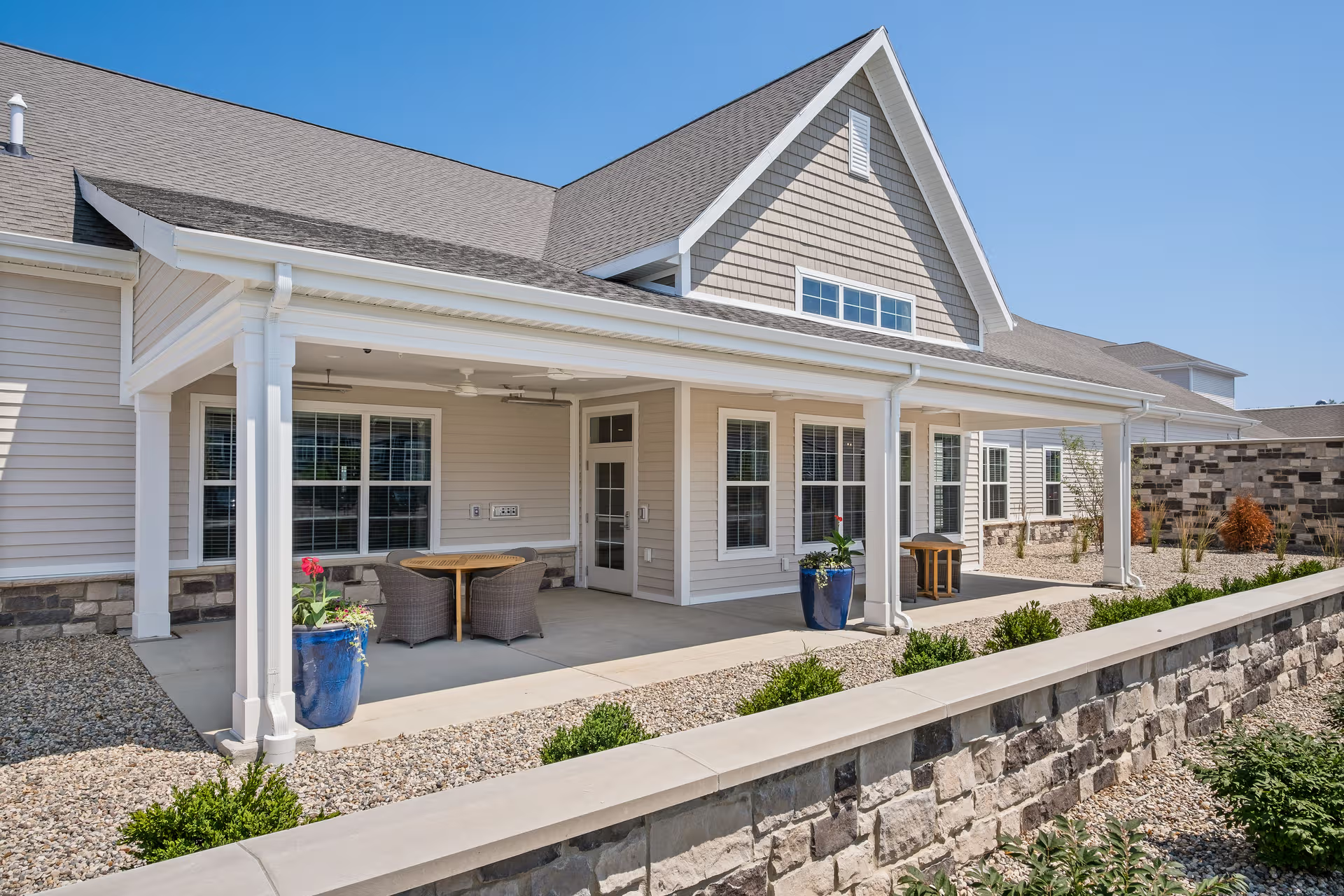
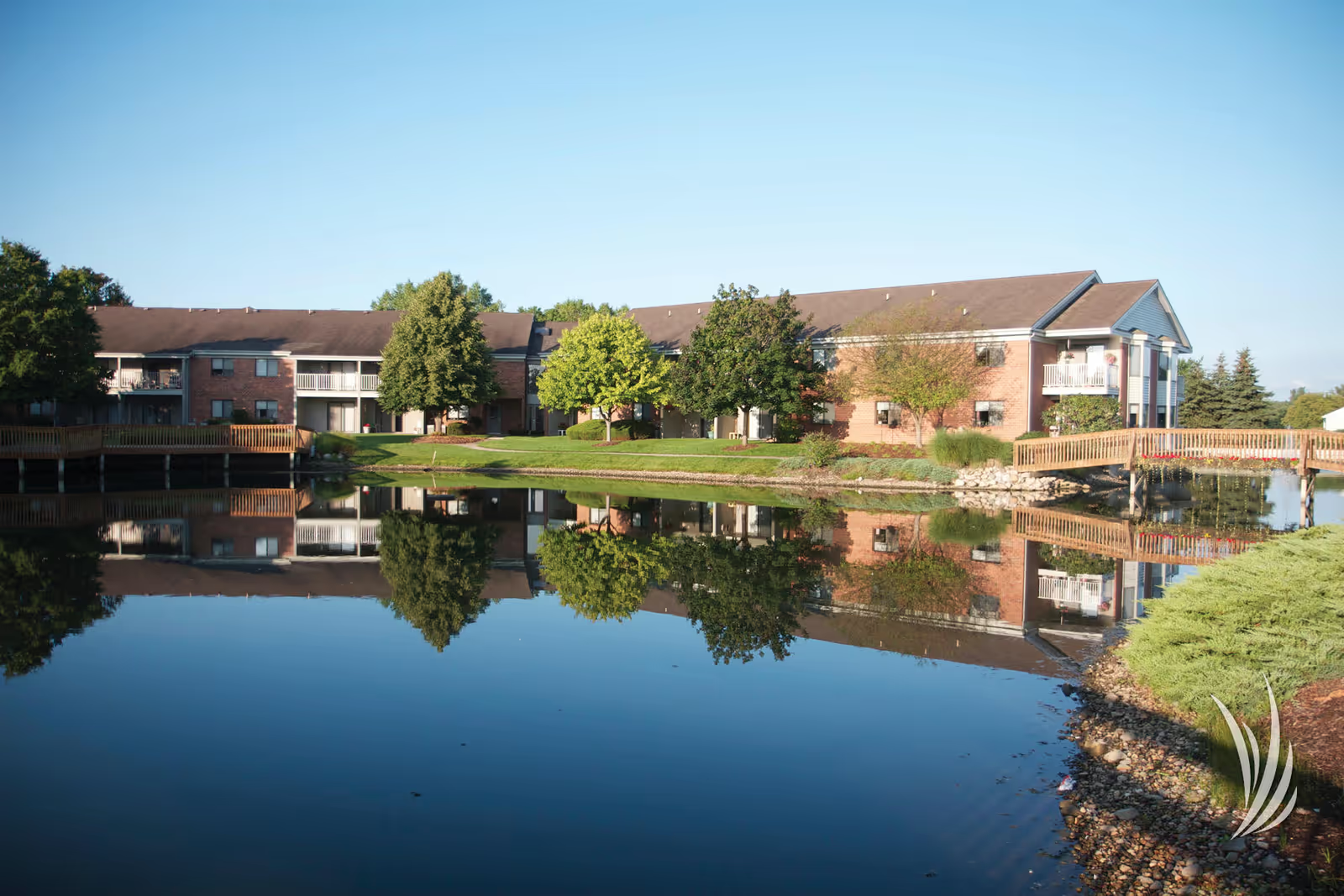
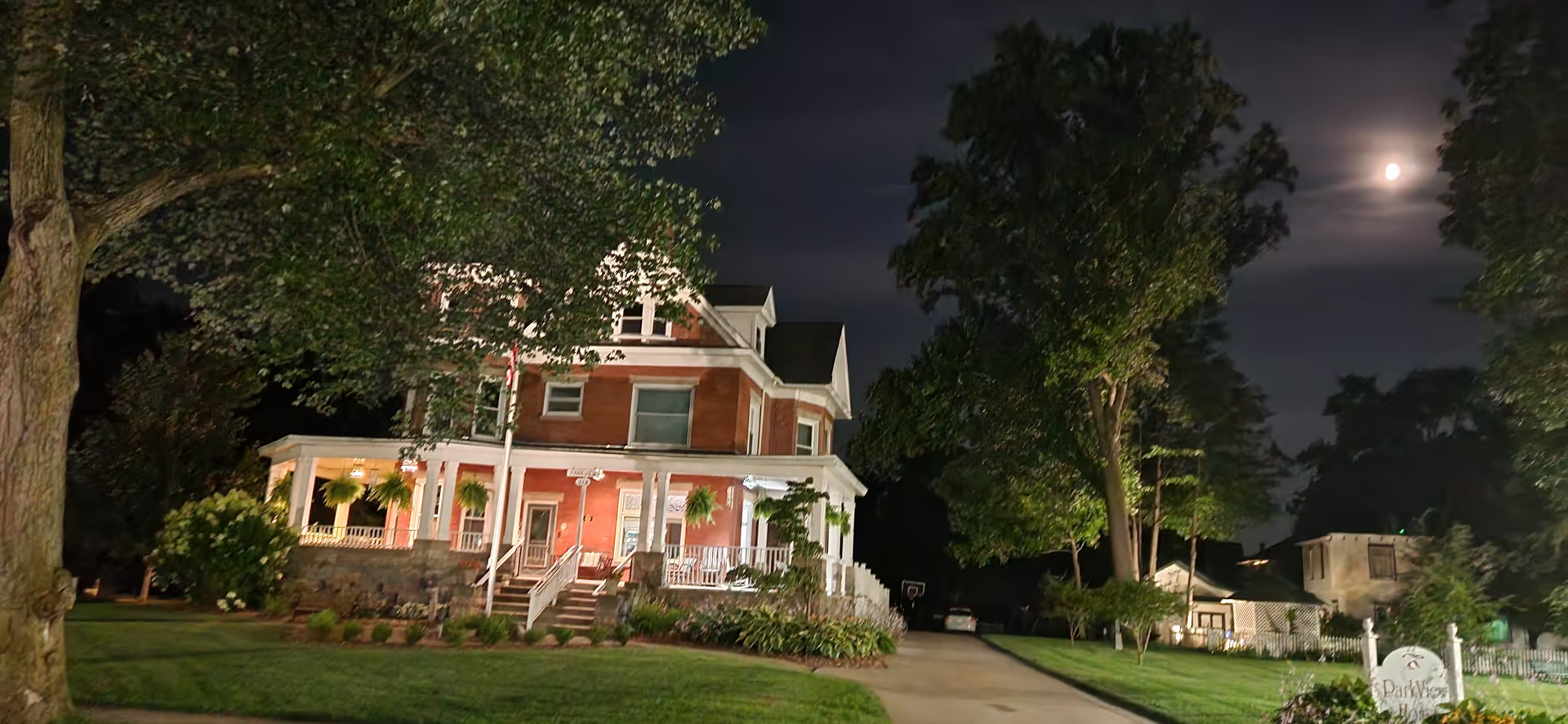
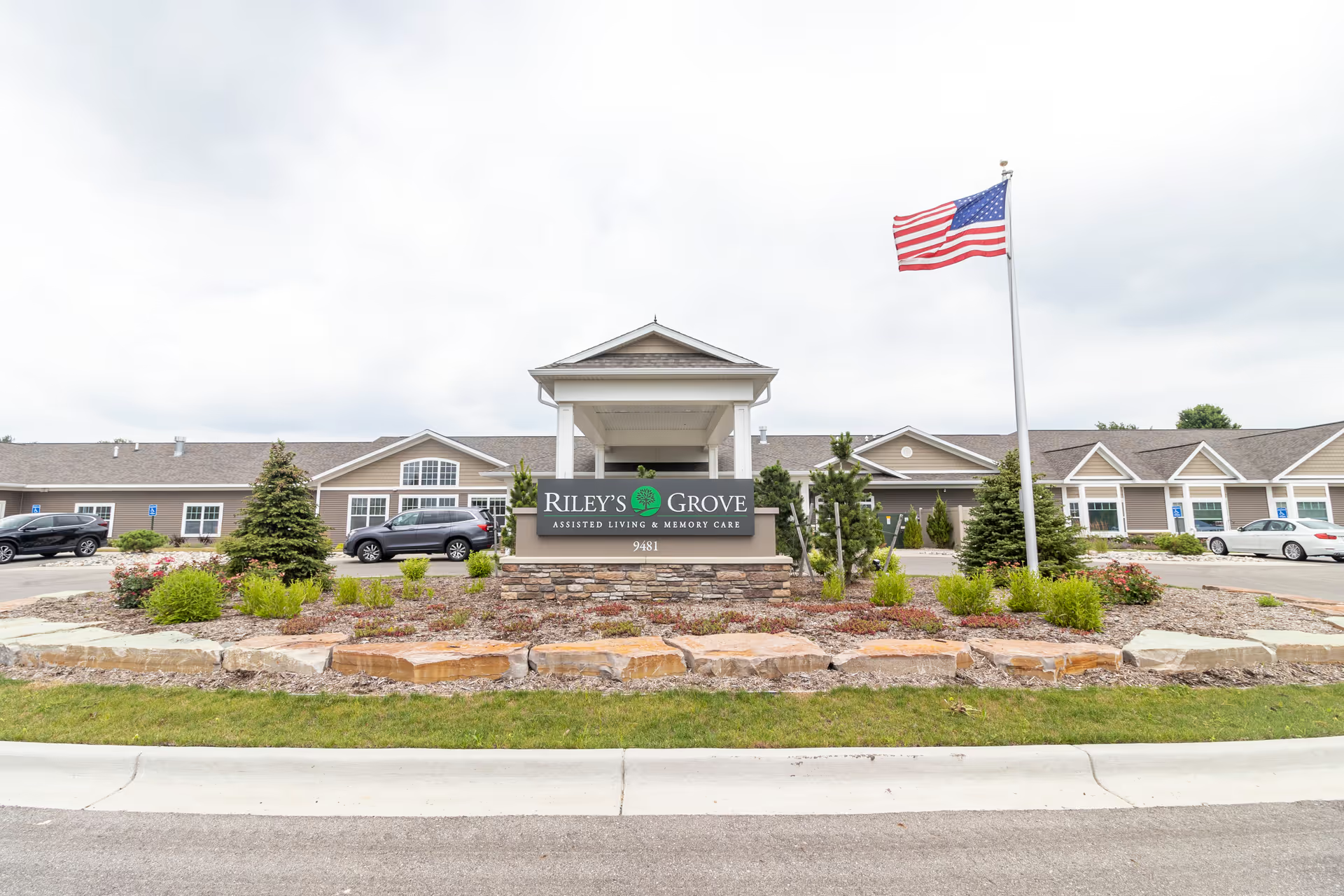
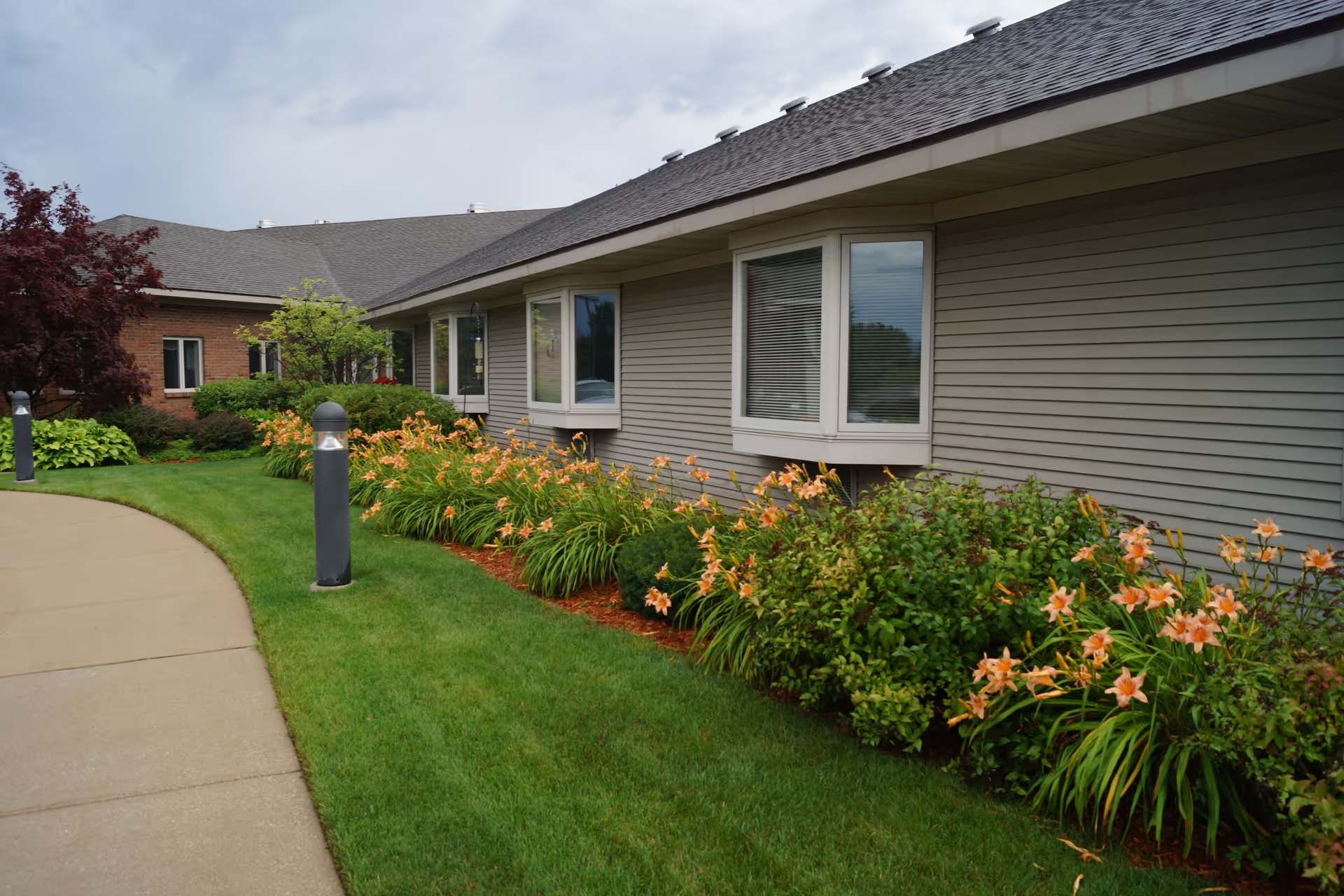
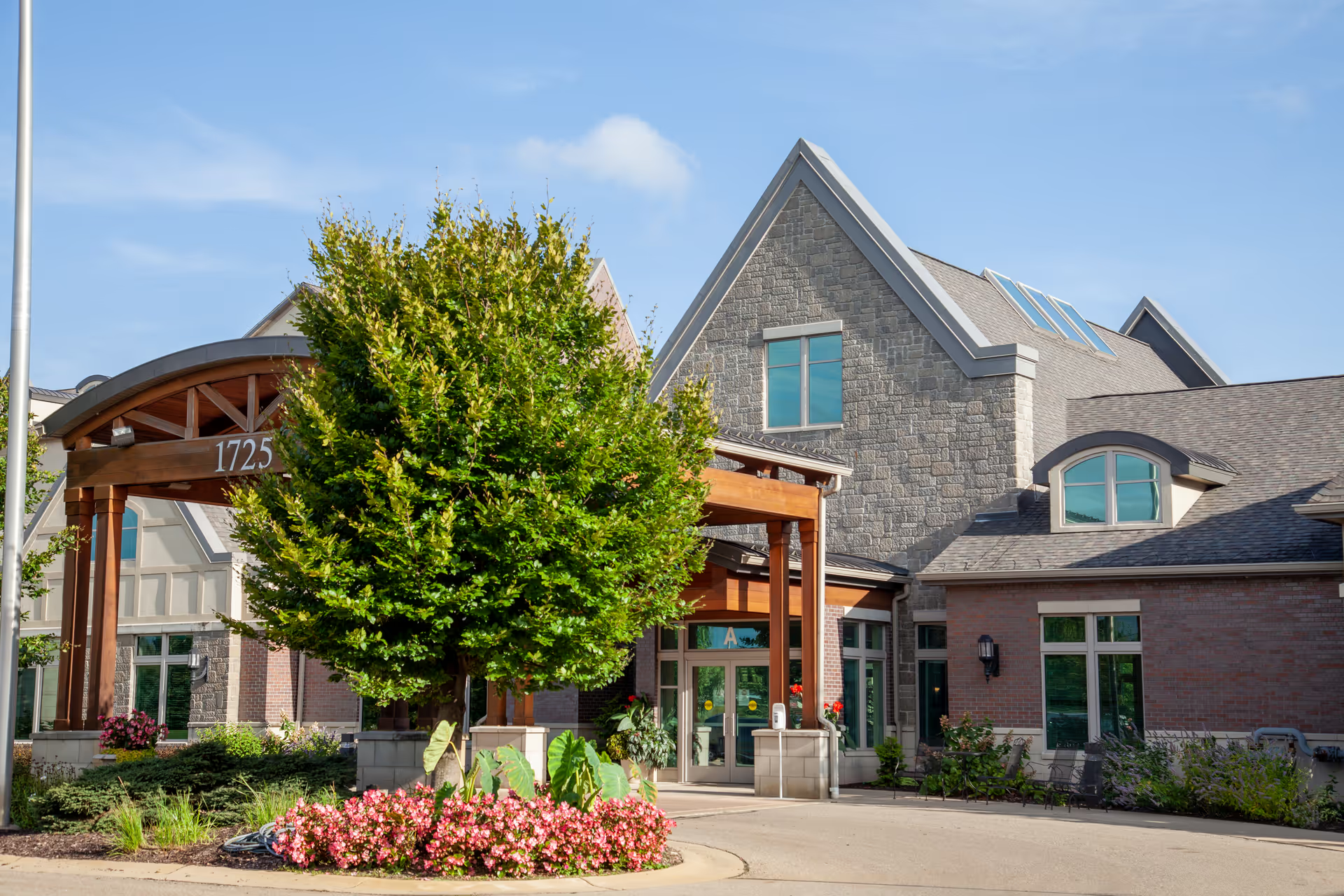
Facilities and operations: Physical spaces are generally described as clean, home-like, and well-landscaped, with many units offering kitchenettes, dishwashers, and in-unit laundry. The community includes memory-care options and single-floor layouts in some areas. Conversely, reviewers also note episodic maintenance issues (HVAC, water damage, carpeting) and operational gaps such as silenced or delayed call systems and occasional sanitation or housekeeping inconsistencies. There are also multiple reports of misplaced personal items or facility equipment; ask about inventory and property-control practices.
Notable patterns and recommended due diligence: The dominant pattern is a contrast between strong, compassionate staff members and facility-level operational weaknesses that can affect safety and satisfaction. When evaluating this community, families should verify current staffing ratios and turnover metrics, review medication-administration and incident-response policies, observe meal service, confirm activity availability for the unit type, examine maintenance response times, and clarify billing and refund procedures. Asking for recent references from current residents’ families and requesting a trial or short-stay period can help assess whether the community’s strengths are reliably delivered in day-to-day care.