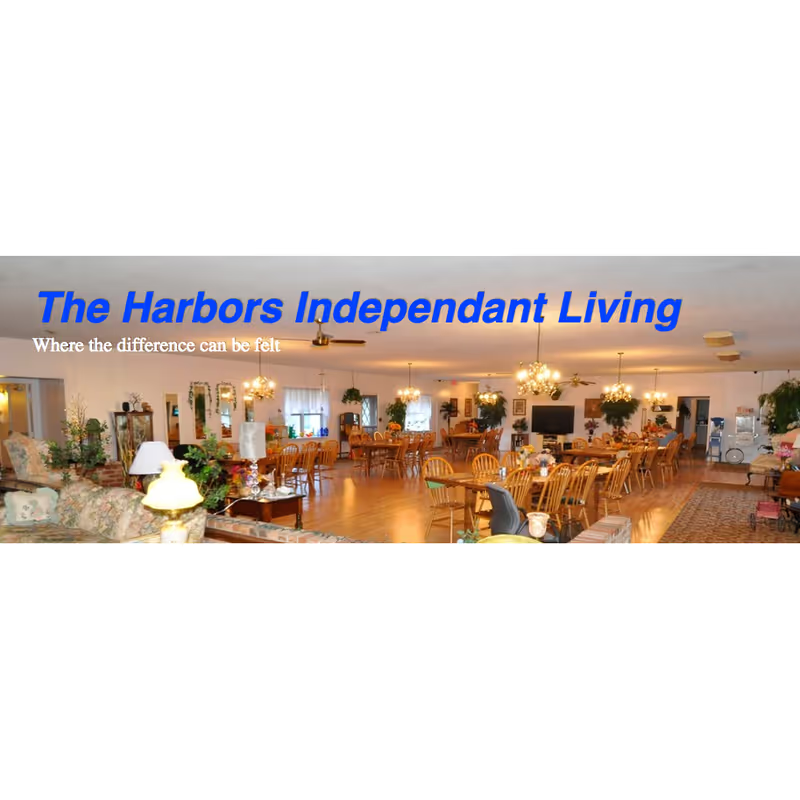
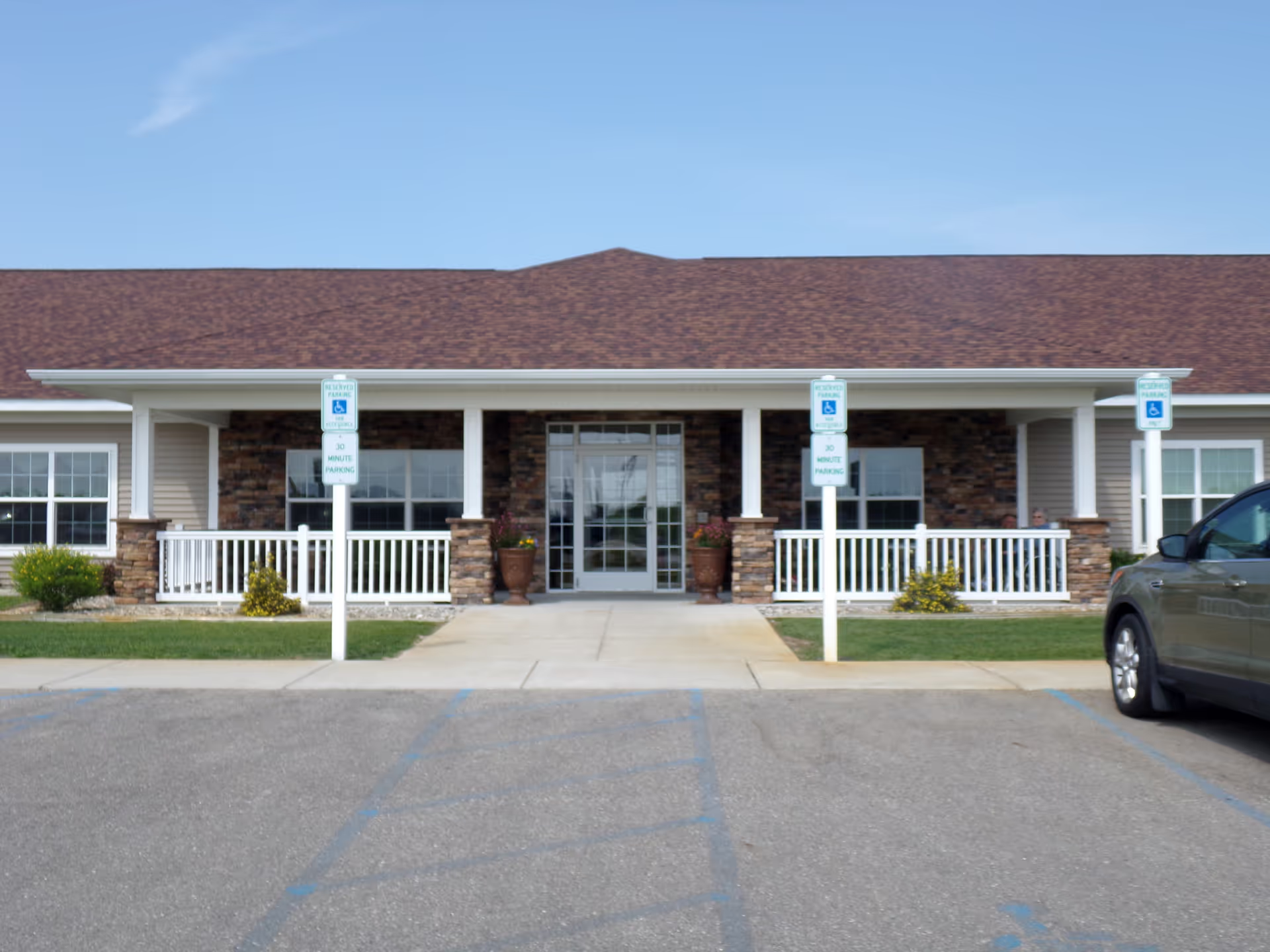
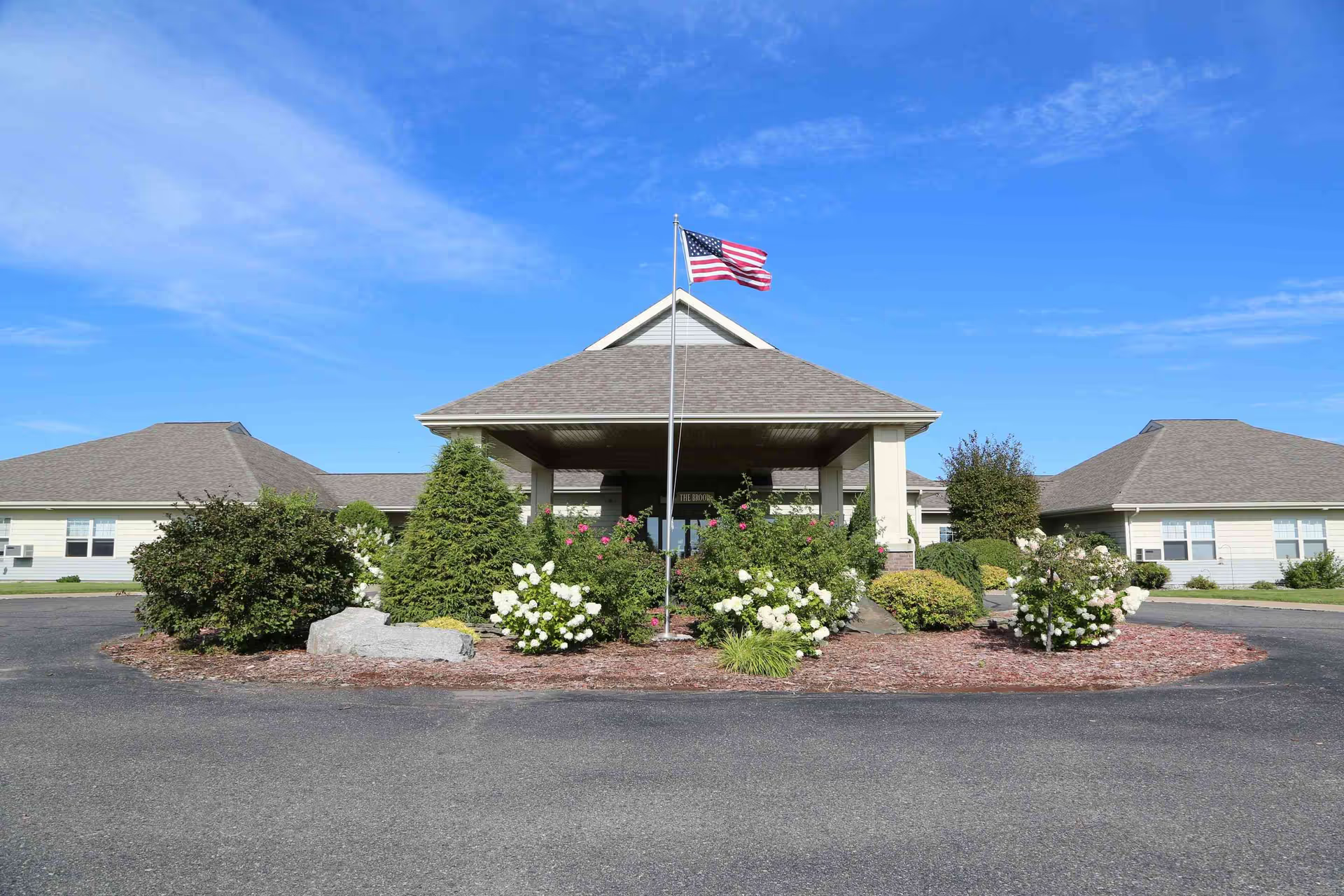
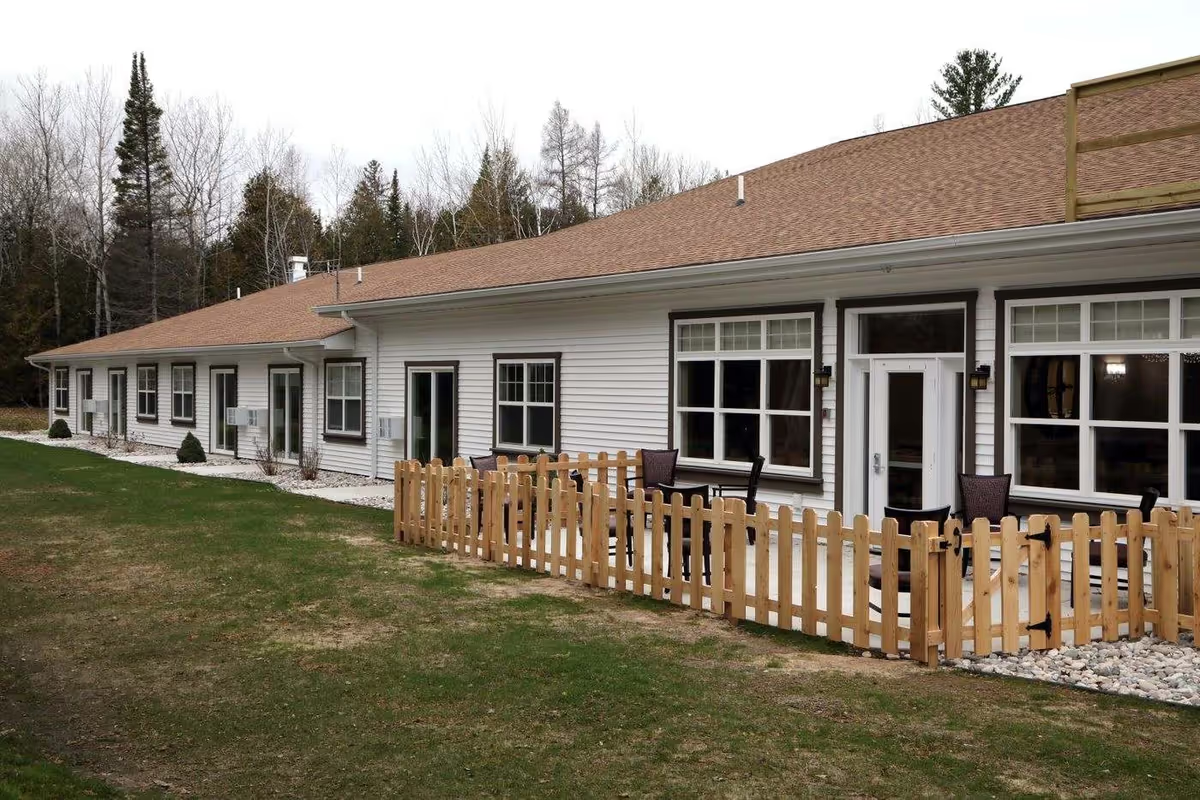
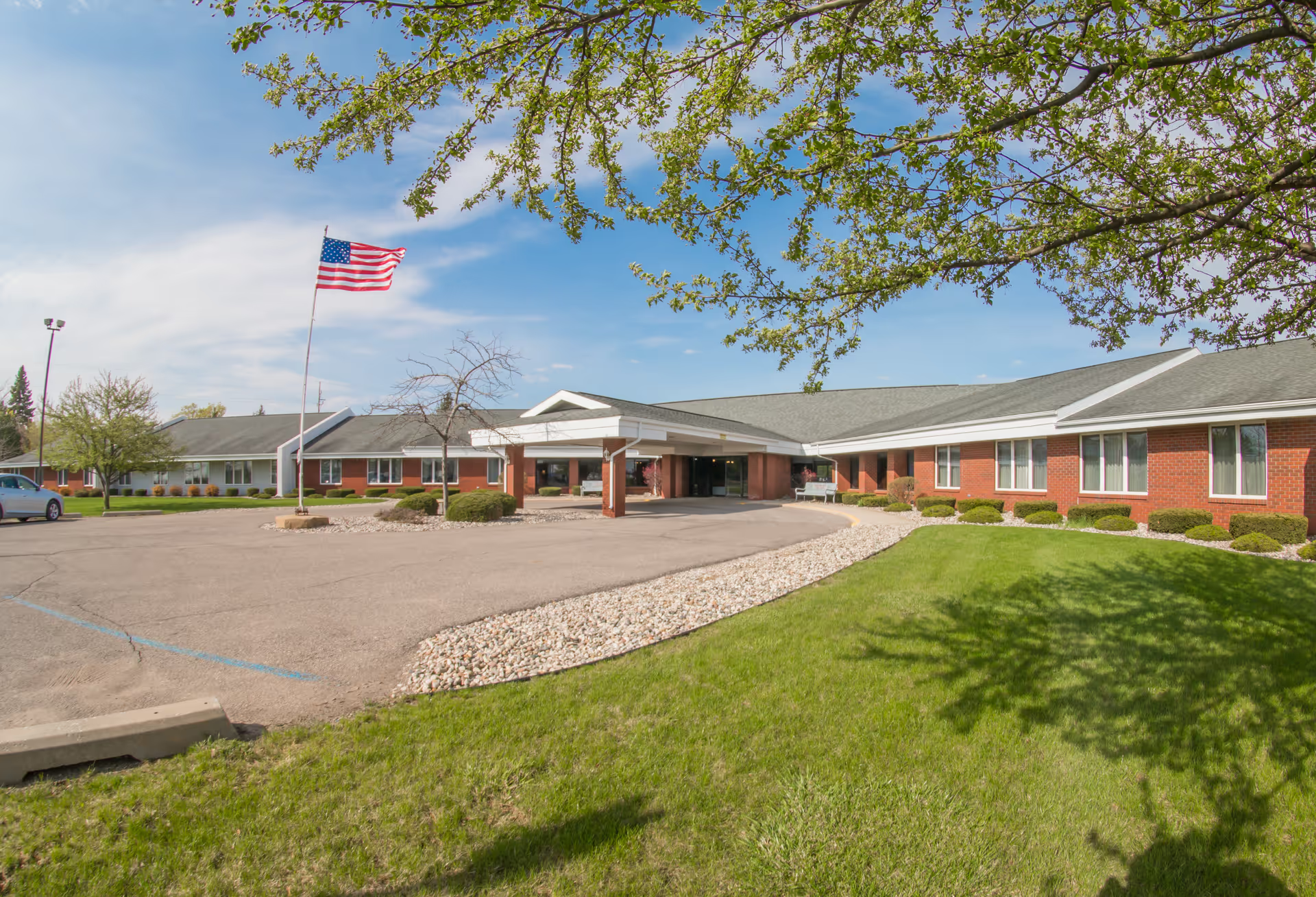
Lincoln Haven Nursing & Rehab elicits mixed impressions from families and residents. Many comments highlight supportive, caring staff members and a home-like social environment: staff are frequently described as friendly, polite, and attentive, therapy services are cited positively, and activity programming (games, outdoor socializing, and virtual calls to families) appears to contribute to residents' engagement and quality of life. Meal variety and overall food quality were praised by some families, and communal spaces are used for social interaction.
At the same time, a consistent set of operational concerns emerges across reviews. Staffing levels and responsiveness are the most recurrent issues: families reported slow responses to call buttons and service delays that they attribute to insufficient staff coverage. Relatedly, personal-care delivery is described as inconsistent, with examples referring to missed or delayed bathing and dressing. Medication administration and pain management timing were also raised as areas needing improvement, suggesting gaps in medication workflows or staffing that affect timely clinical care.
Dining and clinical-monitoring practices show variability. While some families praised the meals, others described problems with meal temperature at service and with dietary oversight—there were specific concerns about high-sugar intake and a lack of routine blood-glucose checks. Laundry and clothing management were another recurrent operational weakness, with reports of items being misplaced or mislabeled that point to weaknesses in property-handling processes. Transportation and off-site appointment coordination were described as uncoordinated at times, causing delays in getting residents to medical appointments.
Facility condition and management impressions are mixed. Several families noted a generally home-like, clean environment and appreciated organized communication from staff; others described variable cleanliness and odor-control in certain rooms or areas and dim or poorly lit resident rooms. Some reviewers referenced incidents suggesting transfer- and mobility-safety issues, indicating potential opportunities to strengthen transfer protocols and staff training. Discharge planning and transitions of care were described as difficult in some cases, implying room to improve coordination with families and external providers.
For prospective residents and families, the pattern suggests a facility with meaningful strengths in interpersonal care, therapy, and activities but with operational vulnerabilities that affect reliability and clinical consistency. If considering Lincoln Haven, families should: (1) discuss staffing ratios and typical response times for call systems, (2) ask about routines for bathing, dressing, and laundry/property tracking, (3) review medication-administration and pain-management protocols, (4) clarify dietary oversight and blood-glucose monitoring for residents with diabetes, and (5) observe room lighting and cleanliness during a visit. These steps can help assess whether the facility’s strengths align with a prospective resident’s clinical and personal needs.