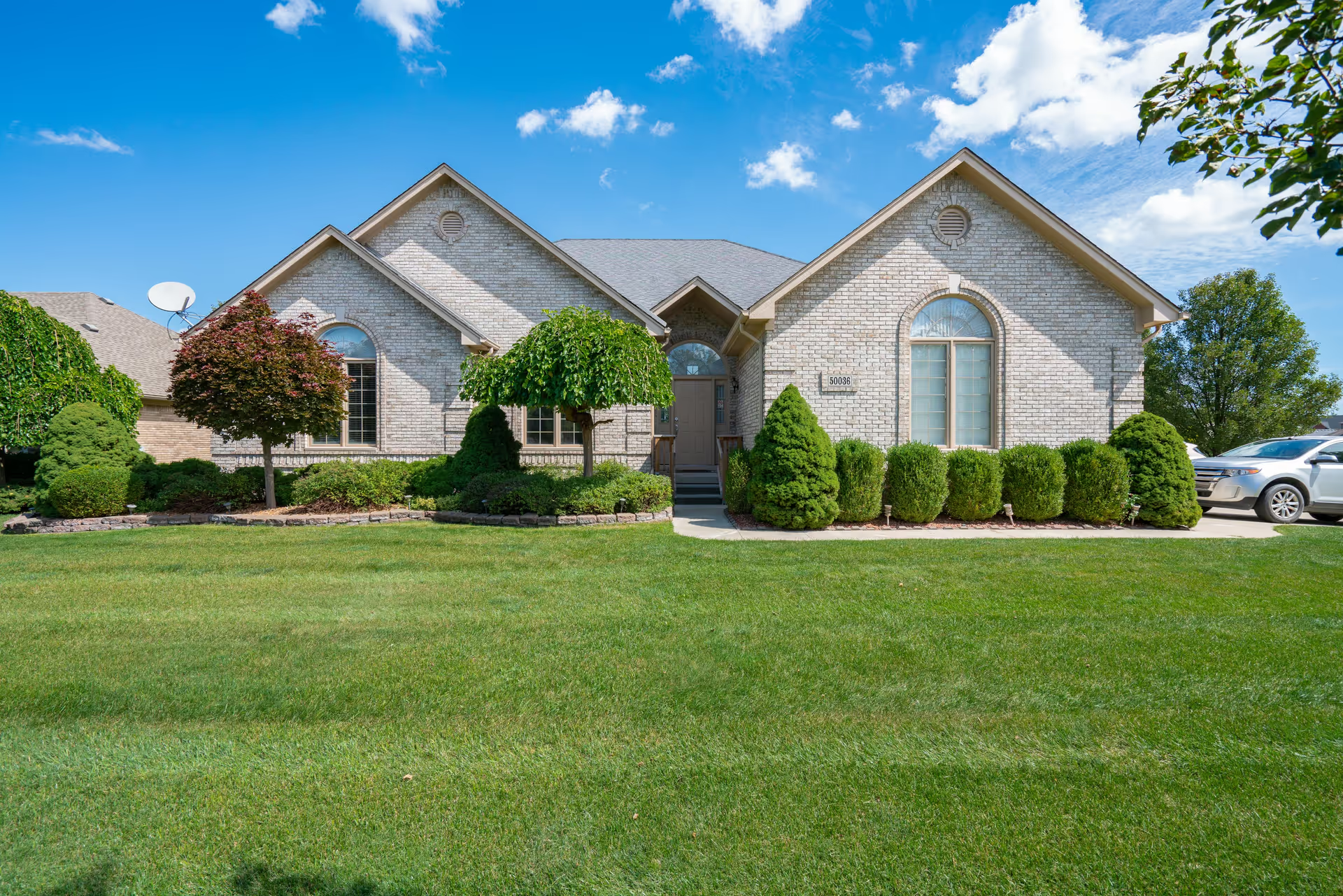
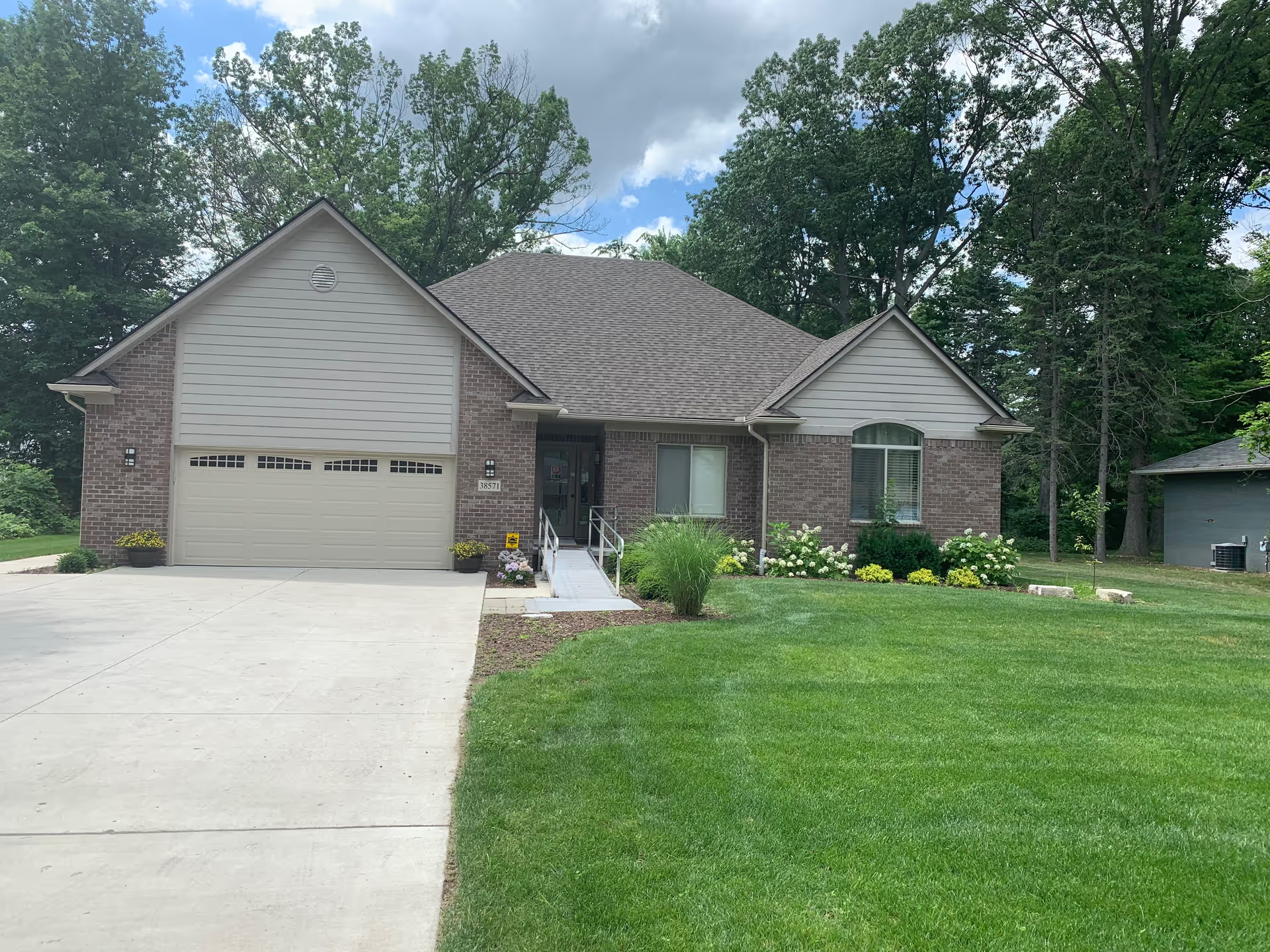
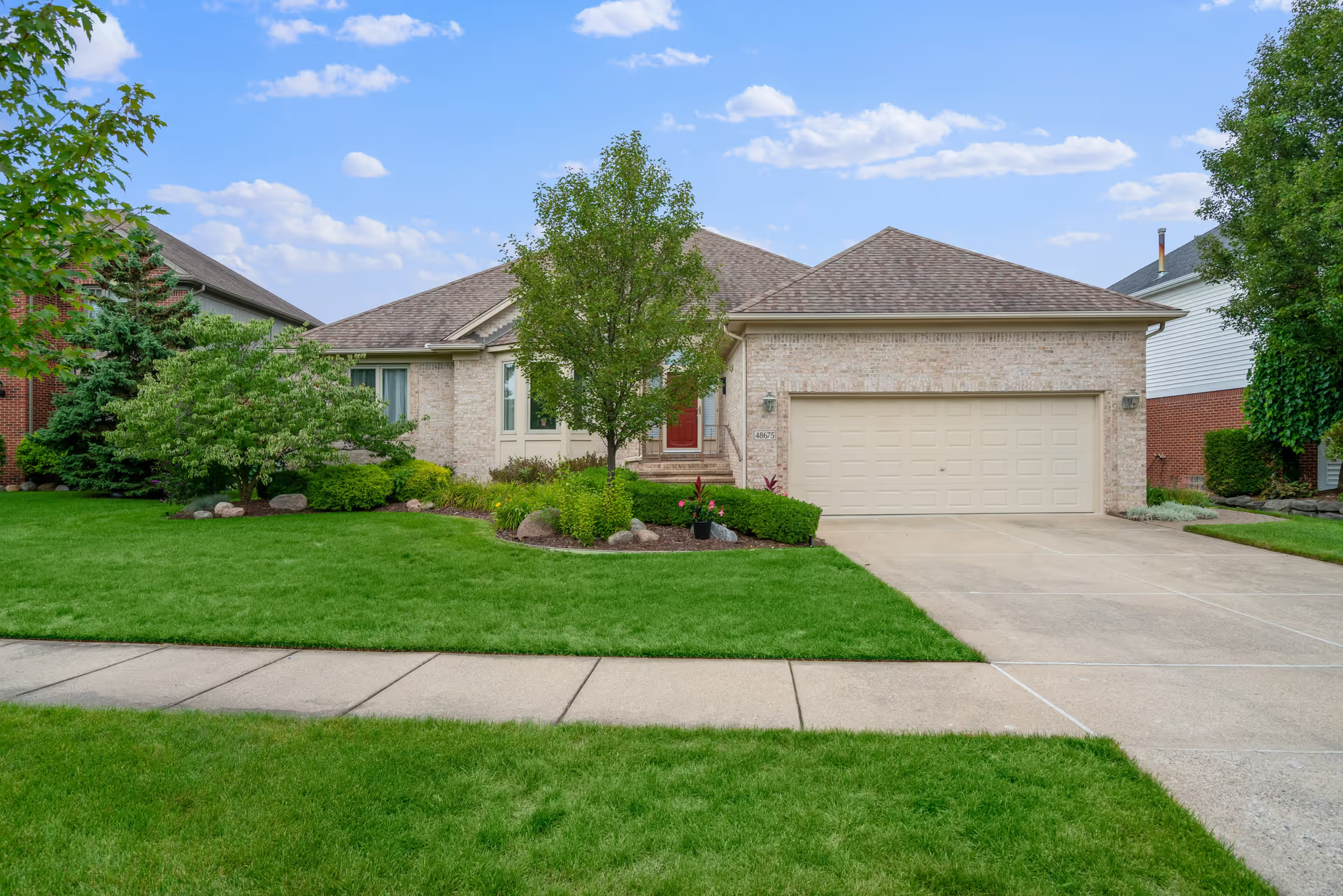
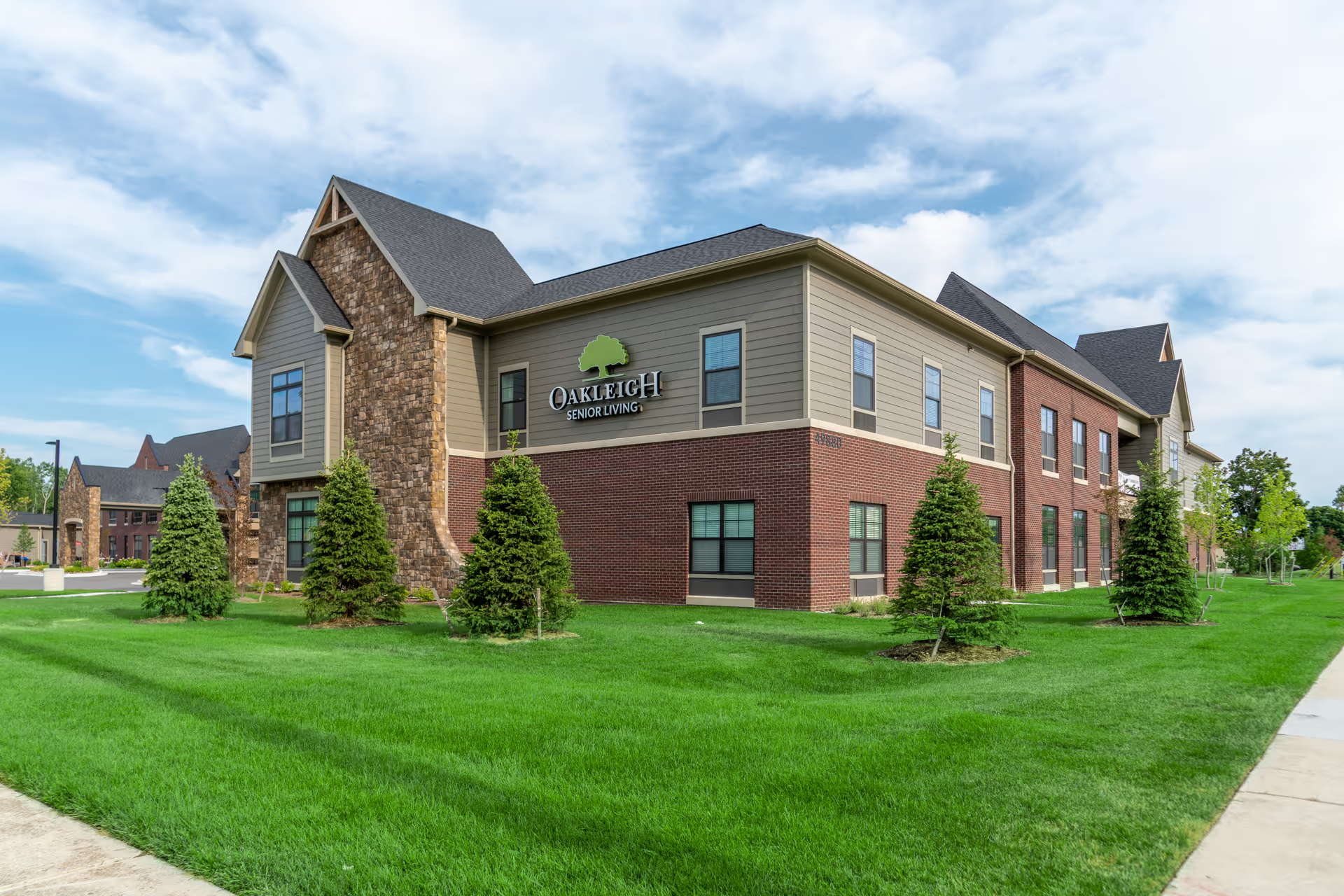
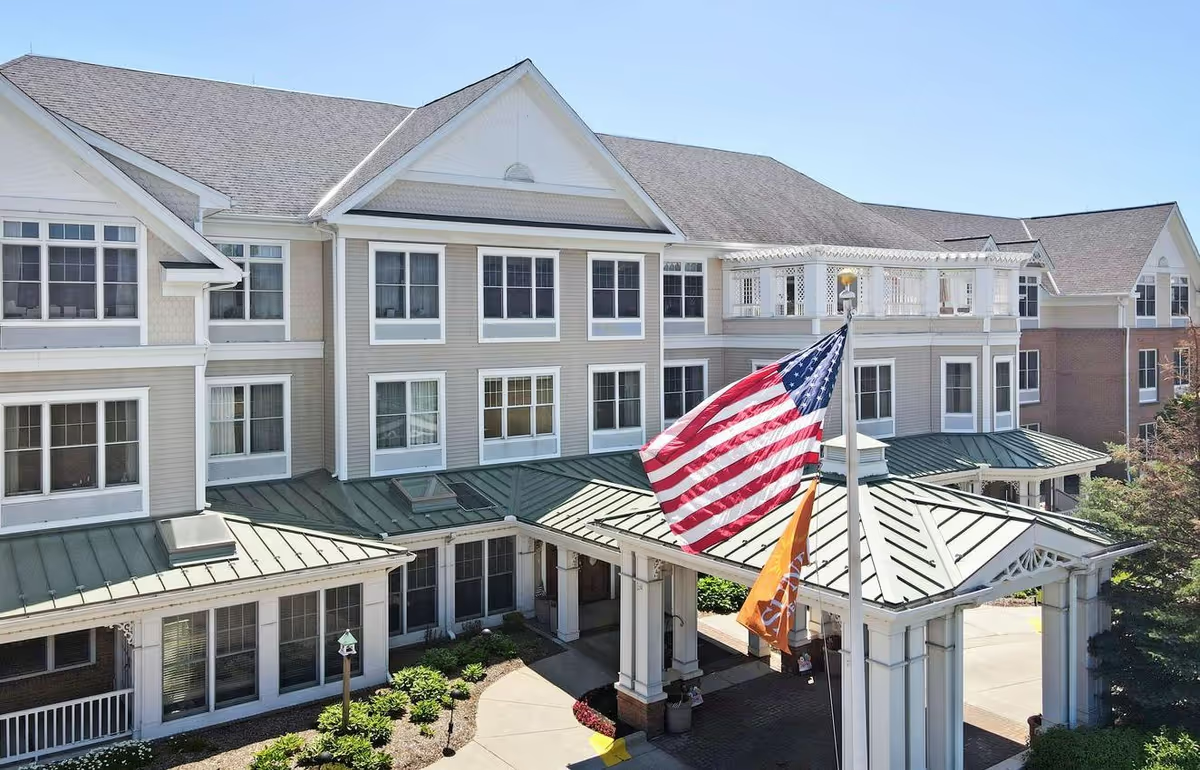
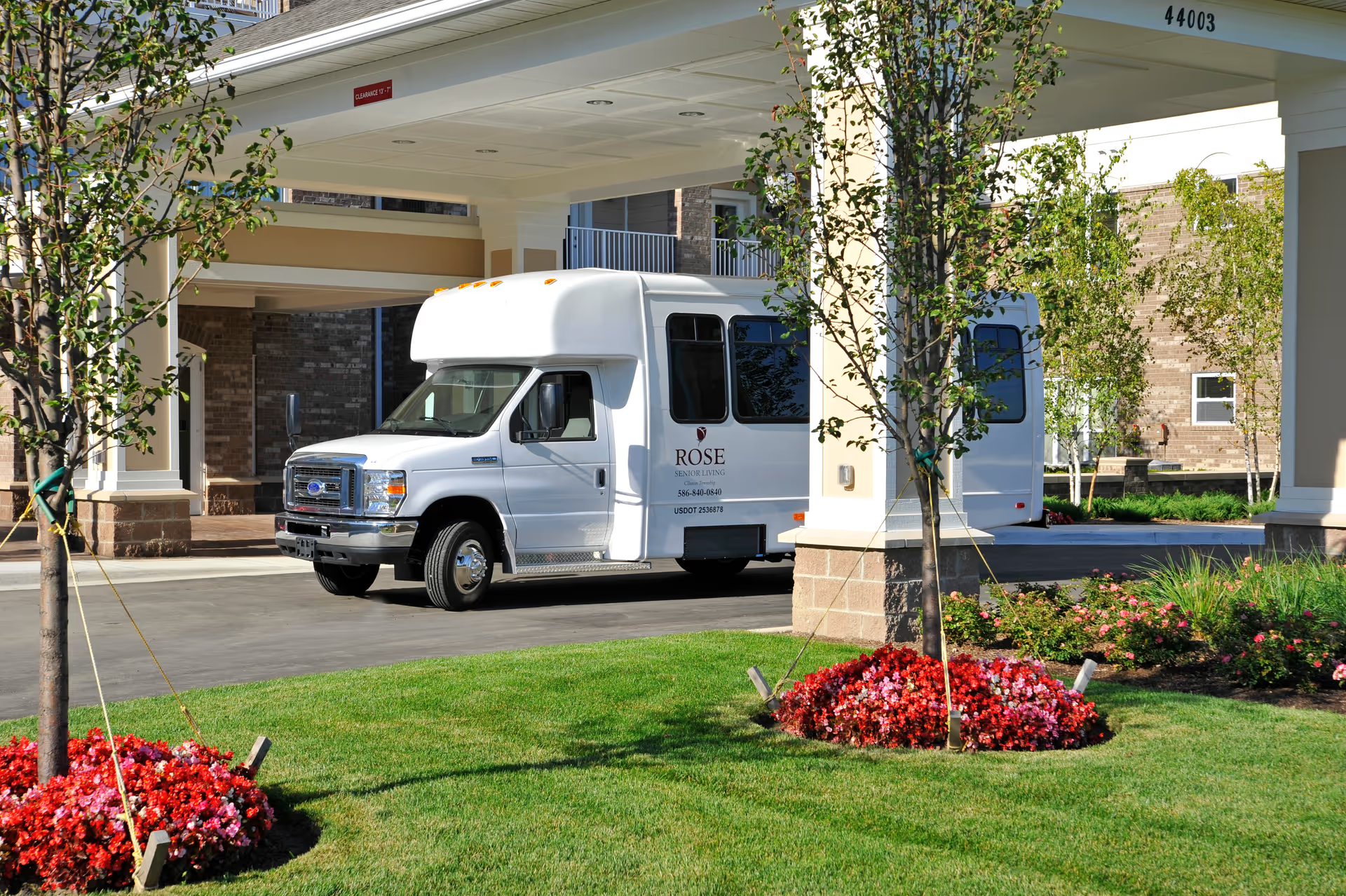
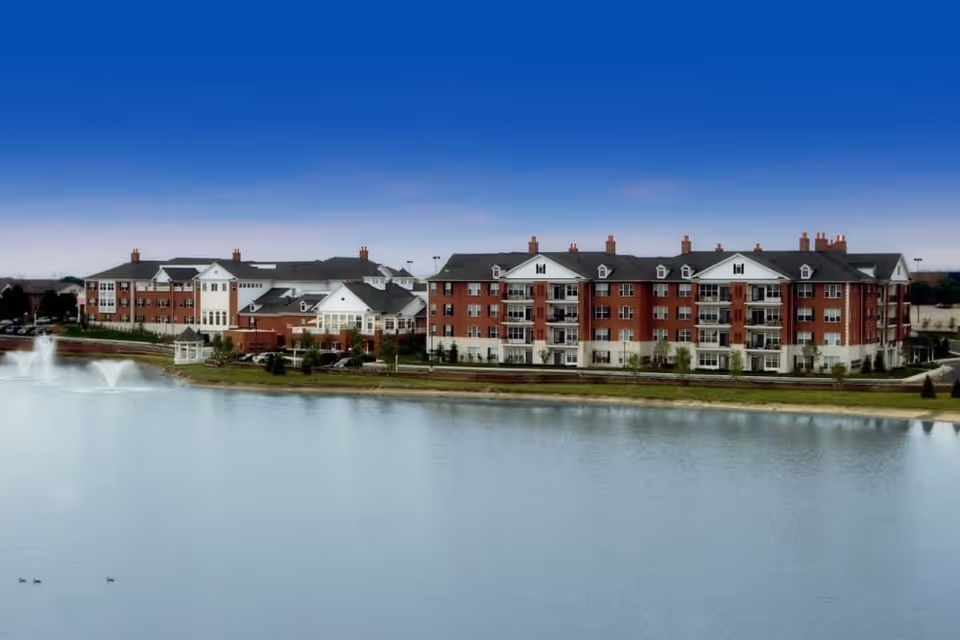
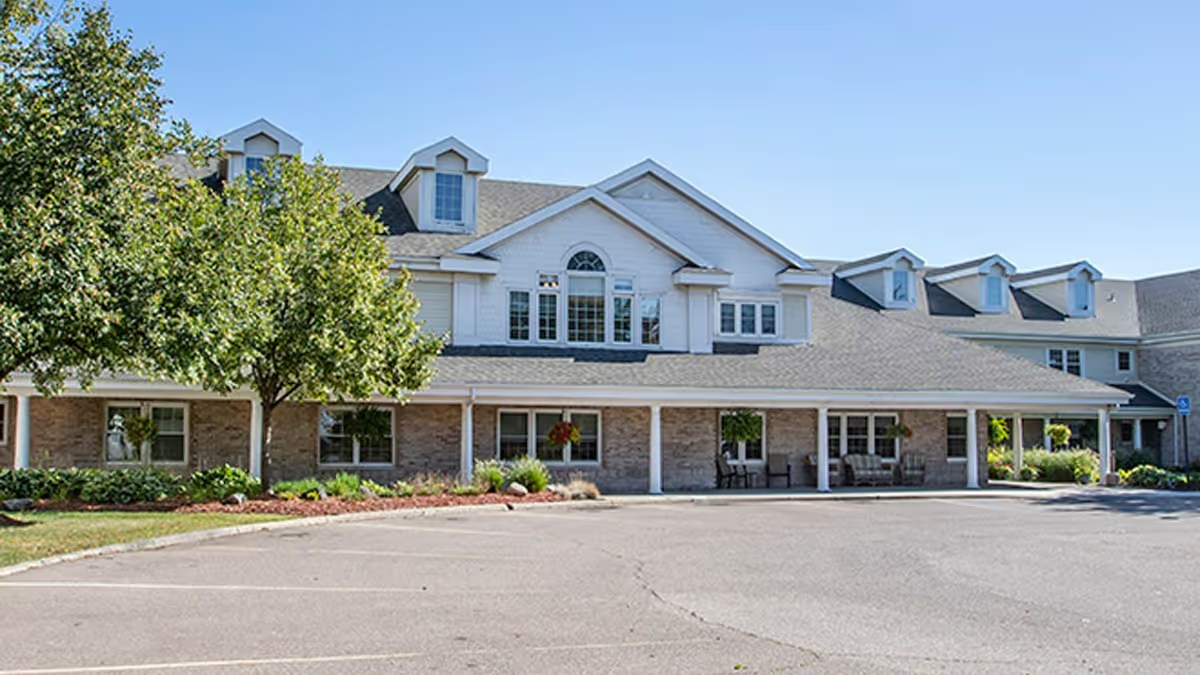
Westwood Inn presents as a modern, amenity-rich senior living community with many families praising its new facility, attractive finishes, and a wide range of social and supportive services. The property is frequently described as clean and well-maintained, with multiple communal spaces (dining venues, library, activity rooms, salon, movie theater, covered outdoor areas) that support an active social environment. Apartments are noted for higher-end appointments in many units and included services such as housekeeping, laundry, meals, and on-site therapy.
Care and staff performance elicit mixed but distinct patterns. A large number of reviews emphasize compassionate, attentive caregivers and proactive, responsive leadership; families cite specific staff who made transitions easier and who provide personalized attention. At the same time, other reviewers describe operational weaknesses that affect clinical reliability: inconsistent staffing levels, turnover, and occasional personnel inexperience that have been linked to lapses in routine care. Several reviews raise concerns about delays in attending to resident needs and inconsistencies in toileting and continence support that warrant direct questions during a tour.
Dining and activities are strong selling points for many families. The community offers a robust life-enrichment program with daily activities, regular entertainment, holiday events, book clubs, happy-hour gatherings, and therapy-based programming including memory-care engagement. Food quality is described variably—many families praise hot, varied menus and social dining options, while others report uneven meal quality or continuity; this suggests meal experience can vary by shift or day.
Facility operations and management generally receive positive notes for cleanliness and responsiveness, but recurring themes indicate areas for improvement. Reviews point to front-office communication gaps (difficulty reaching staff or missed callbacks) and uneven maintenance follow-through (for example, equipment or mattress issues). More serious safety and security concerns appear in a smaller number of accounts, including door-security and resident-monitoring failures; these reports are sufficiently consequential that prospective families should ask about security systems, wandering-prevention protocols, and incident-reporting practices. A few reviewers raised concerns following a resident’s death and about transparency after incidents; those accounts underline the importance of clear post-incident communication policies.
In short, Westwood Inn offers a high-quality physical environment and a broad activity and service portfolio with many families experiencing meaningful improvements in quality of life. However, the community shows operational variability in staffing consistency, clinical response, dining consistency, and some safety and communication processes. Prospective residents and families would be well advised to tour the community, ask targeted questions about staffing ratios, training and turnover, incident-response protocols, security measures, incontinence and toileting procedures, and how dining quality is monitored and managed across shifts.