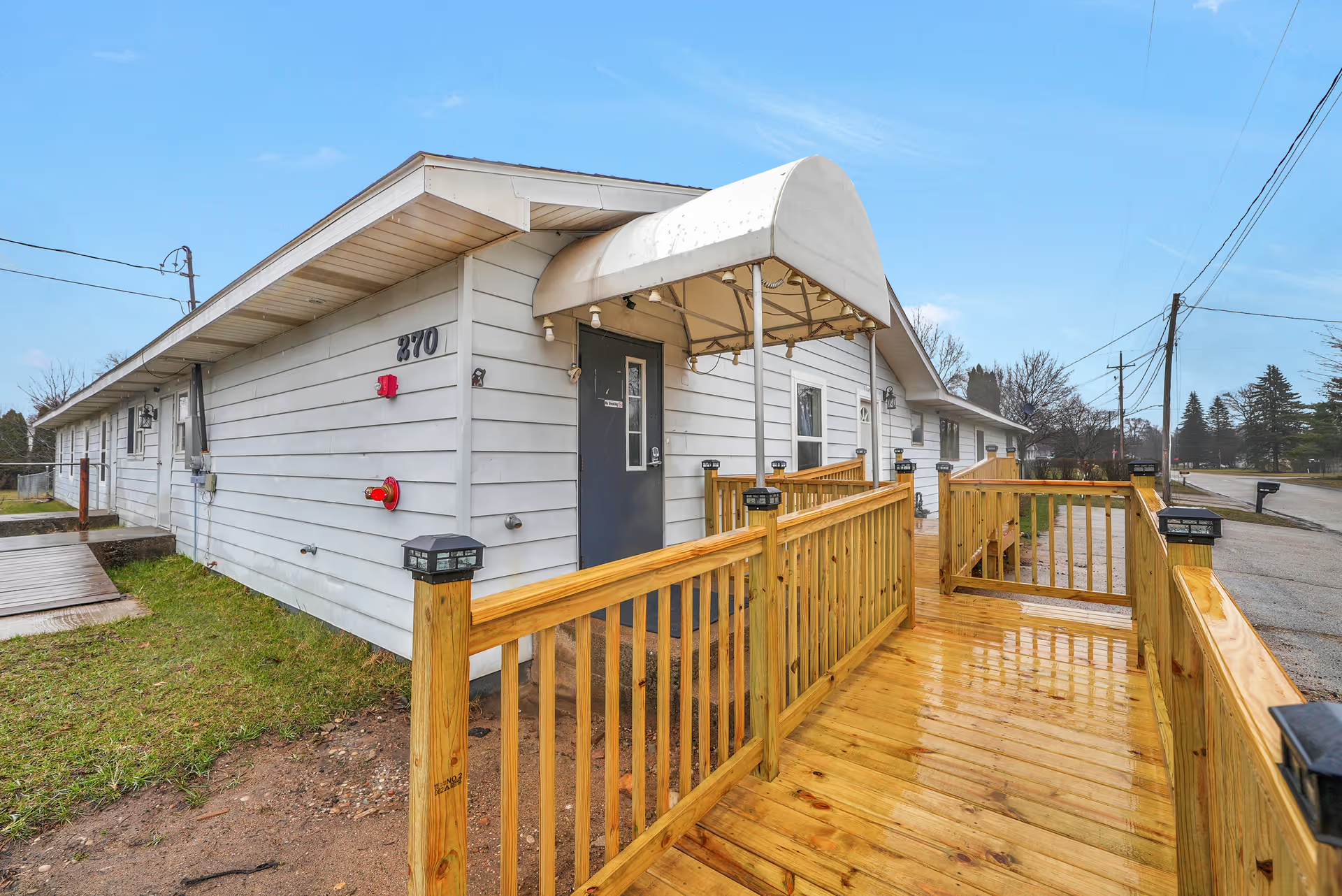
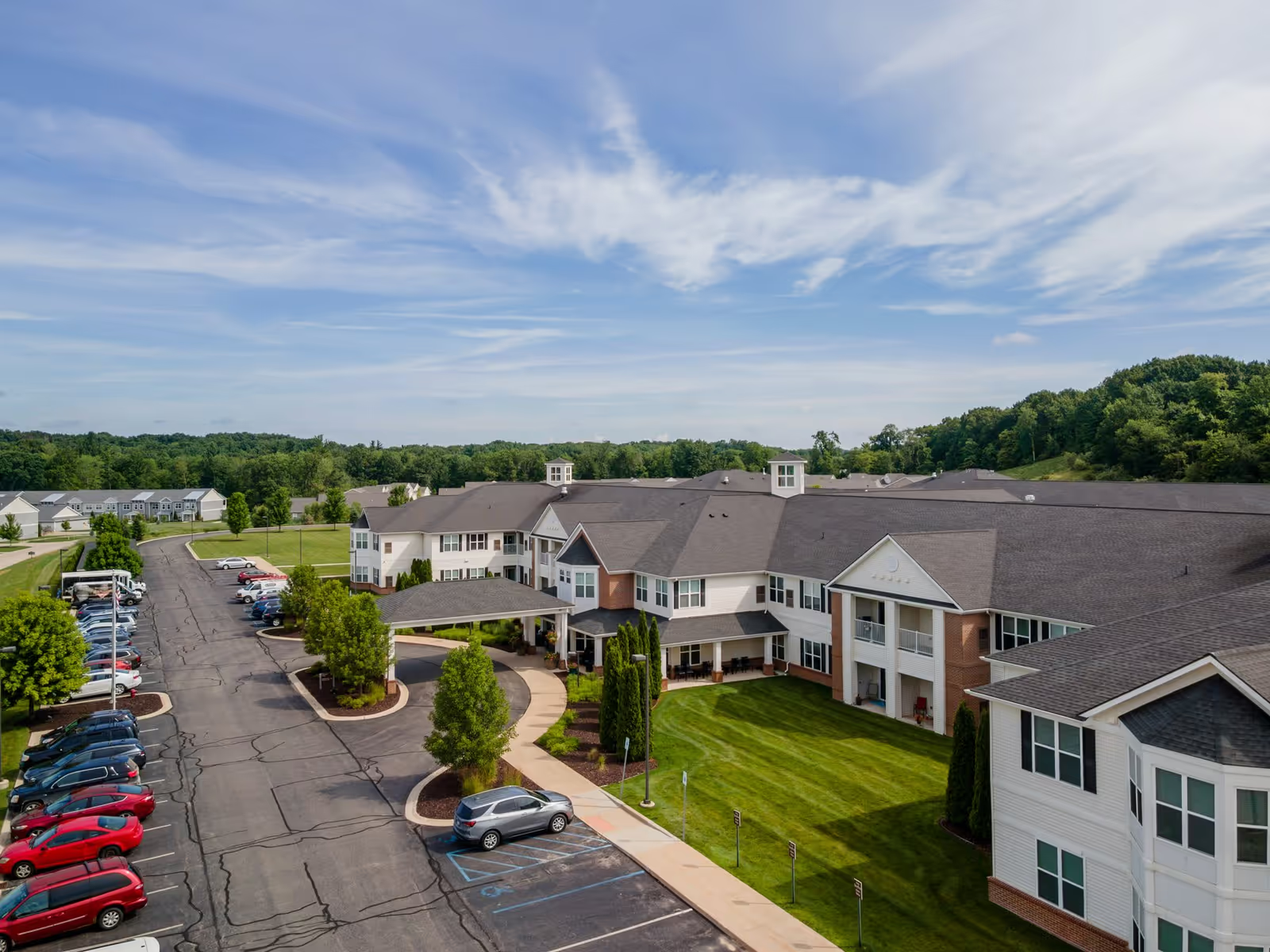
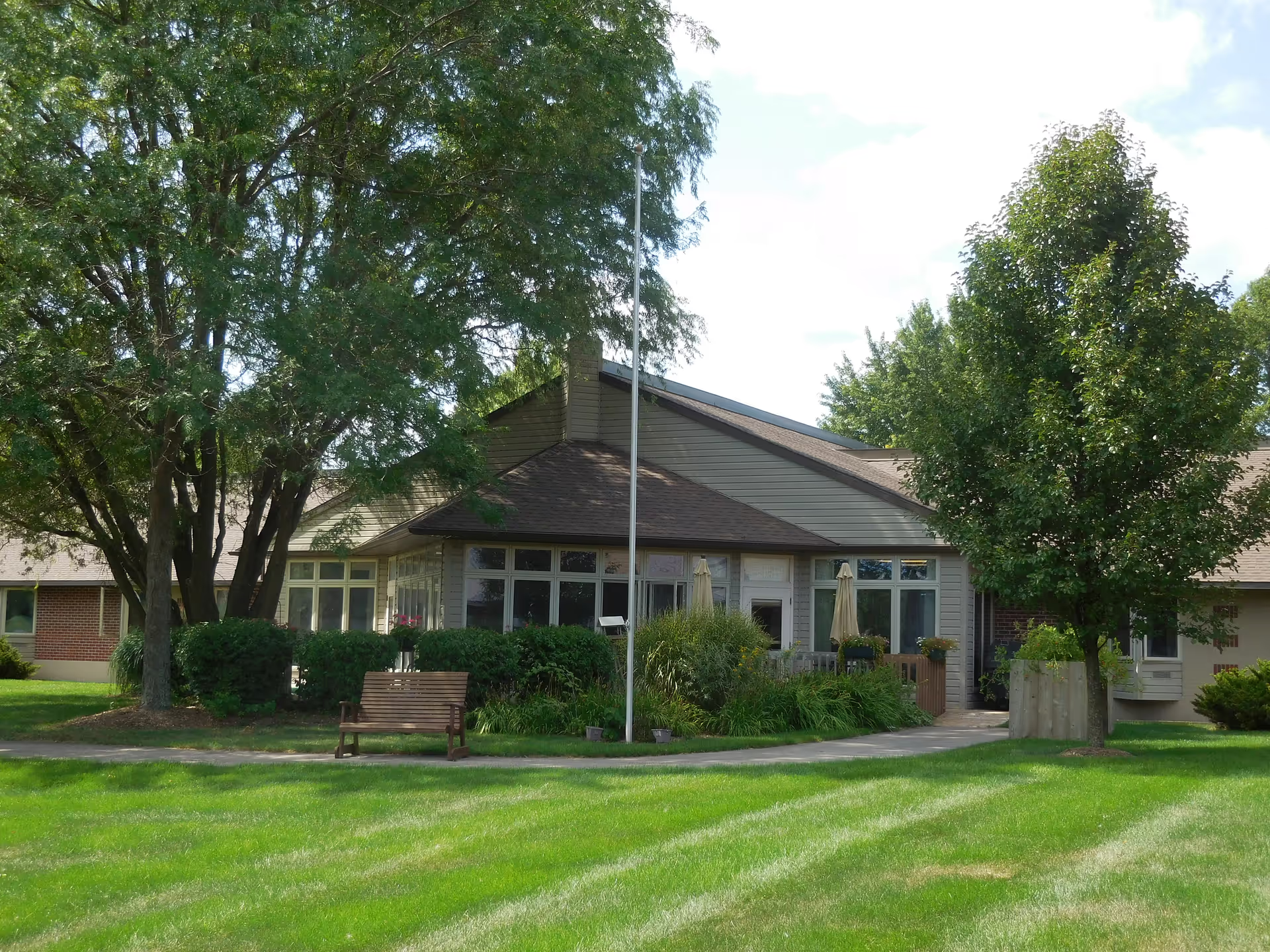
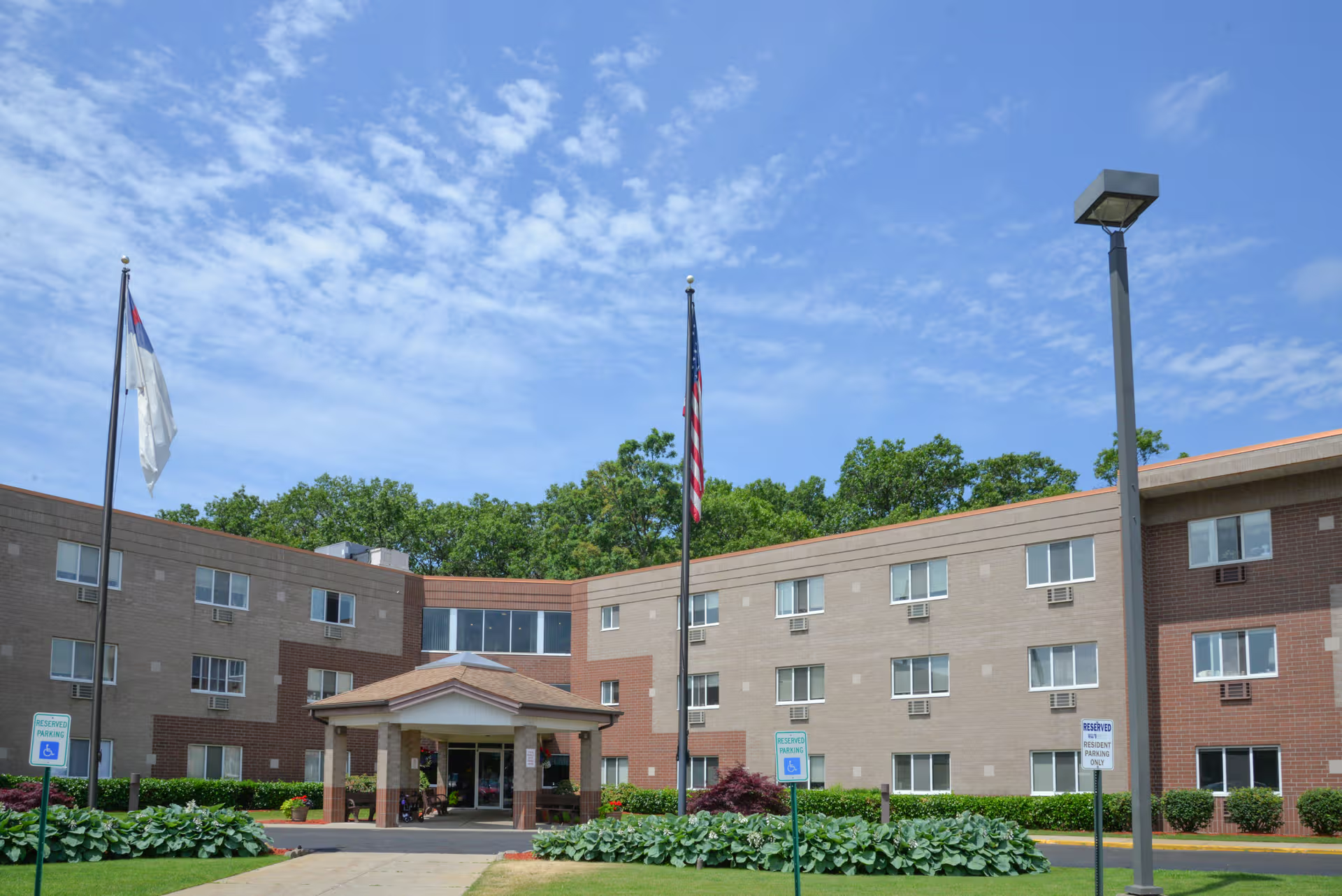
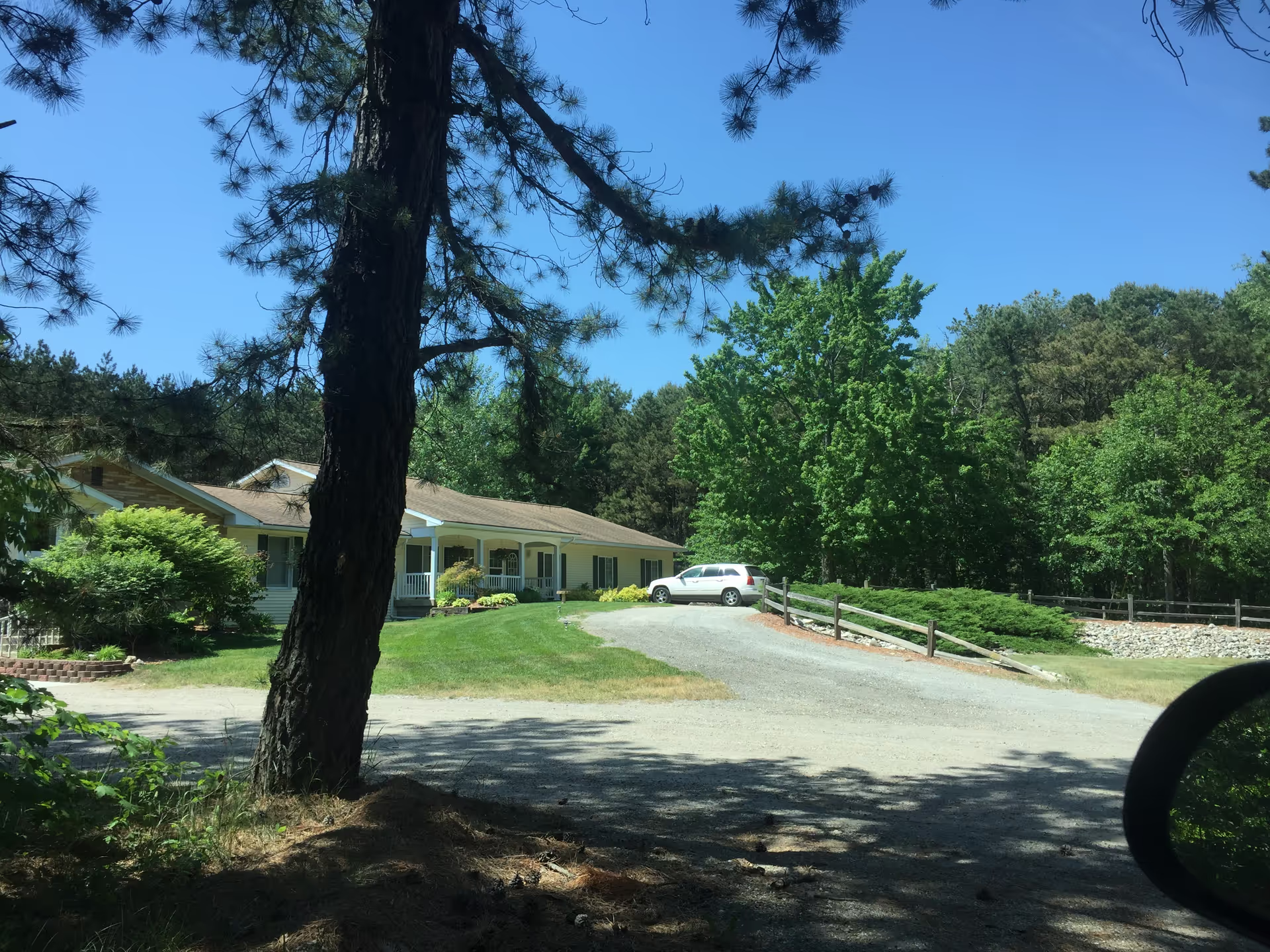
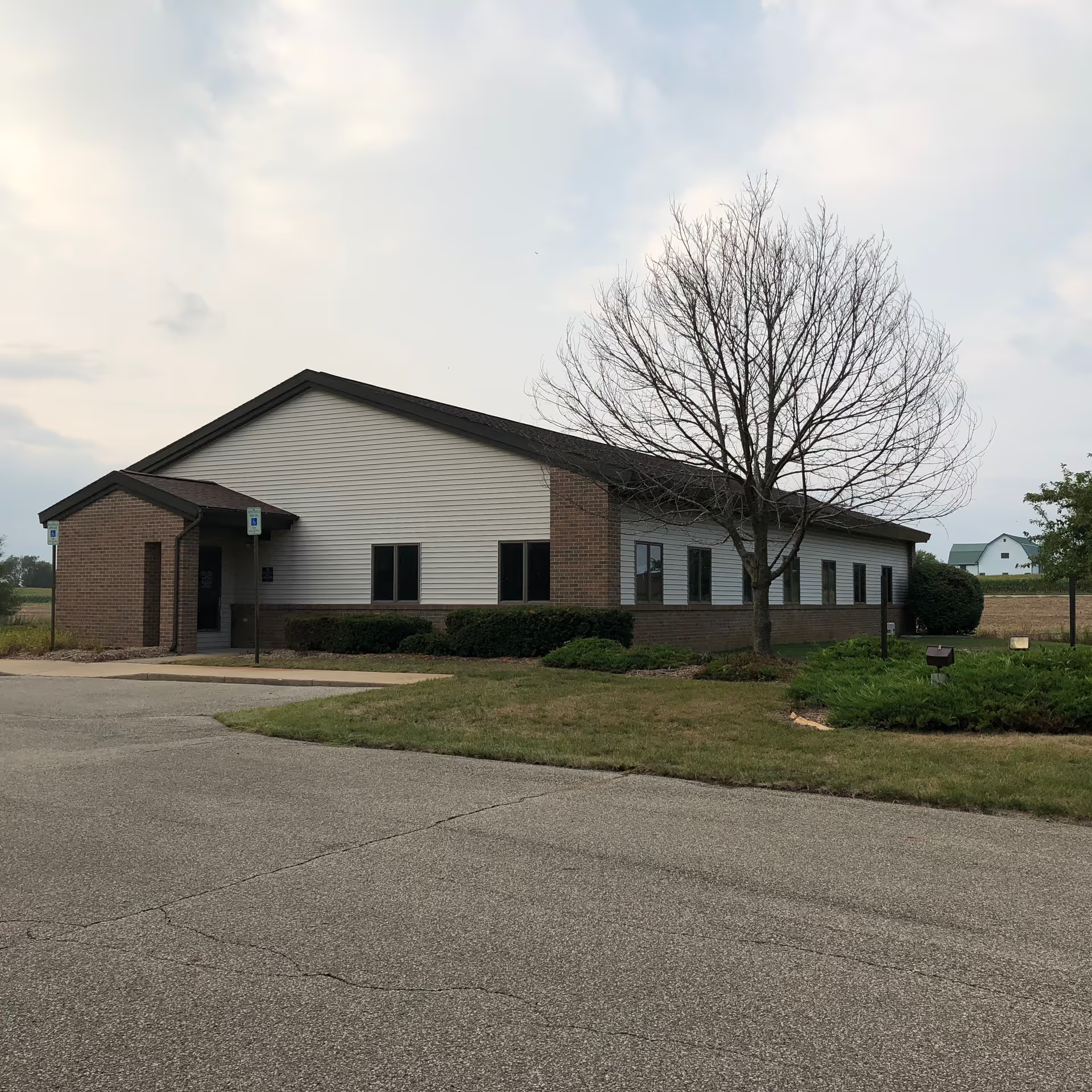
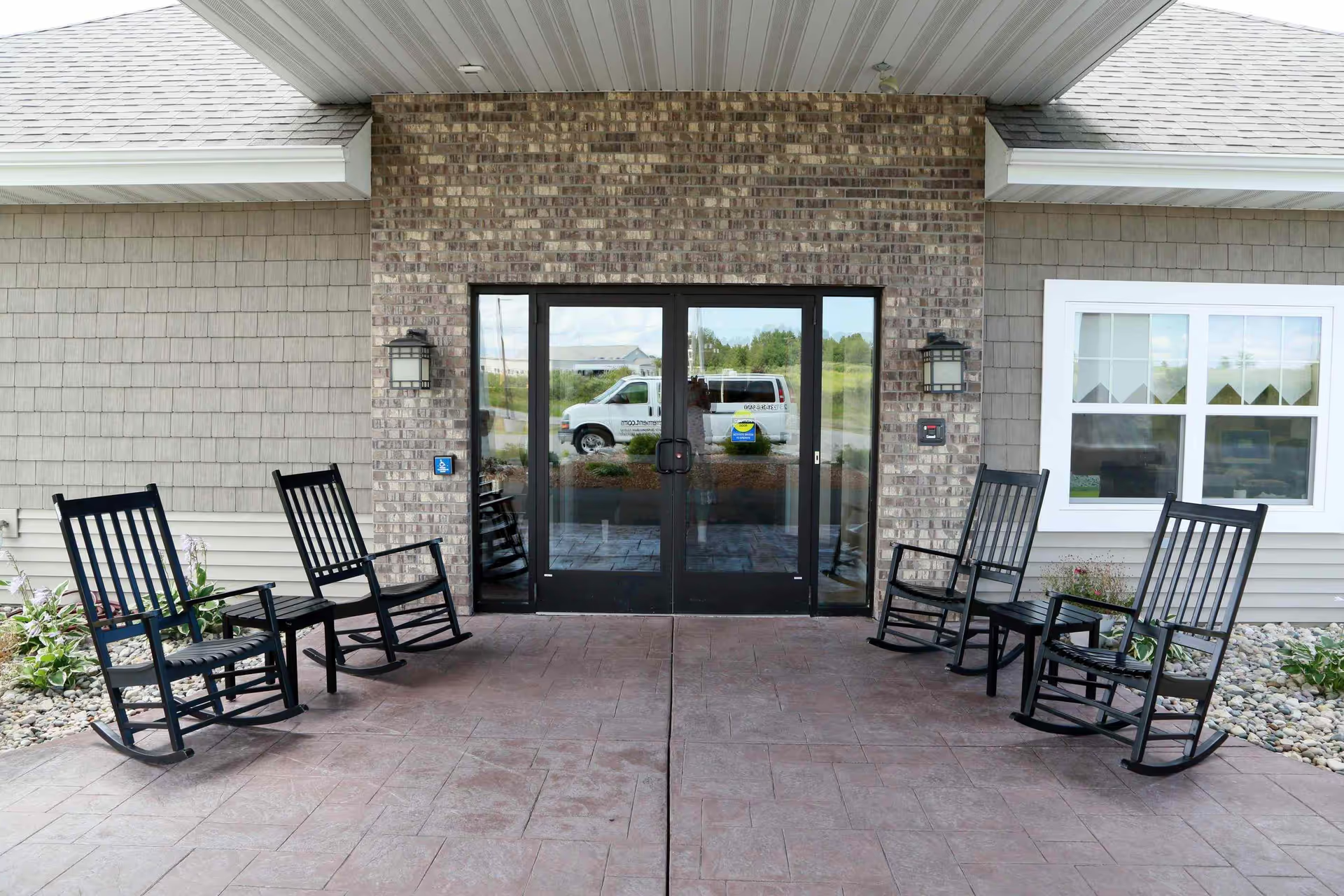
The Brook of Newaygo elicits strongly divided impressions: many comments emphasize an attractive, well-kept facility with active programming and caring staff, while other accounts raise operational and clinical concerns. Physically, the property is consistently described as clean, beautiful, and well maintained, with amenities such as a theater, exercise classes, and social events that many residents and families find valuable. Apartment layouts, including studios, are noted to be appealing, and the location and communal spaces support family visits and group activities.
Staff-related feedback is mixed. Numerous families praise individual caregivers, nurses, and managers for being kind, patient, and helpful, and several commenters cited positive experiences with medical coordination and attentive staff. Conversely, other accounts describe inconsistent staffing levels, frequent turnover, and gaps in training—particularly around medication administration and memory-care needs. These operational weaknesses are linked to concerns about clinical reliability and variability in daily care routines.
Dining and food service present a clear pattern of variability. Some residents report sufficient, appealing meals and adequate portions, while others describe cold or small meals and sanitation lapses in food preparation areas. These contrasting impressions point to inconsistent meal-service practices and occasional food-safety protocol gaps. Relatedly, some practices—such as serving meals in rooms—were described as contributing to resident isolation rather than social engagement.
Management and corporate oversight also generate mixed impressions. On one hand, local property managers and some nursing staff receive favorable mentions for responsiveness and compassion. On the other hand, families expressed concerns about billing transparency, extra charges for services in independent living, unresolved complaints, and perceived shortcomings in corporate communication. A small number of accounts go further, describing alleged deception or threats of eviction; such claims suggest the need for prospective residents to clarify contract terms, fee structures, and complaint-resolution processes before moving in.
In summary, The Brook of Newaygo offers many of the physical and social amenities desirable in a retirement community and has staff members who deliver attentive, compassionate care. However, the facility appears to experience operational inconsistencies in clinical oversight, staffing stability, meal-service practices, and management communication. Prospective residents and families would be well advised to ask direct questions about medication-administration protocols, staffing ratios and turnover, memory-care staff training, meal-service practices, hygiene and food-safety monitoring, licensing or scope-of-service distinctions, and billing/contract terms to gauge how the facility’s strengths will align with their individual care needs.