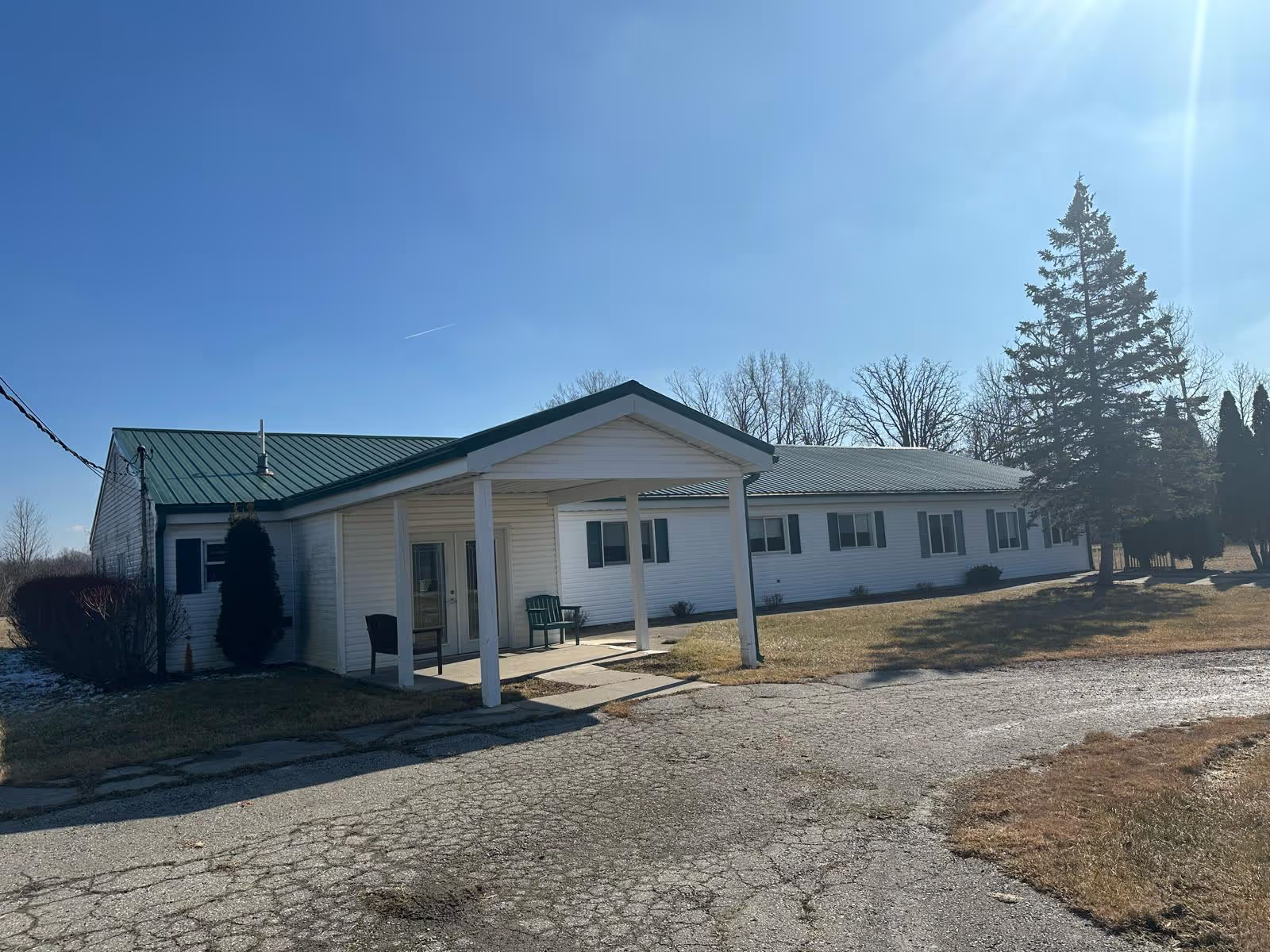
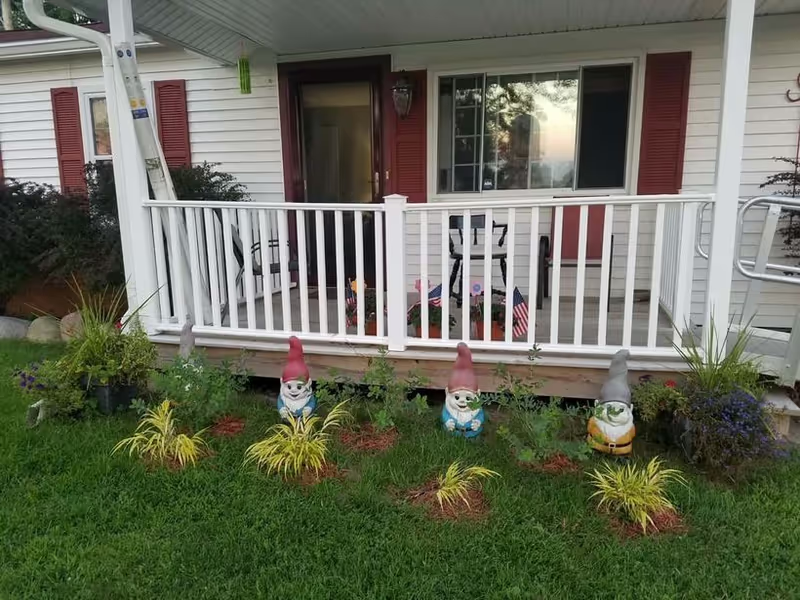
The reviews portray Marwood Nursing and Rehab as a facility with tangible strengths in physical environment, dining, and certain aspects of clinical and social services, alongside recurring operational concerns that families should evaluate before placement.
Care and staff: Many families praised individual caregivers, nurses, therapists, and social-work staff for being attentive, patient, and personable; examples include staff who remember visitors’ names, provide 24-hour coverage, and engage respectfully with residents. At the same time, a consistent pattern of understaffing was raised, with consequences described as delayed responses to patient needs, longer waits for assistance, and variability in the quality of bedside care. There are also repeated notes about inconsistent staff demeanor and professionalism — while some team members are described as compassionate, others are described as brusque or unempathetic. Reviewers expressed concerns about clinical follow-through and care coordination, and there were specific, serious claims that have resulted in regulatory or legal complaints in isolated cases.
Dining and activities: Dining is frequently cited as a relative strength — meals are described as plentiful, varied, and accommodating to dietary requests, with options for ordering meals and family dining. However, mealtime service can feel crowded at peak periods, and some reviewers linked food-service staffing constraints to slower meal delivery. The activity program is a positive point for many families: scheduled events such as bingo, art therapy, music therapy, and volunteer-led social events are available. A subset of families, however, found activity availability uneven and expressed a desire for more individualized or frequent programming for residents who are less mobile.
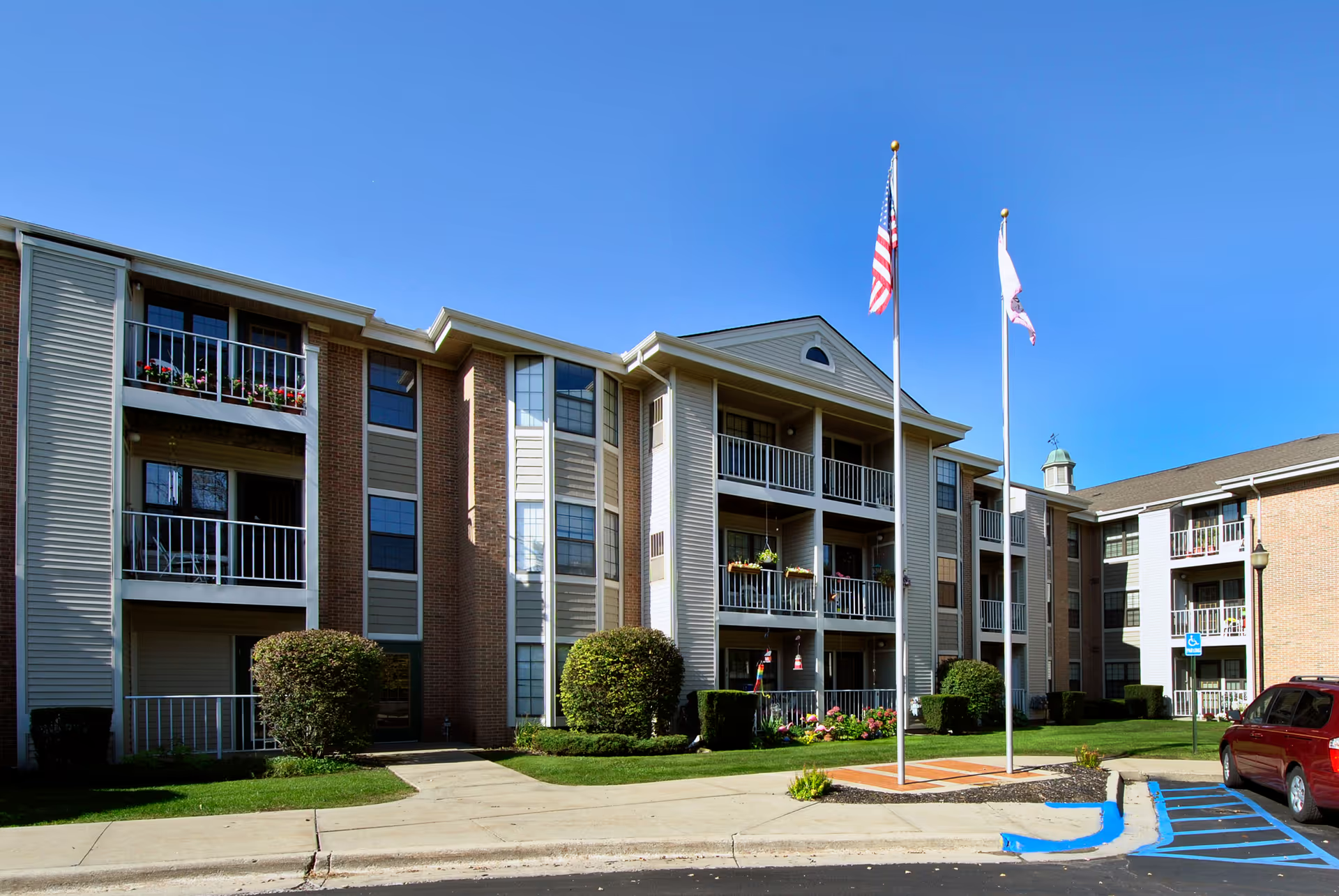
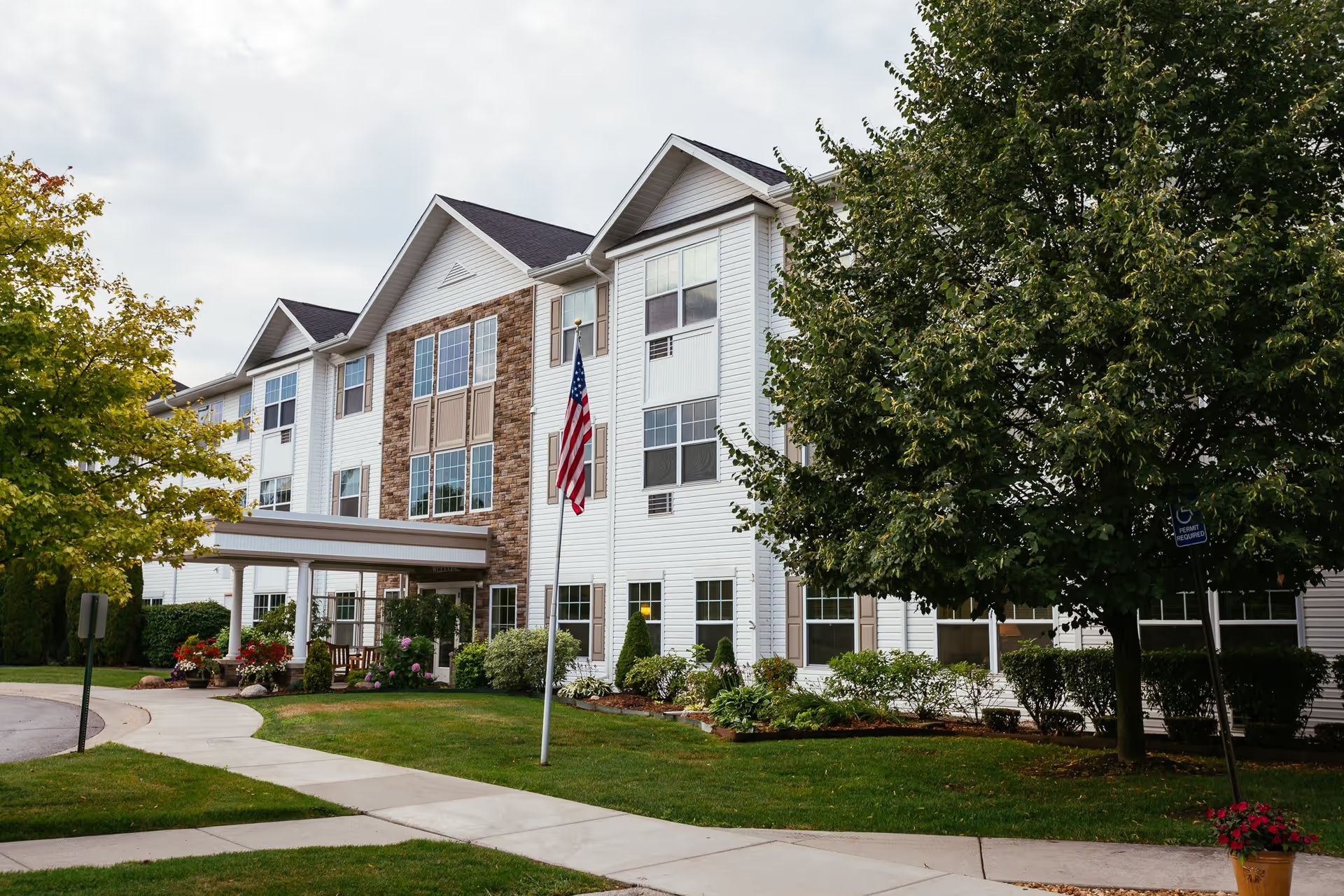
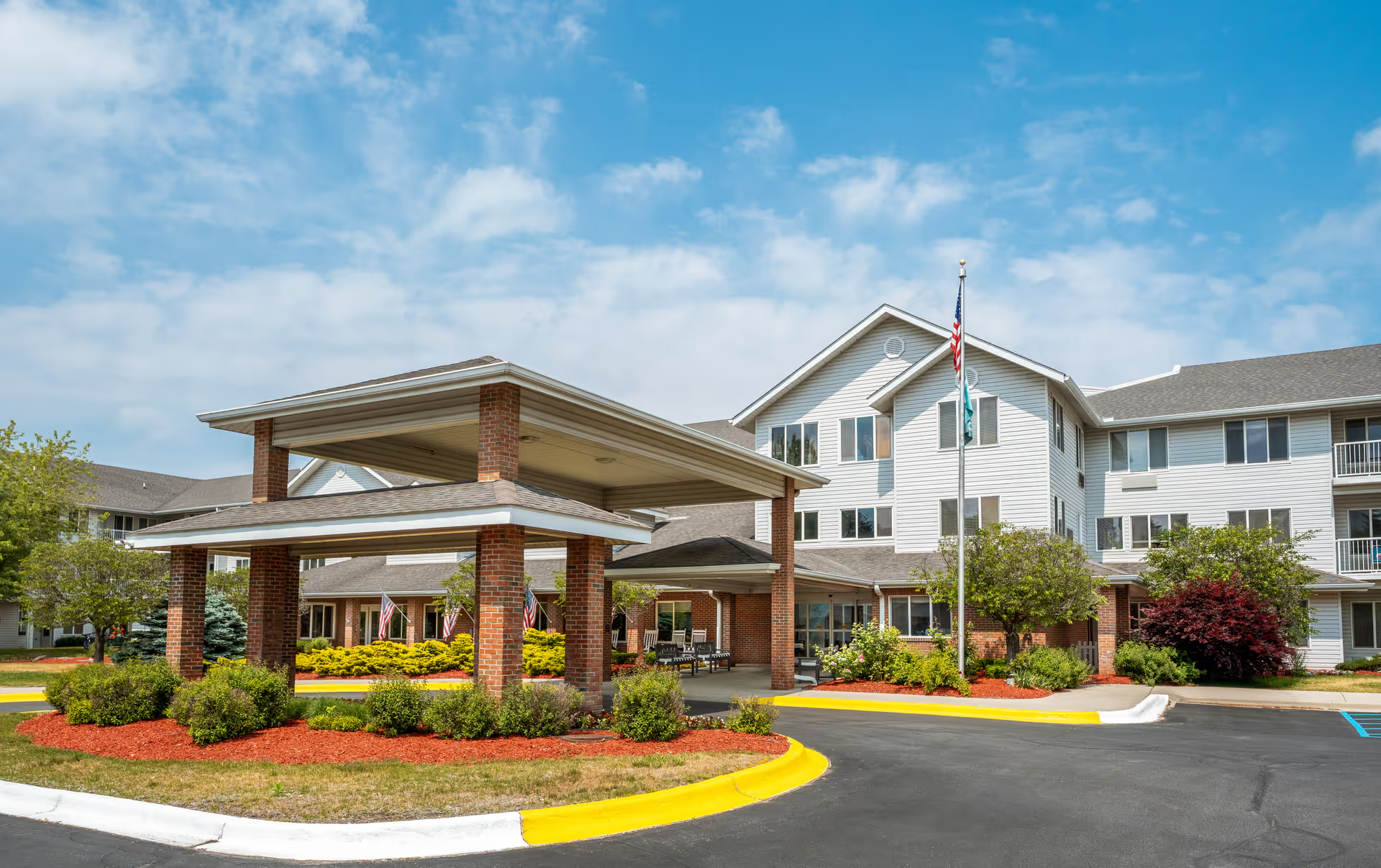
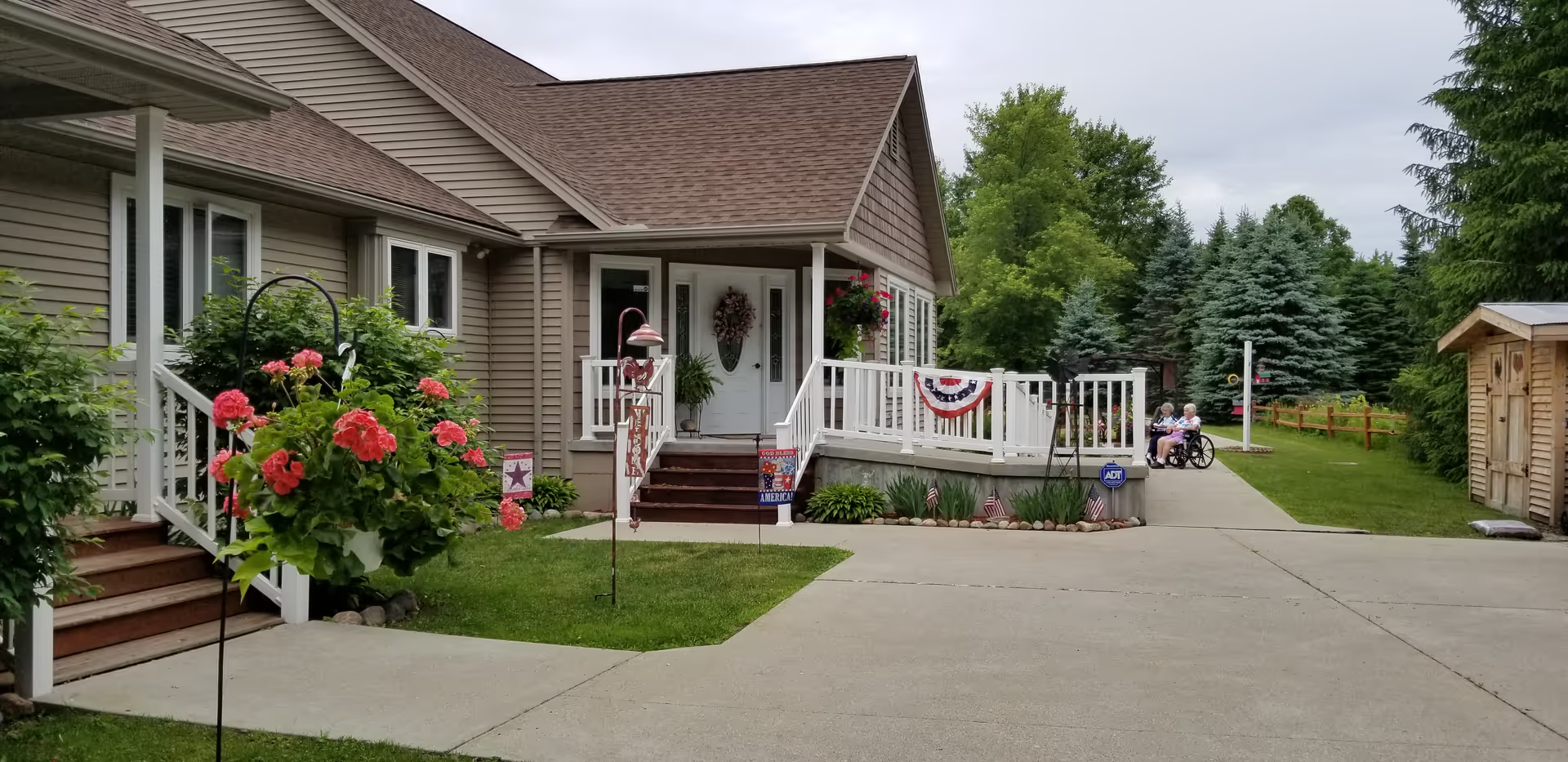
Facilities and rehabilitation services: The campus and common areas receive favorable comments for cleanliness, newer rooms, and pleasant indoor/outdoor spaces. Proximity to the nearby hospital is viewed as convenient. Rehabilitation and therapy services (PT/OT) are effective for many residents, with several families noting good therapy outcomes. Conversely, some reviews describe limited capacity to manage higher-acuity or medically complex rehabilitation, equipment clutter in rooms, and variability in therapy follow-through.
Management, administration, and operational patterns: Management and administrative responsiveness emerge as mixed themes. Positive interactions with social workers and certain administrators were reported, but others described delayed communication, lack of transparency, and perceived lapses in property controls (missing laundry or personal items). Several reviews cited concerns about medication practices and the use of psychotropic agents to manage behavior; these comments indicate a need to clarify medication protocols and oversight. The combination of perceived high cost and variable staffing levels contributed to dissatisfaction for some families.
Notable patterns and guidance for families: The overall picture is polarized — many families point to individualized, compassionate care and strong programs, while others describe operational gaps that materially affect resident experience. Prospective families should schedule an in-person visit, observe staffing at peak and off-peak times, ask about nurse-to-resident ratios and staff turnover, review medication-management policies and incident reporting procedures, clarify laundry and personal-property safeguards, and discuss rehabilitation goals and expected outcomes. These targeted questions can help determine whether Marwood’s strengths align with a given resident’s needs and whether its operational limitations are acceptable for the level of care required.