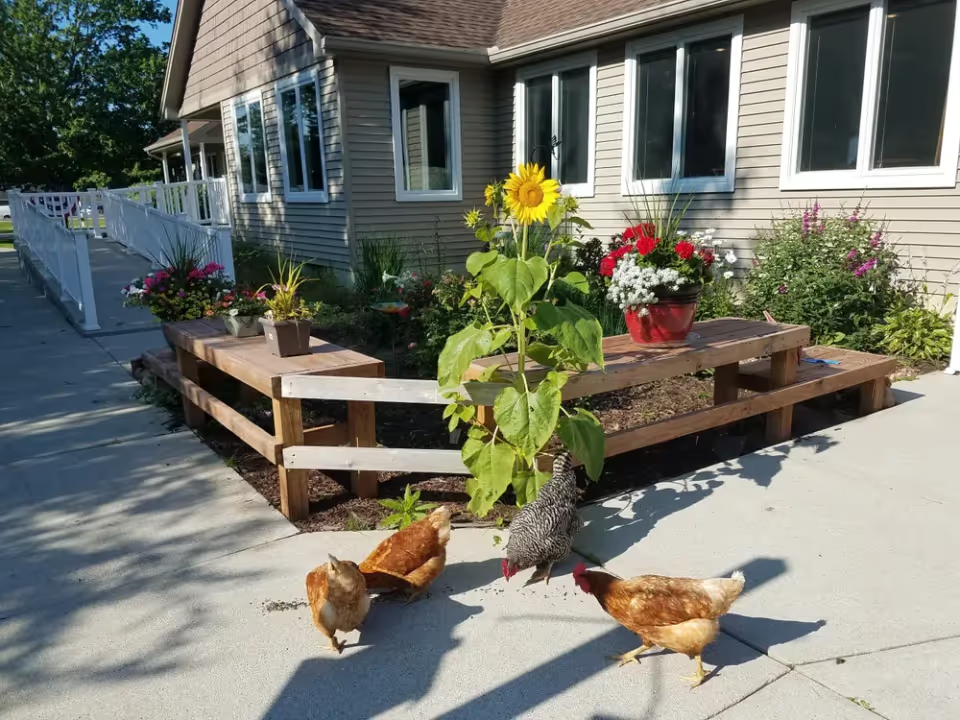
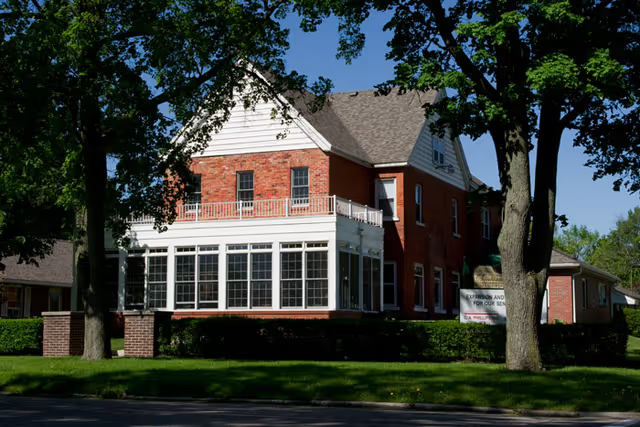
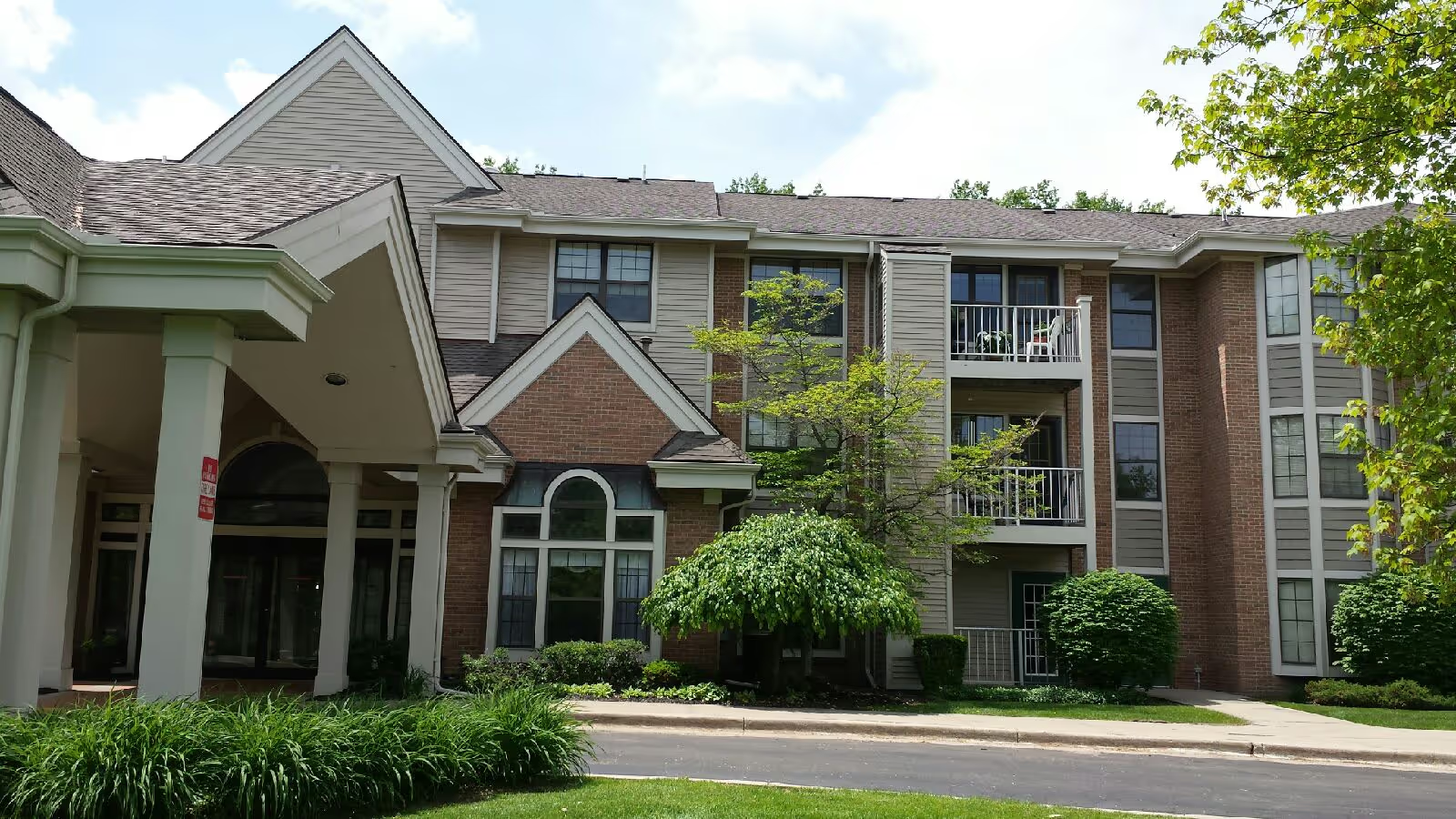
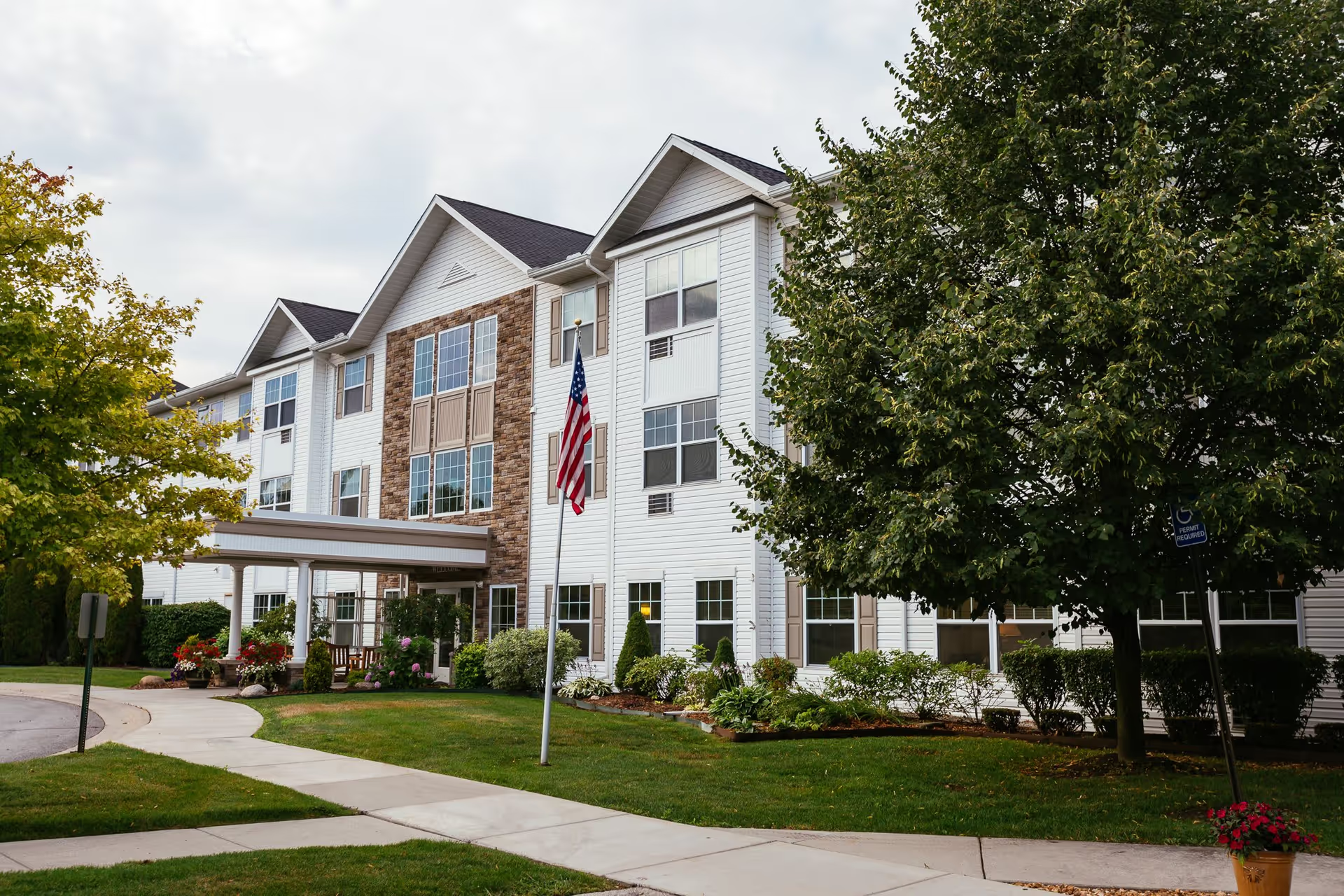
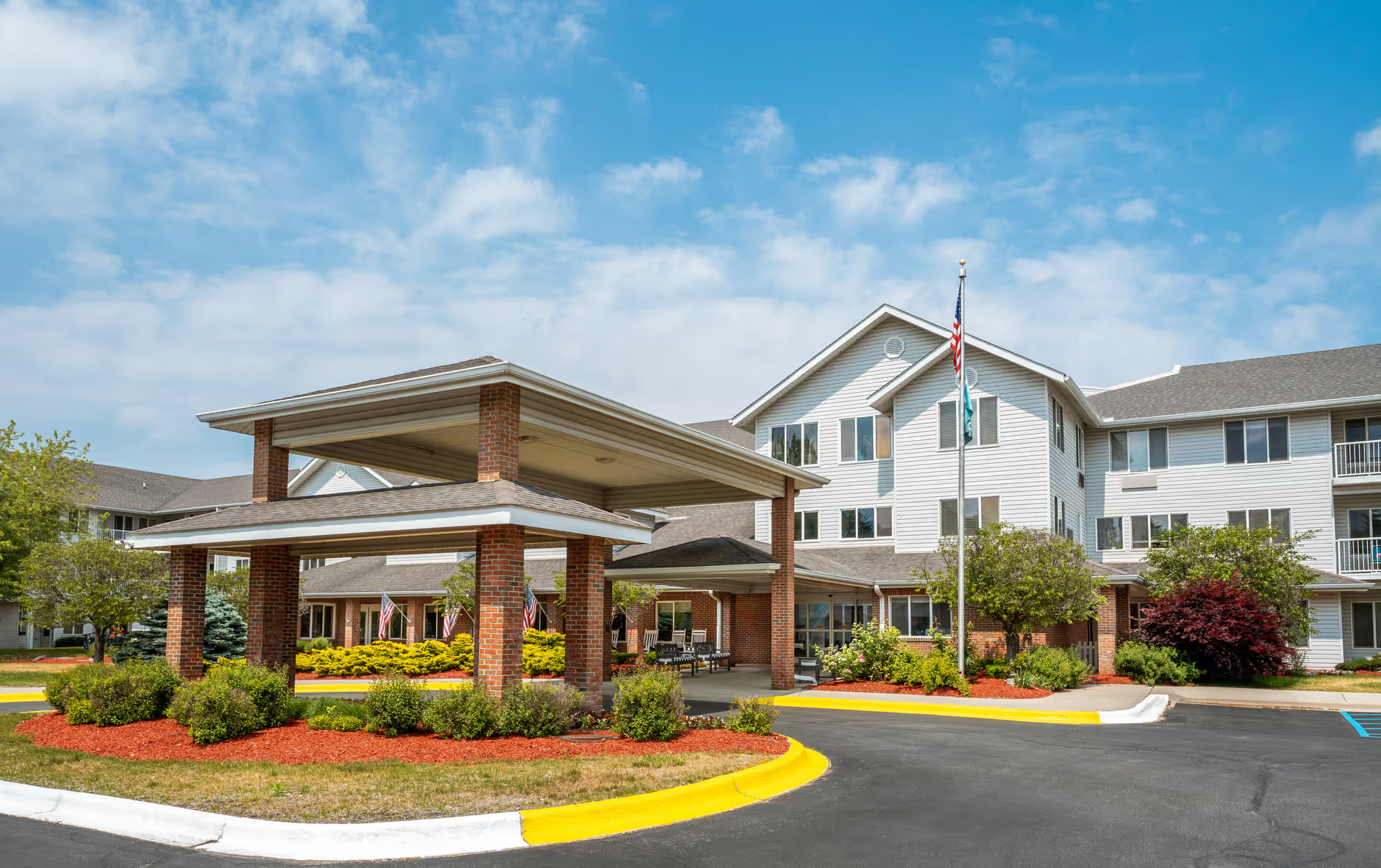
Overall impression: Reviews present a mixed but instructive picture. Many families and visitors describe a small, home-like community where staff form close personal relationships with residents and deliver compassionate, individualized attention. At the same time, several operational and physical-plant concerns recur across accounts: maintenance and housekeeping inconsistencies, dated private rooms, and variability in staff presentation and professionalism.
Care and staff: Strengths include attentive caregivers who provide one-on-one support, know residents personally, and are helpful with bathing, laundry and daily needs. Multiple accounts emphasize warmth, compassion, and reliable interpersonal communication by certain staff members. However, reviewers also describe uneven staffing levels, notable turnover, and episodes of unclear or slow communication with families. These patterns suggest the facility can deliver strong personal care but may suffer intermittent capacity and coordination challenges that affect consistency.
Dining and support services: The dining area is frequently described as roomy and pleasant, and several reviewers commented positively on meals and basic housekeeping in common areas. The community provides practical support such as shopping assistance and an in-room physician option, which can be valuable for families seeking on-site clinical access. At the same time, some reviews highlight laundry left in common spaces and housekeeping shortfalls in private rooms, indicating variation in service execution.
Activities and socialization: Accounts diverge on programming. Some describe active schedules with many activities, supervision for residents who do not participate, and occasional outings. Others note limited programming, low resident engagement, and common-room scenes of passive TV-watching. The secured memory-care unit is characterized as a locked environment with restricted unaided egress; this arrangement may suit residents requiring higher supervision but also limits spontaneous mobility and requires family members to understand escort policies.
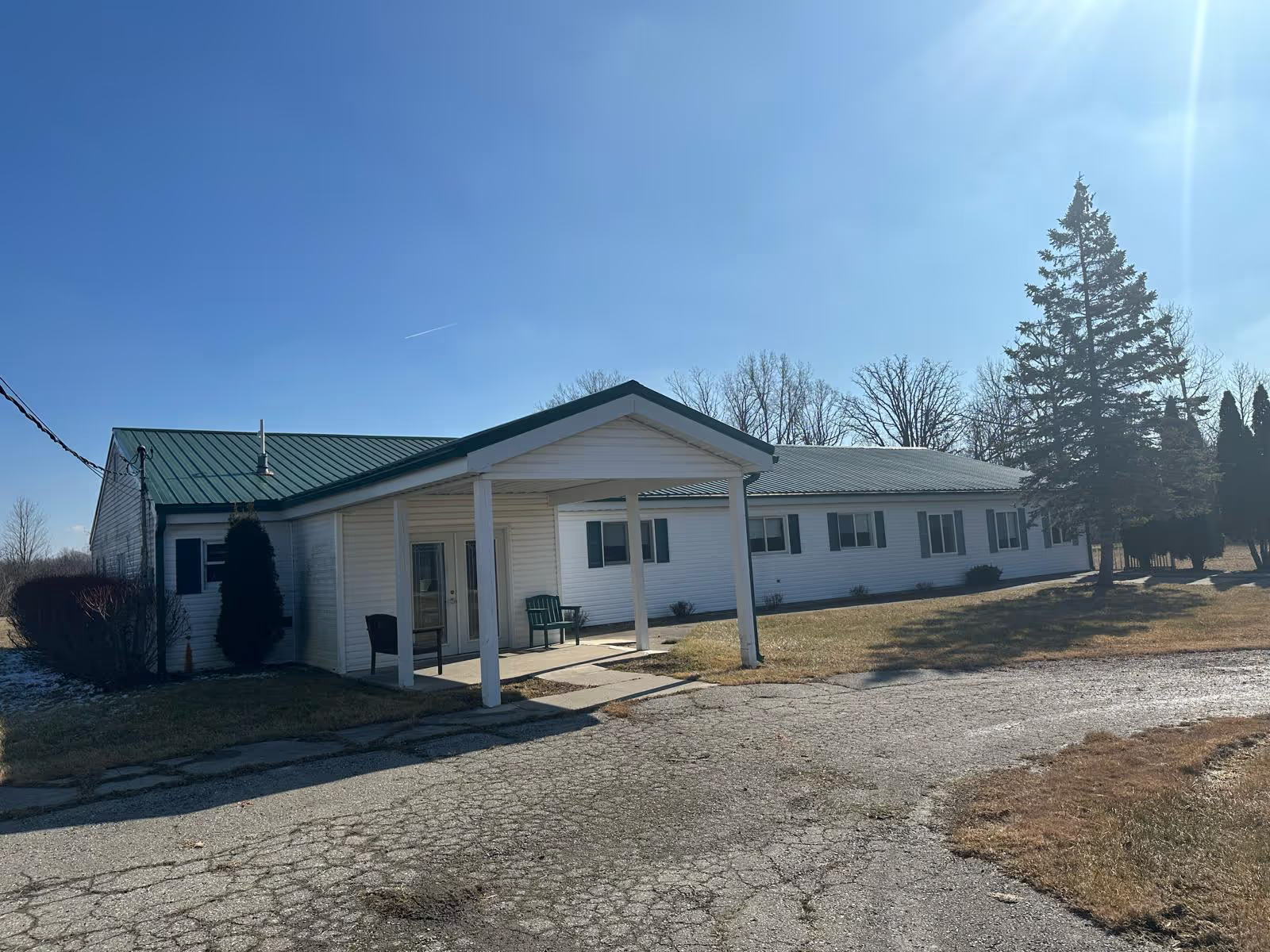
Facilities and management: Physical-condition reports range from "very clean/spotless" common areas to comments about outdated rooms that lack kitchenettes, TVs, or modern furnishings. Administrative observations include an untidy office area and recommendations to push for clearer communication from staff and management. Visitation practices have been affected by infection-control measures (including COVID-related shutdowns in the past), and some families experienced limits on visiting during those periods; prospective residents and families should confirm current visitation and infection-control policies.
Notable patterns and recommendation: Sandalwood Creek tends to be a good fit for families prioritizing close personal caregiving, affordability, and a homelike setting within a convenient location. Conversely, it may be less suitable for those seeking consistently modern private accommodations, robust activity programming, or continuously high staffing stability. Before committing, prospective residents and families should tour multiple times, review current staffing and activity schedules, inspect private-room housekeeping and maintenance, and clarify visitation and secured-unit policies to ensure alignment with care and lifestyle expectations.