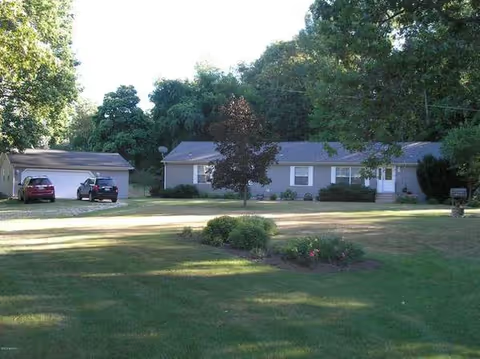
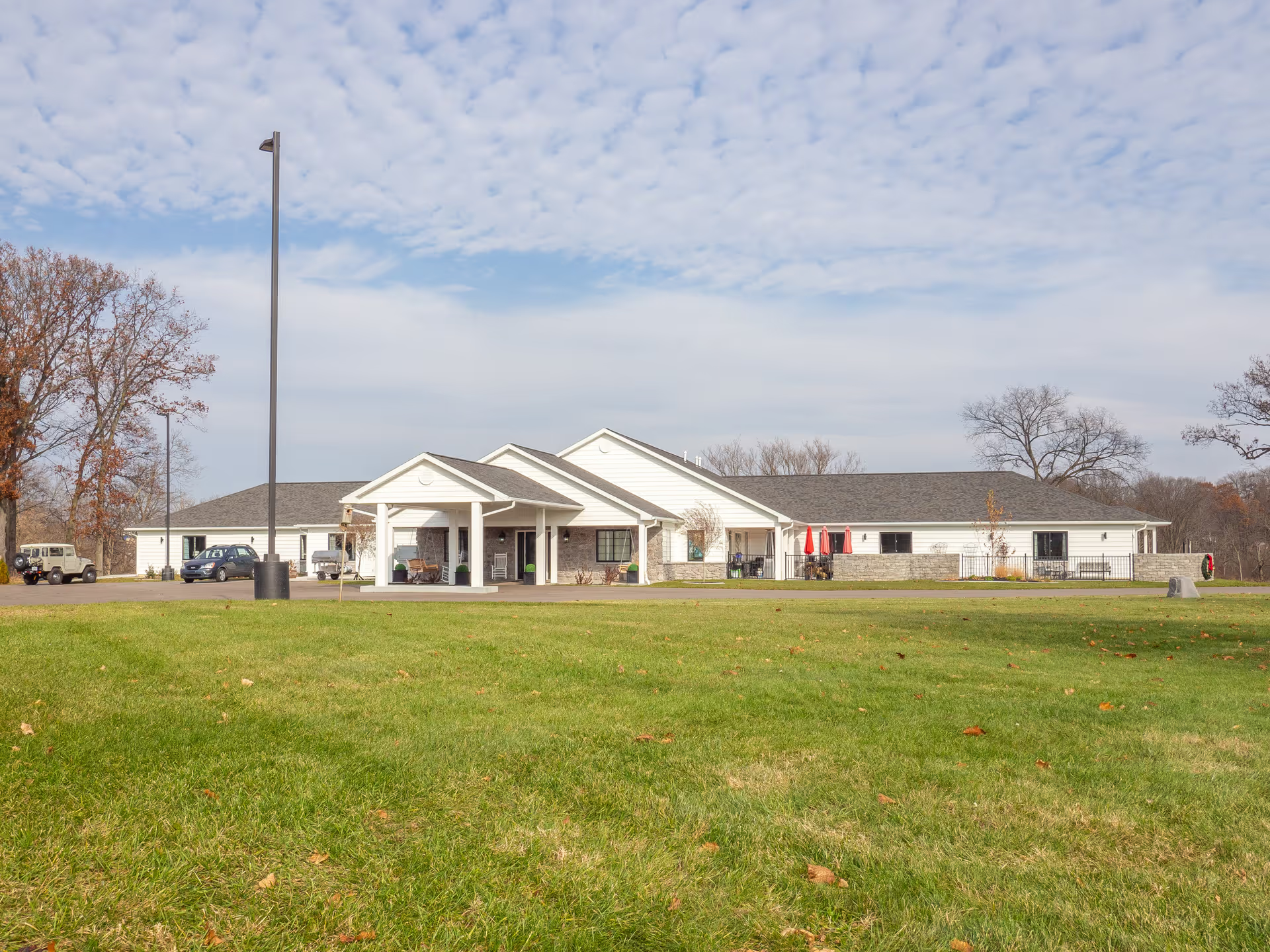
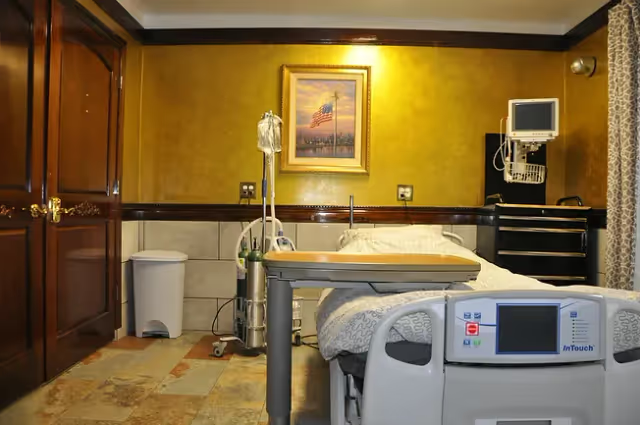
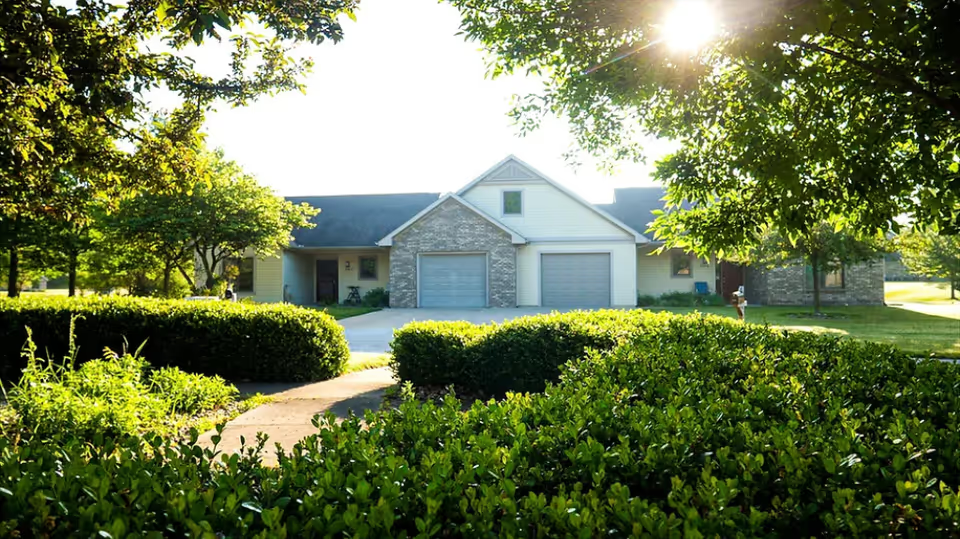
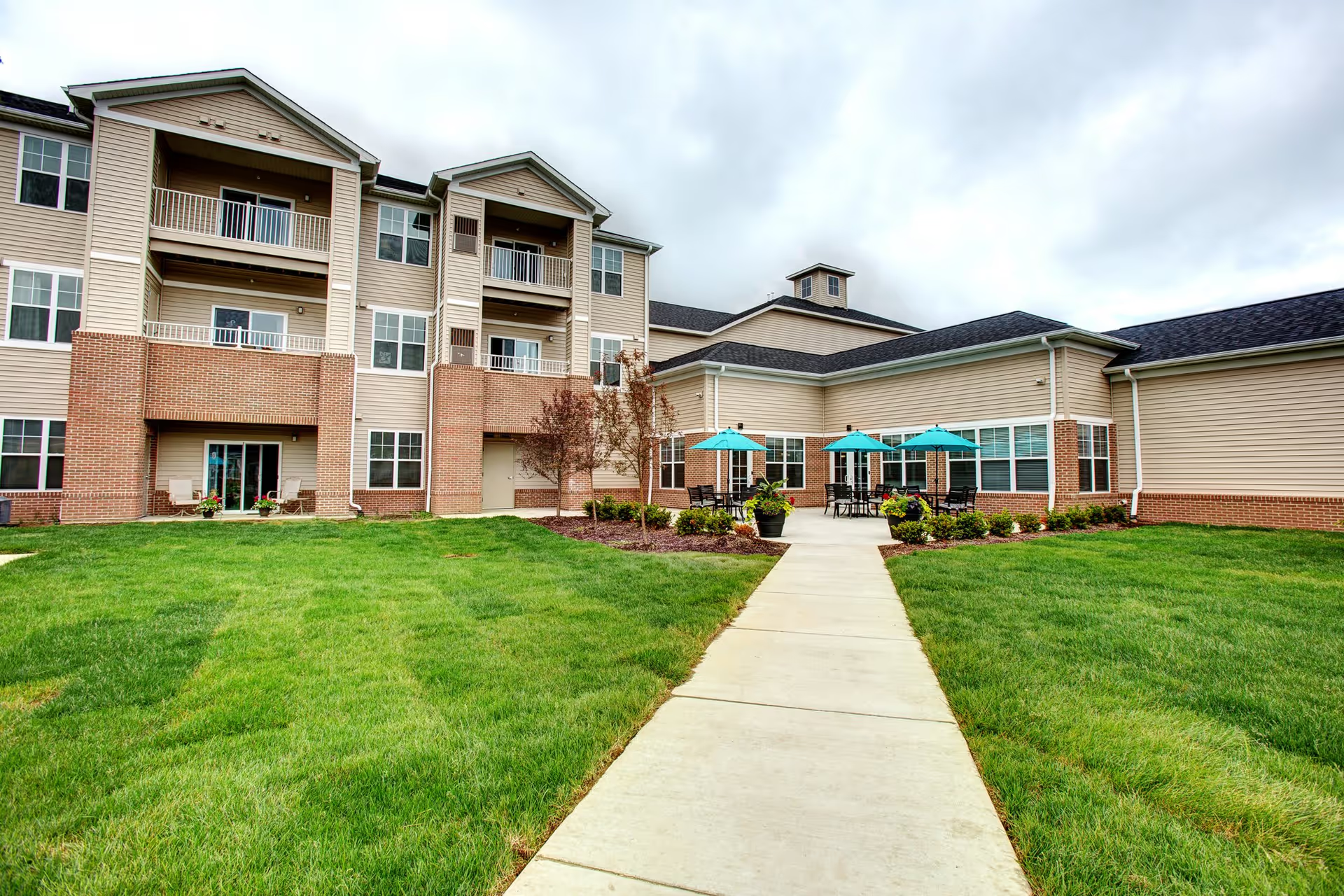
LakeHouse Three Rivers elicits a mixed but consistent set of impressions. Many families and residents praise the facility’s warm, supportive atmosphere, noting compassionate direct-care staff, a clean and well-maintained environment, and an active calendar of programs. The activity program — including music and piano offerings, seasonal outings, crafts, and special events — is repeatedly highlighted as a key strength and a major contributor to resident engagement. The community’s smaller scale and protected courtyard also receive positive attention for promoting privacy and frequent family visits.
Care quality descriptions vary. Positive accounts emphasize attentive, helpful caregivers who go above and beyond, whereas negative accounts center on inconsistent clinical continuity and responsiveness. Reviewers describe frequent turnover among administrators, nurses, aides, cooks, and housekeepers that appears to undermine continuity of care. Specific operational weaknesses that emerge from these patterns include delays in medication administration, limited clinical training in areas such as diabetes management, and instances where families felt communication with nursing staff or physicians was inadequate. There is also at least one serious individual allegation related to staff conduct and an elopement-related safety concern; these point to the need for prospective families to ask detailed questions about security protocols and incident response during tours.
Dining and housekeeping impressions are mixed. Several families appreciate the cleanliness and homelike appearance of apartments and public spaces, but multiple comments raise concerns about inconsistent meal quality, cold or small portions, and limited choices for restricted diets. Laundry and personal-item management problems were noted enough times to suggest operational gaps in housekeeping and resident belongings processes. Financially, the facility is described as relatively expensive by some reviewers, and there are mentions of extra charges and missing items that suggest families should review billing practices carefully.
Management and administration receive divergent assessments. Some visitors found admissions staff and management helpful and communicative; others described slow or unresponsive administrative follow-up and frequent changes in leadership and ownership. Staffing instability is a recurring theme and is directly linked by reviewers to uneven service levels. Conversely, strong praise for particular staff members and the activity leadership indicates pockets of consistent, high-quality engagement despite broader turnover.
For prospective residents and families: the facility’s social programming, small-community feel, and physical environment are clear strengths. At the same time, operational issues — especially staffing continuity, clinical coordination, medication processes, meal-service reliability, laundry procedures, and perimeter/security protocols — are recurring concerns. During a tour or intake discussion, families should consider asking about current staff retention initiatives, nurse-to-resident ratios on each shift, medication administration policy and training, dietary accommodations, laundry and belongings procedures, security measures for residents at risk of wandering, and billing itemization. These targeted questions can help clarify whether the current operational state aligns with a prospective resident’s clinical and lifestyle needs.