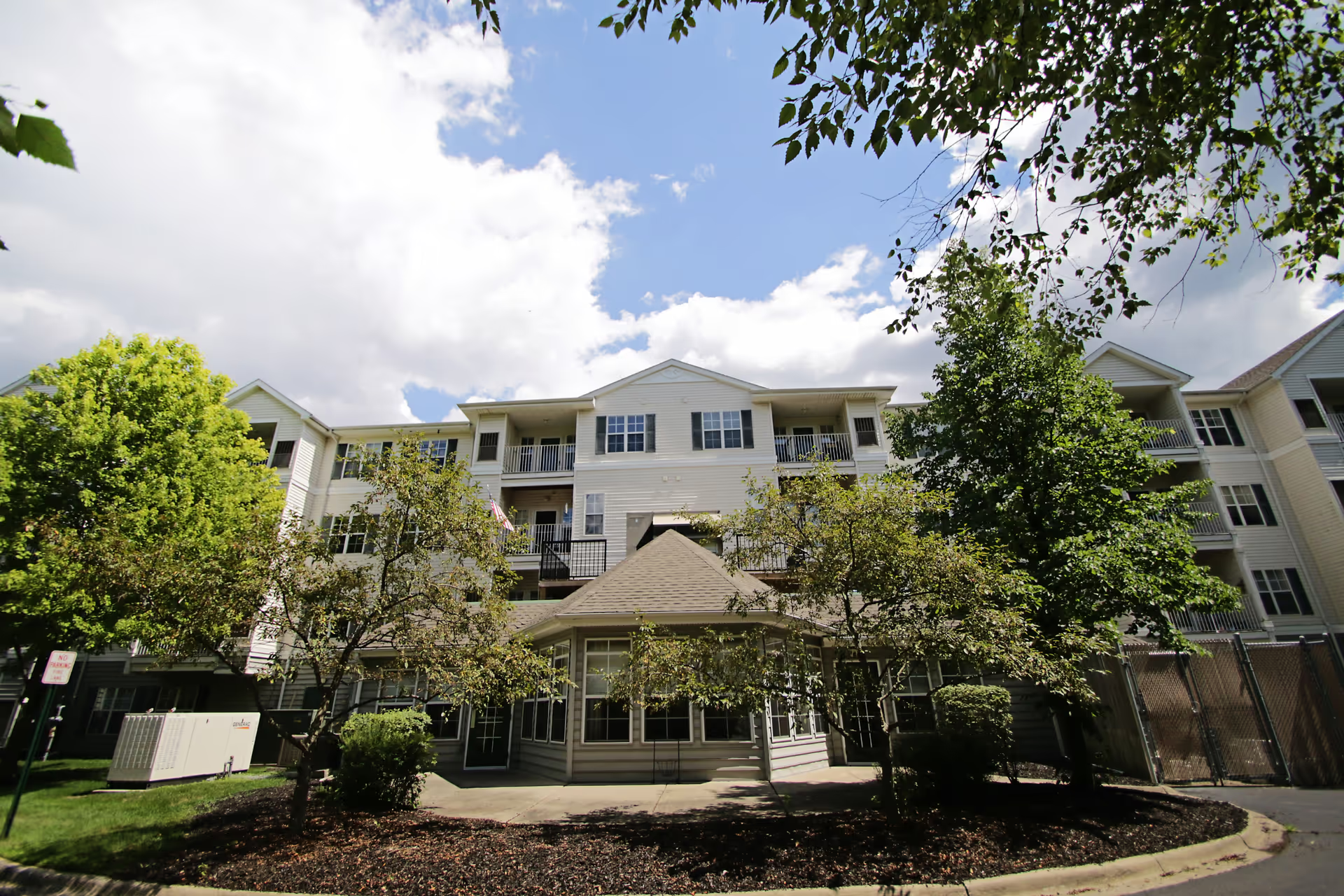
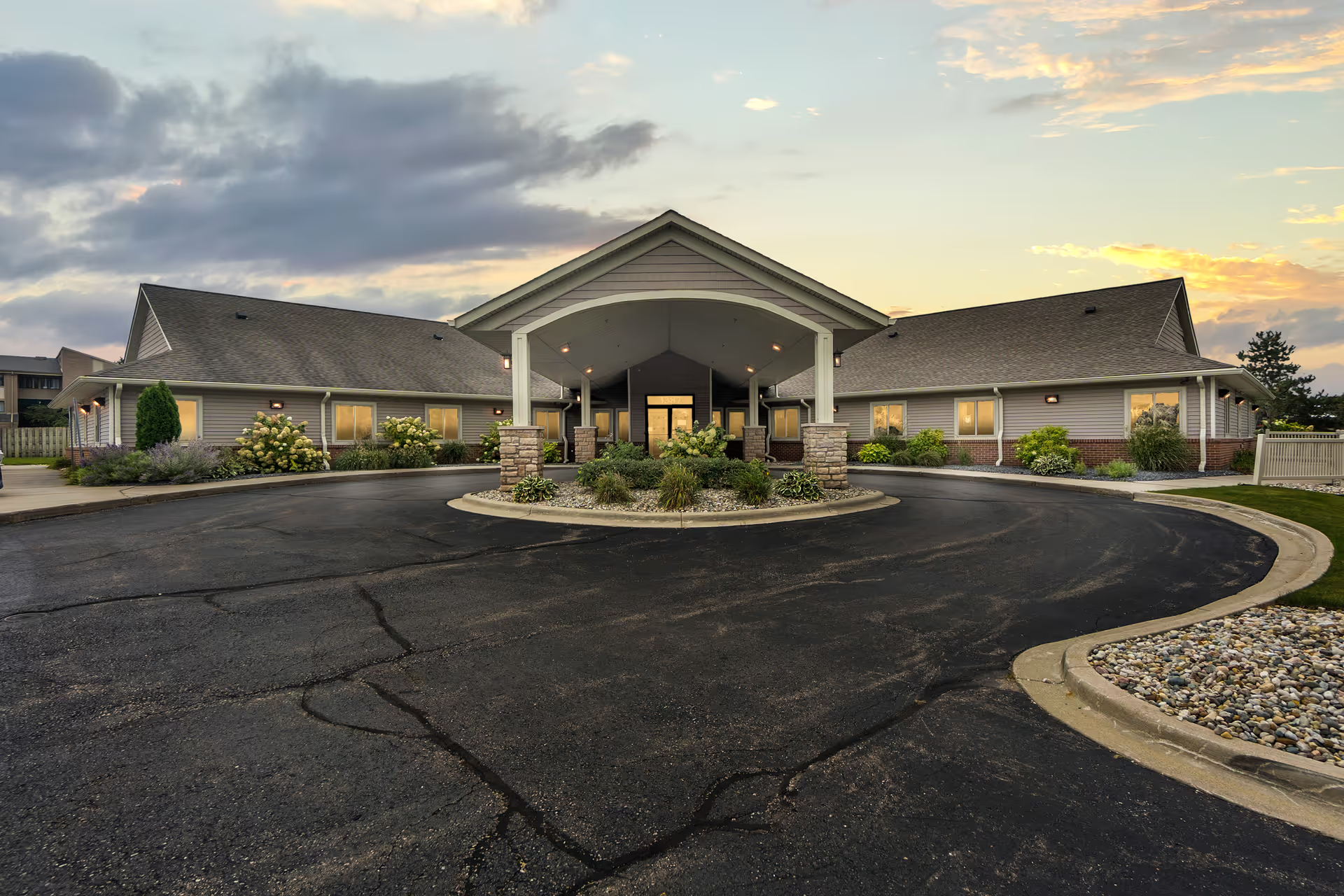
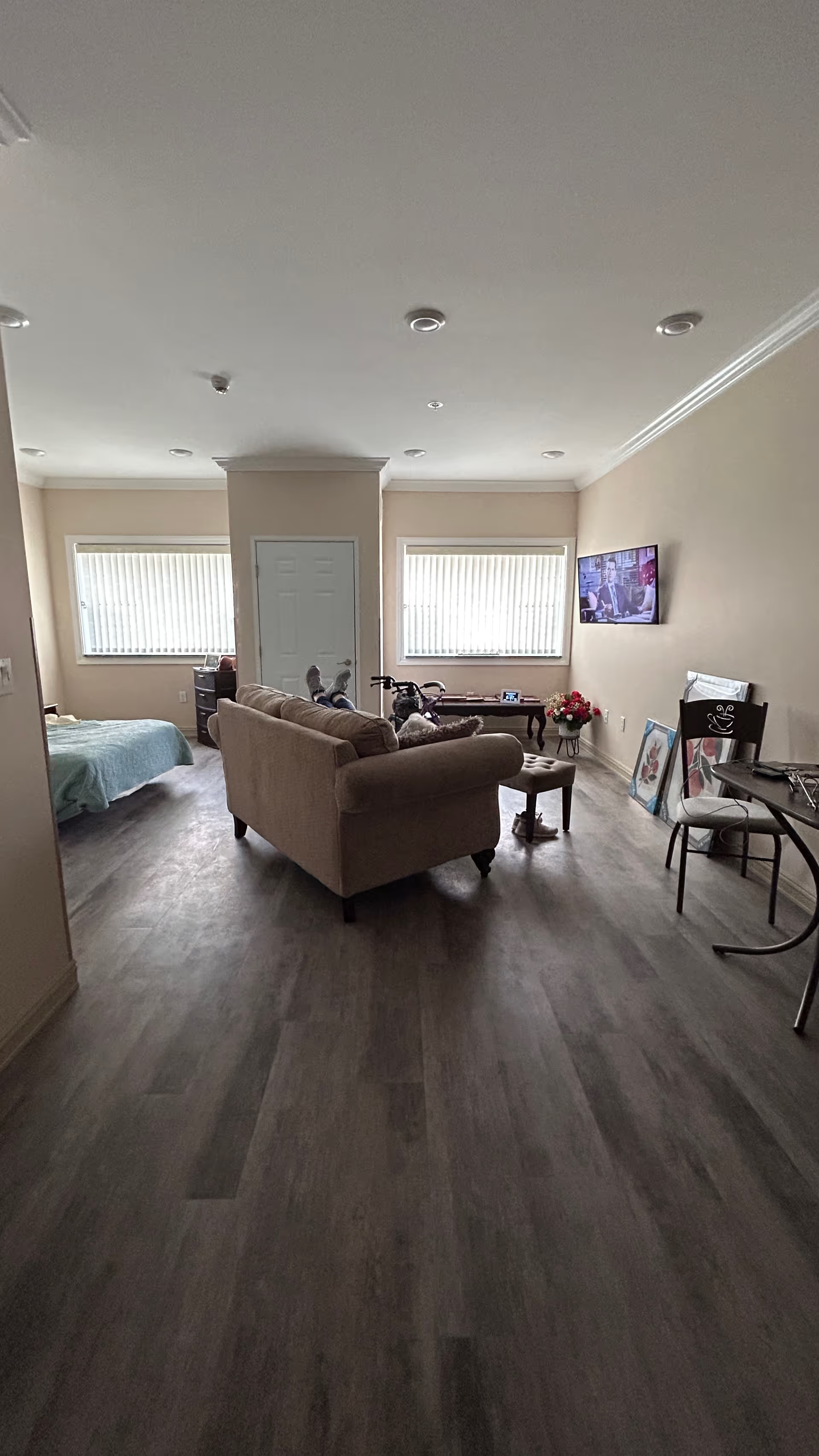
Canterbury-on-the-Lake (The Orchards at Canterbury-on-the-Lake) elicits strongly polarized impressions. Many families and residents describe a warm, community-oriented campus with compassionate frontline caregivers, robust therapy services, attractive apartments, and a rich calendar of social and recreational offerings. The property itself — expansive grounds, lake views, indoor/outdoor walking areas, library and salon services — is consistently described as well maintained and pleasant, and the facility offers a full continuum of care that several families found helpful for continuity across levels of need.
Clinical care and staffing are the most salient mixed areas. Numerous accounts praise nurses, CNAs, and therapy teams for skillful rehabilitation, attentive daily care, and personalized therapy plans that produced measurable improvement for some residents. At the same time, there is a clear pattern of inconsistent staffing and responsiveness: reviewers describe delays in responding to call buttons, variability across shifts (particularly nights and agency coverage), and uneven personal-care practices. These operational inconsistencies are associated with family concern about timeliness of assistance and adequacy of hands-on care for residents with higher needs.
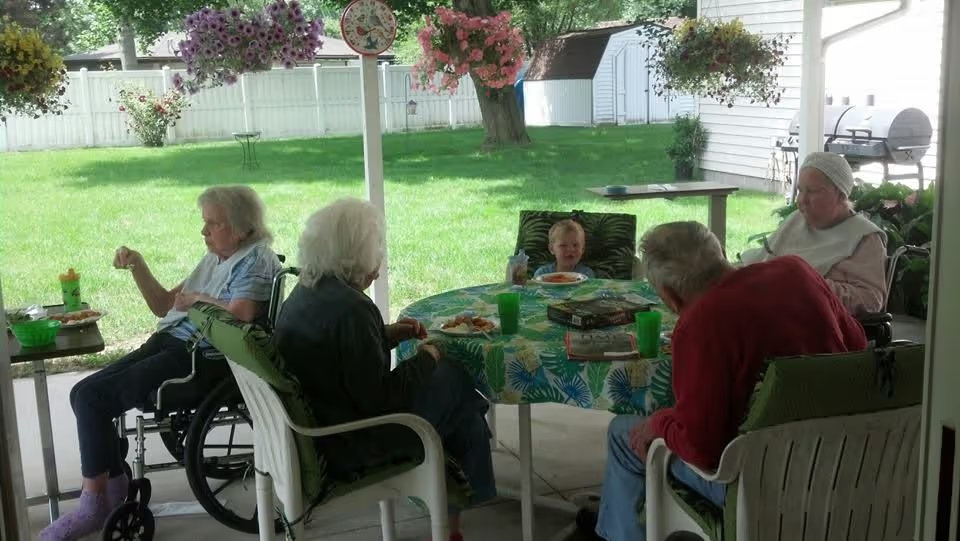
Dining, activities, and amenities are frequent strengths. Dining receives many positive mentions for taste, presentation, and the ability to accommodate dietary needs. The activity program is broad and active — book clubs, outings, happy hours, games, and themed events — and is repeatedly cited as contributing positively to resident wellbeing and social connection. On-site supports like salon services, transportation for appointments, and a wellness/fitness center are also viewed favorably and support an independent-living lifestyle for many residents.
Management and administrative experience is uneven in the reviews. Several families commend specific admissions and leadership staff for smooth move-ins and helpful coordination, while other accounts describe problematic communication around discharges, deposit refunds, and insurance coordination. Multiple reviewers link changes in operational reliability to leadership or ownership transitions. There are also discrete, serious negative accounts that raise concerns about staff conduct and clinical outcomes; a small number of reviewers described allegations that prompted family distress and, in a few cases, referral to external authorities.
Taken together, Canterbury-on-the-Lake demonstrates clear strengths in campus quality, therapeutic services, social programming, and many caregiving teams. However, consistent experience appears to depend heavily on specific units, shifts, and individual staff members. Prospective residents and families would benefit from focused questions during a tour and contract review — for example, about staffing ratios and coverage across shifts, call-response expectations, incontinence- and personal-care protocols, medication-administration oversight, discharge procedures, and billing/refund policies — to assess whether the facility’s current operational practices meet their specific needs and expectations.