Overall impression: Heritage Nursing & Rehab Comm is frequently described as a facility with strong clinical and rehabilitative capabilities and a staff culture oriented toward compassionate, resident-centered care. Many families and former residents praise the nursing, aide, and therapy teams for attentive personal care, effective physical and occupational therapy, and measurable rehabilitation success; admissions and social-work staff are repeatedly noted for facilitating smooth transitions and clear family communication. The interdisciplinary model — including wound care specialists, physician assistants, social workers and on-call physicians — is cited as a substantive strength that supports complex clinical needs.
Care and staff: The dominant trend across accounts is positive regard for frontline staff who know residents by name, provide emotional support, and create a family-like atmosphere. Therapy services receive consistent commendation for achieving functional gains, and several reviewers credited the team with rapid recovery and successful discharges. At the same time, there is a pattern of operational variability: reviewers describe periods of understaffing (notably on second/third shifts and weekends), intermittent delays in responding to call lights, and variability in staff demeanor. These patterns suggest the potential for uneven resident experience depending on timing and staff assignments.
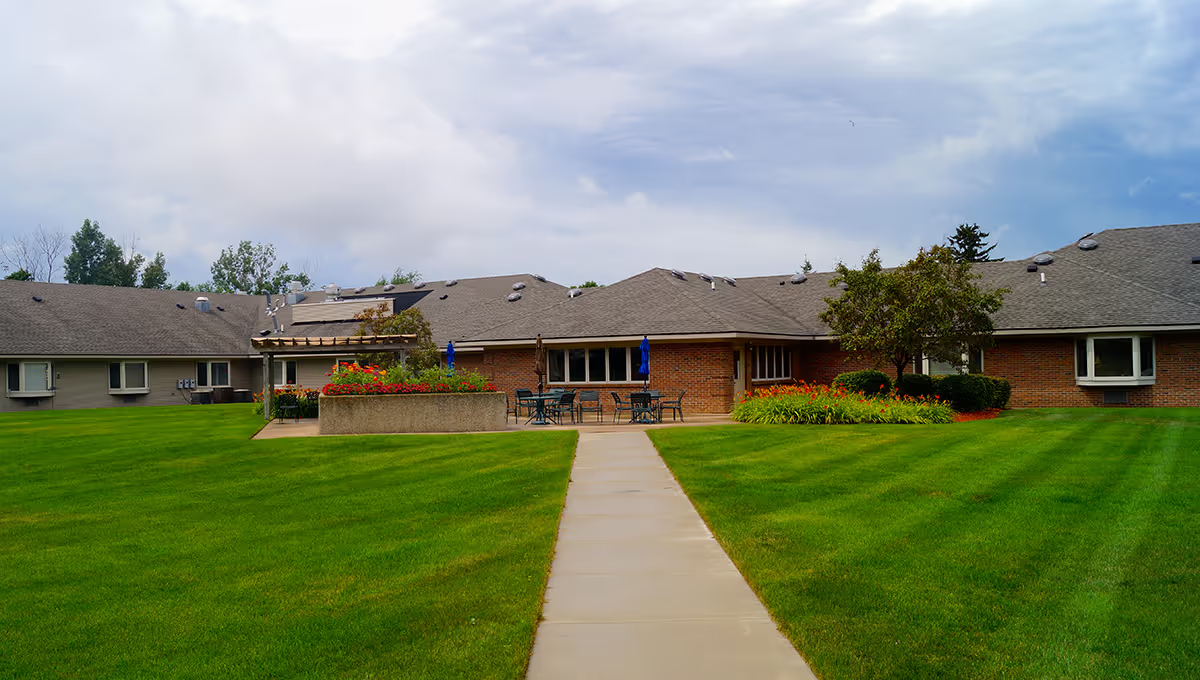
Dining and activities: Dining experiences are mixed but often favorable; multiple accounts highlight tailored diets, accommodating meal preparation, and specific positive menu items. Other accounts describe a less satisfactory or inconsistent dining experience, indicating variability in food quality or meal service. The activity program and outdoor amenities are generally viewed positively — the facility’s courtyard, raised garden beds, and a range of social events contribute to a home-like environment and resident engagement.
Facilities and maintenance: Many reviewers characterize the facility as clean, home-like, and well-kept, while others note specific sanitation and maintenance concerns in resident rooms, bathrooms, and dining areas, plus occasional odor and temperature issues. The building is described as older but comfortable by some; however, inconsistent maintenance (broken fixtures, uncomfortable beds, cold rooms) has been cited enough to indicate uneven environmental upkeep in parts of the facility.
Management and safety patterns: Several reviewers commend the administrative and admissions teams for coordination and problem-solving, and hospice collaboration is described as seamless. Conversely, more serious operational concerns appear in a subset of accounts: medication-safety issues and at least one clinical-safety incident were described, along with references to regulatory involvement. These items point to areas where prospective families should seek clarification — specifically medication administration safeguards, incident reporting and response procedures, staffing ratios at night/weekends, and sanitation protocols.
Overall assessment and guidance: The prevailing narrative is of a facility with strong clinical and rehabilitative strengths and a compassionate staff that produces good outcomes for many residents. However, recurring operational themes — inconsistent staffing coverage, responsiveness delays, maintenance and cleanliness variability, and medication-safety concerns — introduce variability in the resident experience. Prospective residents and families would be well served to confirm current staffing patterns (including weekend and night coverage), call-light response metrics, cleaning and maintenance schedules, medication-administration safeguards, and recent regulatory or quality-review history during a tour and admissions conversation to align expectations with current operational performance.