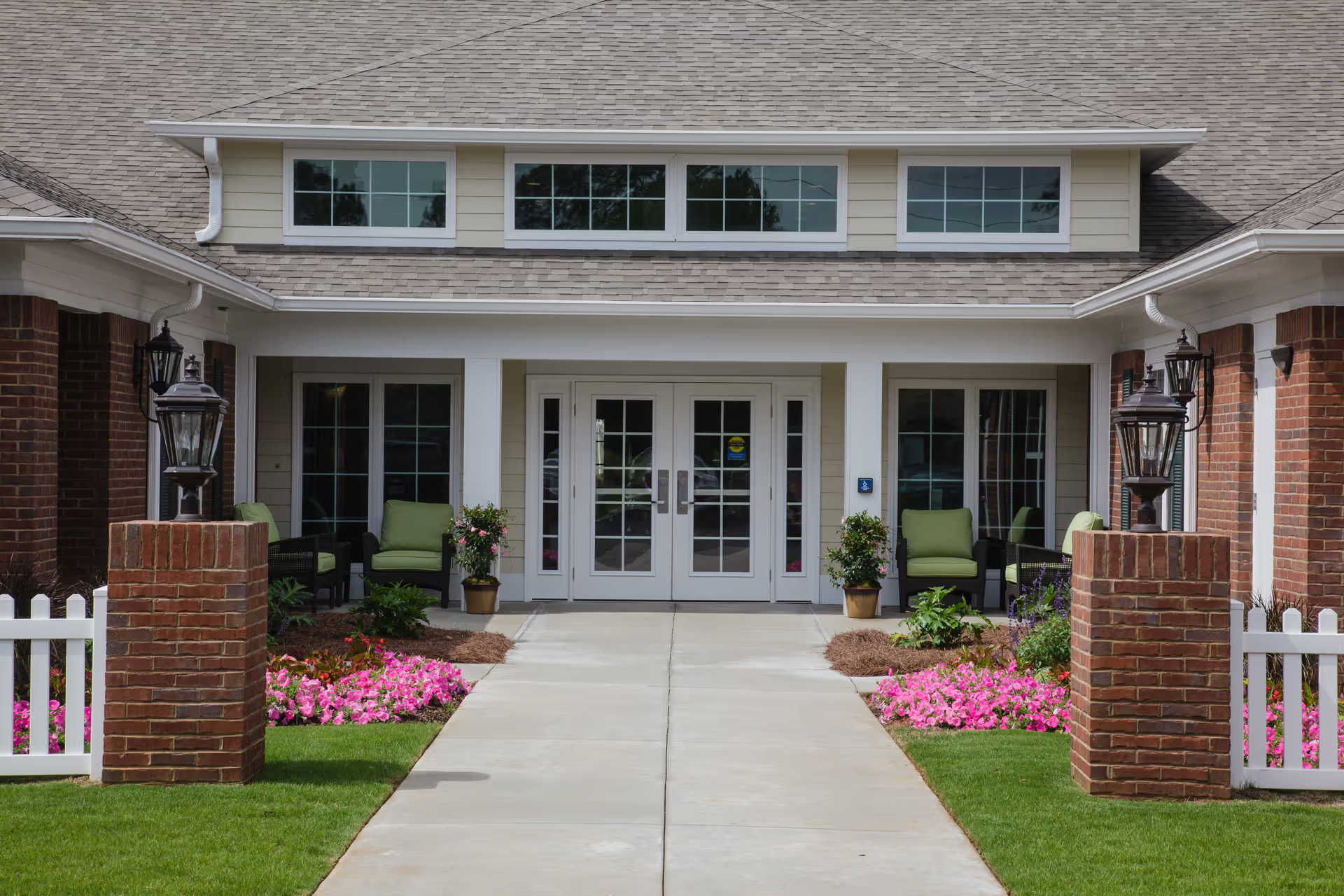
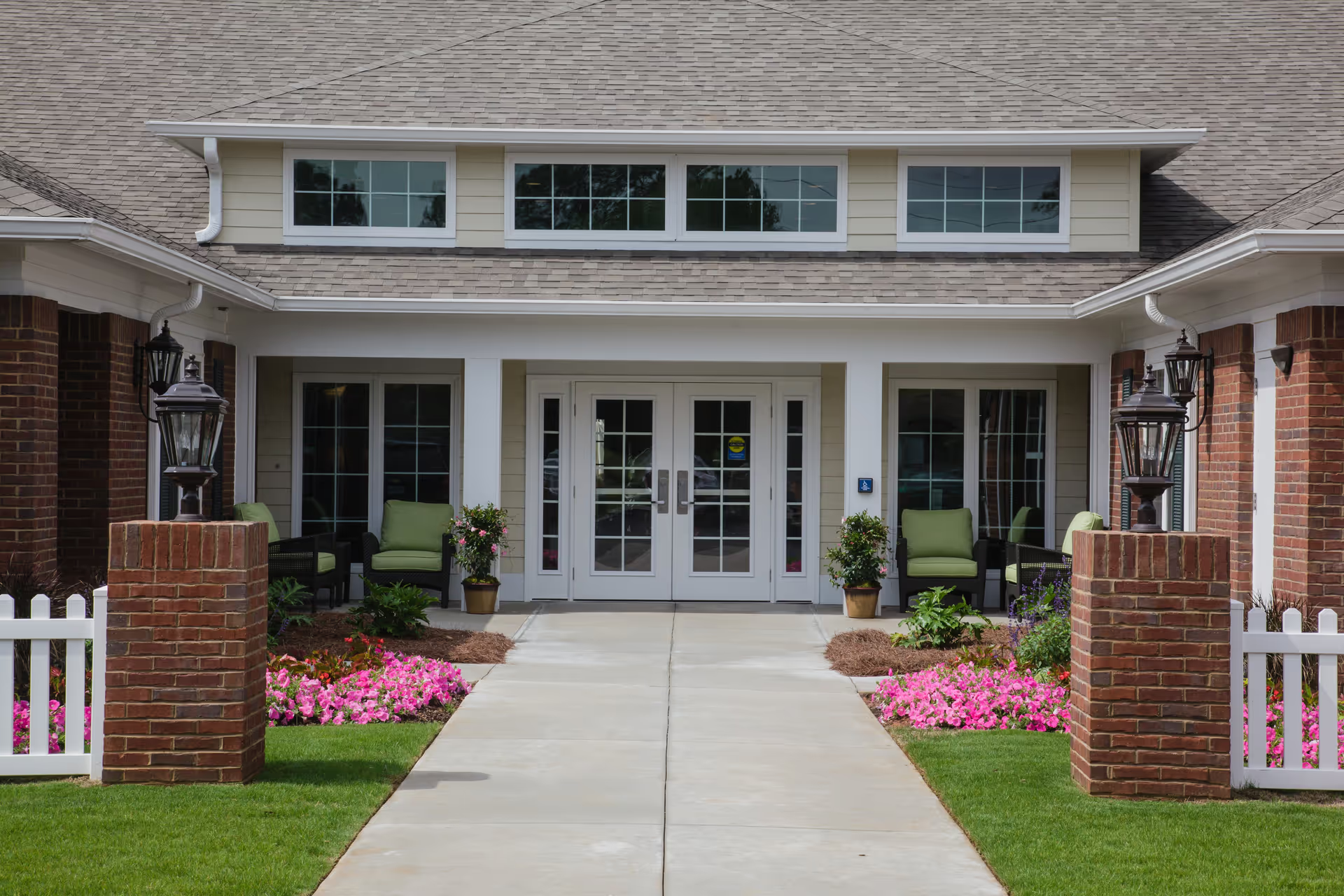
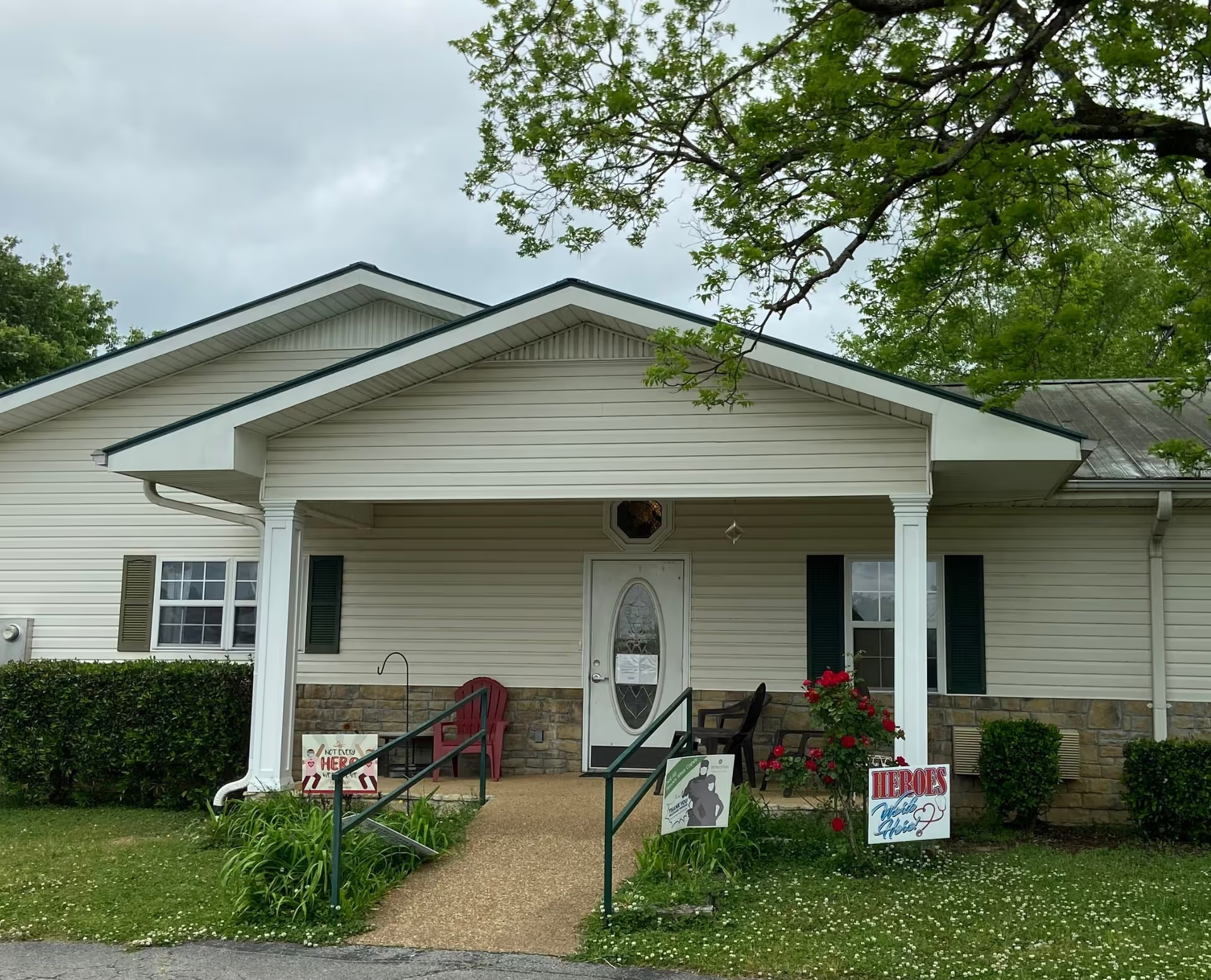
Overall impression: Reviews portray Dogwood Fulton as a facility with a strong community orientation and a generally warm, home‑like environment. Many comments highlight attentive, family‑oriented staff and a well‑kept building with pleasant outdoor spaces. At the same time, reviews identify several operational limitations that prospective residents and families should weigh alongside the facility’s strengths.
Care and staff: Staff are frequently described as compassionate, team‑oriented, and responsive; several accounts emphasize individualized attention and family‑style interactions. The facility conducts dementia screening at admission, which may be useful for appropriate placement. However, staffing levels are a recurring concern: reviewers noted understaffing, difficulty recruiting and retaining employees, and reduced staff visibility during periods of employee illness. Those patterns suggest the facility may experience intermittent coverage gaps that can affect day‑to‑day responsiveness and service continuity.
Dining and therapy services: Dining impressions are mixed, ranging from praise for good meals to comments about subpar food; this indicates variability in meal quality or consistency. Reviewers also noted limited availability of therapy services on site. Families who prioritize consistent meal quality or regular on‑site therapy should verify current menus and therapy schedules during their visit.
Activities and community life: The facility’s social programming is a clear strength. Reviewers mention varied activities, banquet‑area games, porch singing, faith‑based gatherings, and garden use — all of which support social engagement and a sense of community. These offerings contribute to an active, holistic approach to resident well‑being.
Facilities and accessibility: Physical spaces are described as comfortable and well maintained, reinforcing the home‑like atmosphere. At the same time, room sizes are noted as small by some reviewers, and certain rooms lack full ADA compliance. Prospective residents with mobility needs should evaluate room accessibility and available accommodations in person.
Management and notable patterns: Management responsiveness is cited positively in multiple comments, and overall satisfaction is high among many families. Nonetheless, operational challenges tied to staffing—particularly during illness outbreaks—have led to periods of quarantine/limited visitation and reduced on‑site services. Those patterns point to potential gaps in contingency planning and visitation flexibility during infection‑control events.
What to check on a tour: Ask about current staffing ratios and contingency plans for staff illness, verify dining menus and recent resident satisfaction with meals, confirm on‑site therapy availability and schedules, and inspect room dimensions and ADA features. Also discuss visitation policies during infection‑control periods to understand how the facility balances safety with family access. Together, these checks will help families balance the facility’s evident community strengths against the operational limitations noted in reviews.