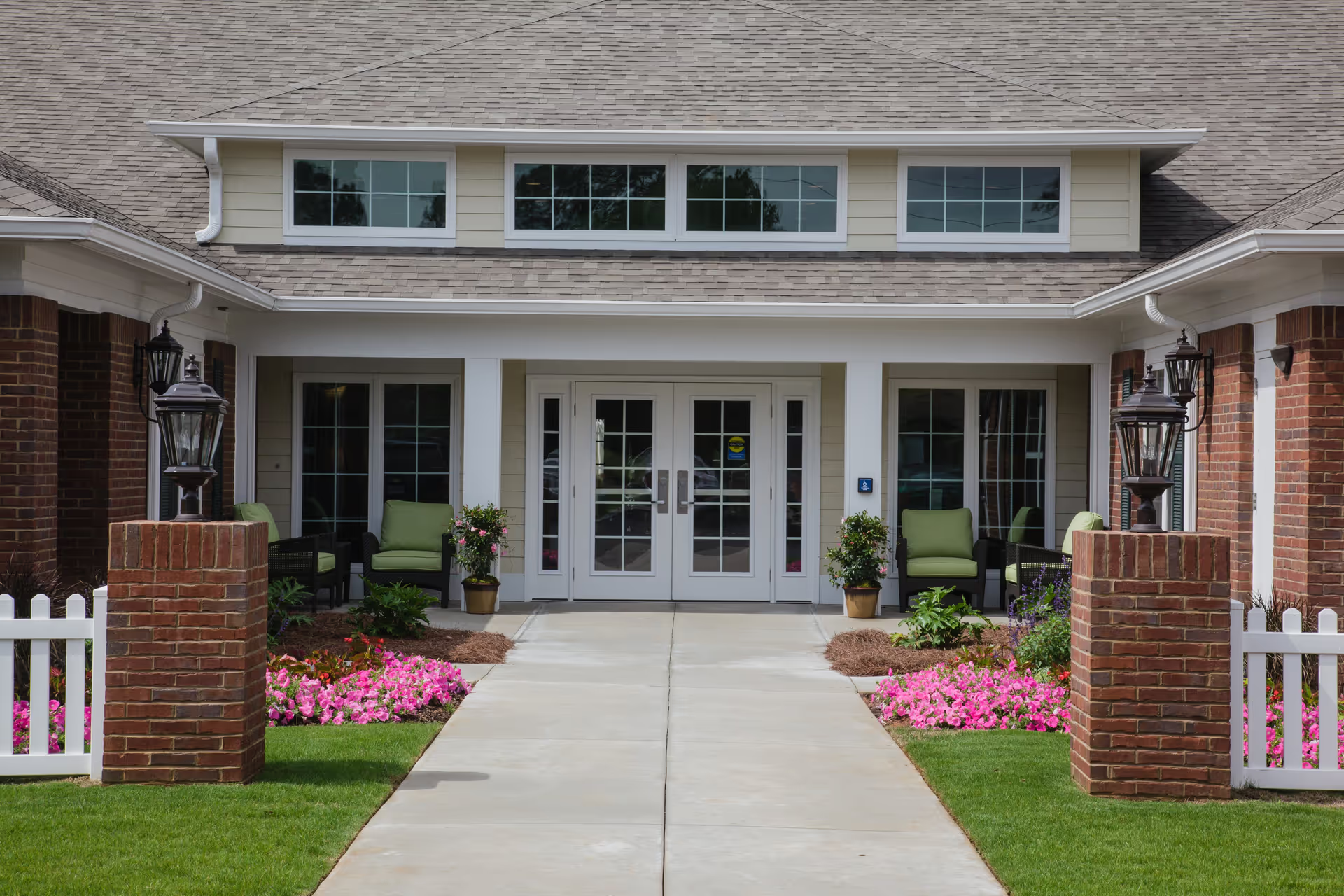
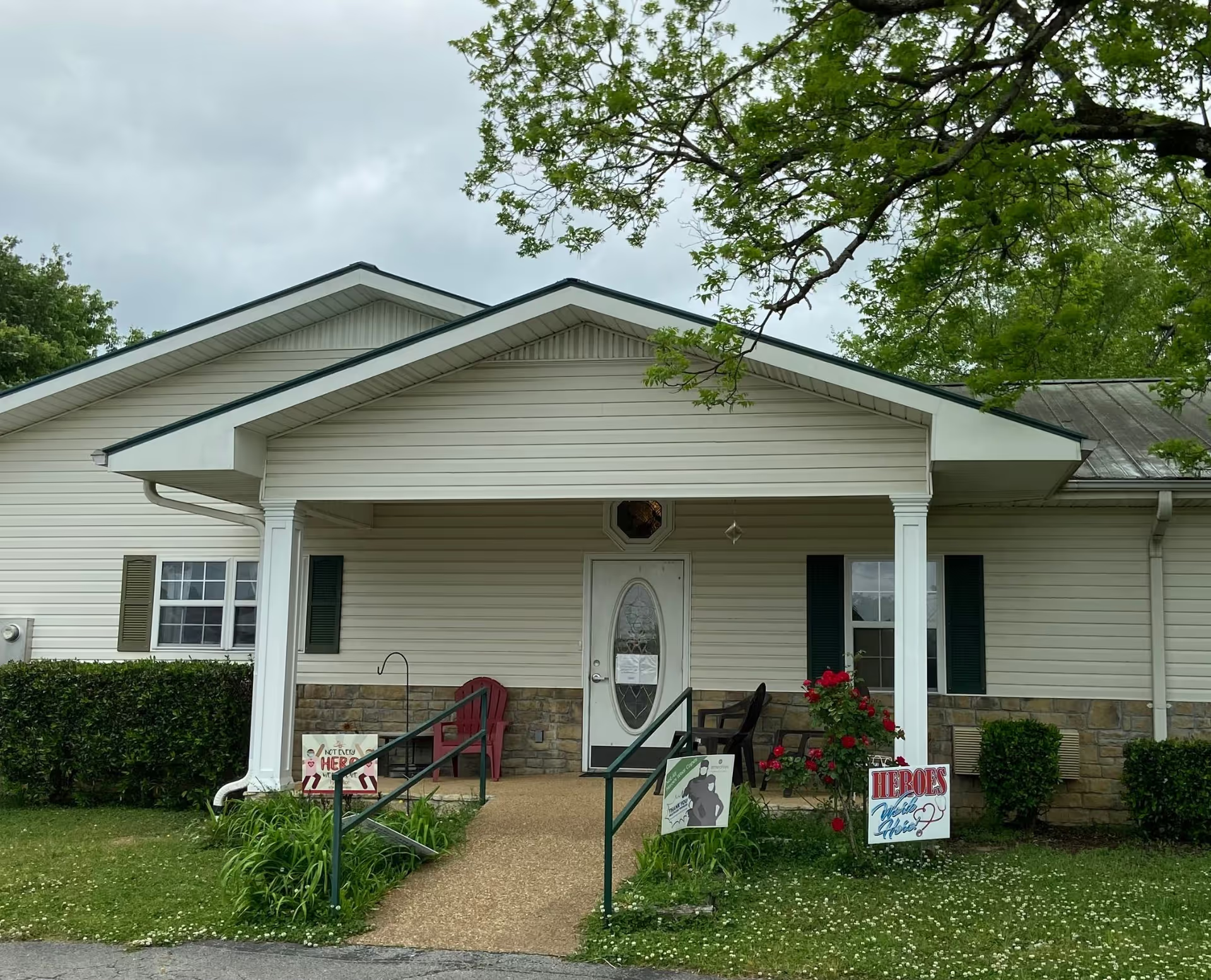
Southern Magnolia Golden is consistently described as a small, home-like assisted living community with an emphasis on personalized, family-oriented care. Reviewers highlight a professional and compassionate staff across departments—administration, nursing, kitchen, cleaning, and therapy—with leadership characterized as hands-on and communicative. Families note regular updates and proactive communication from management, and many evaluations reflect very high overall satisfaction across care quality, cleanliness, amenities, and value.
Clinical and daily-care functions are presented as reliable. Medication administration and hygiene oversight are noted positively, and on-site therapy services are available. The staff-focused culture appears to support residents’ social and emotional wellbeing; several accounts describe improved mood or social engagement after moving in. Placement assistance and responsiveness from staff are also emphasized, indicating active support for families during transitions.
Dining and programming are strengths of the community. The facility provides three meals per day, described as nutritious and well-prepared, with the option to deliver meals to rooms when needed. Dining and kitchen staff receive specific praise. Activity programming includes crafts and other social opportunities, with staff frequently engaging residents in events and seasonal decorations (donations are used to enhance communal occasions), which contributes to a family-like atmosphere.
Facilities and location are frequently noted positively: the community is quiet and friendly, with clean common areas and a convenient location near restaurants and family homes. The small size (around 30 residents) is often framed as a benefit for families seeking a close-knit setting and attentive staff. Reviewers give high marks for perceived value relative to services provided.
Notable patterns of limitation are present and worth confirming during a visit. The community may have limited capacity or experience with residents who have complex behavioral challenges or higher-acuity clinical needs; one account described a resident being transitioned elsewhere for suitability reasons. In-room maintenance and technology issues (for example, intermittent TV connectivity) are mentioned occasionally. Finally, the small community size that contributes to a welcoming environment may also mean fewer on-site specialized clinical services compared with larger facilities. Prospective residents and families should tour the community, ask about behavioral-health capabilities and escalation pathways, and clarify room-level maintenance and connectivity policies to ensure alignment with specific care needs.