One Magnolia Place presents a mixed picture: physically it has many attractive features and some operational strengths, but it also shows recurring operational gaps that prospective residents and families should review closely.
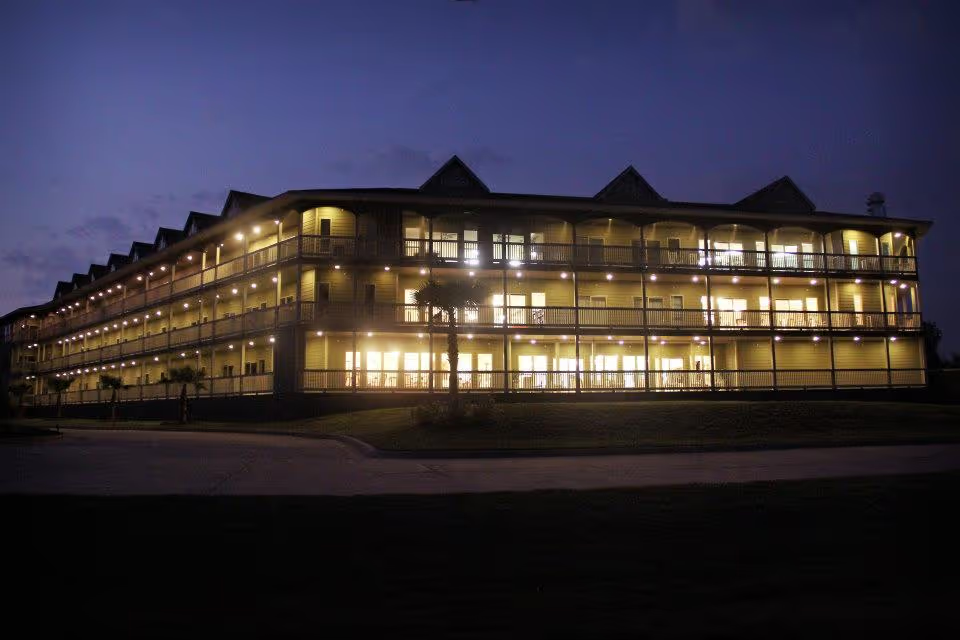
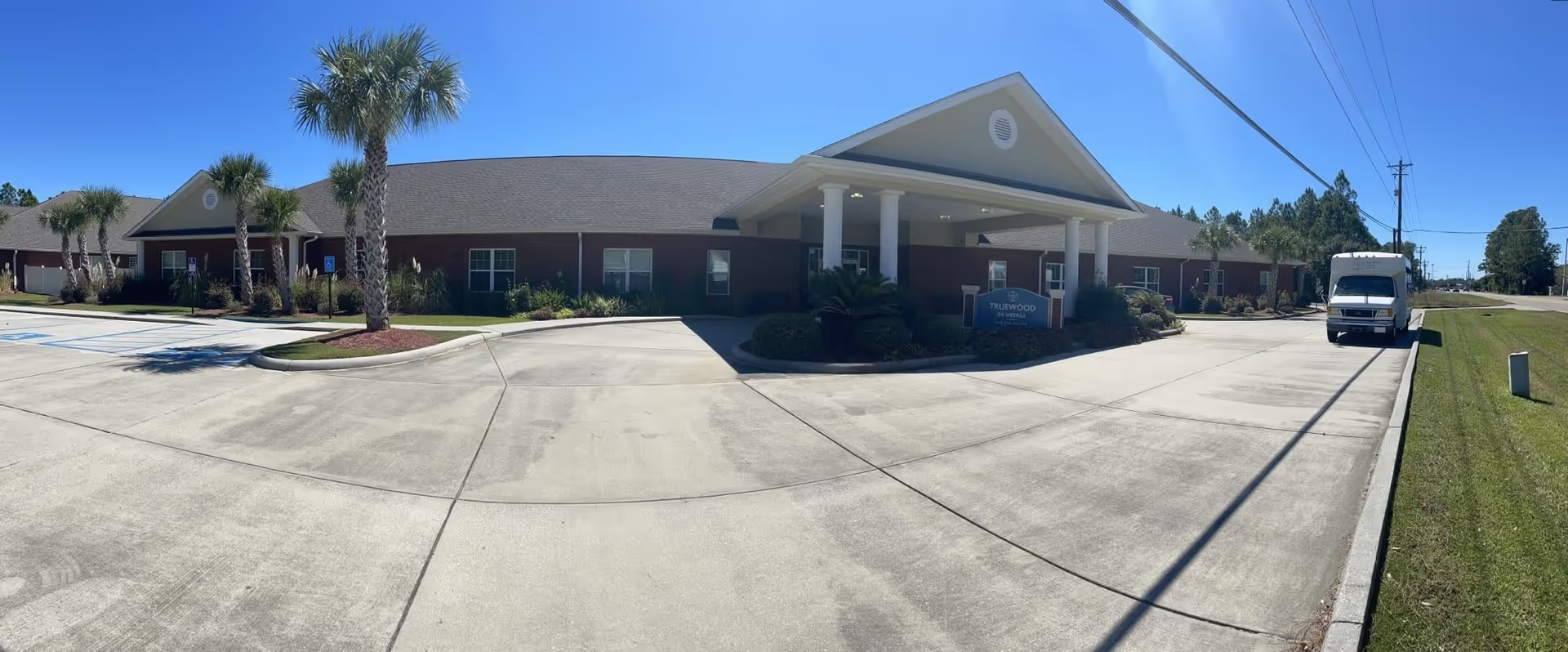
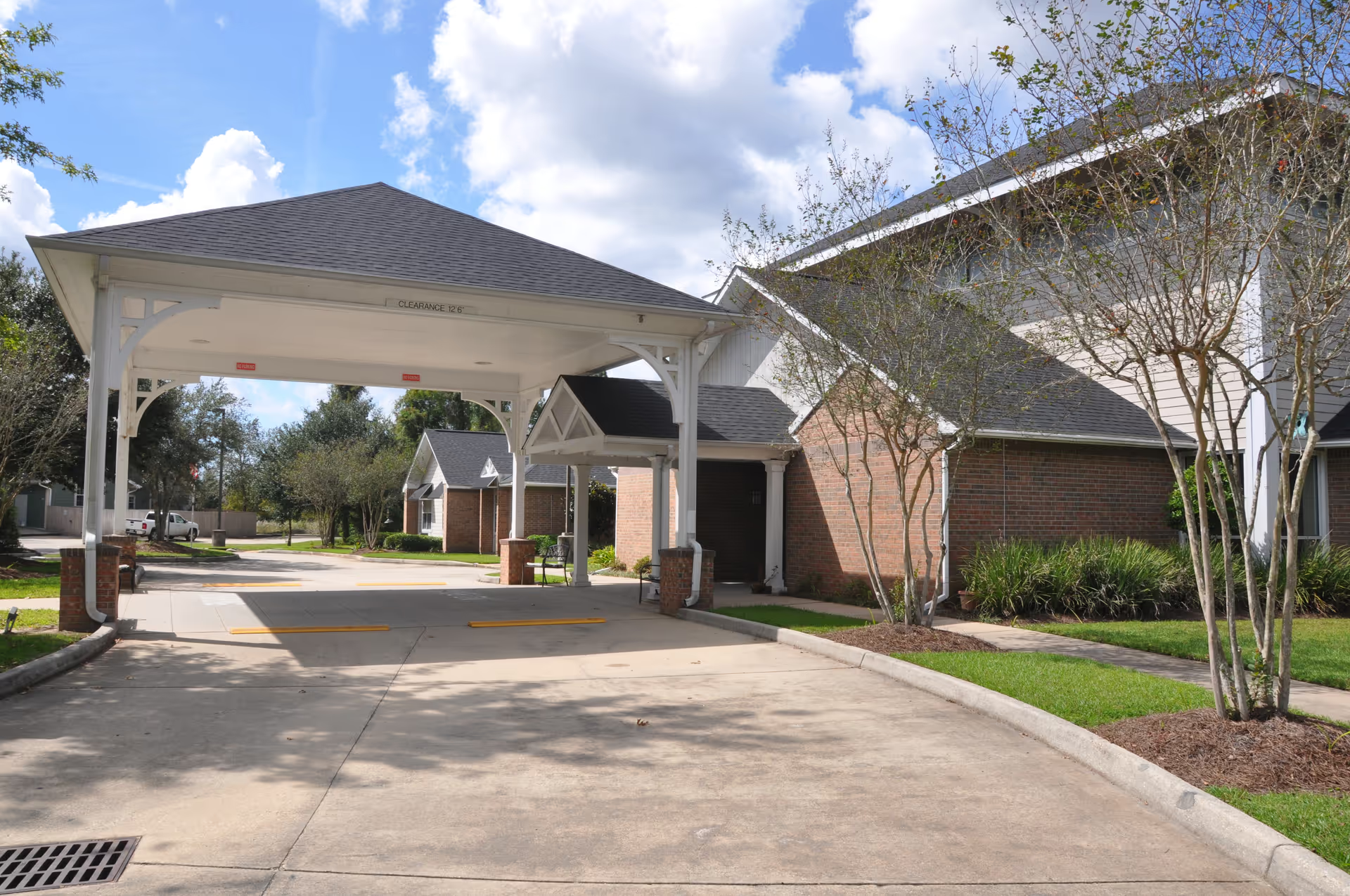
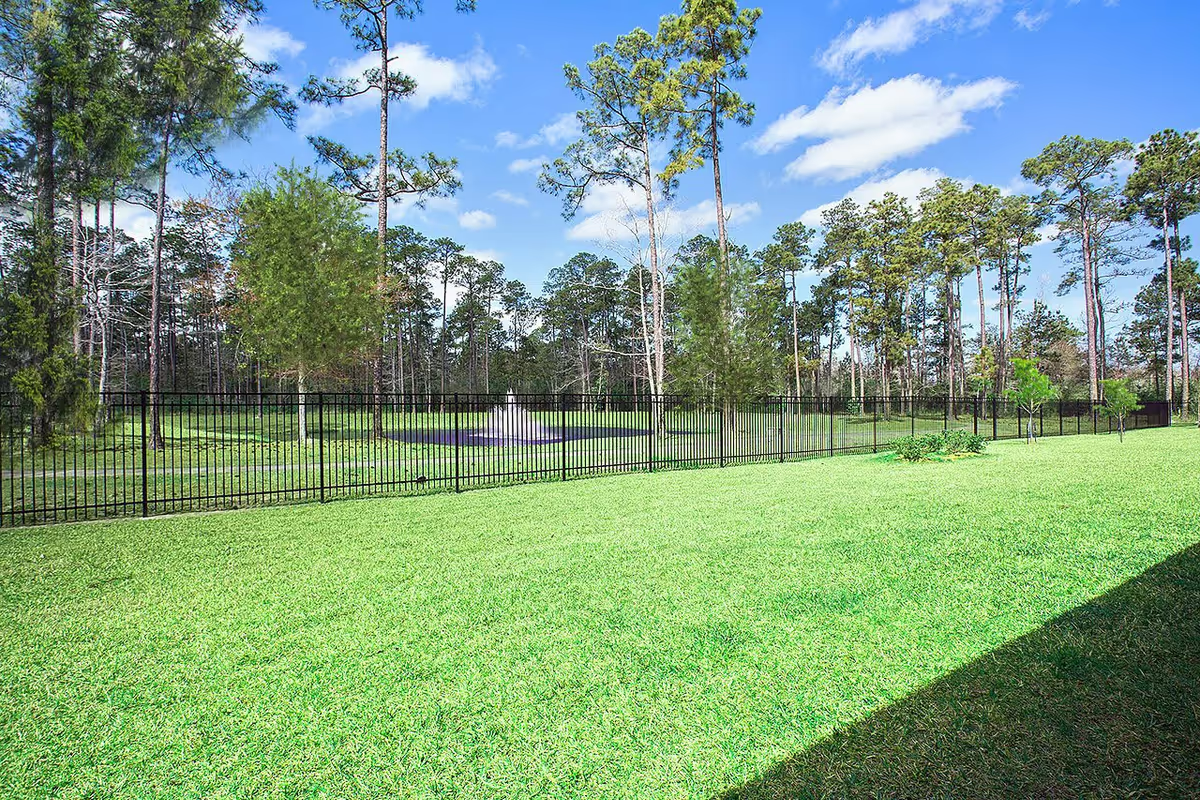
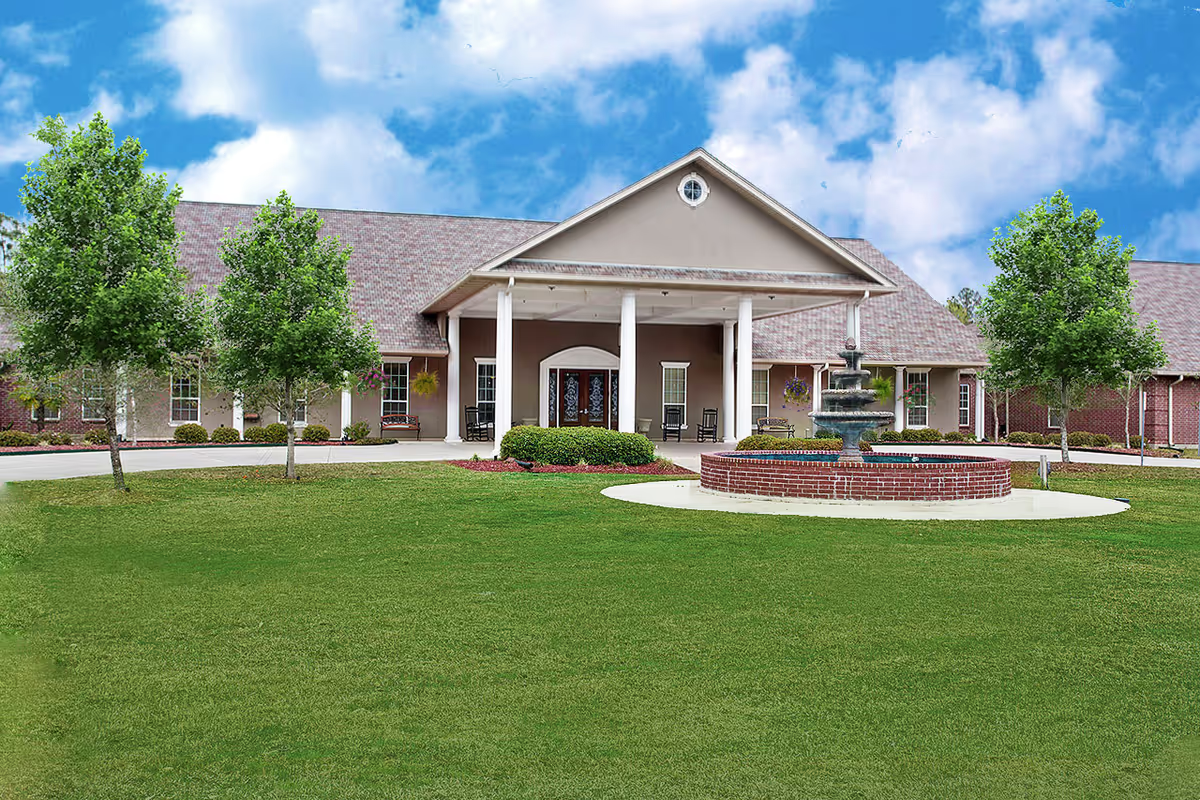
Facilities and location: The property is frequently described as scenic and peaceful, with lakes, peacocks, and wooded grounds that contribute to a country-like ambience. Large windows and outdoor views, historic hotel-style architecture, and sheltered walkways between buildings are noted positives. The layout is relatively simple and easy to navigate in parts, and the site is close to a hospital and local restaurants. At the same time, the building is older and reviewers describe maintenance backlogs—carpeting, plaster, and other repair needs—and accessibility challenges related to ramps and multi-level circulation that can make movement difficult for residents who require assistance.
Care quality and staffing: Opinions about clinical care and staff are polarized. Many families praise CNAs, nurses, and some directors as compassionate, attentive, and willing to go beyond expectations, with examples of individualized responsiveness and strong bedside care. Conversely, there are substantive concerns about staff conduct and communication tone, inconsistent housekeeping, and delays or gaps in incident response and family notification after falls or injuries. Several comments indicate staffing instability and leadership inconsistency, which reviewers link to uneven care experiences. Collectively these patterns suggest that while strong, reliable caregiving exists in parts of the facility, oversight and consistency are uneven.
Dining and activities: Dining is widely complimented—reviewers mention generous breakfasts, accommodating menus, and a pleasant restaurant-style dining room. Activity offerings are present (bingo, occasional live music, theater/movie showings) but several families noted limited structured programming, a lack of a clear activities calendar, and a small resident population, which can reduce day-to-day social options for some residents.
Operational risks and safety: There are repeated operational concerns that rise to the level of facility traits rather than isolated incidents. These include inconsistent housekeeping and sanitation standards, supply-management failures that affect hygiene practices, weaknesses in fall-prevention and post-fall protocols, and accessibility barriers. More serious claims include allegations of theft and security lapses; such claims warrant direct verification with facility management and regulatory records. Importantly, a number of reviewers felt the setting was better suited to residents who are largely independent rather than those requiring continuous hands-on assistance.
Bottom line and recommendations: Prospective residents should weigh the facility's appealing setting, strong moments of compassionate care, and good dining against documented variability in maintenance, housekeeping, incident response, and management consistency. When evaluating One Magnolia Place in person, ask for written policies and evidence about fall prevention and post-fall communication, housekeeping and supply protocols, staffing ratios and turnover, security measures, and a current activities calendar. Confirm accessibility options for residents with mobility needs and inquire about how the facility manages transitions of care and family notification after clinical events. These targeted questions will help clarify whether the facility's strengths align with a particular resident's needs and safety requirements.