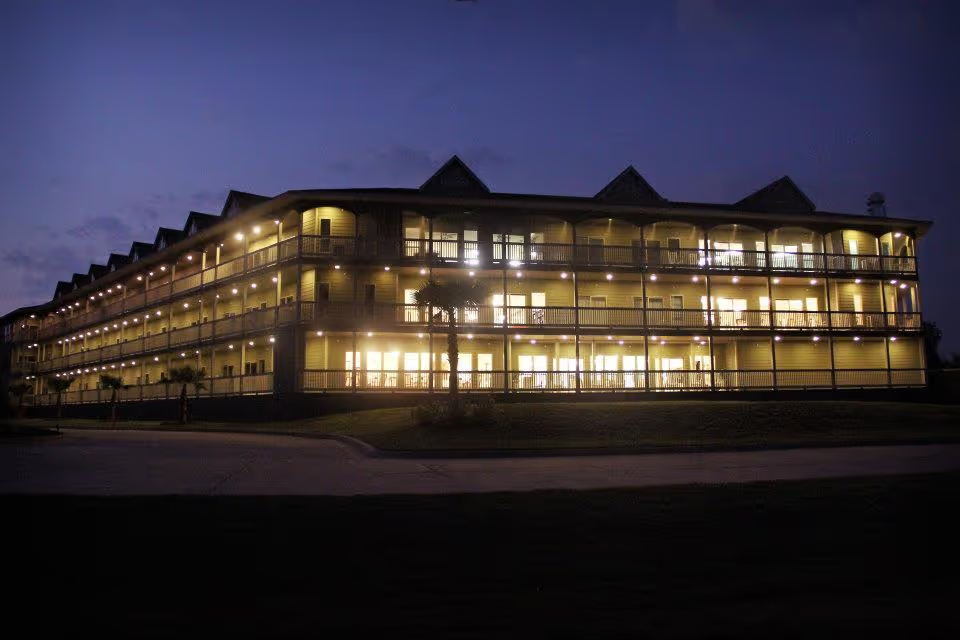
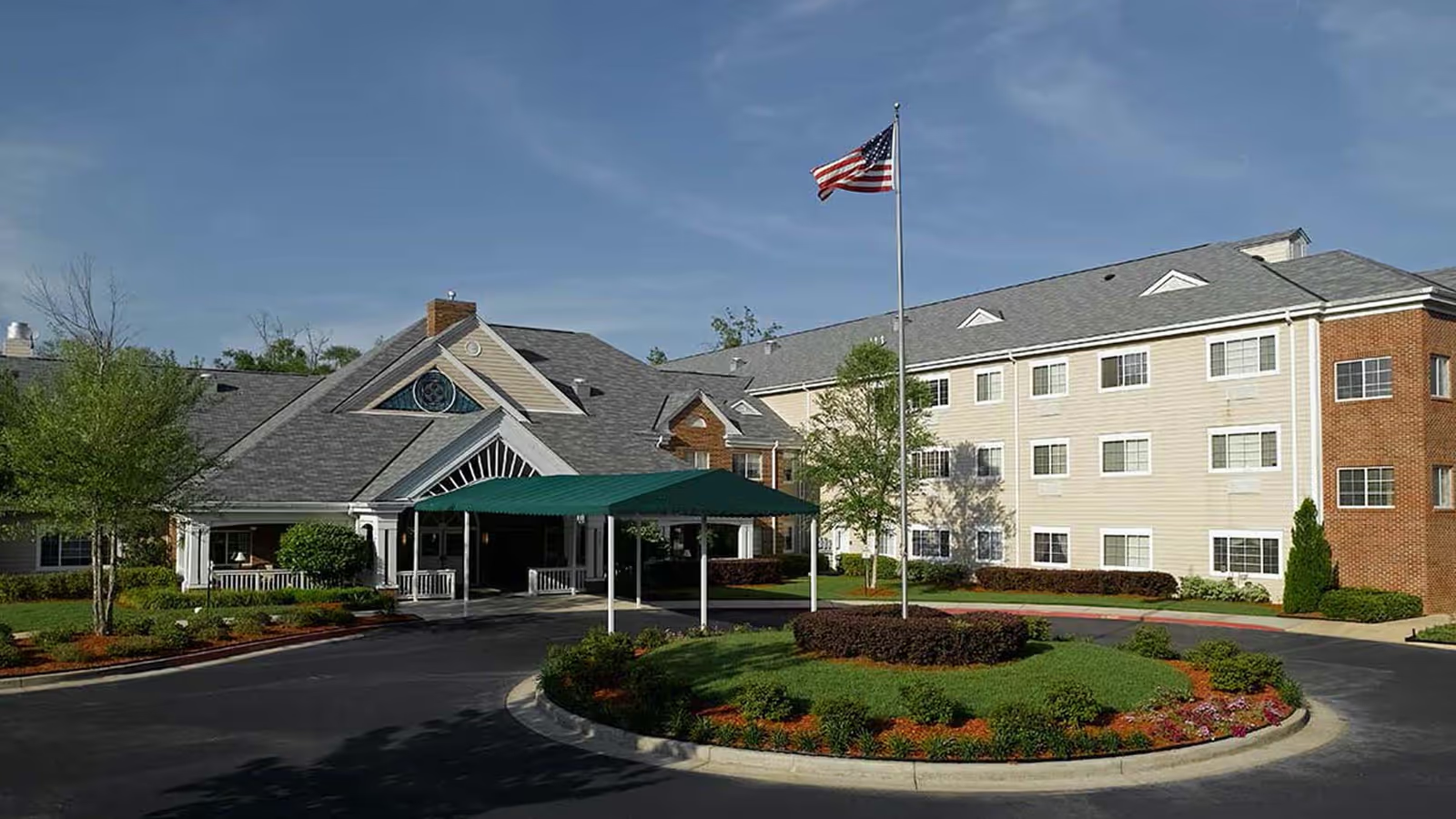
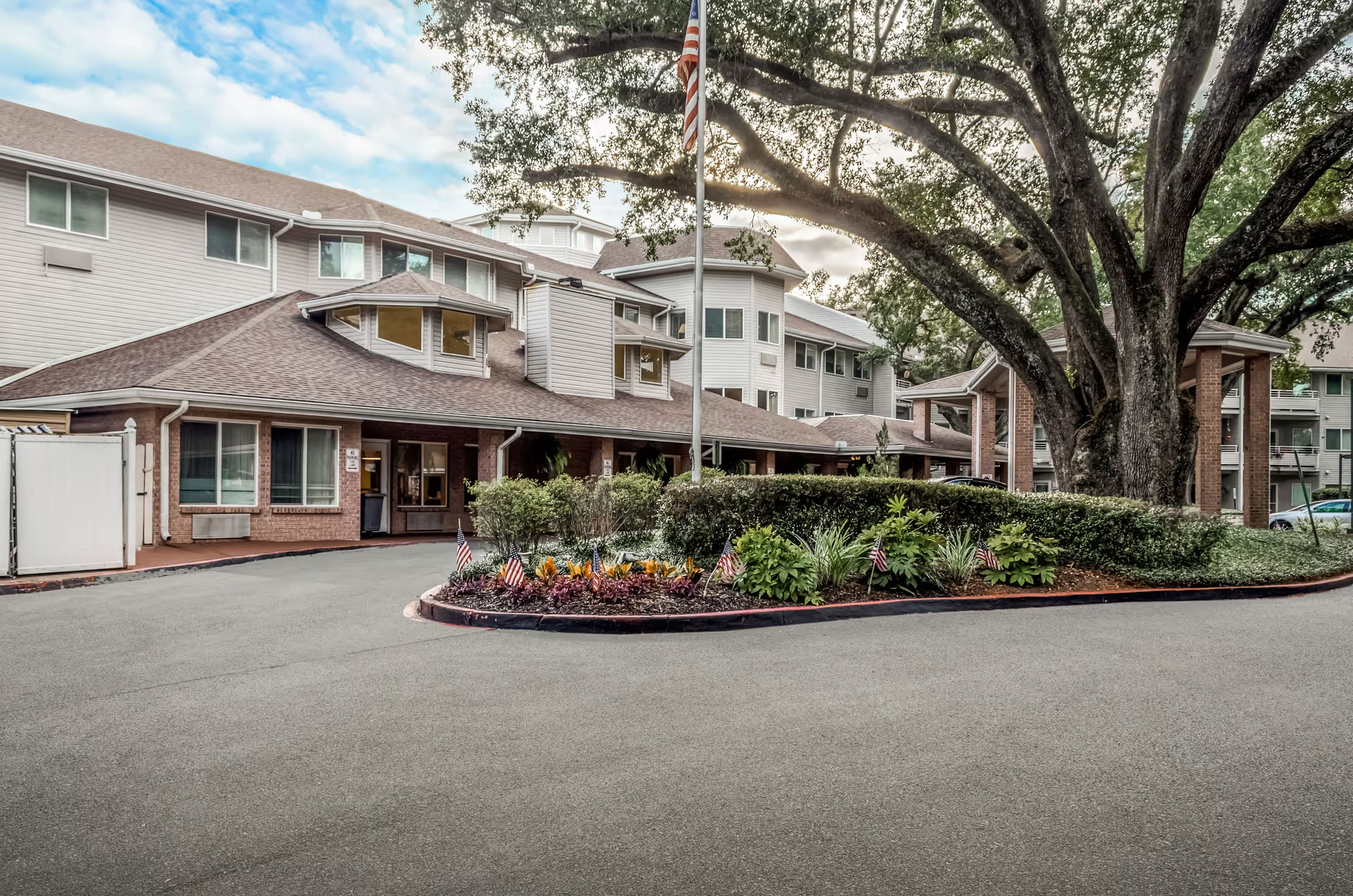
Truewood by Merrill, Ocean Springs elicits a mixed but primarily positive set of impressions centered on staff, social life, and facility upkeep. The most consistent strengths described are the caregiving staff and management: reviewers frequently describe caregivers and leadership as compassionate, accessible, and willing to go above and beyond. The community atmosphere is repeatedly characterized as home-like and social, with residents who appear engaged and comfortable. Facility maintenance, décor, and grounds are commonly noted as clean and well-kept, and the property includes amenity spaces such as a theater, library, and a large dining room that support social programming.
Dining and activities are strong selling points for many families. Numerous accounts praise varied, appealing meals and reasonable accommodation of dietary needs, and the activities program is often singled out for being organized, upbeat, and diverse—holiday parties, live music, crafts, bingo, and frequent day-to-day offerings were highlighted. Transportation and organized outings (bus trips) are also available and appreciated by families. Apartment options range from studios to two-bedroom units with private baths, providing choices for different levels of independence.
Despite these positives, recurring operational concerns appear across reviews and merit attention. Clinical responsiveness and emergency transport processes have been described as inconsistent: some families experienced timely, proactive attention while others reported delays in medical response or difficulty obtaining staff accompaniment or transport to emergent care. Relatedly, medication-administration processes and therapy start times have been delayed by authorization or documentation issues. Reviewers also describe variability in dementia-care capability—several accounts indicate the community is better suited to independent or assisted residents than to those with significant memory-care needs.
Financial transparency and service consistency are additional areas of concern. Multiple reviewers mentioned add-on charges, a medicine-pass fee, and other ancillary costs that were not clearly communicated at intake. There are also isolated but serious allegations involving loss of personal items and inappropriate conduct with vulnerable residents; these should prompt prospective families to ask specifically about security, loss-prevention policies, and staff oversight. Operational weaknesses reported include intermittent staffing turnover, occasional lapses in room-level maintenance and cleanliness, and instances where advertised activities were not occurring as expected.
For families evaluating this community, the dominant pattern is one of strong social programming and a caring, personable staff paired with operational variability in clinical services, memory-care suitability, and billing transparency. Recommended pre-move questions include: how the facility handles emergency transport and on-site clinical coverage, specific dementia-care services and limits, a clear written list of all potential ancillary charges, medication-pass and therapy-start procedures, and examples of recent measures taken to address staff turnover, security, and room-maintenance issues. These targeted inquiries can help determine whether the facility’s strengths align with a prospective resident’s clinical needs and expectations.