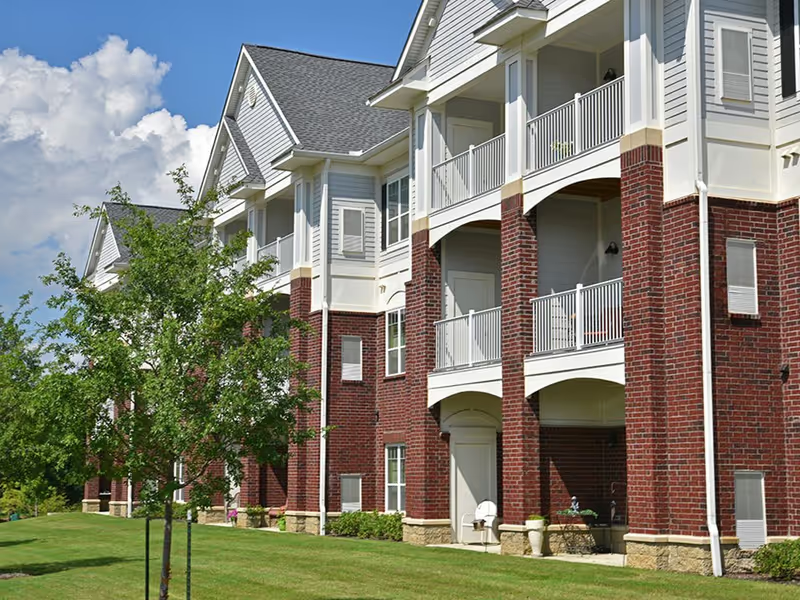
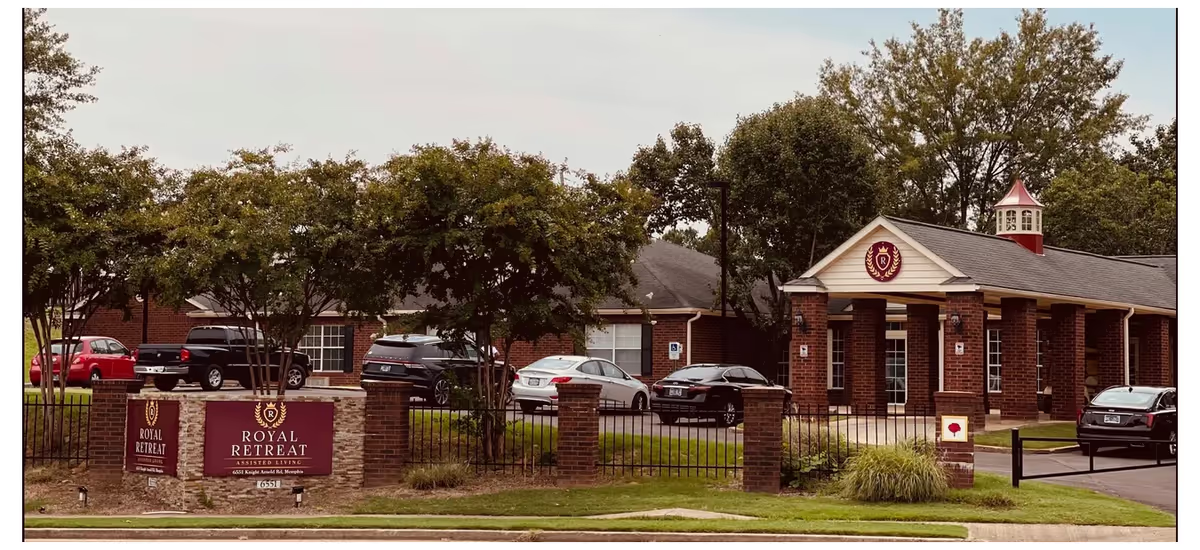
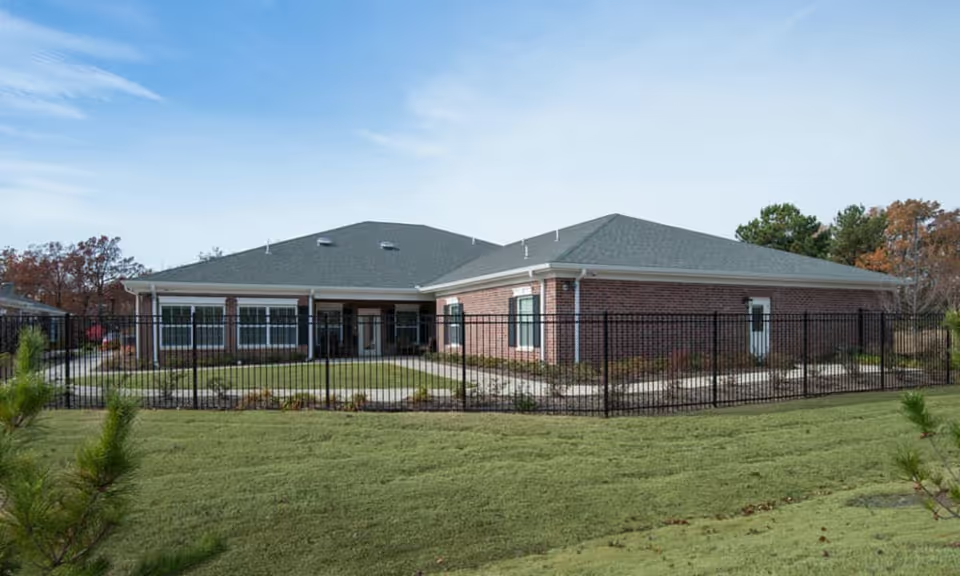
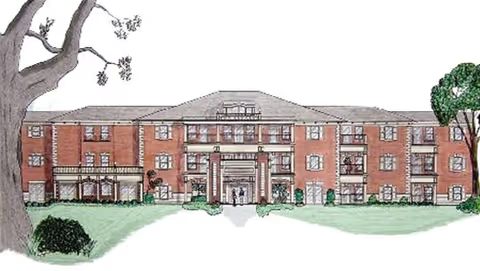
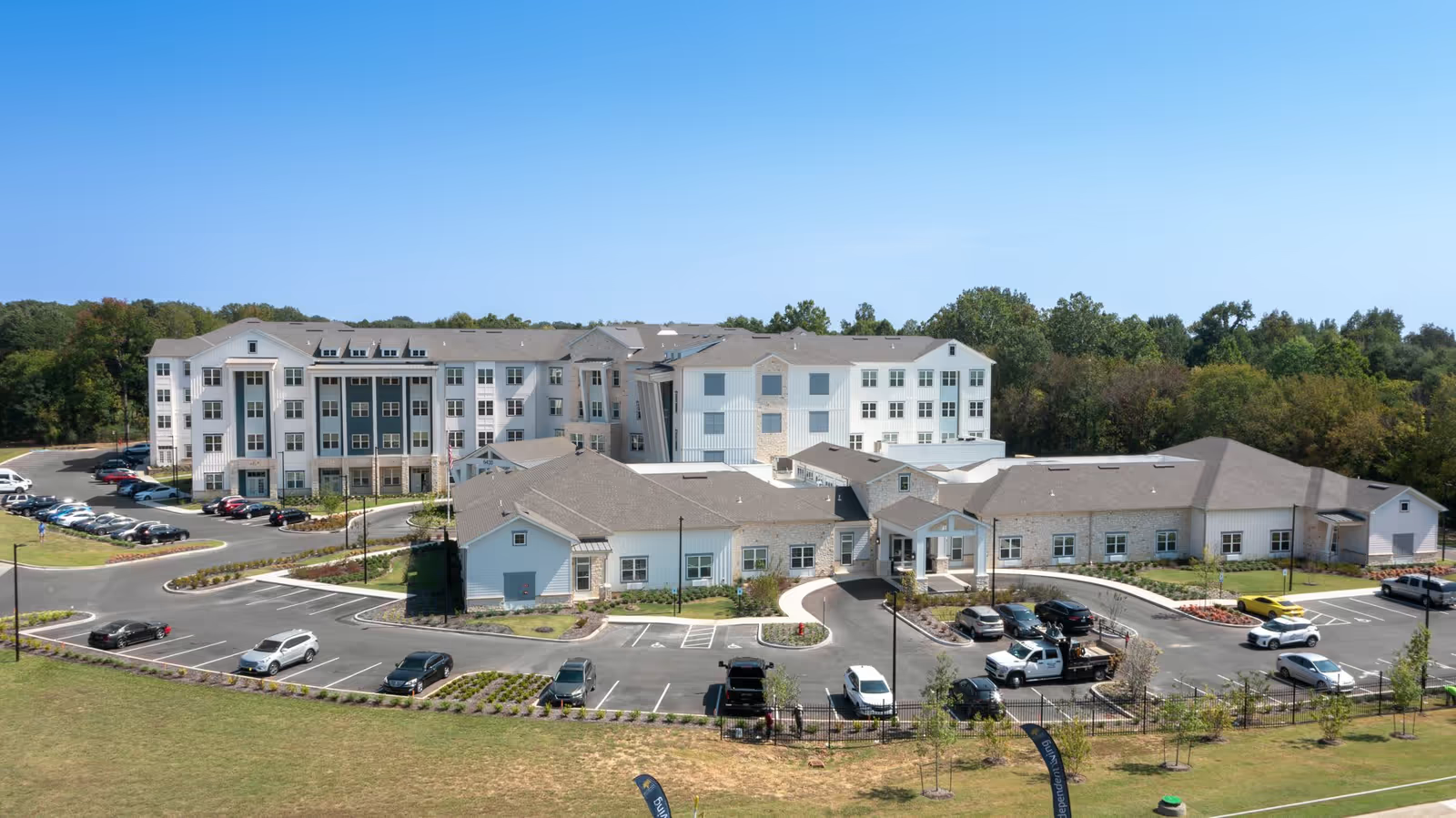
Overall impression: Olive Grove Terrace projects many characteristics families seek in a small, community-oriented senior living setting: a clean, attractive property with a homelike feel, an active calendar of social and spiritual activities, and staff who are frequently described as warm and personally engaged. Multiple reviewers highlighted the grounds and interior appearance, the ranch-style one-level design that aids accessibility, and apartment features such as walk-in closets and doors opening to the outside. The community atmosphere — friendly residents, family involvement, and themed events — is a consistent strength.
Care and clinical operations: There are competing impressions about clinical reliability. Positive accounts describe personalized attention, a favorable staff-to-resident ratio in some areas, and professional-level care in both assisted living and secured memory-care units. At the same time, several operational weaknesses emerge around medication administration, clinical documentation, and after-hours coverage. Specific concerns include missed or delayed medication deliveries and gaps in communication between providers and nursing staff. Weekend and night coverage were called out as inconsistent in some reports, which suggests variability in after-hours clinical availability.
Staff and management: Staff are commonly described as compassionate, attentive, and responsive to daily needs; many families praised individual caregivers and the dining/staffing teams. However, reviewers also noted turnover, occasional lapses in training or preparedness, and inconsistent responsiveness during particular shifts. Management responsiveness is portrayed as mixed — some families experienced quick problem resolution and helpful follow-up, while others reported confusing onboarding procedures and breakdowns in communication about services, billing, or care plans.
Dining and activities: Dining is an emphasized strength for many residents — reviewers reference a trained culinary chef, appealing meals, and personalized dining attention. There are, however, reports of variability in meal quality and service consistency. Activities programming is robust and varied, including church services, Bible study, crafts, exercise, themed events, baking with supervision, and resident-centered social events; these offerings contribute strongly to resident engagement and social well-being.
Facilities and amenities: Physical plant feedback is largely positive: attractive exterior landscaping, clean common areas, and a fresh-smelling environment. Some units are described as compact and lacking full kitchen amenities (no stove or full refrigerator in some apartments), and there are reports of intermittent problems with on-site laundry equipment. Pricing perceptions vary: several reviewers found the community affordable or flexible, while others considered it higher-priced compared with previous residences.
Notable patterns and considerations: Prospective residents and families will likely appreciate the community’s social culture, dining emphasis, and accessible layout. Operationally, the main areas to investigate during a tour or pre-move conversation are medication-management protocols, night and weekend clinical coverage, housekeeping schedules, staff training and turnover, and the community’s approach to managing resident-on-resident incidents and safety. Asking for written policies on medication administration, staffing ratios by shift, housekeeping frequency, and incident-response procedures will help clarify whether the community’s operational practices align with a family’s clinical and safety expectations.